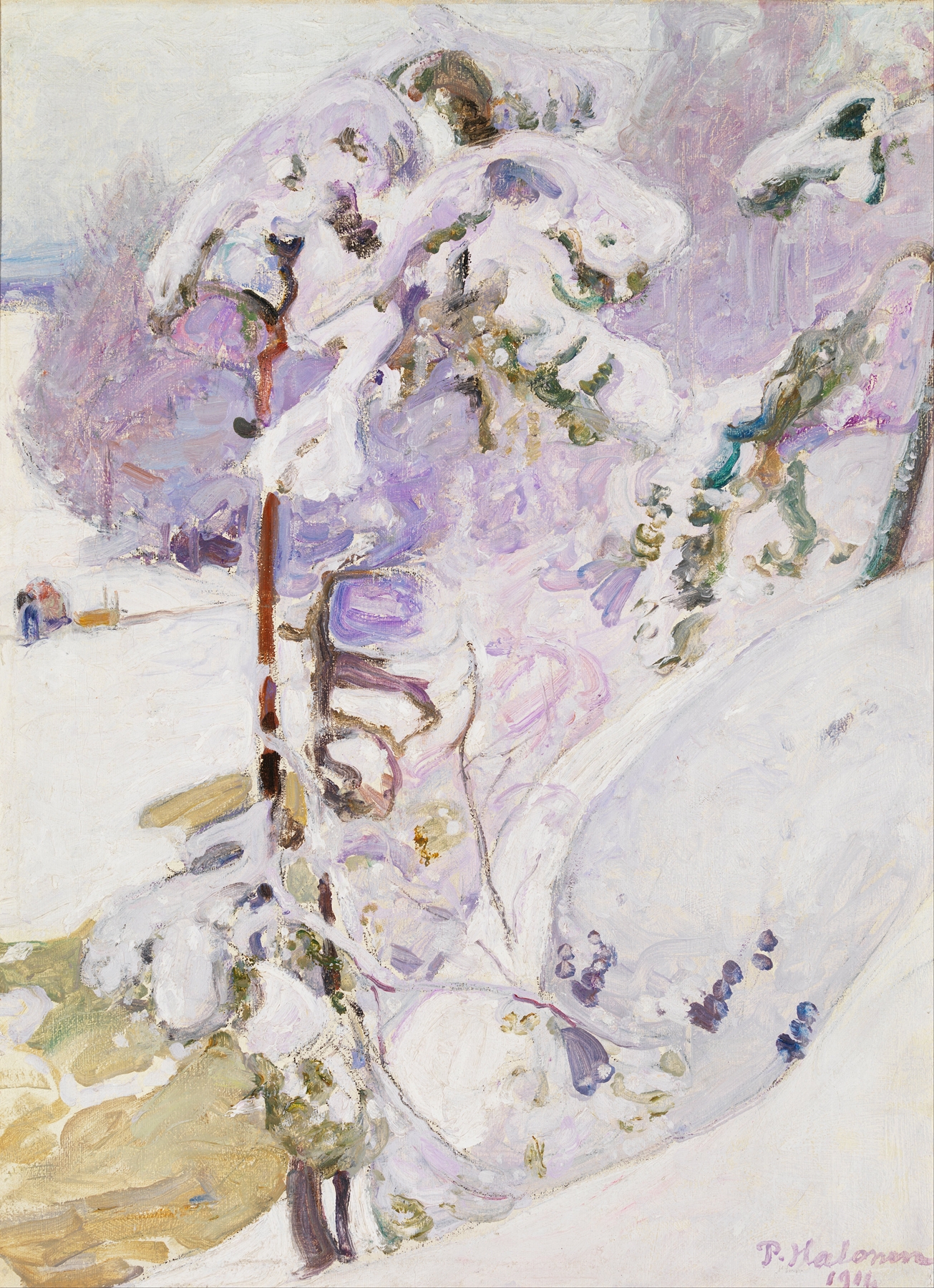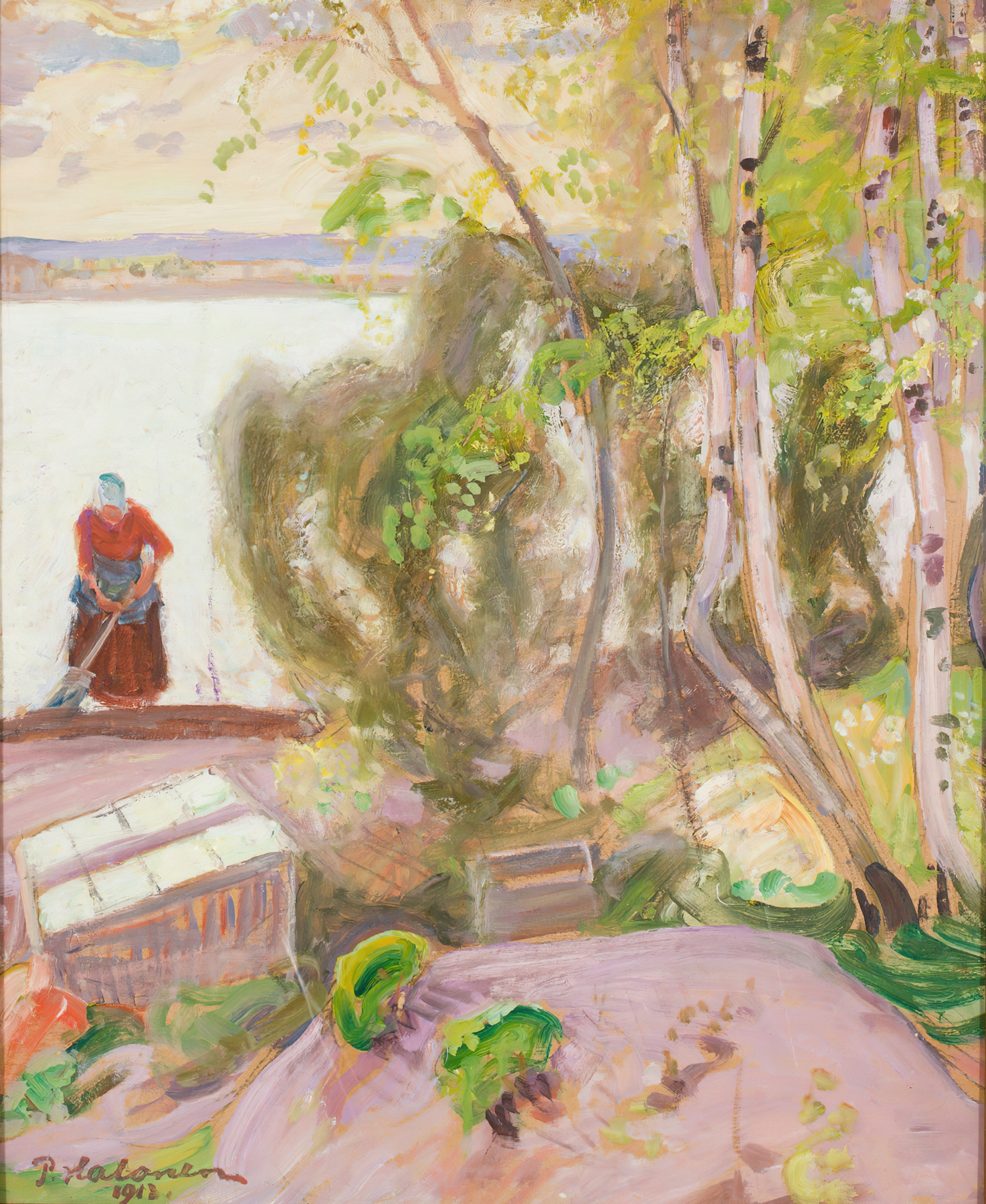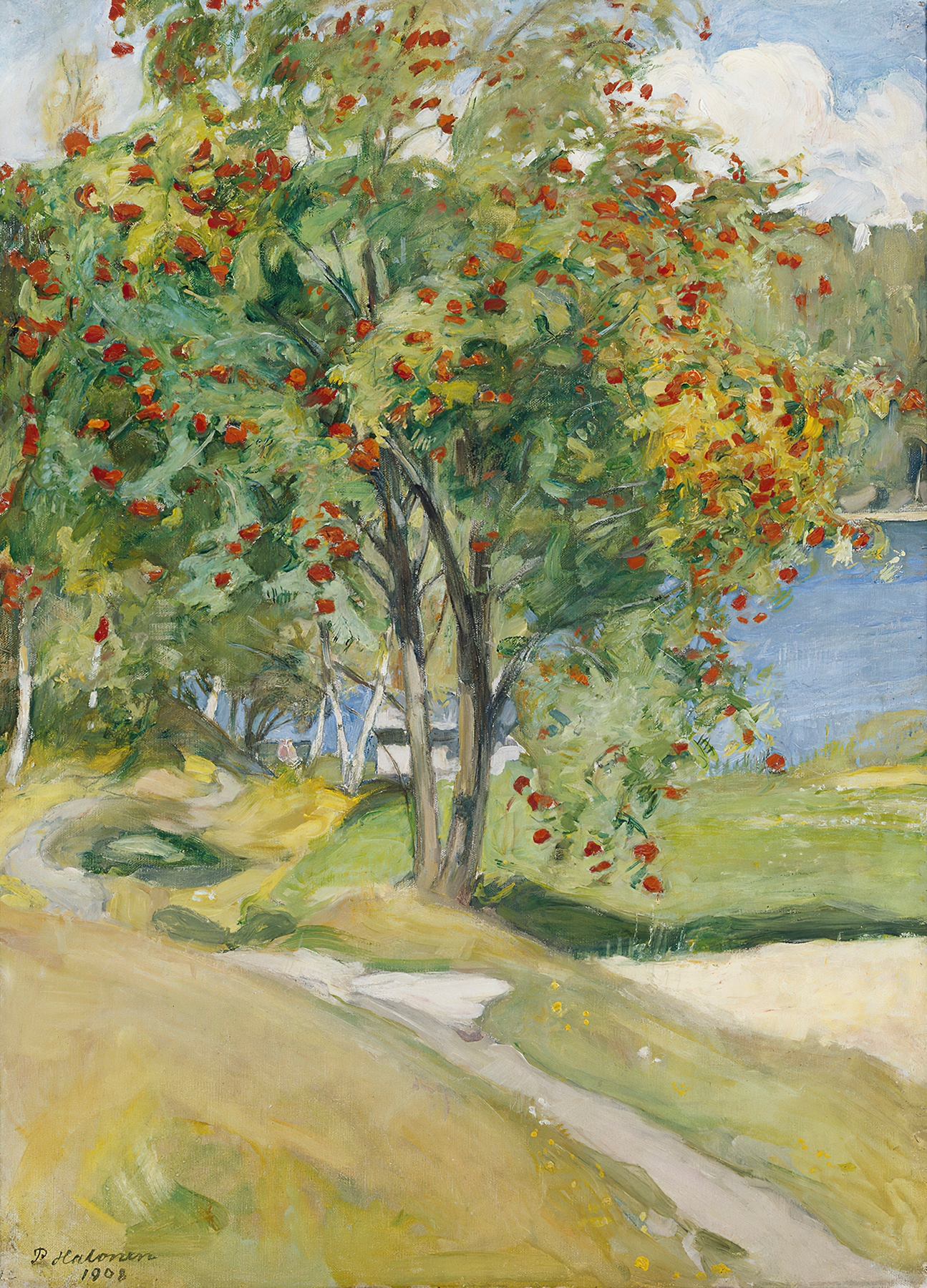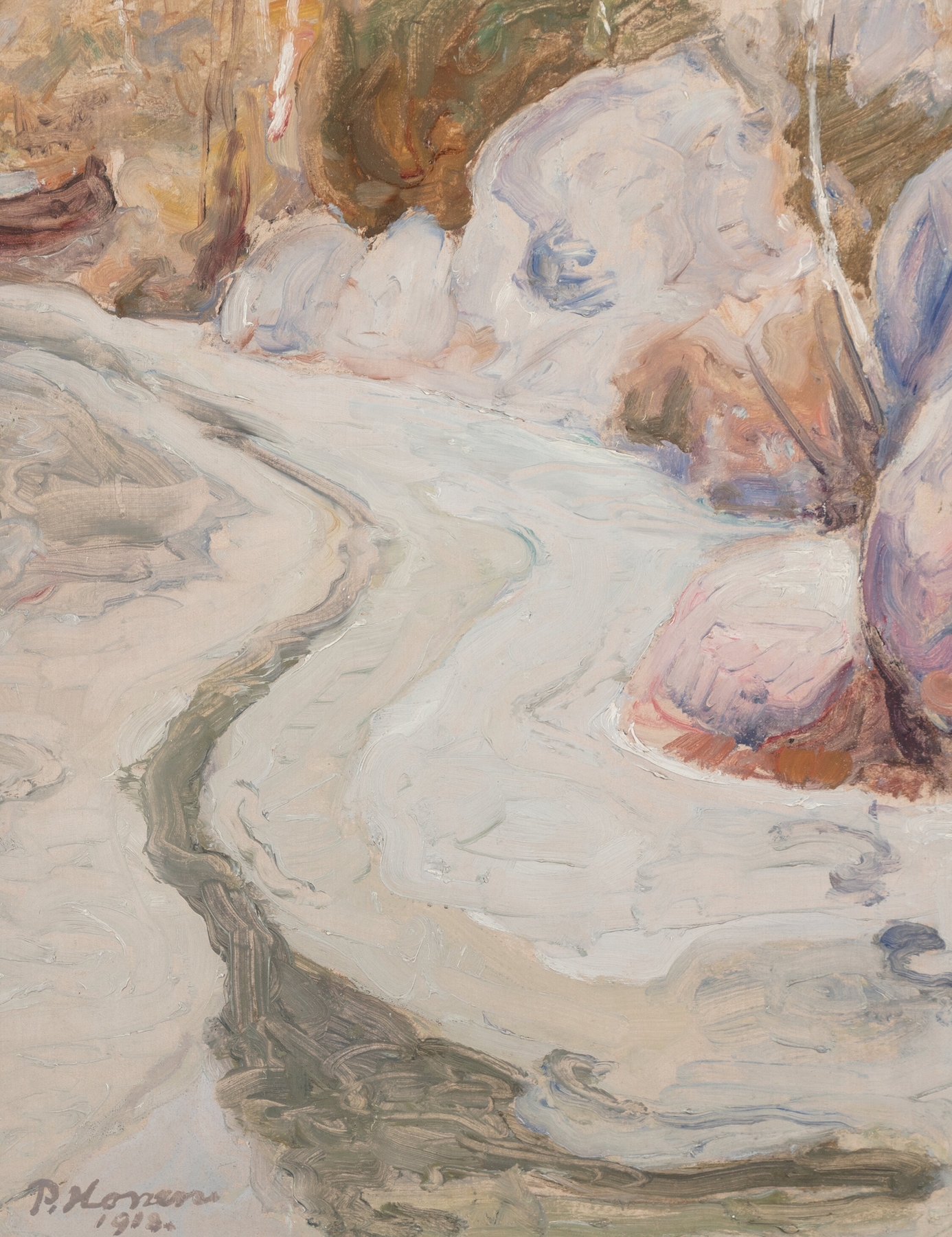
The Short-Cut — History & Analysis
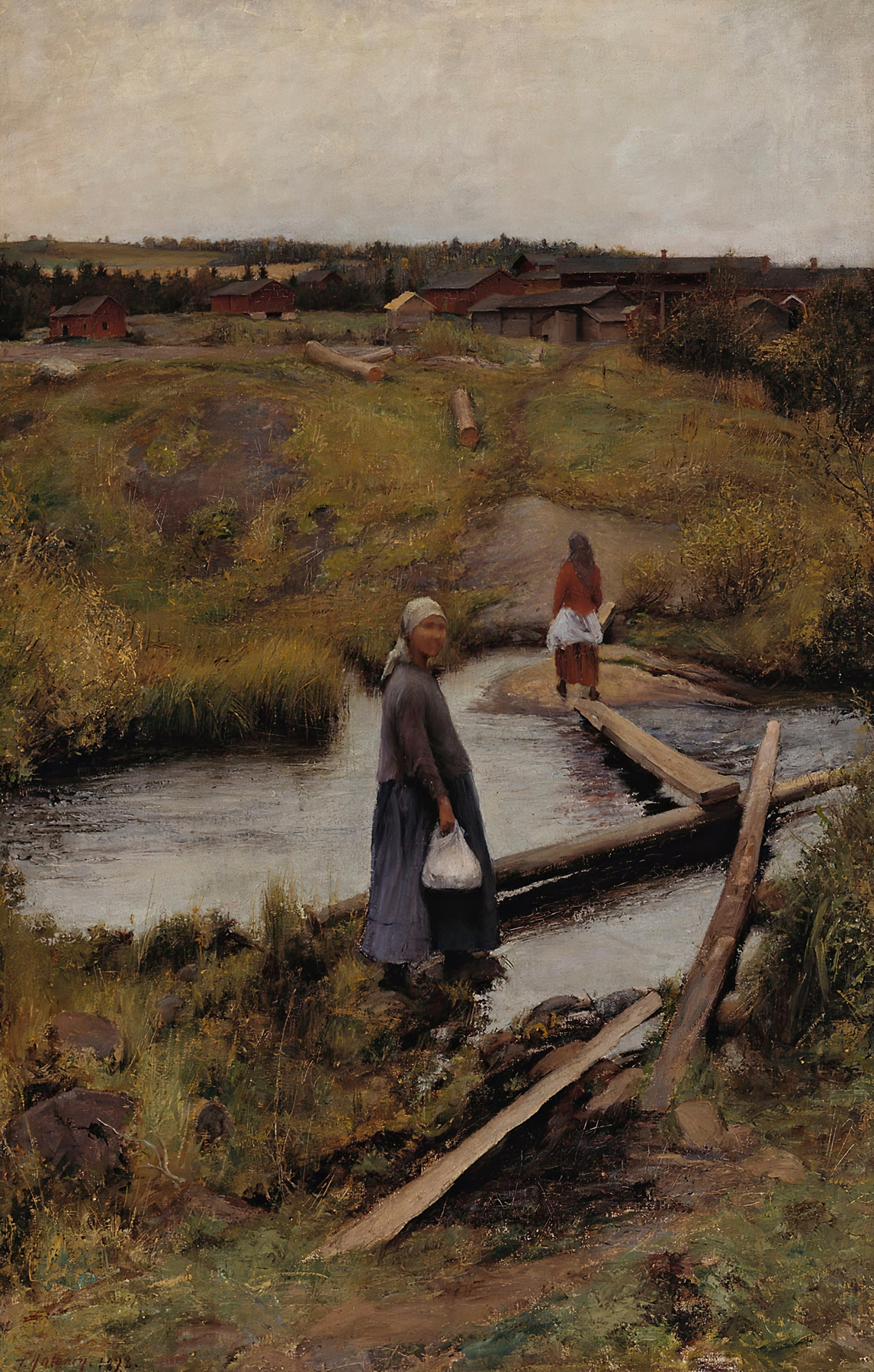
“To paint is to remember what time wants us to forget.” In the realm of art, truth often emerges through the veil of beauty, guiding us back to moments long past yet vividly alive in our minds. Focus first on the rich palette that envelops the composition—deep greens and earthy browns create a natural tranquility, inviting the viewer into the enchanting woodland scene. Notice how the dappled sunlight filters through the canopy, casting playful shadows on the forest floor. The path, winding and inviting, serves as a metaphorical journey through both nature and the human experience, drawing the eye toward the horizon where trees stand as silent witnesses to countless stories.
Delve deeper, and you’ll find that hidden meanings abound. The path's simplicity contrasts sharply with the complexity of the natural world surrounding it, suggesting that life’s choices are often more intricate than they appear. The gentle curves of the landscape evoke a sense of movement—perhaps a reminder of change and the passage of time. Additionally, the stillness of the setting creates a contemplative atmosphere, encouraging introspection on the nature of truth and memory.
In 1892, Pekka Halonen painted this work during a period of personal exploration and national pride in Finland. As he immersed himself in his country's landscapes, the burgeoning national identity became intertwined with his artistic expression. This was a time of deep connections to nature, reflective of the broader movement within Finnish art, as artists sought to depict their homeland's raw beauty and emerging cultural narrative.