Sunlit Winter Lanscape — History & Analysis
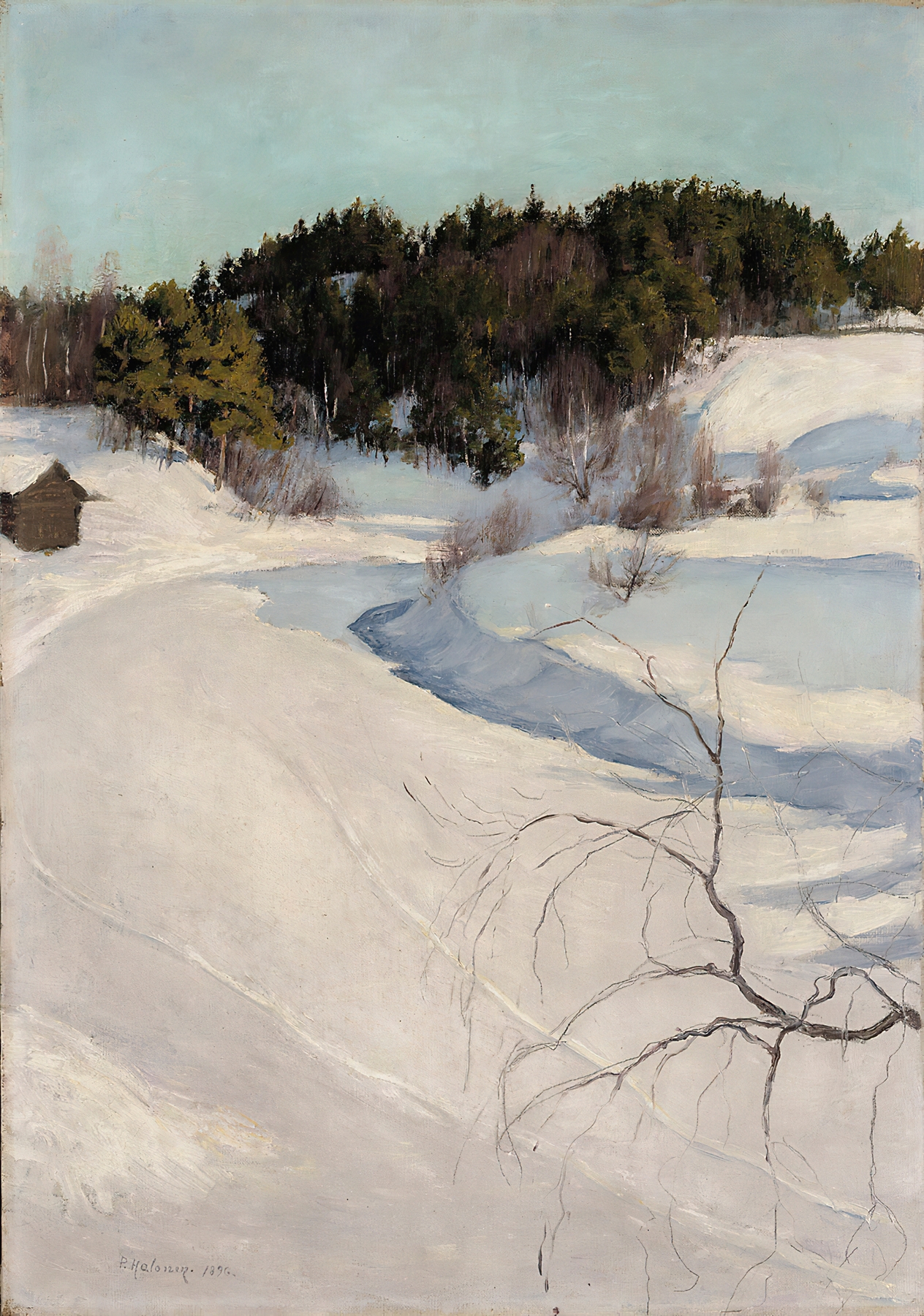
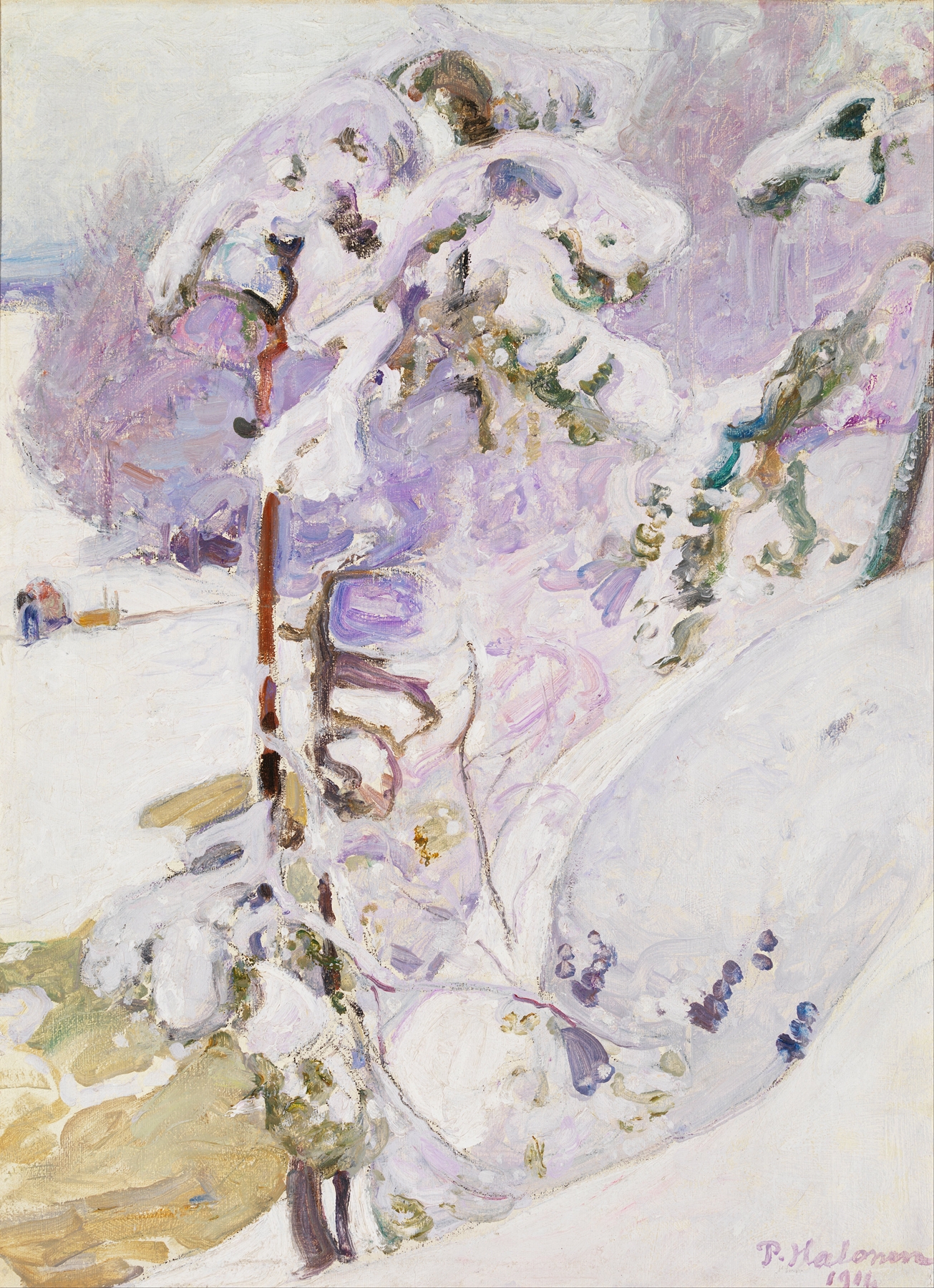
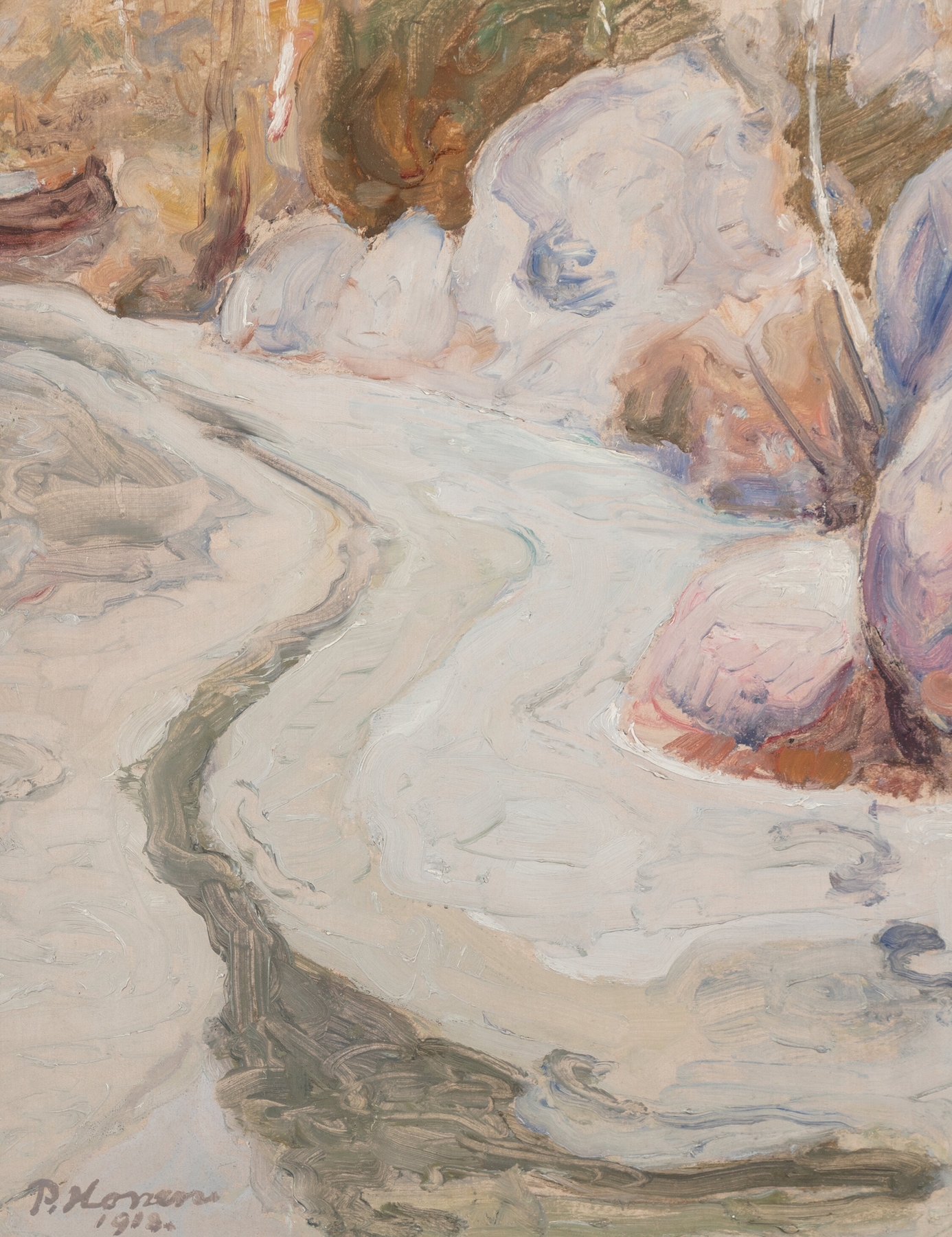
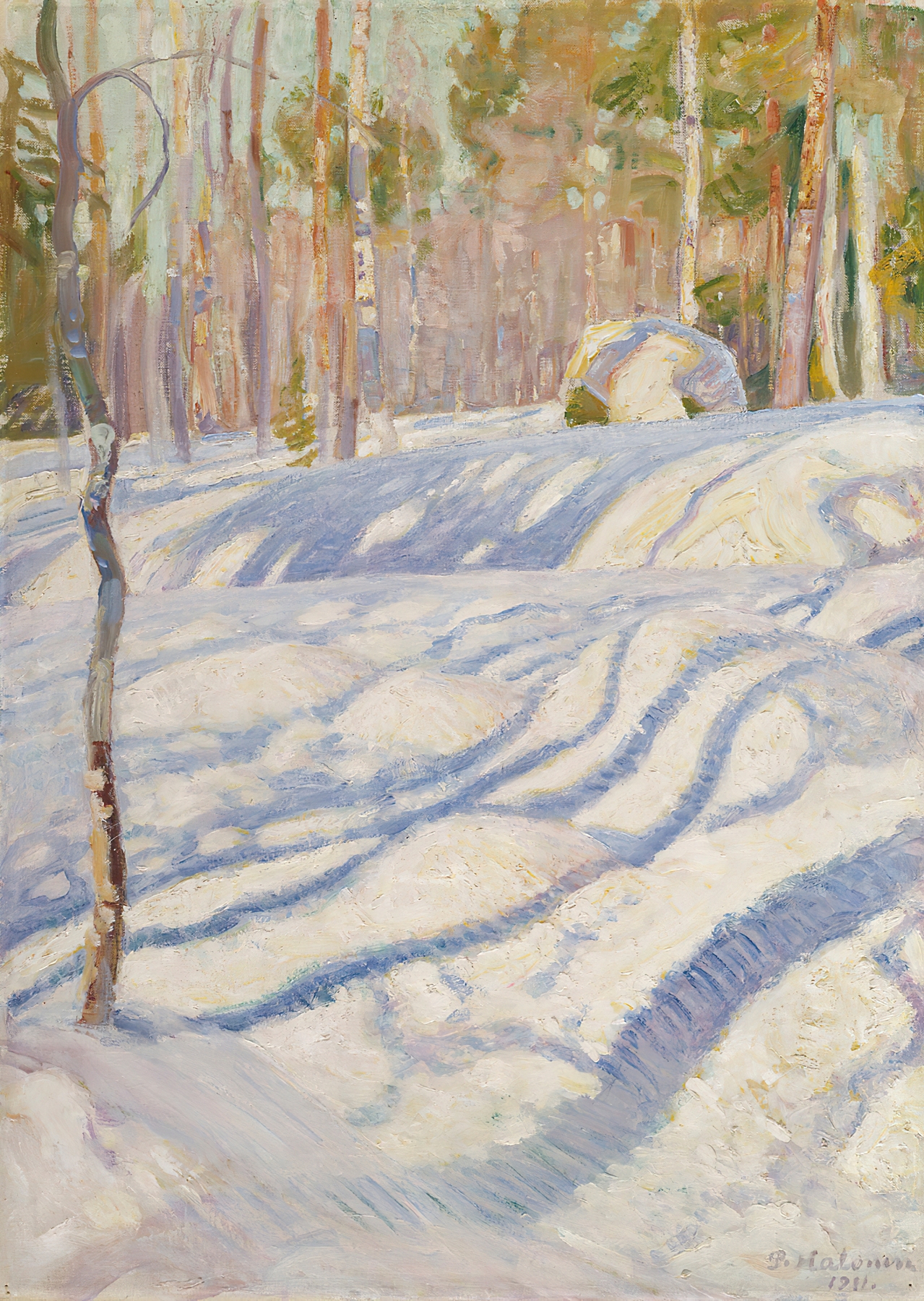
“To paint is to remember what time wants us to forget.” In Sunlit Winter Landscape, the essence of longing seeps through the canvas, inviting the viewer into a world where memory and the passage of time intertwine gracefully. Look to the center of the painting, where a blanket of soft, white snow blankets the landscape, illuminated by the warm, golden light of the sun. Notice how the artist skillfully balances the cool blues and whites with touches of amber, creating a striking contrast that whispers the chill of winter while promising the warmth of hope. The trees, standing tall and bare, reach toward the sky, their shadows stretching across the snow, guiding your gaze deeper into this serene, yet quietly haunting, winter scene.
Hidden meanings emerge in the delicate interplay of light and shadow. The sun’s rays, though bright, are fleeting, hinting at the transitory nature of beauty and the inevitability of change. The starkness of the trees symbolizes resilience against the cold, yet their barrenness evokes a sense of loss—echoing a longing for the vibrancy of life that is no longer present.
Each brushstroke carries an emotional weight that resonates with those who have felt the passage of time keenly. In 1911, Pekka Halonen painted this piece during a period of personal exploration amid the broader Finnish art movement, which sought to capture the essence of the national identity through landscape. Halonen’s focus on natural beauty not only reflected his surroundings in Finland but also aimed to evoke a profound connection to nature and memory during a time when the country was defining its artistic voice.