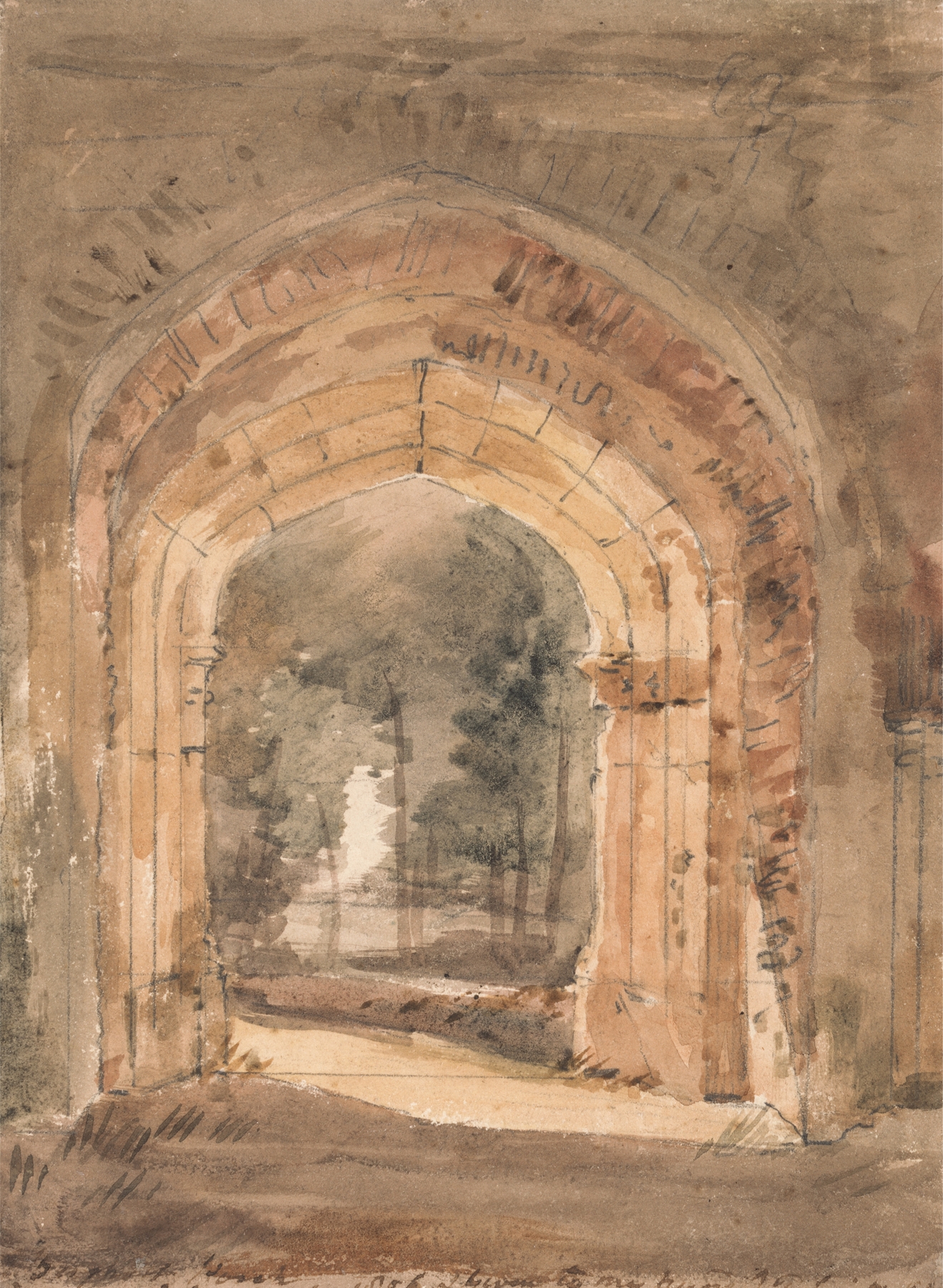
East Bergholt Church, Looking Out the South Archway of the Ruined Tower — History & Analysis
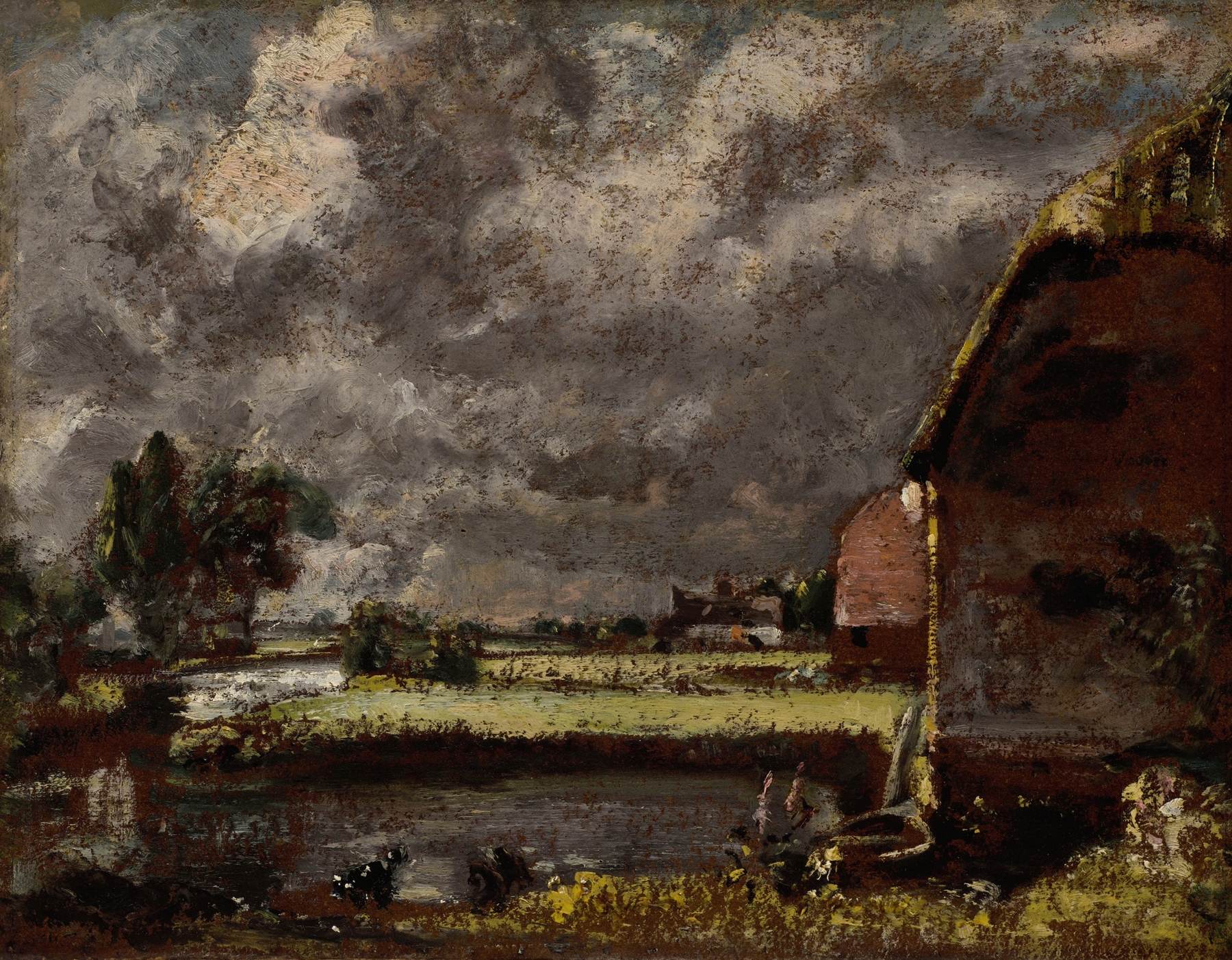
When did color learn to lie? The interplay of light and shadow in this piece invites an unsettling contemplation of reality, revealing beauty while concealing deeper truths. Look to the left at the delicate archway, where soft hues of earth and ivy converge. The way the light dances through the crumbling stone illustrates Constable's mastery of natural illumination, as if the very essence of time is captured within that frame. The vibrant greens contrast starkly with the muted grays of the tower, guiding your gaze towards the horizon where the sky meets the land, blurring the lines between the physical and the ethereal. Notice how the ruins symbolize not just decay but the endurance of nature against the quiet march of time. This juxtaposition of lush growth and crumbling architecture speaks to the tension between human endeavor and nature’s reclaiming hand. The distant church steeple suggests presence and absence, a whisper of human life amid the silence of the aged stone; it serves as a reminder of the fleeting moment between what is seen and what is lost. In 1806, Constable created this work during a period of personal and artistic transition. Living in East Bergholt, he was beginning to define his unique approach to landscape painting, influenced by the Romantic movement sweeping across Europe. The world was shifting, and as industrialization took root, his focus on the natural beauty of his surroundings felt increasingly poignant, capturing both the charm and the inevitable changes of the English countryside.