End of Summer — History & Analysis
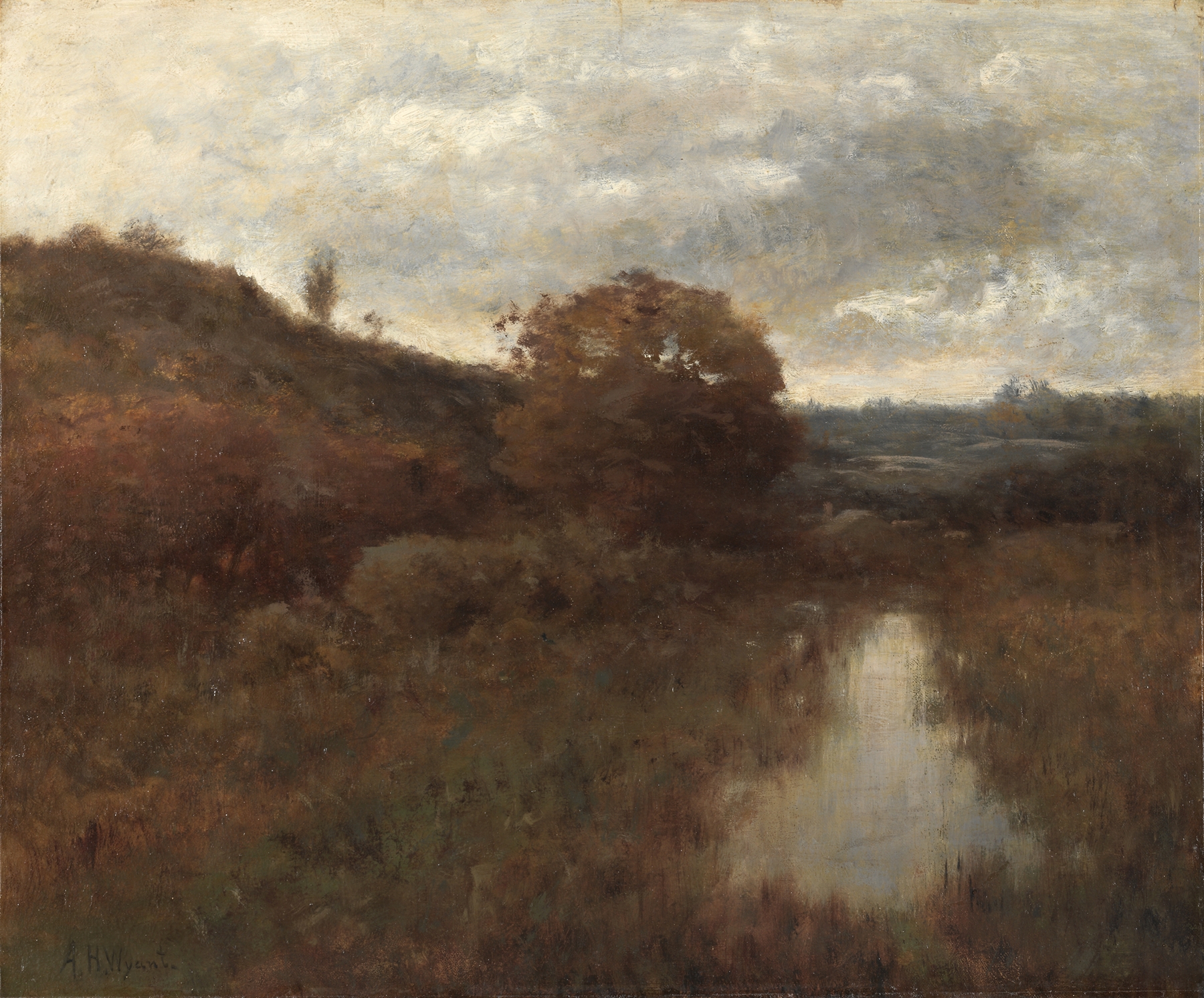
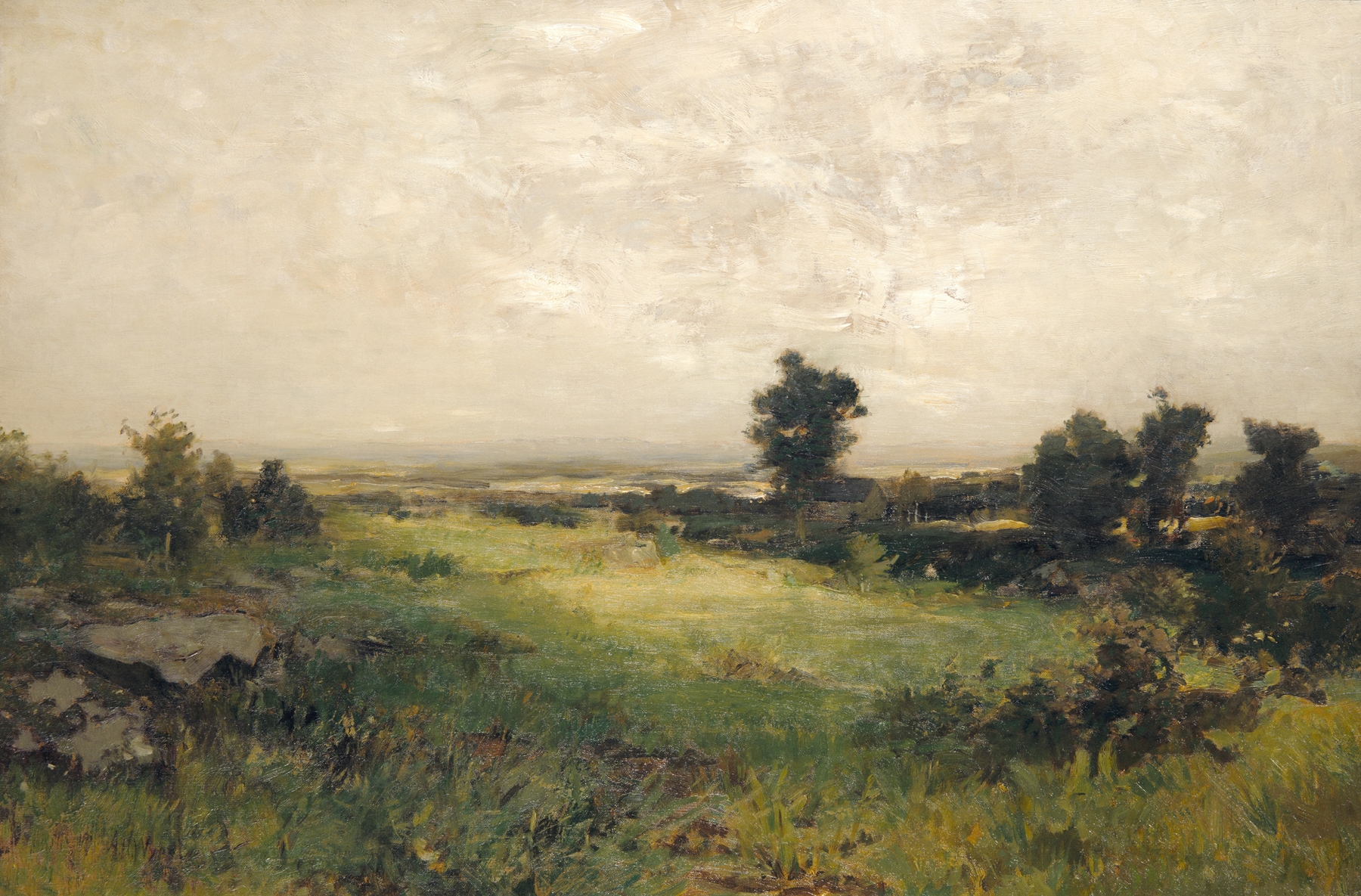
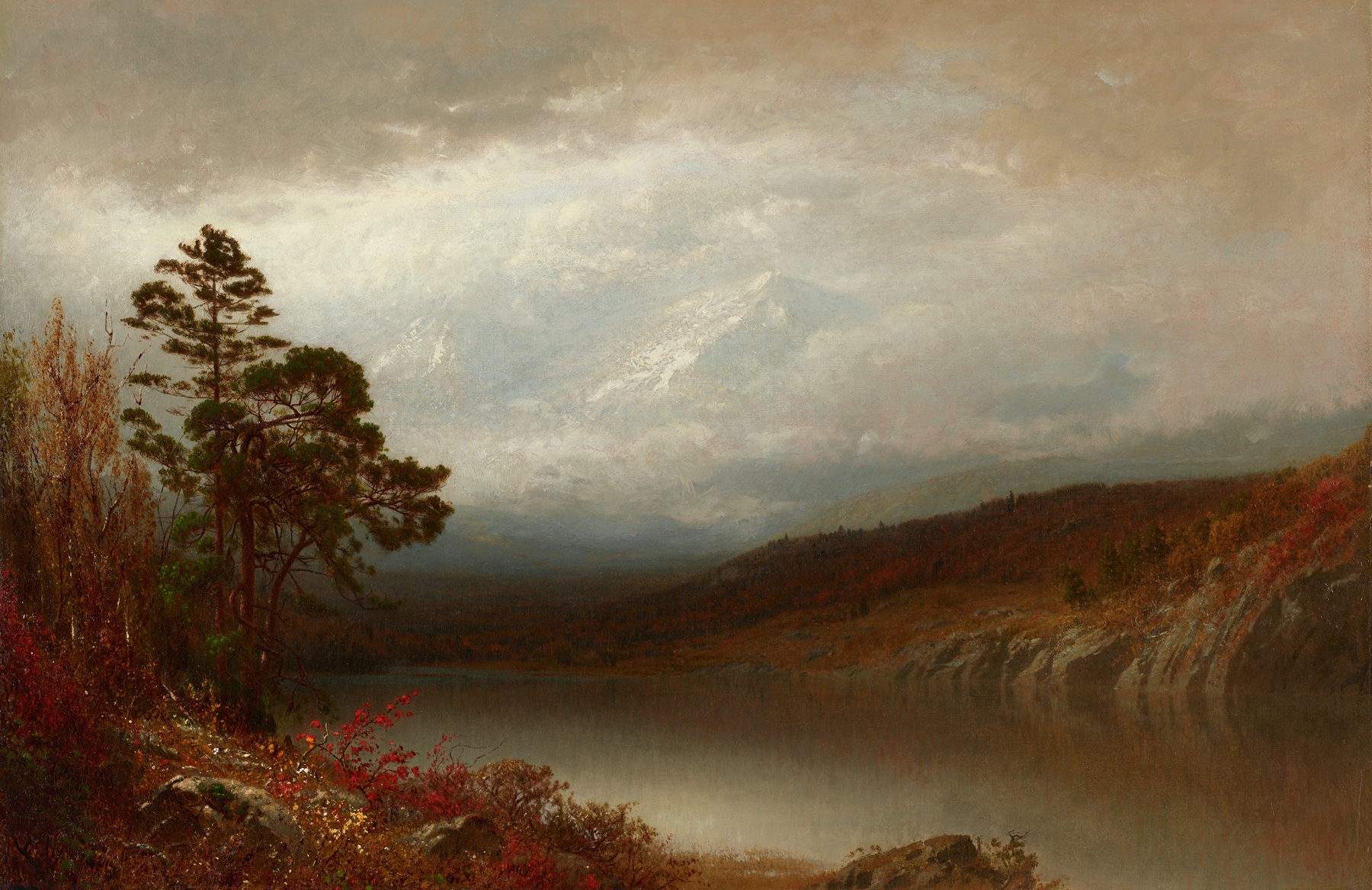
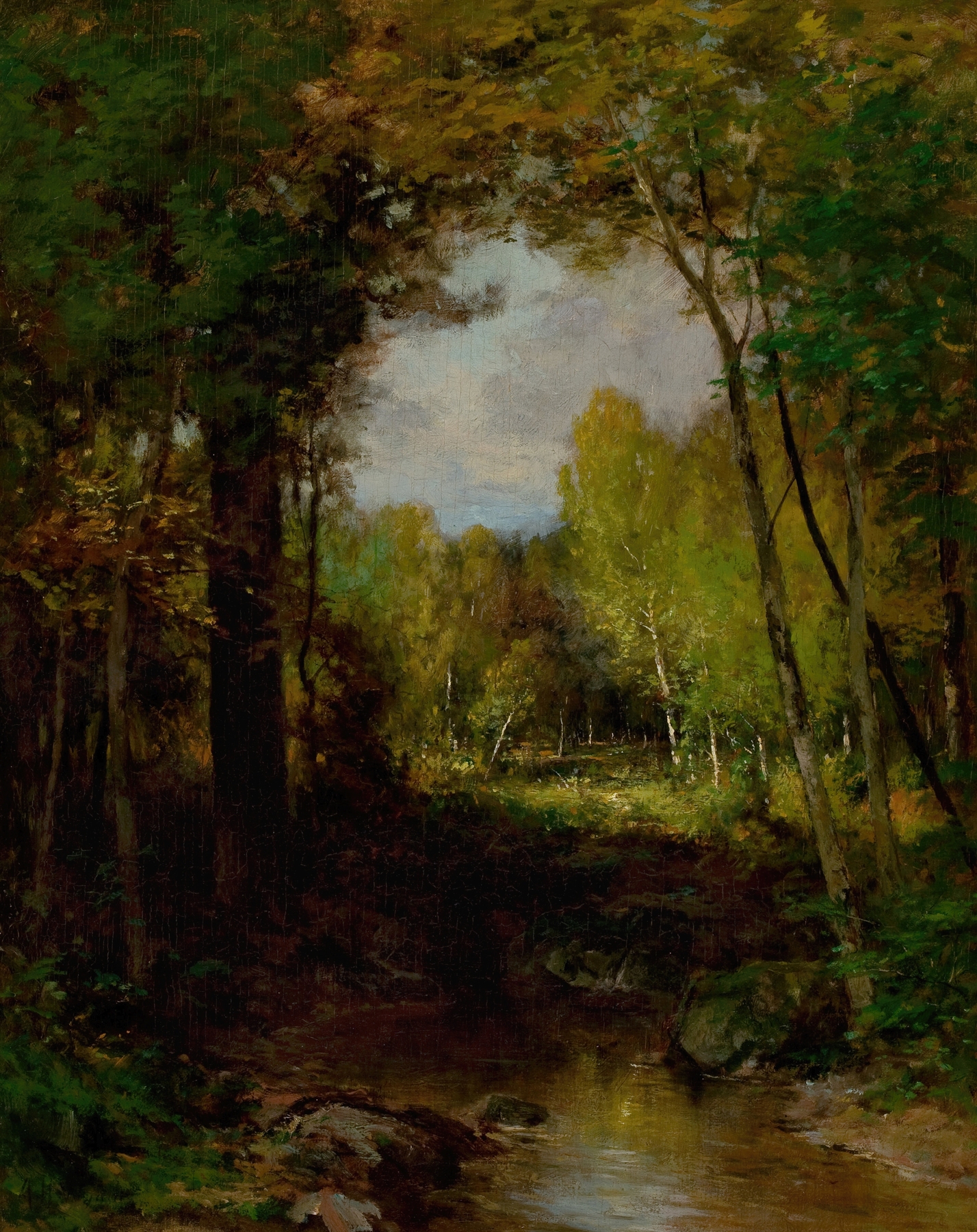
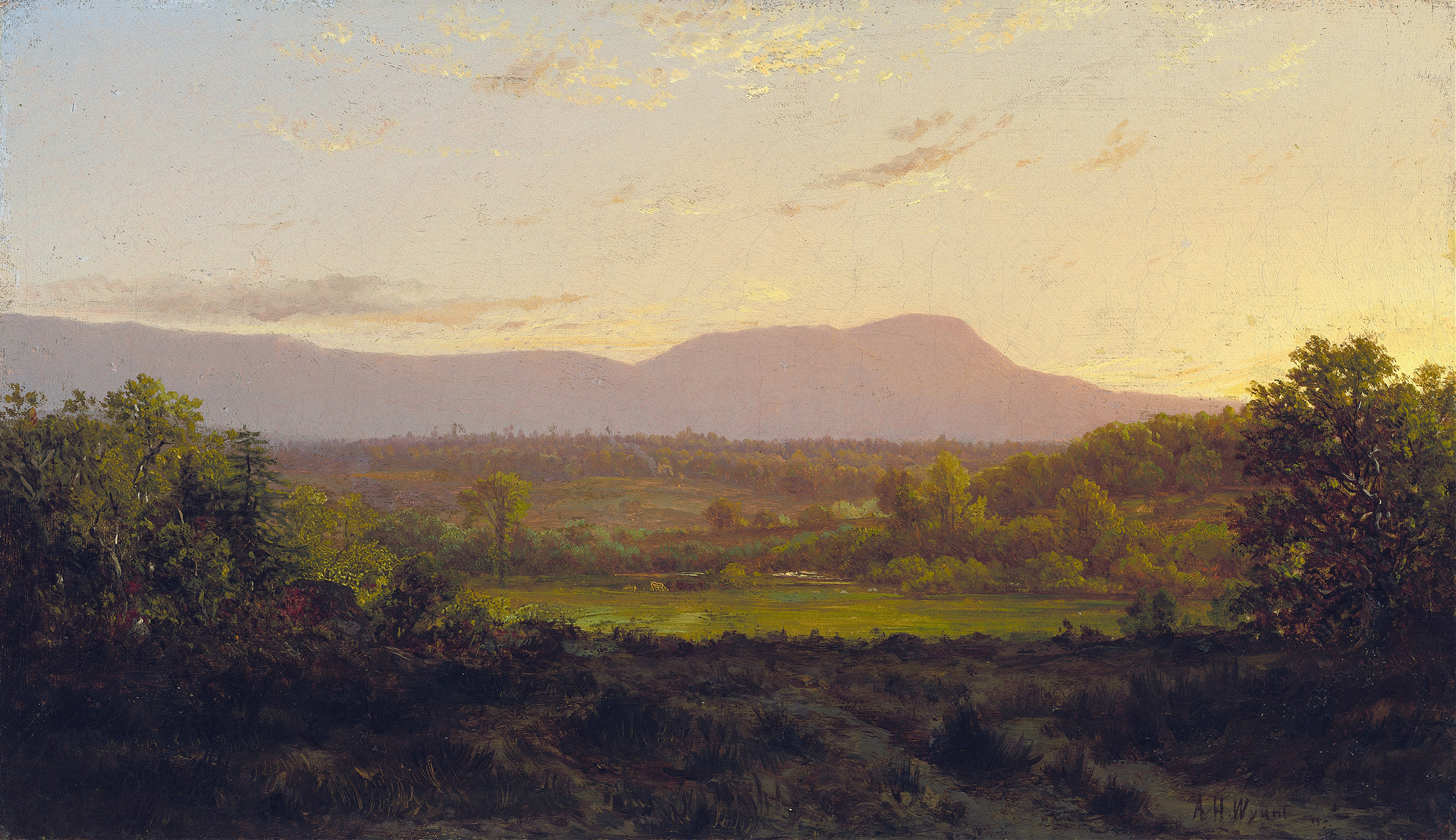
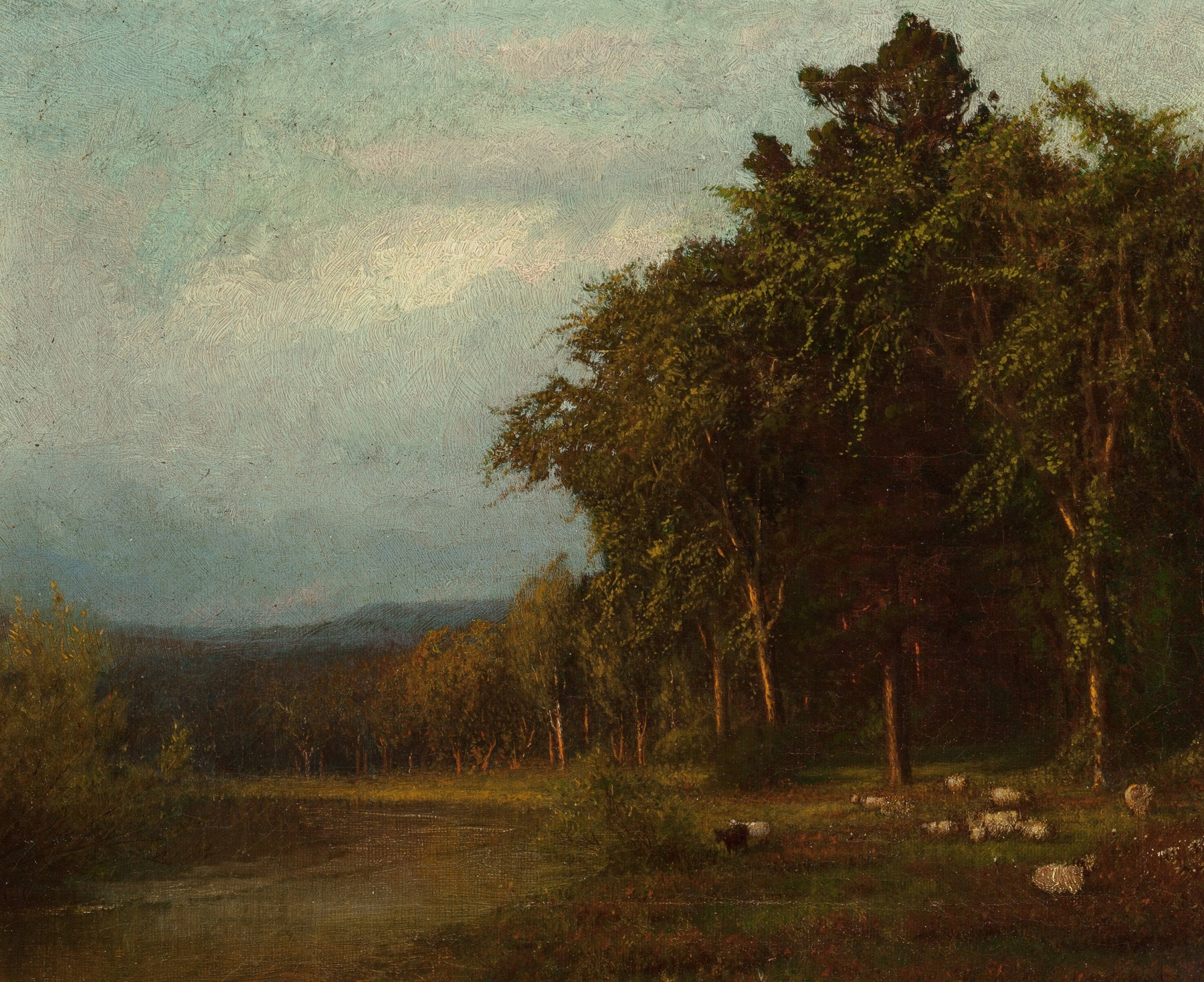
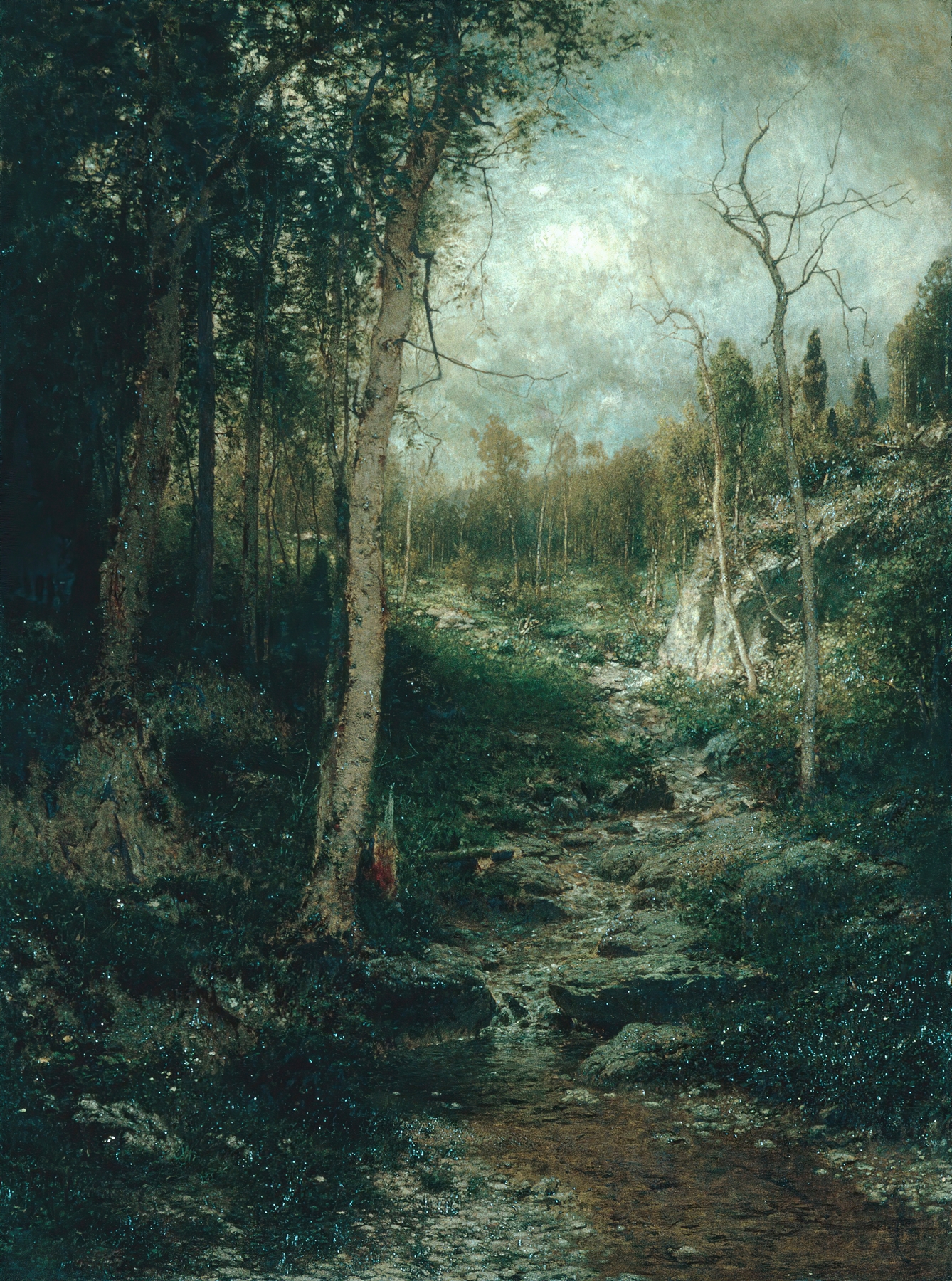
“Between color and silence, truth hides.” In the embrace of autumn's onset, an ethereal hush fills the air, a quiet promise lingering between the golden hues of fading summer and the somber tones of winter. It’s a moment suspended in time, where the vibrant world softly exhales its warmth, leaving behind the tender residue of hope and reflection. Look to the left at the delicate play of light cascading through the amber leaves, each brushstroke capturing the fleeting essence of the season. The verdant greens yield gracefully to burnt oranges and warm browns, creating a rich tapestry that envelops the scene.
Notice how the trees, tall and stoic, lean slightly towards one another, as if sharing intimate whispers while the gentle breeze stirs the fallen leaves at their feet. The composition guides the eye across the canvas, inviting you to savor each detail of this serene, transitional landscape. Within this landscape lies a dichotomy of emotions; the juxtaposition of summer's bounty and the quiet foreboding of winter evokes a poignant sense of nostalgia. The soft, diffused light not only illuminates the landscape but also highlights the beauty in impermanence—each falling leaf serves as a reminder of life’s cycles.
The sheer tranquility of the scene, coupled with the quiet surrender of nature, conveys an underlying sense of hope—a belief in renewal that follows every ending. Created between 1880 and 1892, this work reflects Alexander Helwig Wyant's exploration of the American landscape during a period when artists were increasingly drawn to the immediacy of nature. Working in a time marked by the rise of the Hudson River School and its focus on American themes, Wyant's intimate portrayal of seasonal change captures both the simplicity and complexity of the world around him, projecting an unspoken dialogue of loss and hope that resonates even today.