
Engelen houden de vier winden tegen — History & Facts
Four winged angels, each gripping a long staff or sword, stand in the foreground beneath a fruit-laden tree, their bodies turned in different directions as if bracing themselves against invisible forces. Their faces are grave and intent, with curly hair and flowing robes rendered in intricate lines and dense hatching. Above them, another angel swoops through the sky, holding back the corner of a billowing sheet or banner, while swirling clouds and gusts of wind fill the upper part of the composition.
In the top corners, two faces blow gusts of wind from their mouths, their cheeks puffed and hair streaming, suggesting the elemental power being restrained. To the right, a large group of figures crowds together, their faces turned upward in awe or supplication, some kneeling, others standing, all closely packed and highly individualized. One angel among them holds a chalice, extending it toward the crowd as if offering a blessing or protection.
The landscape behind the figures is detailed with rolling hills, a winding path, and a distant mountain, all described with fine parallel lines and cross-hatching that create depth and texture. The light in the scene is suggested by the sharp contrasts of black and white, with the angels’ garments and the foliage of the tree catching the brightest highlights. The composition is tightly organized, with the vertical forms of the angels and tree anchoring the left side, while the crowd and landscape sweep across to the right.
Every surface is alive with detail, from the feathers of the angels’ wings to the expressive faces in the crowd and the swirling patterns of the clouds. The artist’s monogram, ‘AD’, appears at the bottom center, identifying the work as by Albrecht Dürer. The title Engelen houden de vier winden tegen describes the subject: angels holding back the four winds, a theme visible in the gestures of the angels and the stylized wind heads in the sky. The Rijksmuseum’s record confirms the attribution to Albrecht Dürer and provides the Dutch title for the scene.
The print’s dimensions, as noted by the Rijksmuseum, allow for the inclusion of numerous figures and elaborate detail within a single sheet.
Sources: Rijksmuseum, record RP-P-OB-1380
More Artworks by Albrecht Dürer

Melancholia
Albrecht Dürer

St. George and the dragon.
Albrecht Dürer
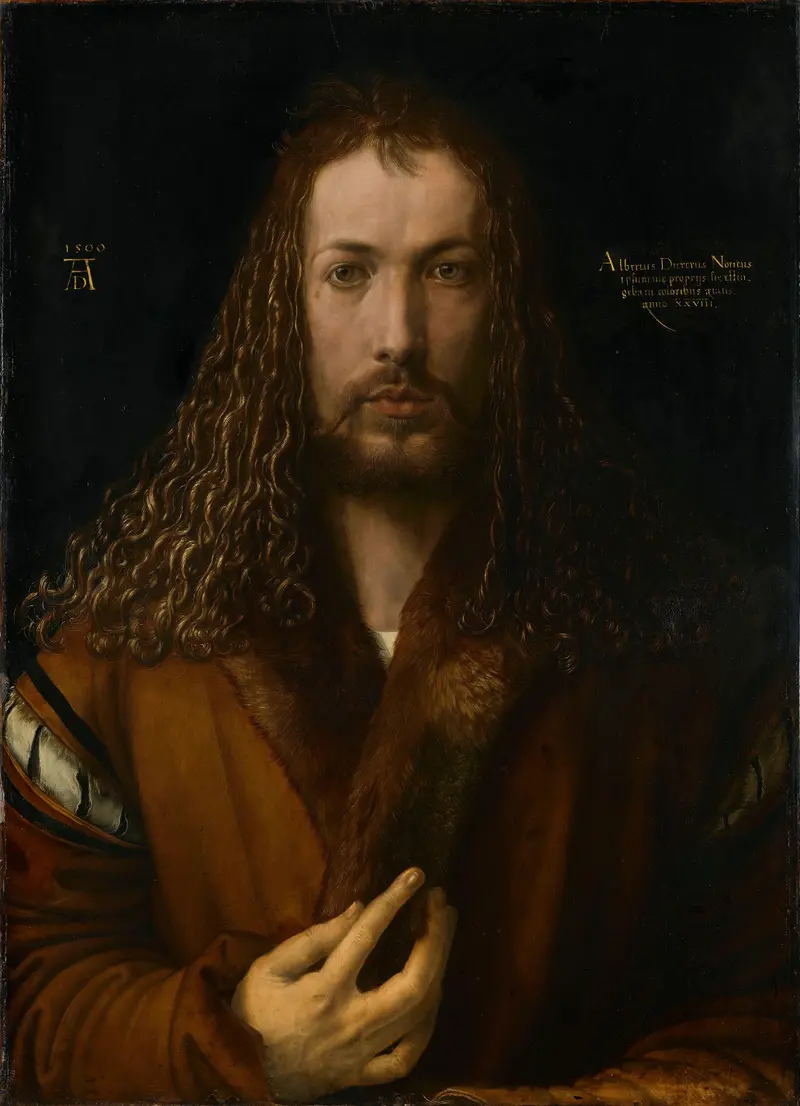
Self-Portrait with Fur-Trimmed Robe
Albrecht Dürer

Wing of a European Roller
Albrecht Dürer
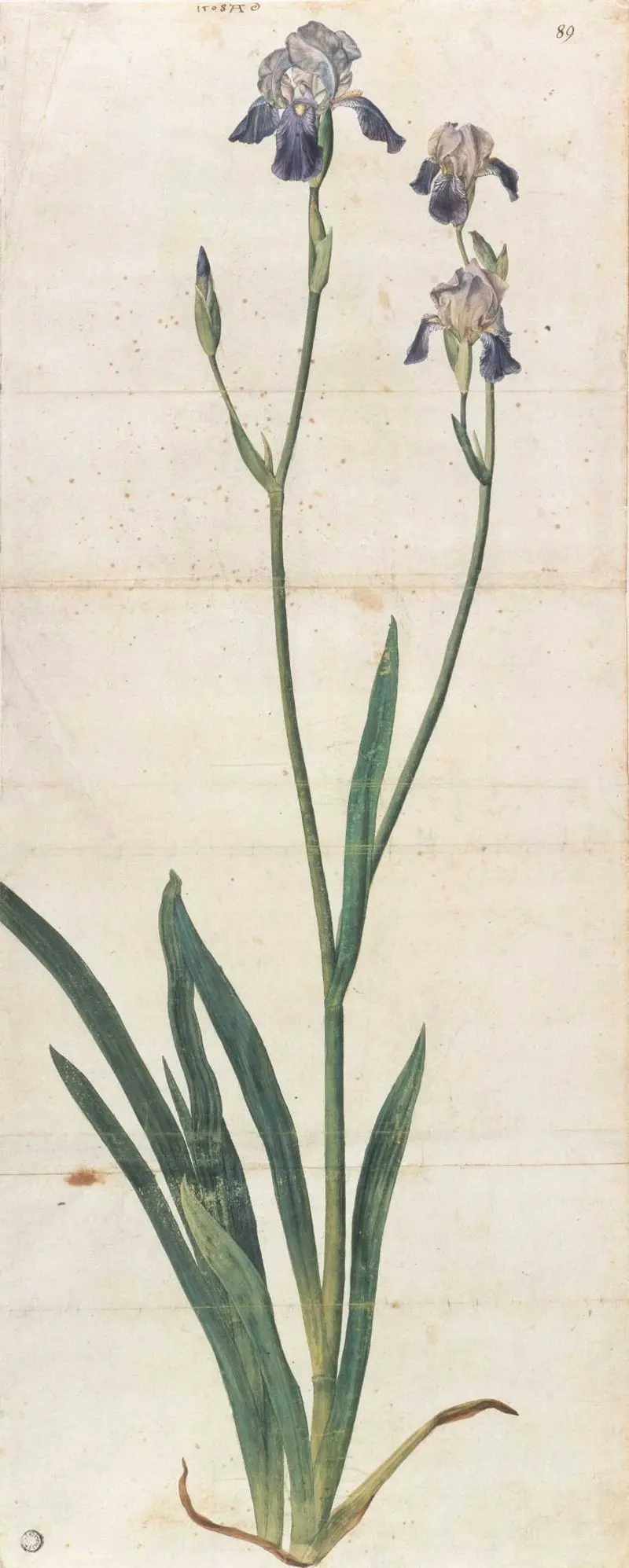
Iris
Albrecht Dürer
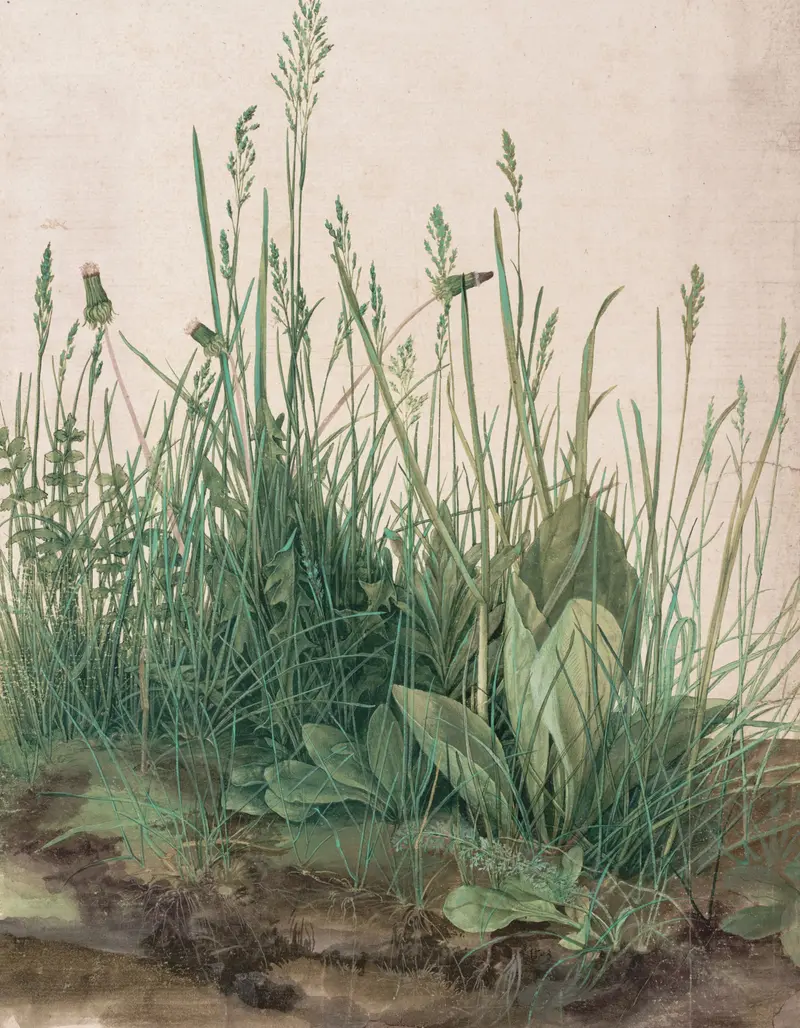
The Great Piece of Turf
Albrecht Dürer
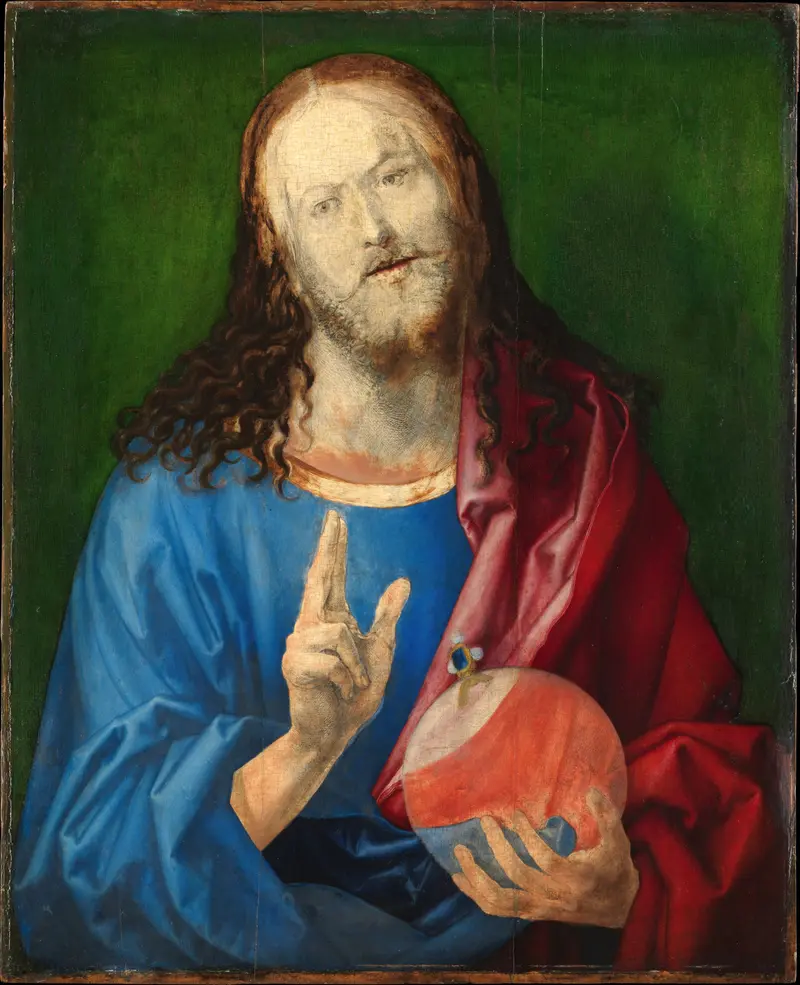
Salvator Mundi
Albrecht Dürer
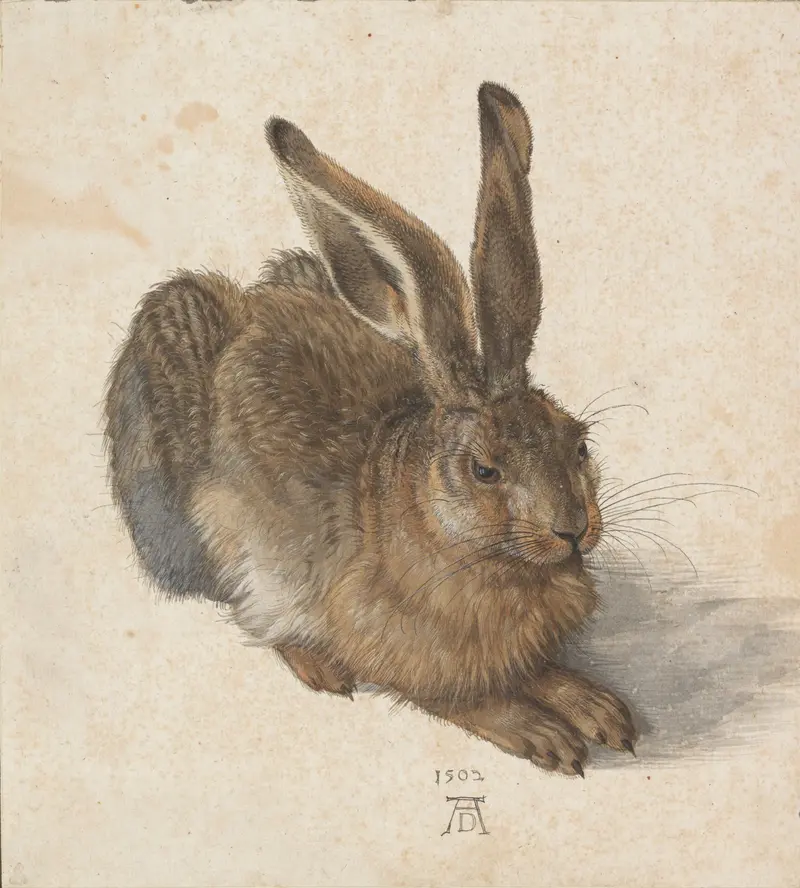
Young Hare
Albrecht Dürer
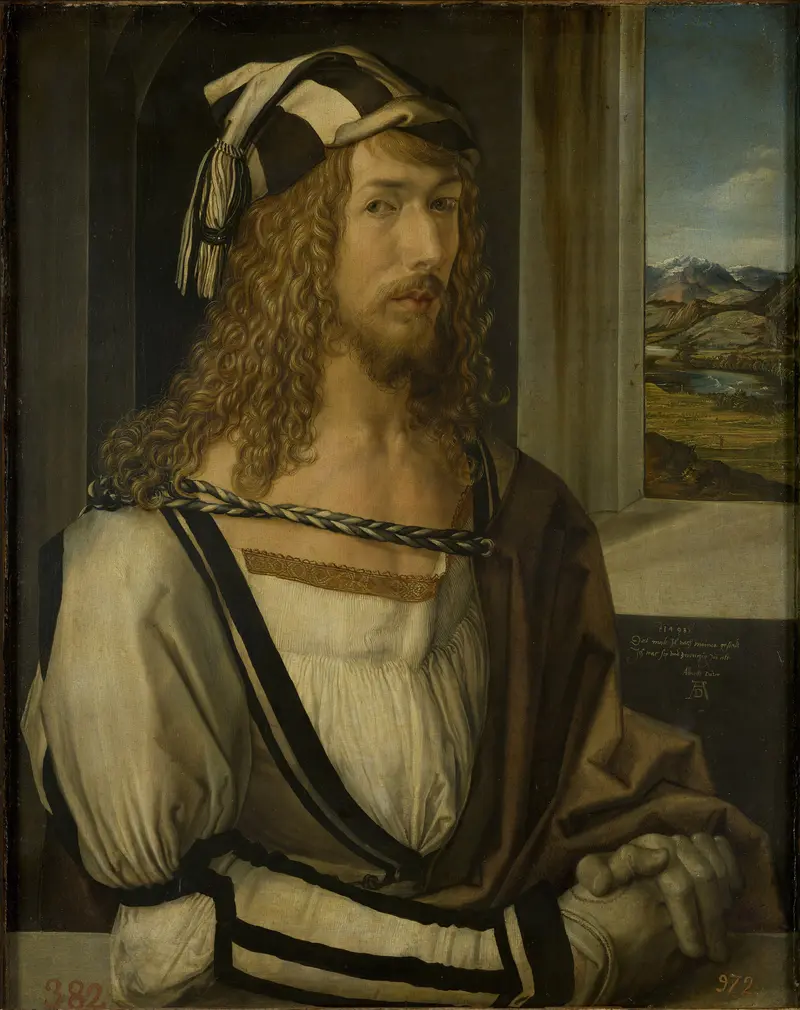
Self-portrait
Albrecht Dürer
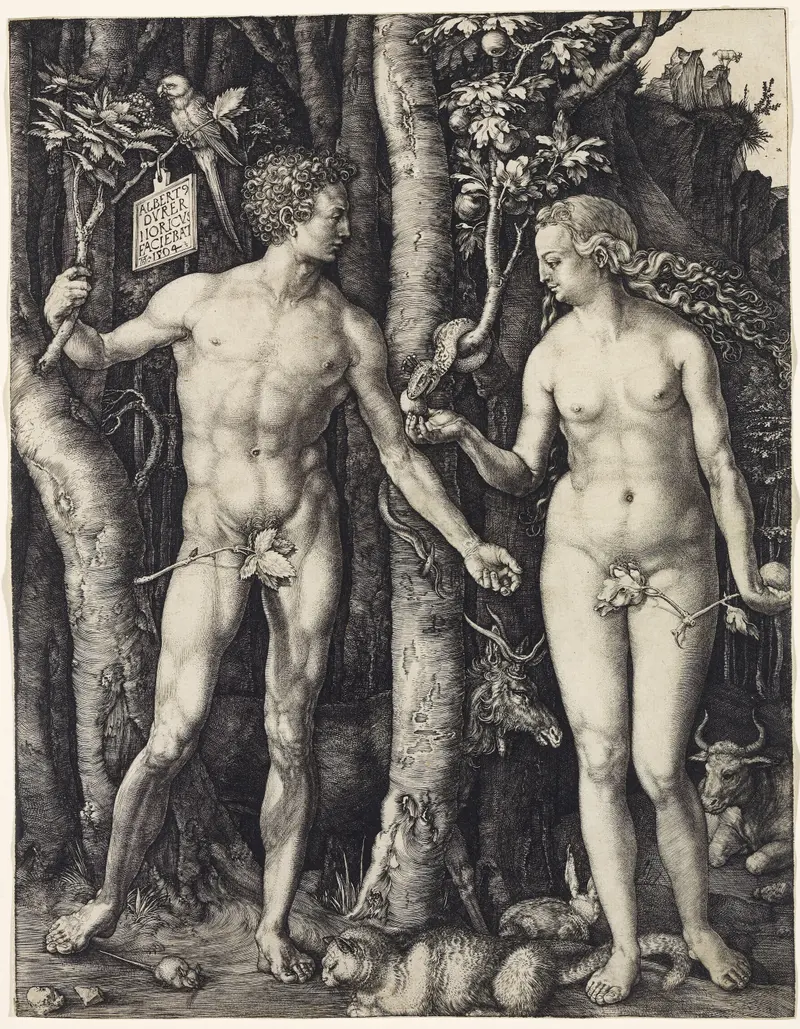
Adam and Eve (The Fall of Man)
Albrecht Dürer




