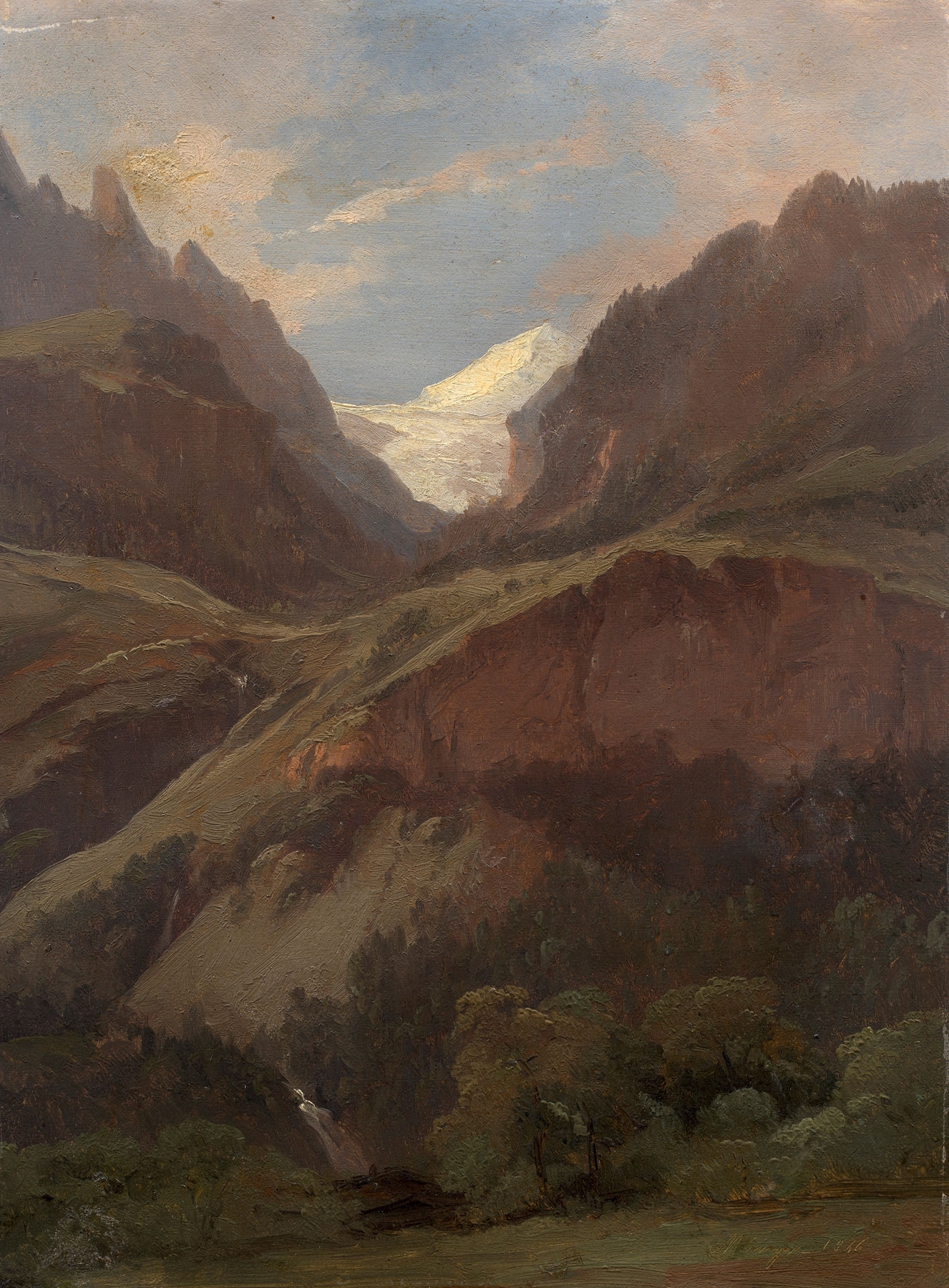
Entry to the Urbach Valley with Ritzlihorn — History & Analysis
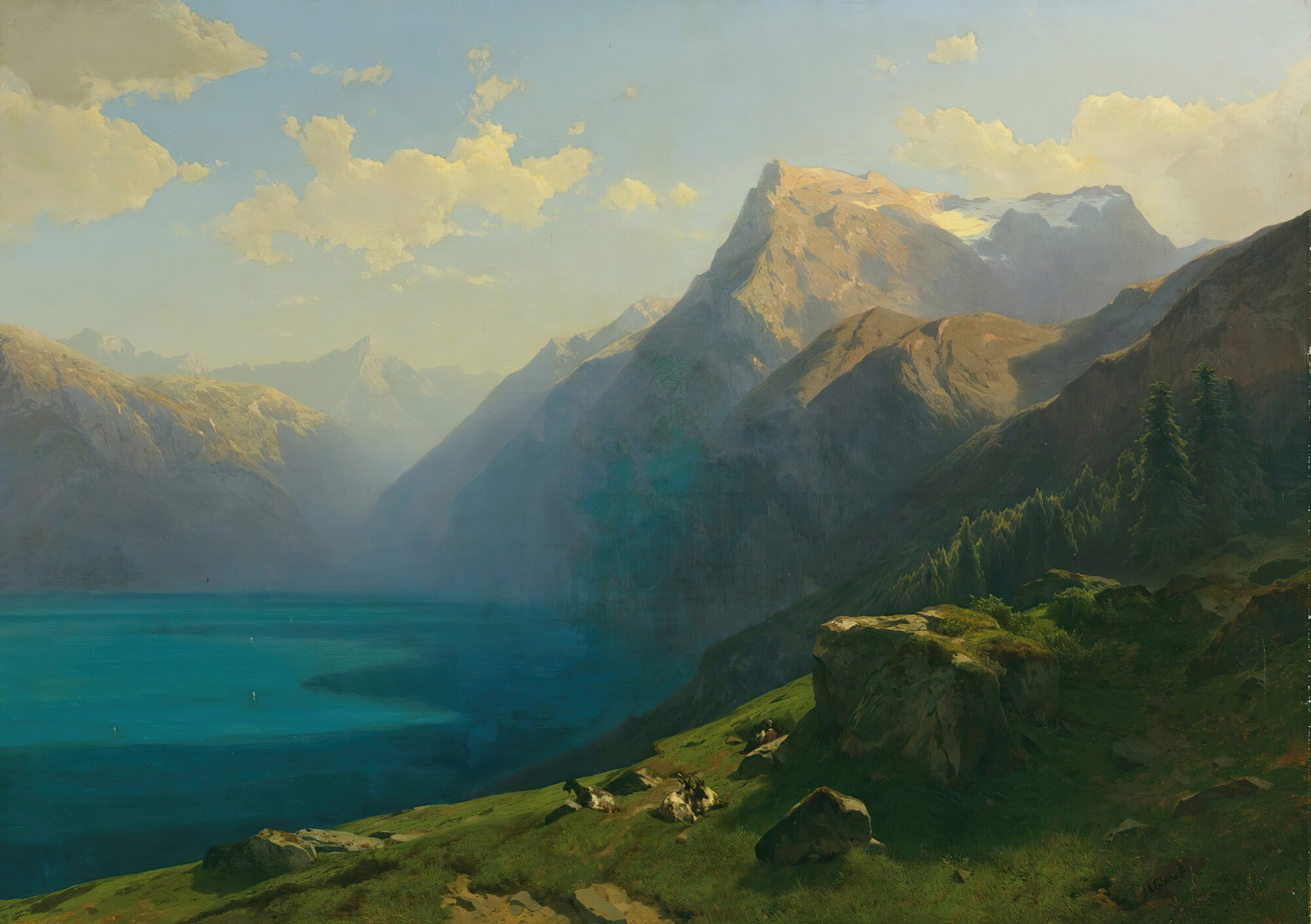
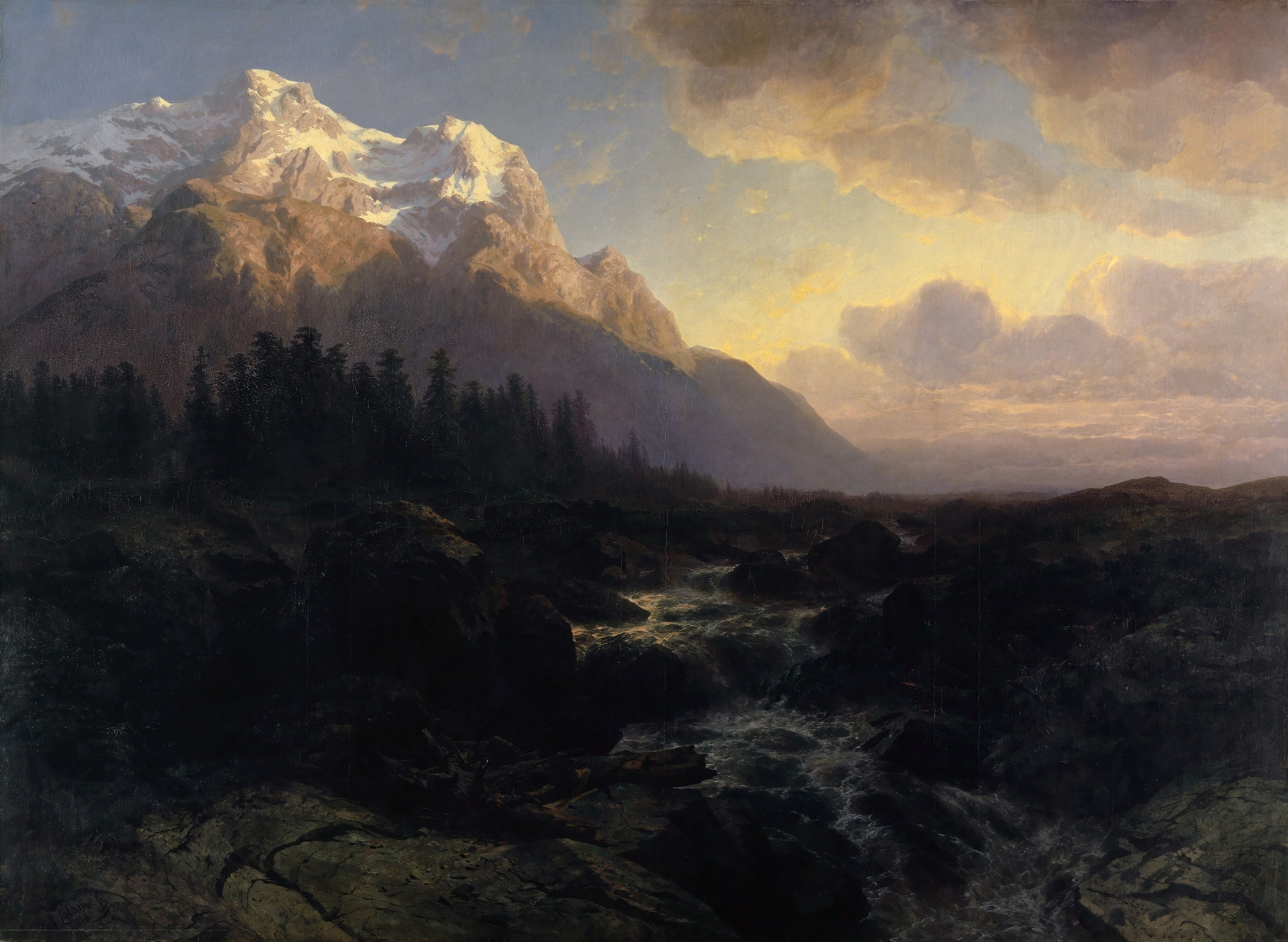
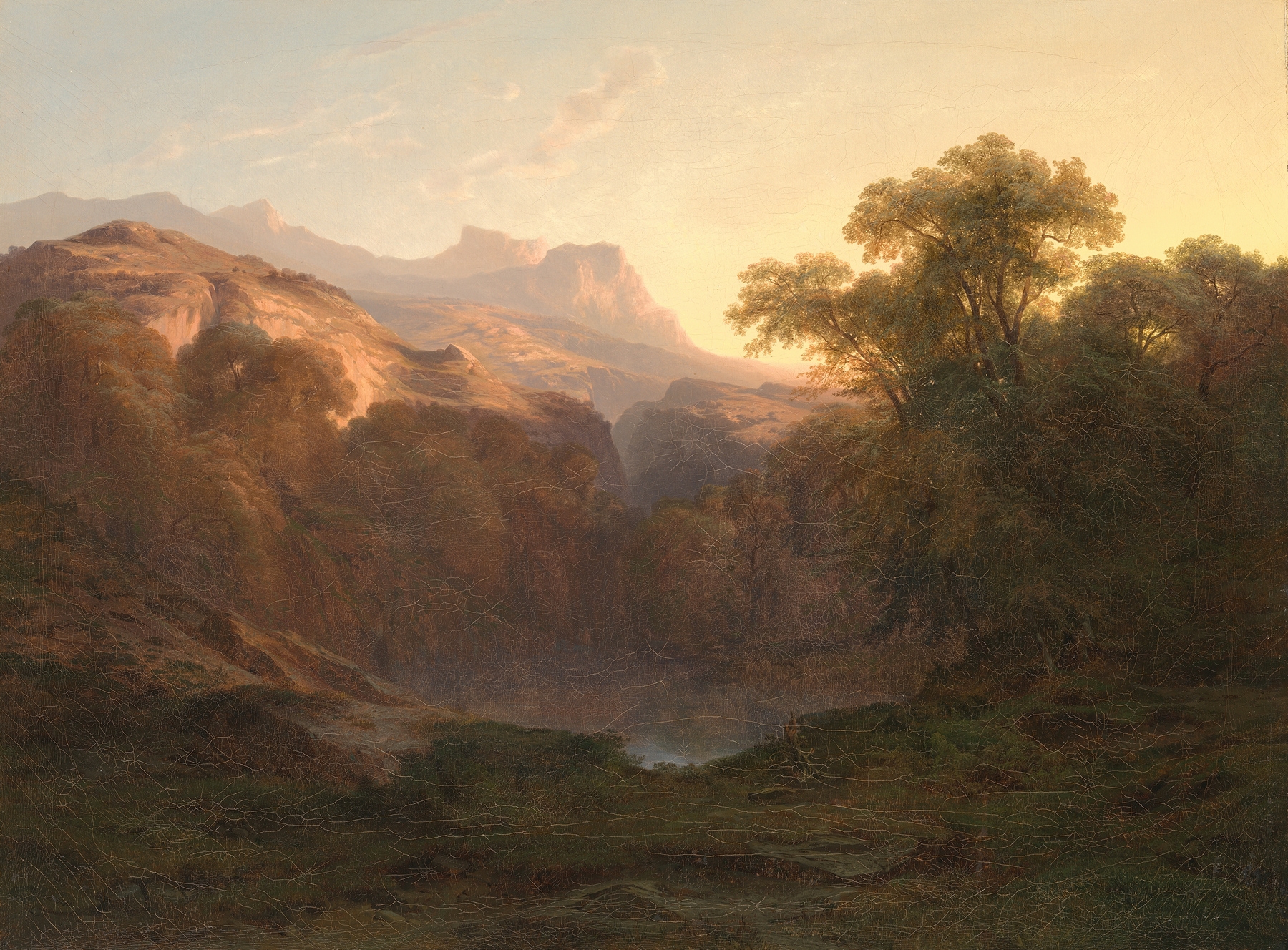
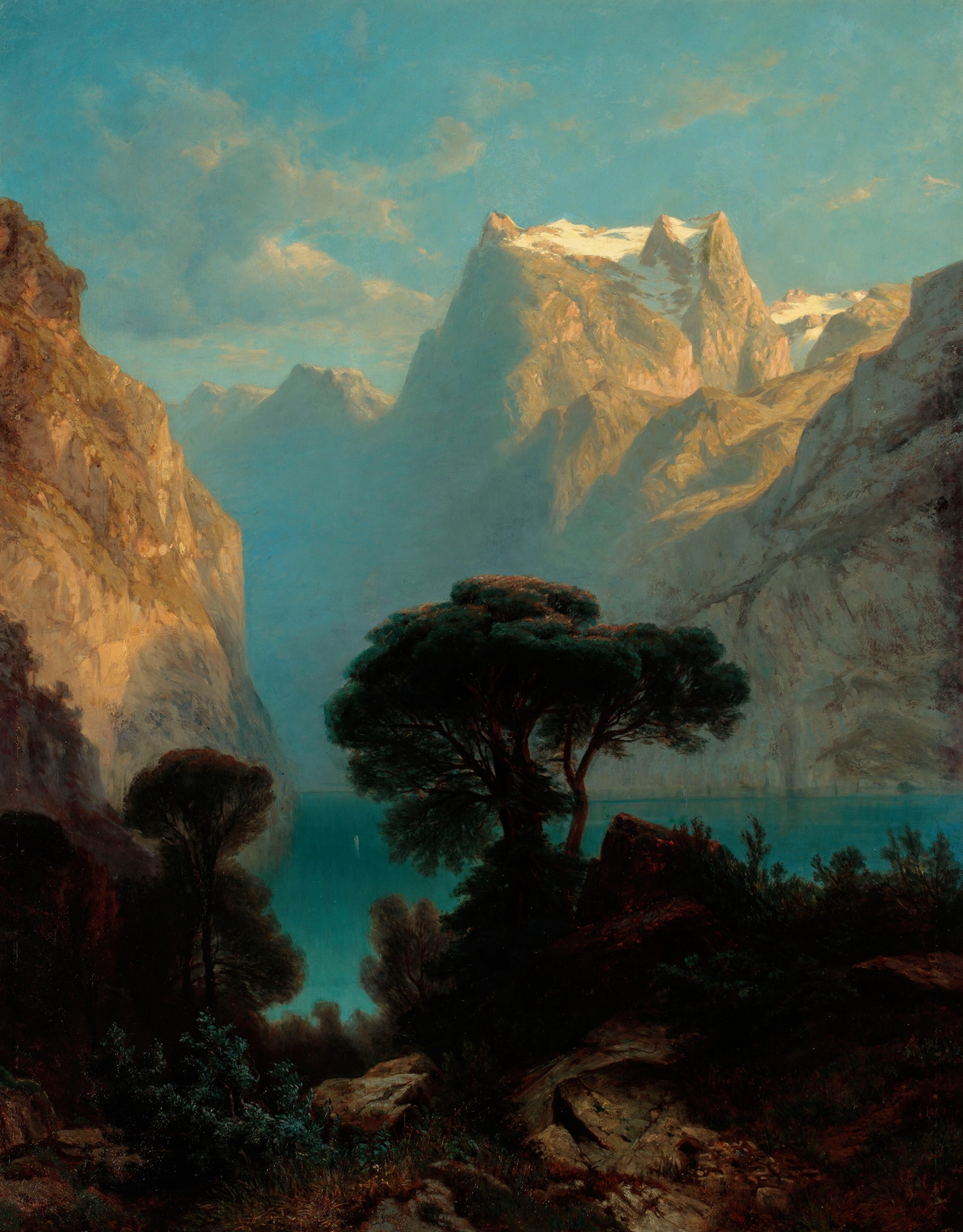
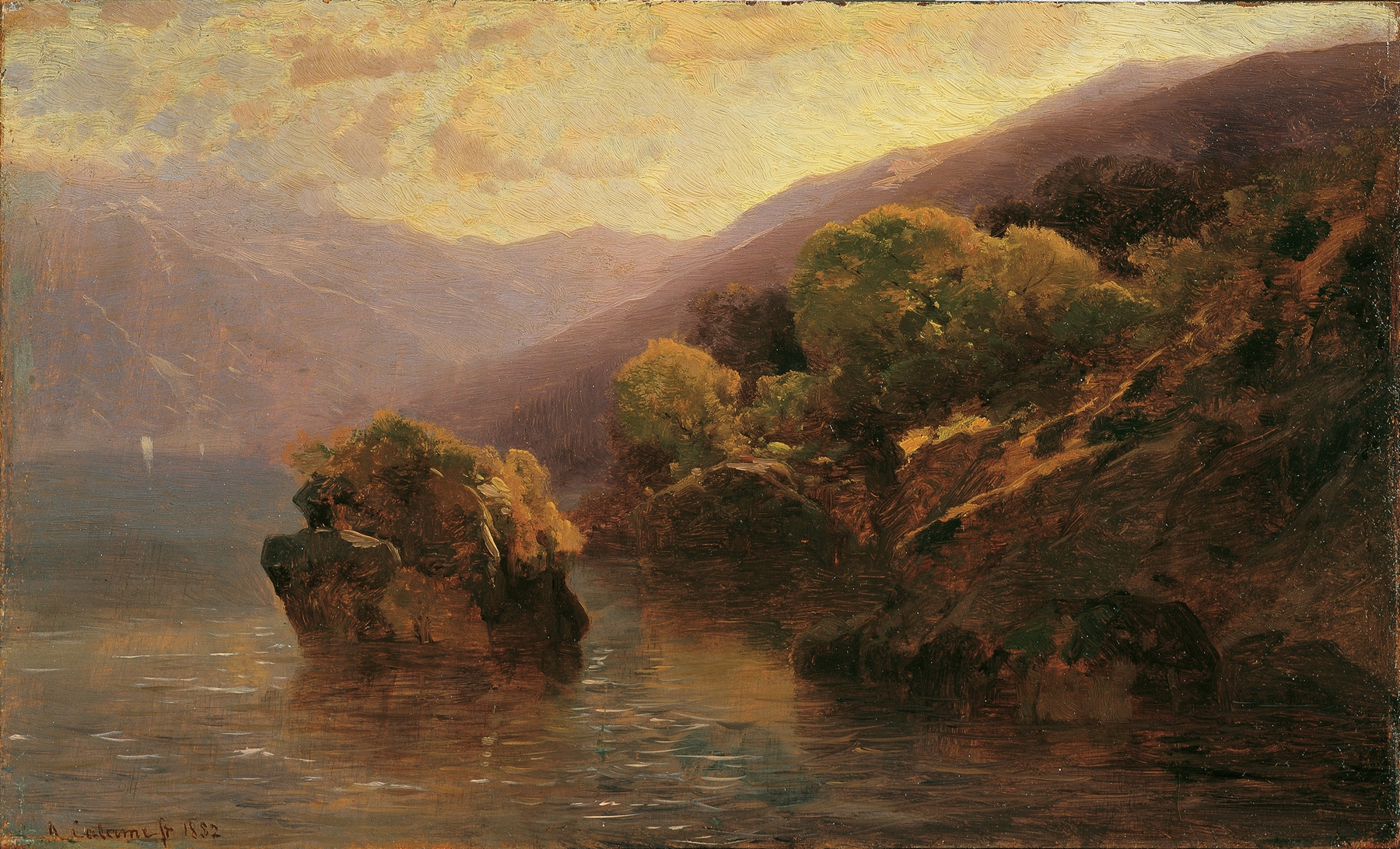
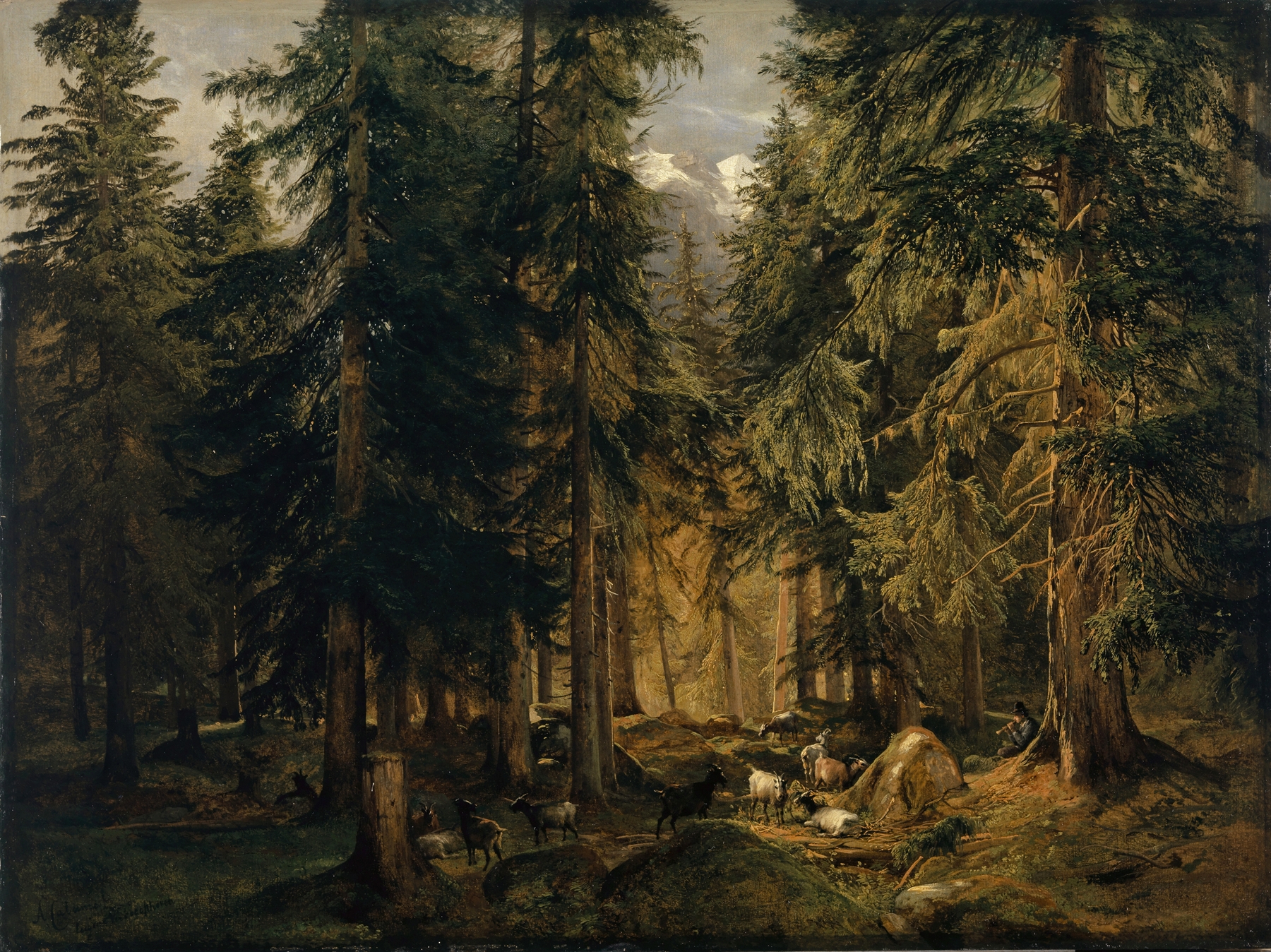
What if beauty was never meant to be finished? In the delicate brushstrokes of the canvas, where hues dance and collide, lies a testament to nature's ever-evolving splendor. Look to the left at the majestic peaks, their snow-capped summits gleaming with a soft, ethereal light. Notice how the vibrant greens of the valley below contrast starkly with the cool blues of the sky, creating an immersive landscape that invites exploration.
The artist’s technique captures the texture of the mountains and the gentle flow of the valley, inviting your gaze to wander through the undulating forms and varying depths of color, each layer revealing another facet of this breathtaking scene. Within the interplay of light and shadow, there exists a profound dialogue between stillness and movement. The serene valley below hints at the passage of time, while the distant mountains stand as silent witnesses, evoking feelings of solitude and reflection. Richer details emerge in the foliage, the subtle variations of green suggesting the vibrancy of life amidst the backdrop of permanence.
This contrast enhances the emotional weight of the piece, beckoning viewers to contemplate both the fleeting and enduring aspects of beauty. In 1840, the artist created this work while living in Switzerland, a period marked by a growing Romantic fascination with nature and its sublime qualities. The European art scene was increasingly turning towards landscape as a genre, reflecting a collective desire to reconnect with the natural world. Calame, deeply influenced by his surroundings, sought to capture the sublime beauty of the Alps, framing his own experiences within the landscape tradition that was burgeoning at the time.