Environs de Caen — History & Analysis
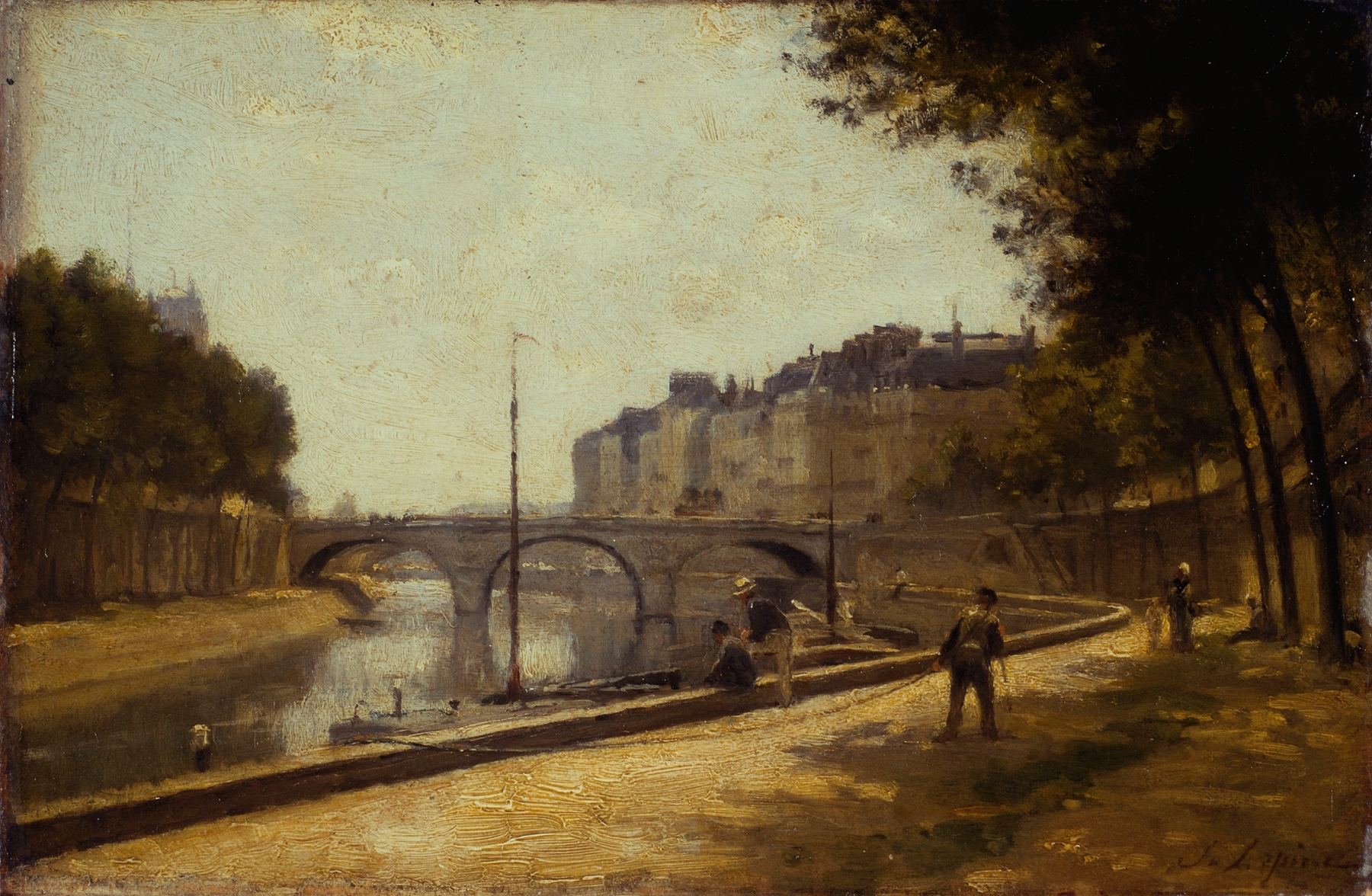
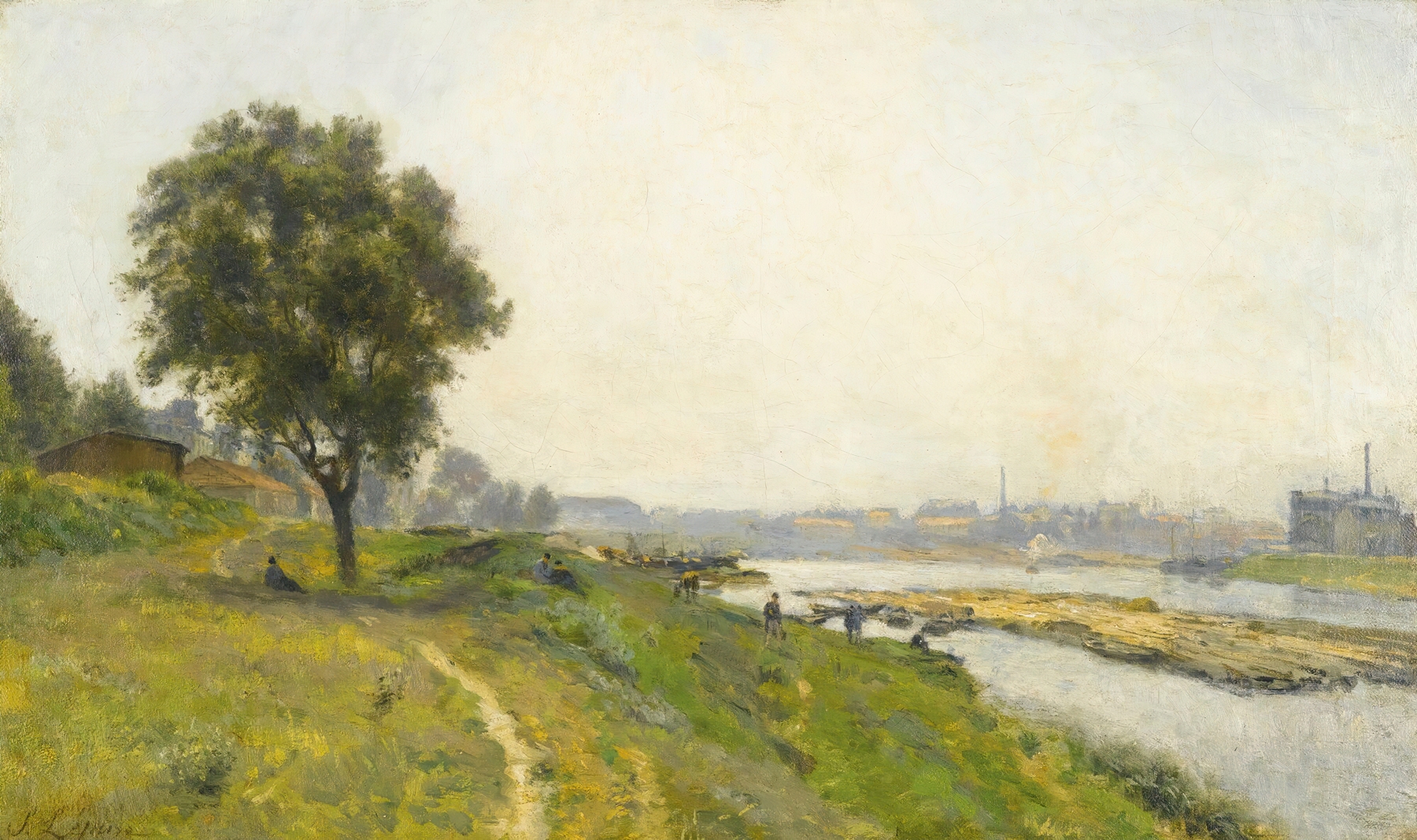
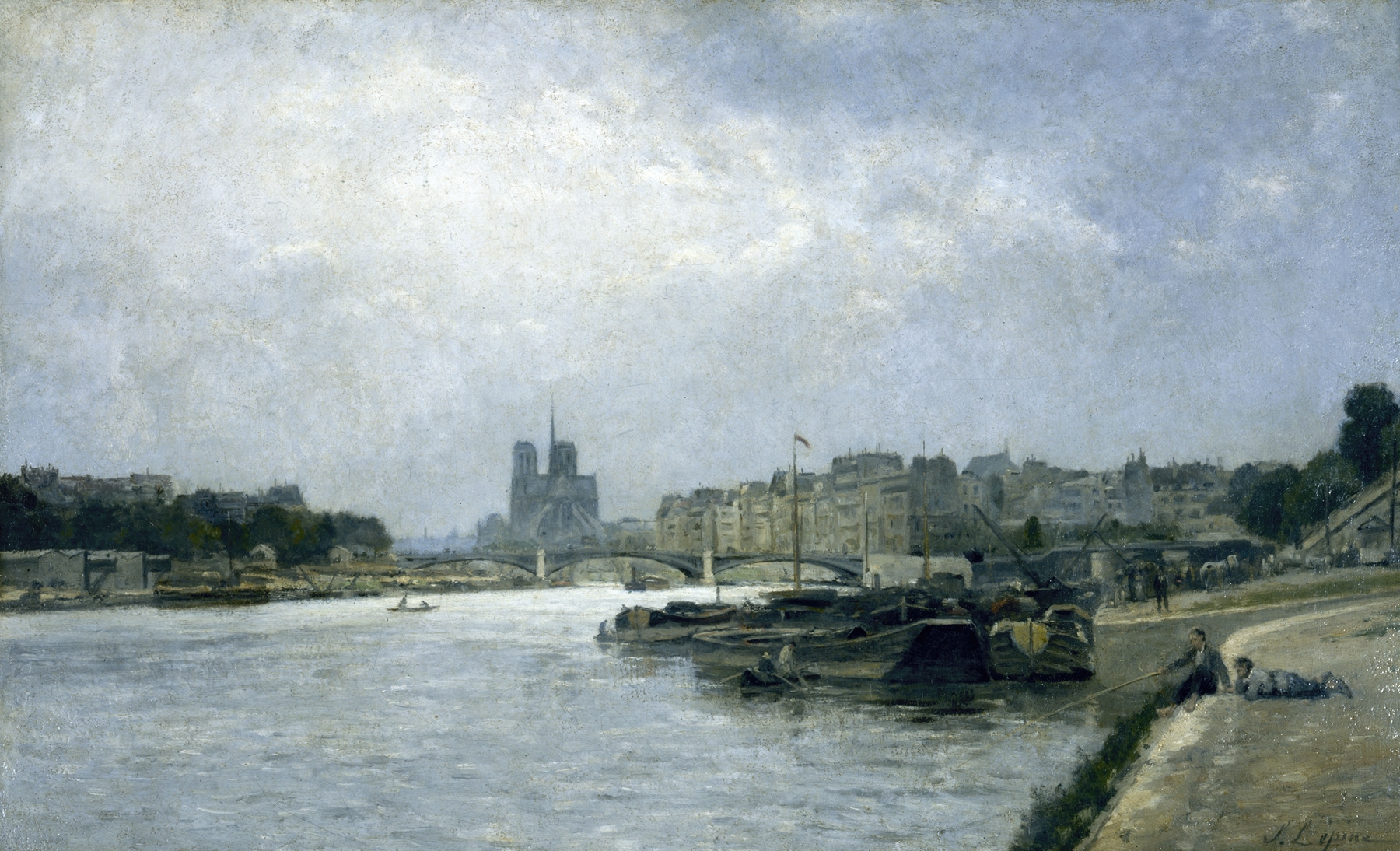
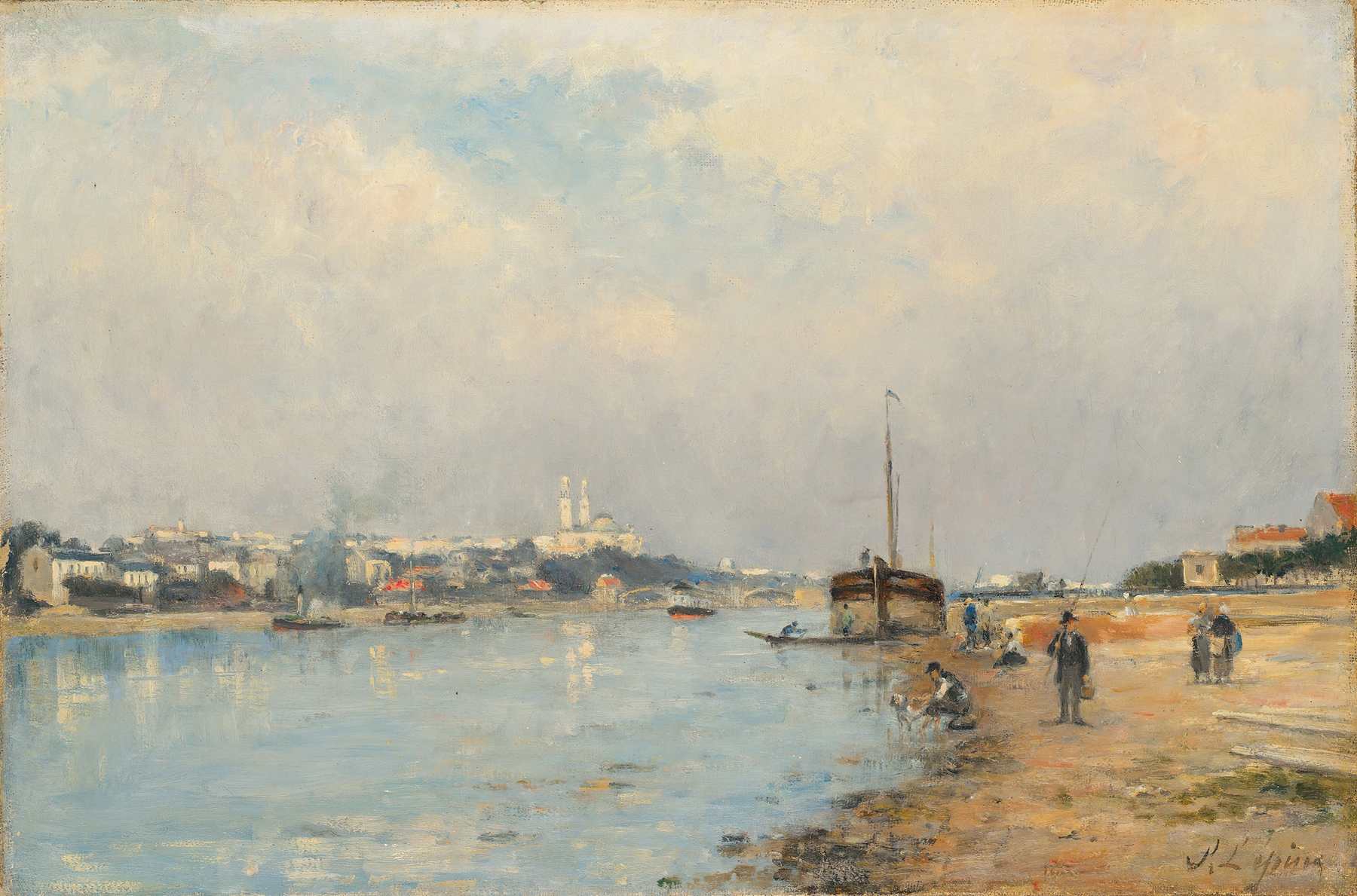
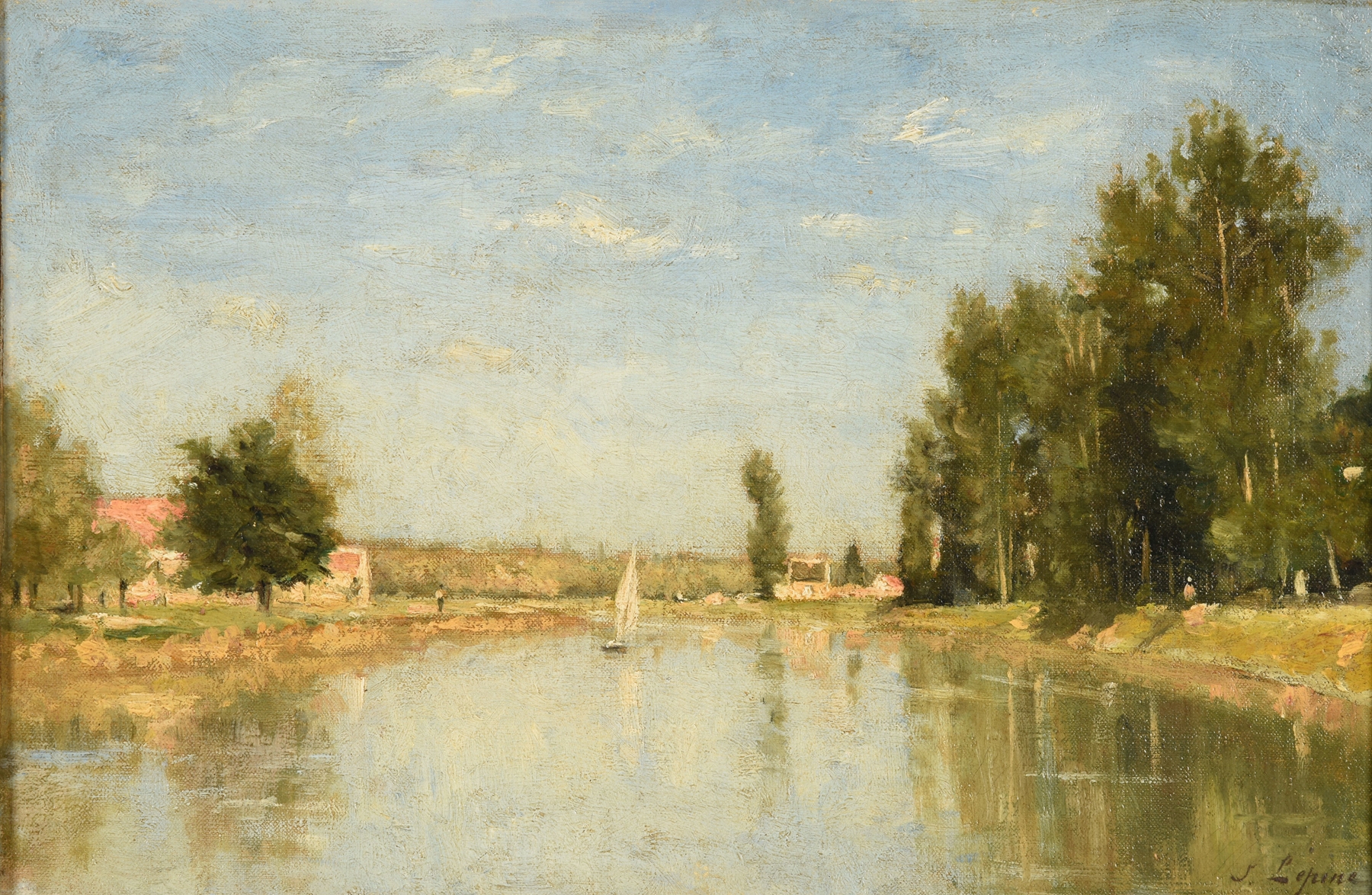
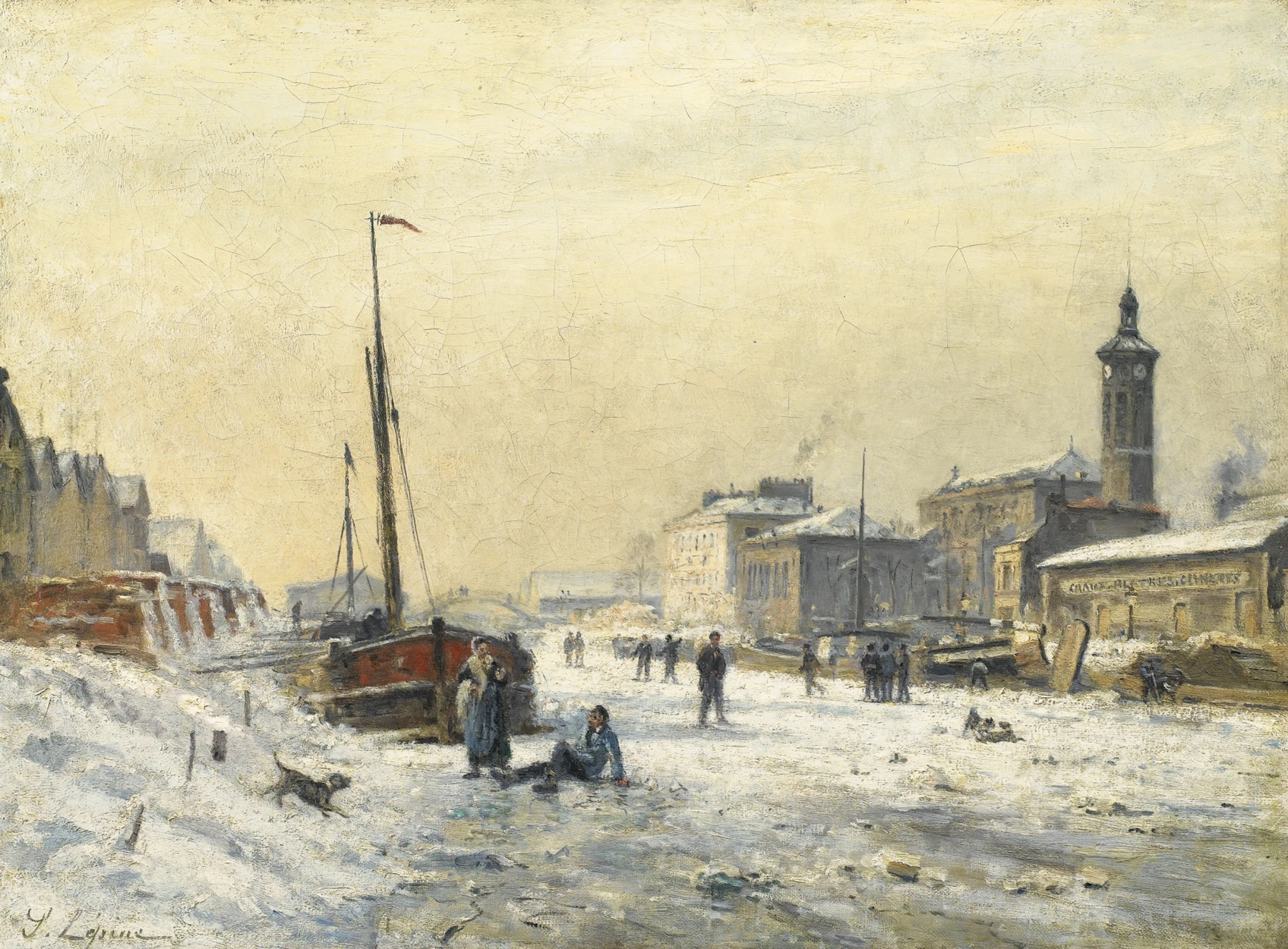
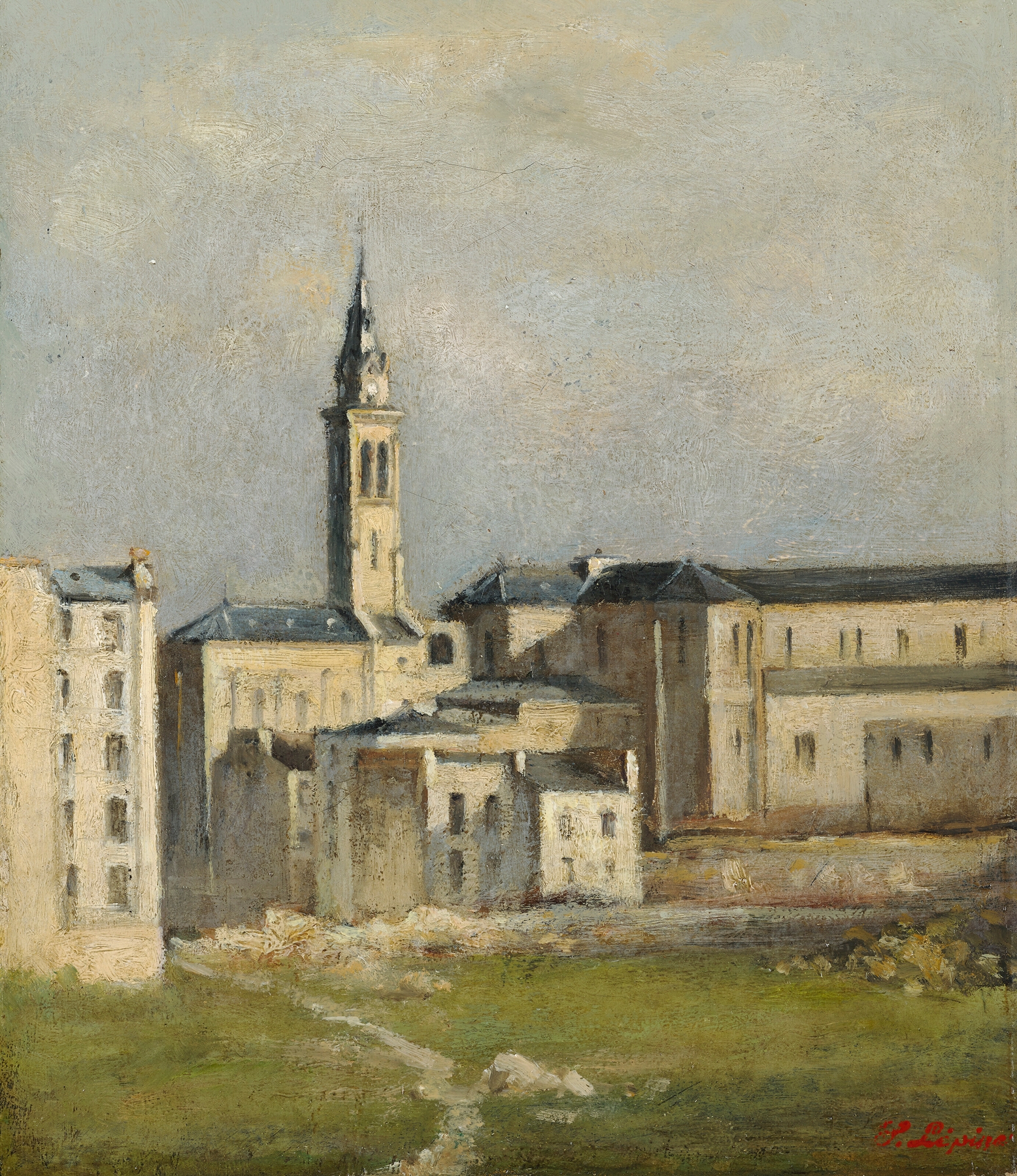
Did the painter know this moment would outlive them? In Environs de Caen, a fleeting glimpse of nature's quiet resilience speaks to a profound sense of loss and nostalgia, evoking the impermanence of life itself. Look to the foreground, where gentle strokes of green and brown depict the rolling fields surrounding Caen. The artist’s delicate brushwork captures the soft ripples of the landscape, inviting you to trace the winding path that leads the eye deeper into the scene. Notice how the light filters through the trees, casting dappled shadows across the ground, creating an interplay of light and dark that enhances the tranquil yet melancholic atmosphere.
The muted palette evokes a sense of wistfulness, drawing the viewer into this serene rural vista. Within this pastoral composition lies a profound contrast between the stillness of nature and the shadow of human absence. The absence of figures suggests a forgotten moment, perhaps a lost memory or a departure from a cherished place. Moreover, the gentle undulations of the land mirror the emotional turmoil of loss, as if the landscape itself mourns what once was.
Each brushstroke breathes life into the melancholy, reflecting the artist's understanding that beauty and transience exist hand in hand. Stanislas Lépine created this work in 1870 during a period marked by social upheaval in France, particularly the aftermath of the Franco-Prussian War. As he painted in the vicinity of Caen, Lépine grappled with the realities of shifting landscapes, both literal and figurative. His focus on the pastoral scenes of Normandy not only showcased the beauty of his homeland but also resonated with the collective grief of a nation in transition.