Estuary at Day’s End — History & Analysis
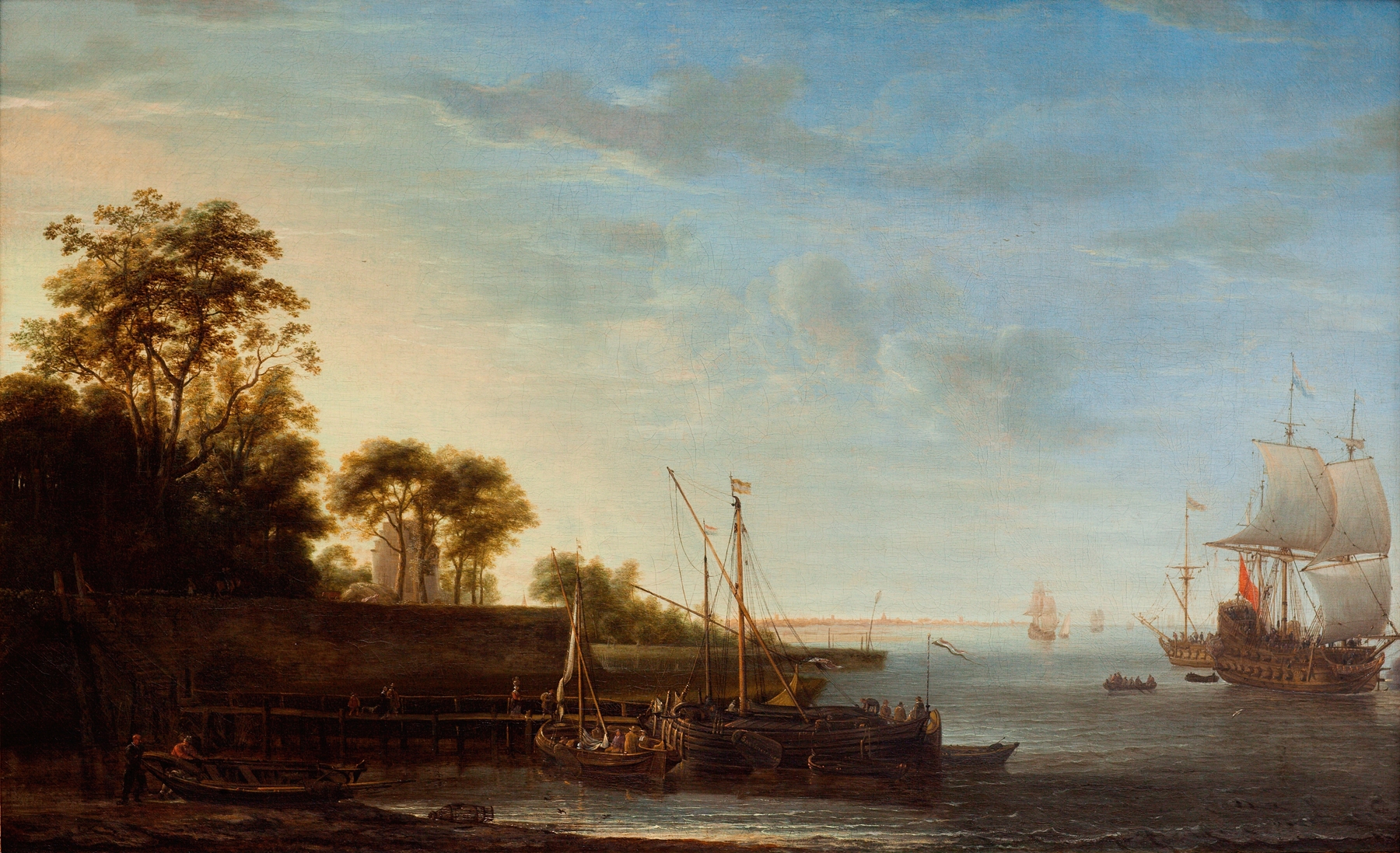
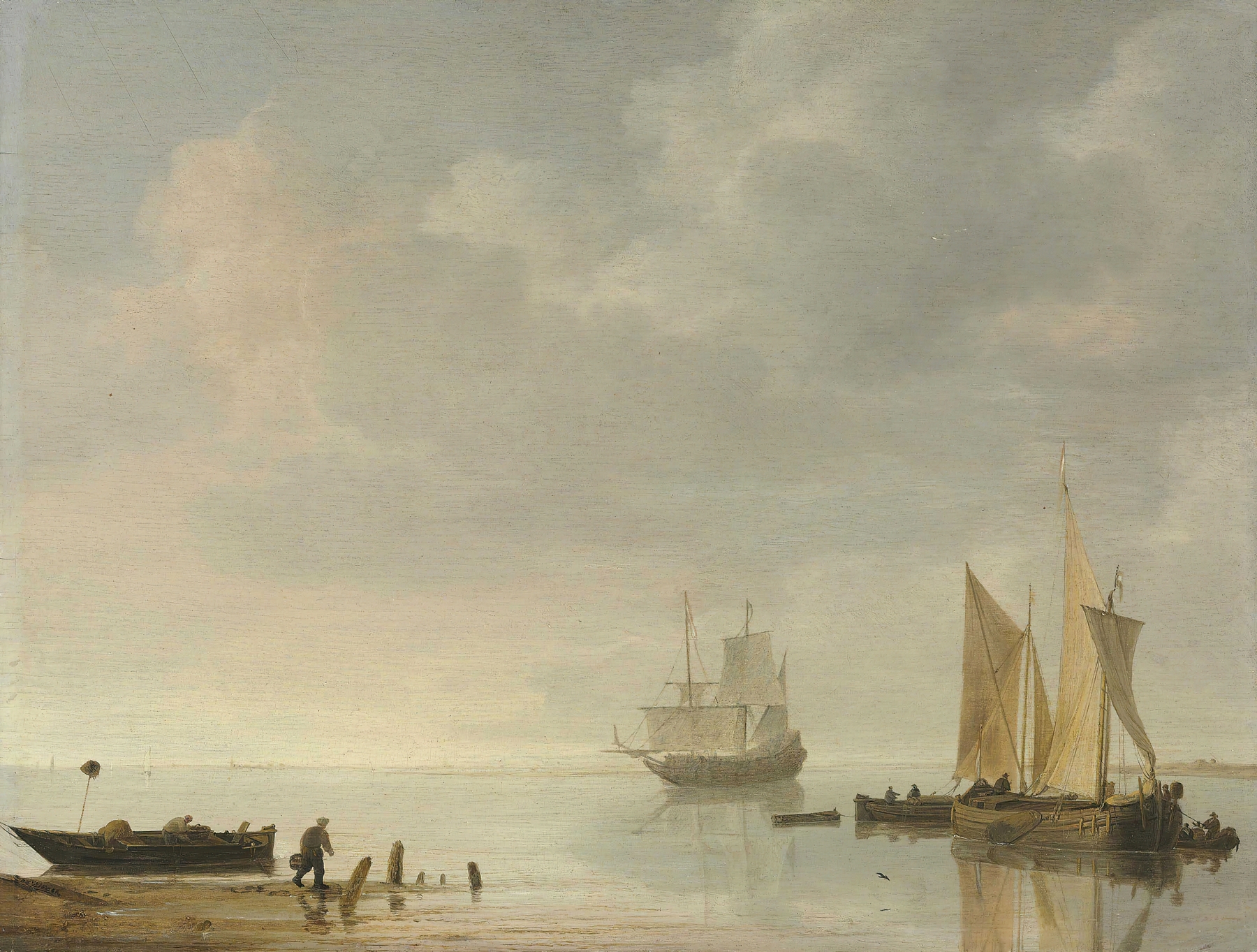
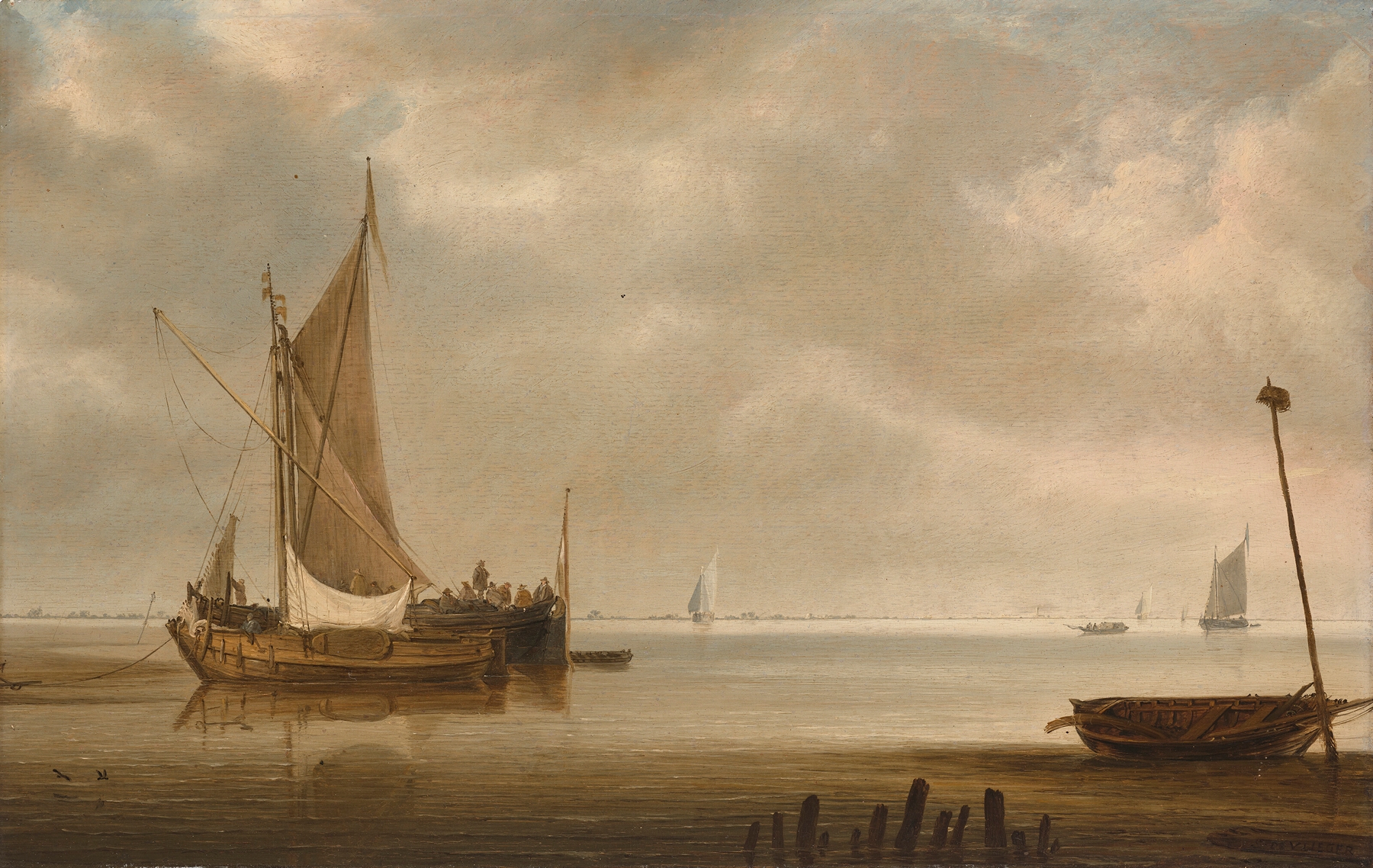
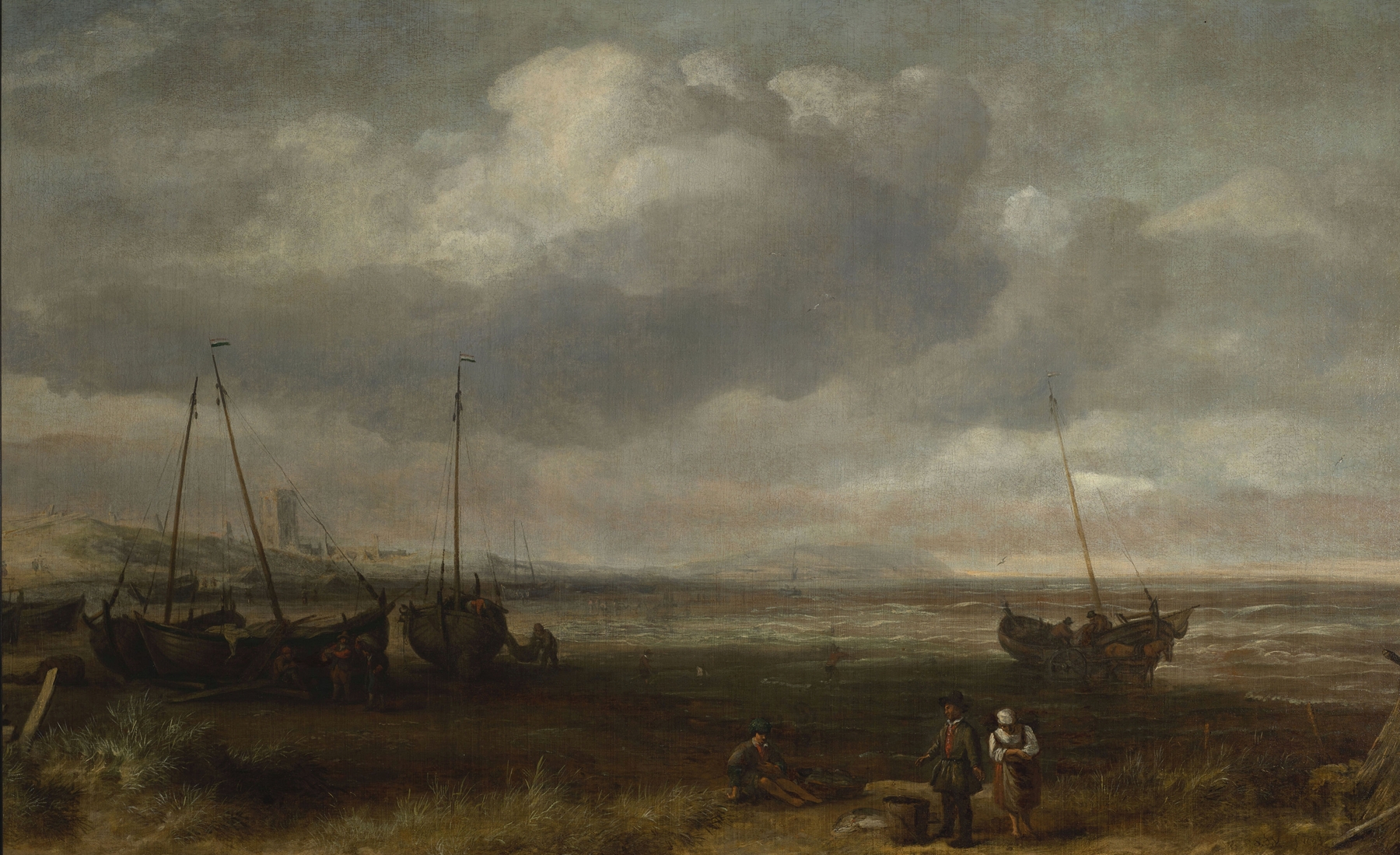
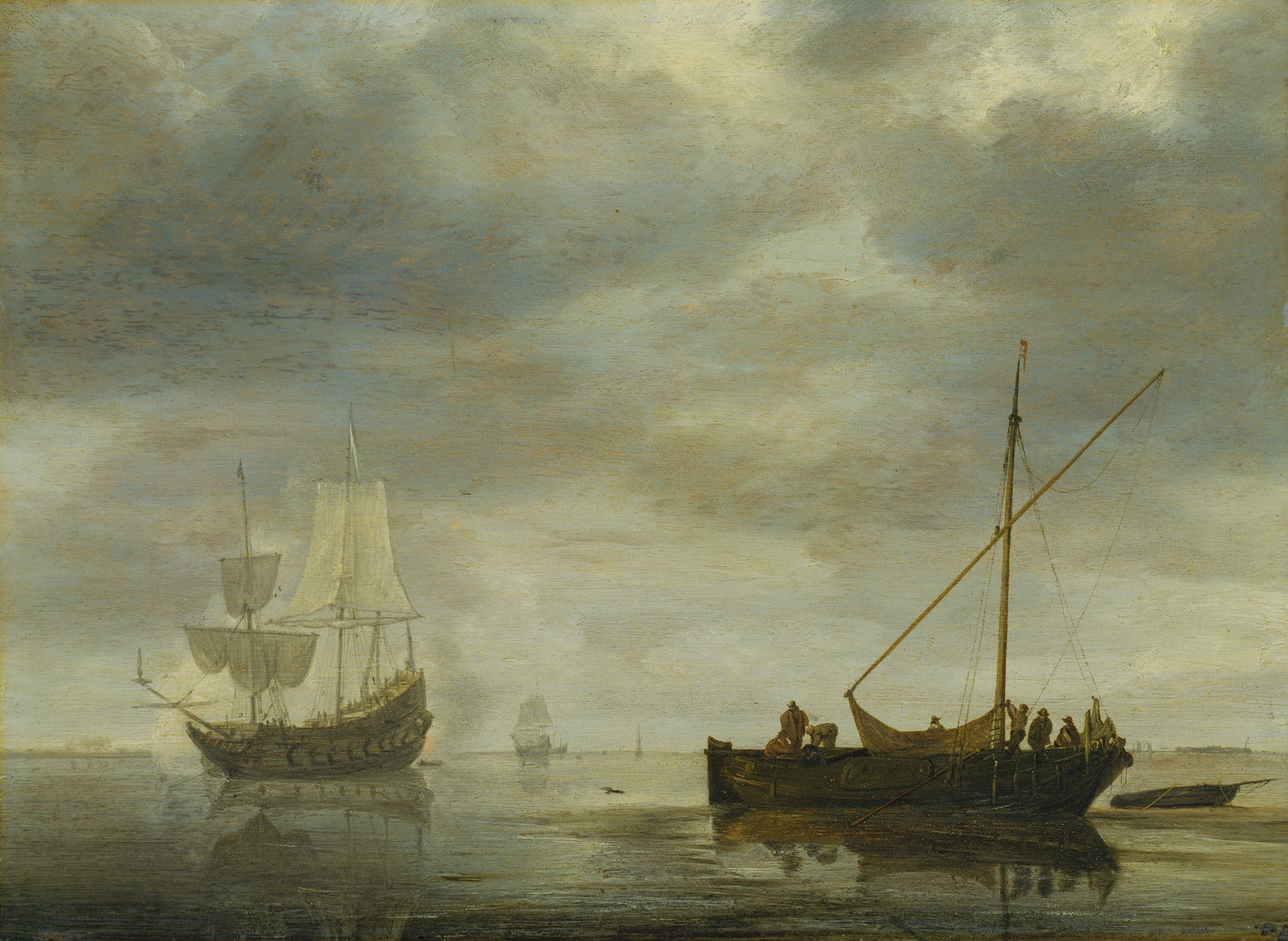
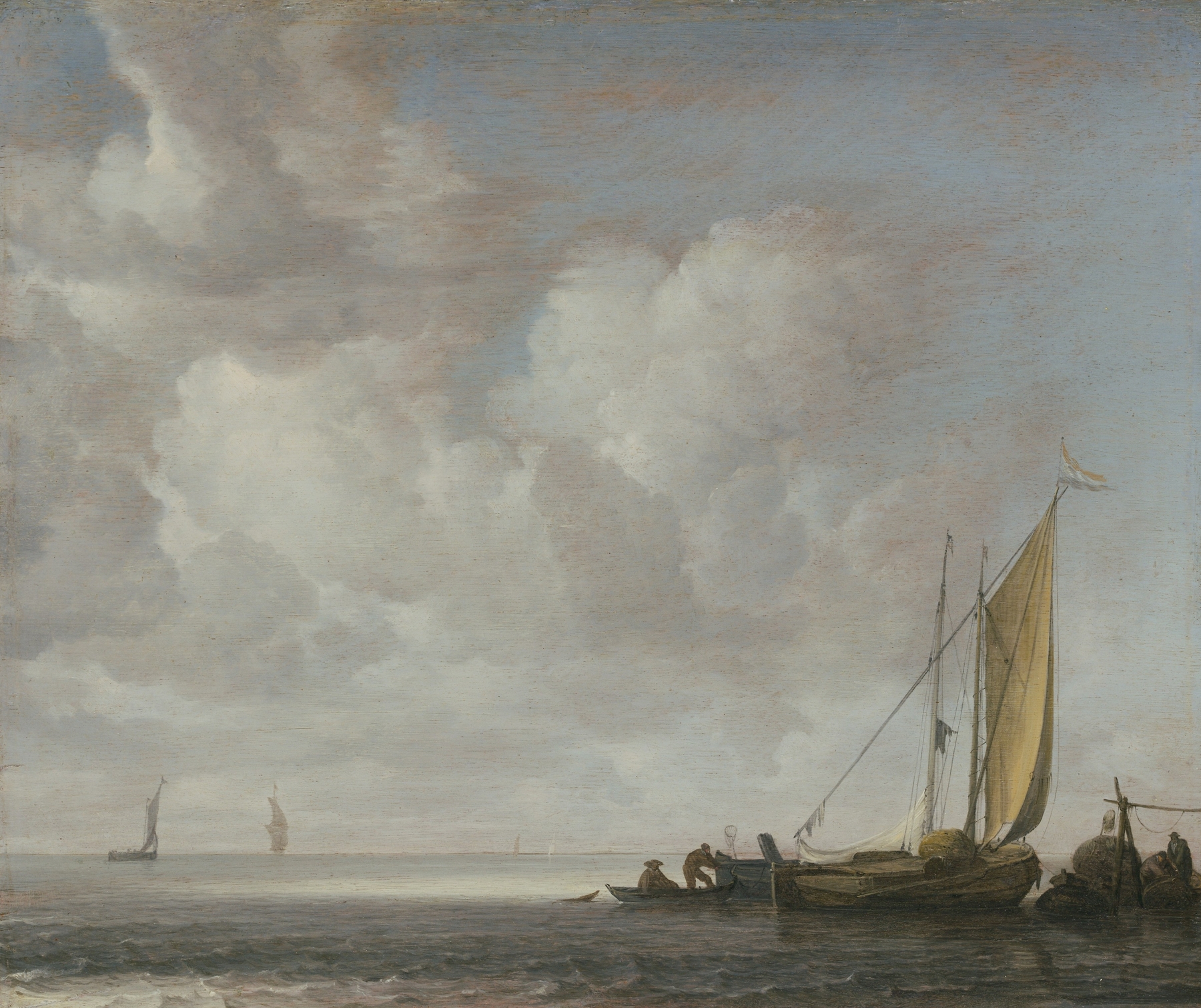
When did color learn to lie? In the delicate hues of fading daylight, nature whispers secrets that tread lightly upon the surface of reality, revealing both beauty and fragility. Look to the left at the soft wisps of clouds, their pastel shades merging seamlessly with the tranquil waters below, reflecting the soft embrace of twilight. Notice how the brushstrokes blend the blues and golds, creating a serene gradient that captures the fleeting moment between light and darkness.
The composition leads the eye across the estuary, where distant sails appear like ghosts on the horizon, hinting at the lives that traverse this peaceful yet transient scene. As the colors interact, a tension emerges: the stillness of the water contrasts with the impending night, evoking a sense of both calm and uncertainty. The gentle ripples disrupt the surface, hinting at the unseen forces beneath, while the fading light suggests an end—yet also the possibility of renewal. This duality captures the essence of life itself, urging viewers to reflect on the ephemeral beauty that surrounds us.
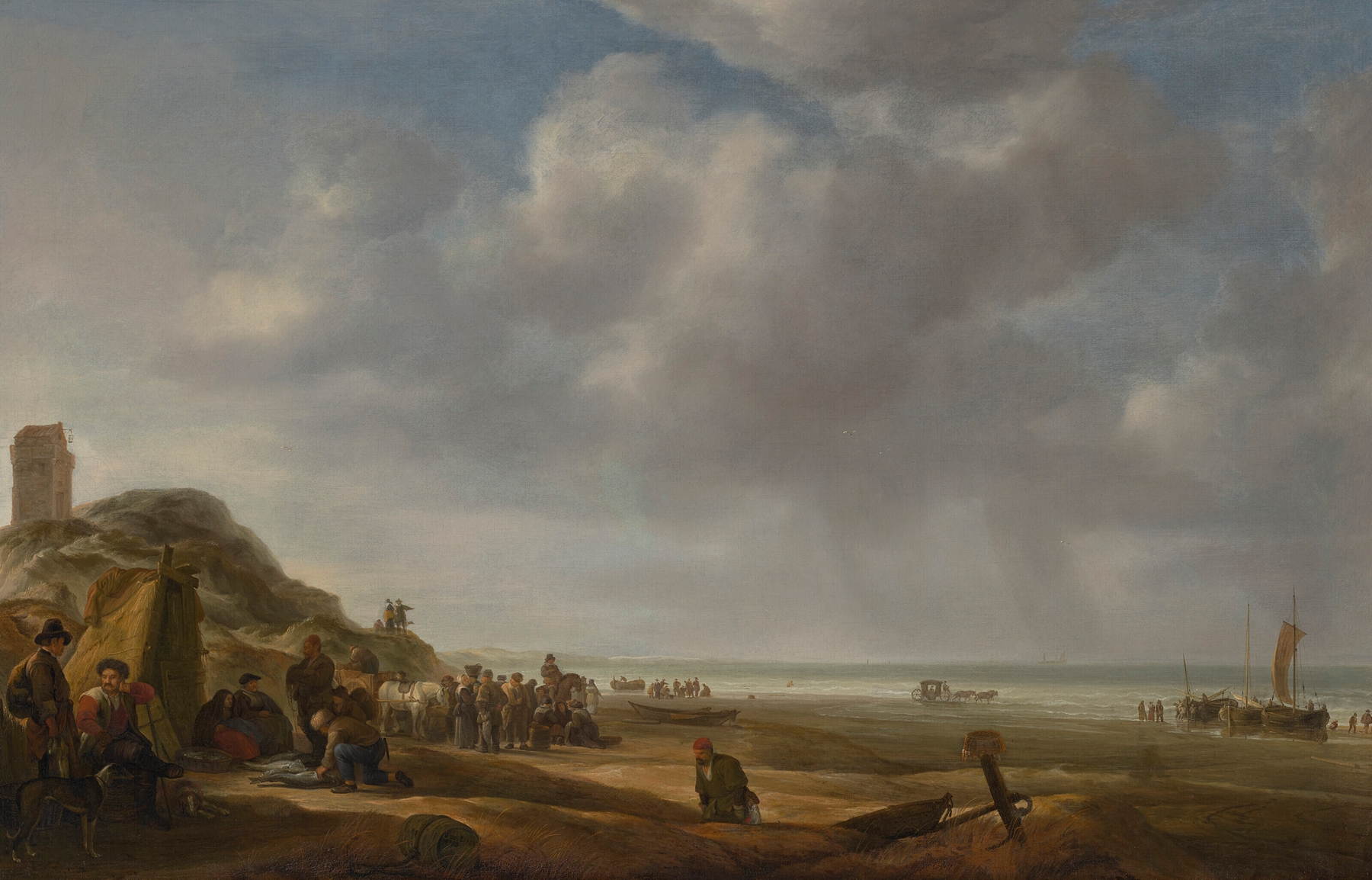
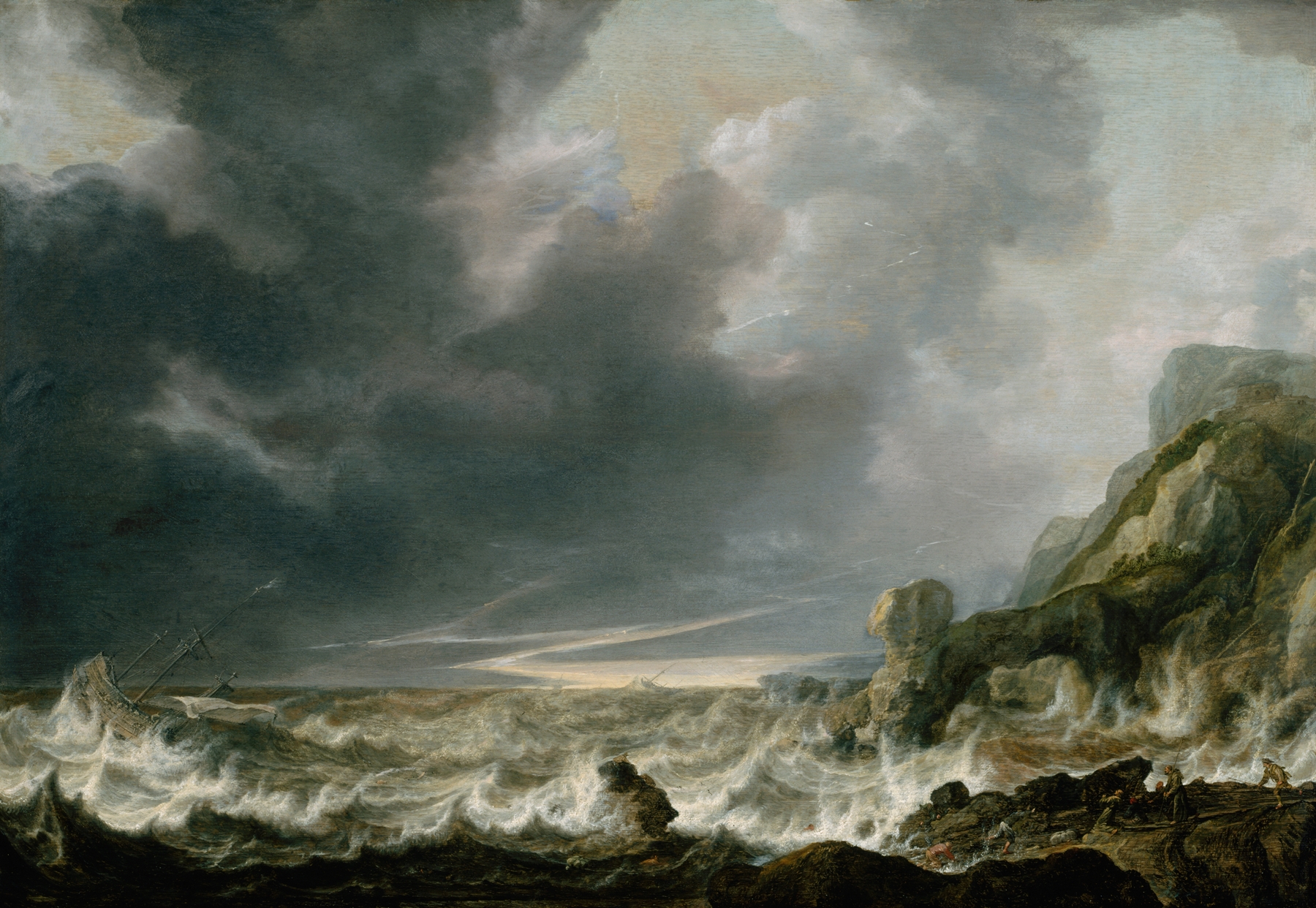
Simon de Vlieger painted this work between 1640 and 1645, a time when Dutch landscape painting was flourishing. His choice to depict such a tranquil estuary coincided with a growing interest in capturing the natural world with a sense of realism and emotional depth. In the broader context of 17th-century art, this piece reflects both the technical mastery and the philosophical inquiries that characterized an era grappling with the interplay of light, nature, and human experience.