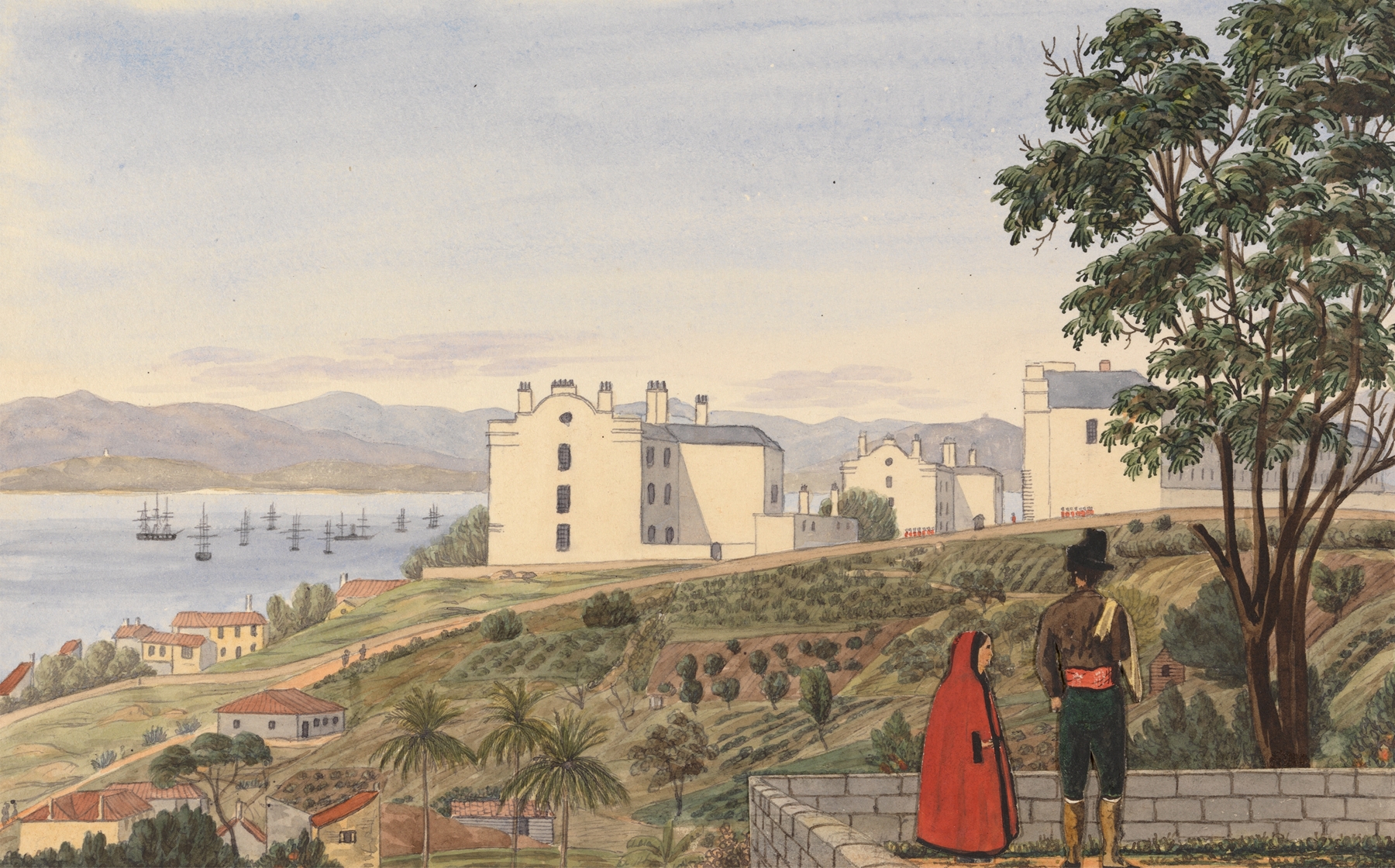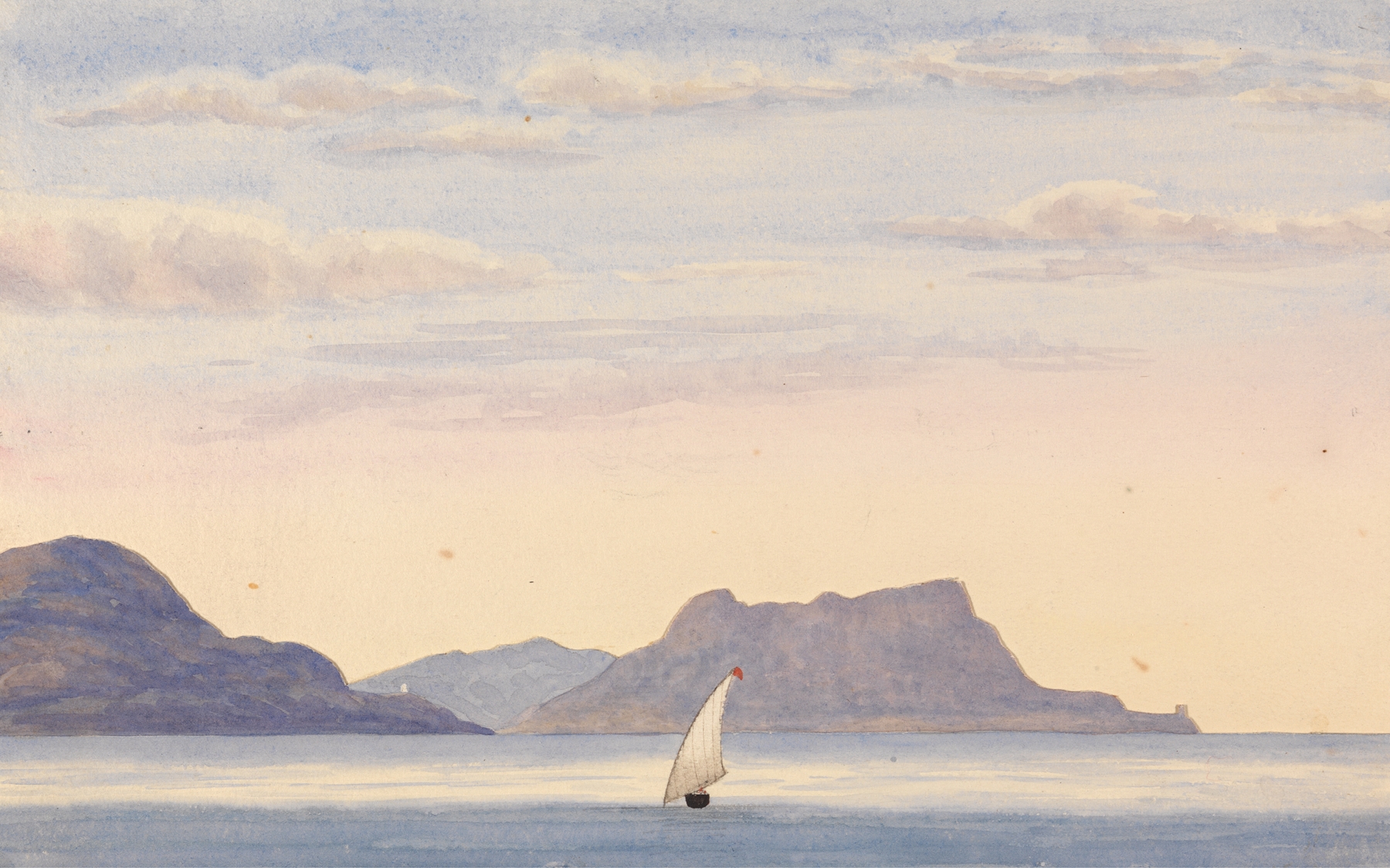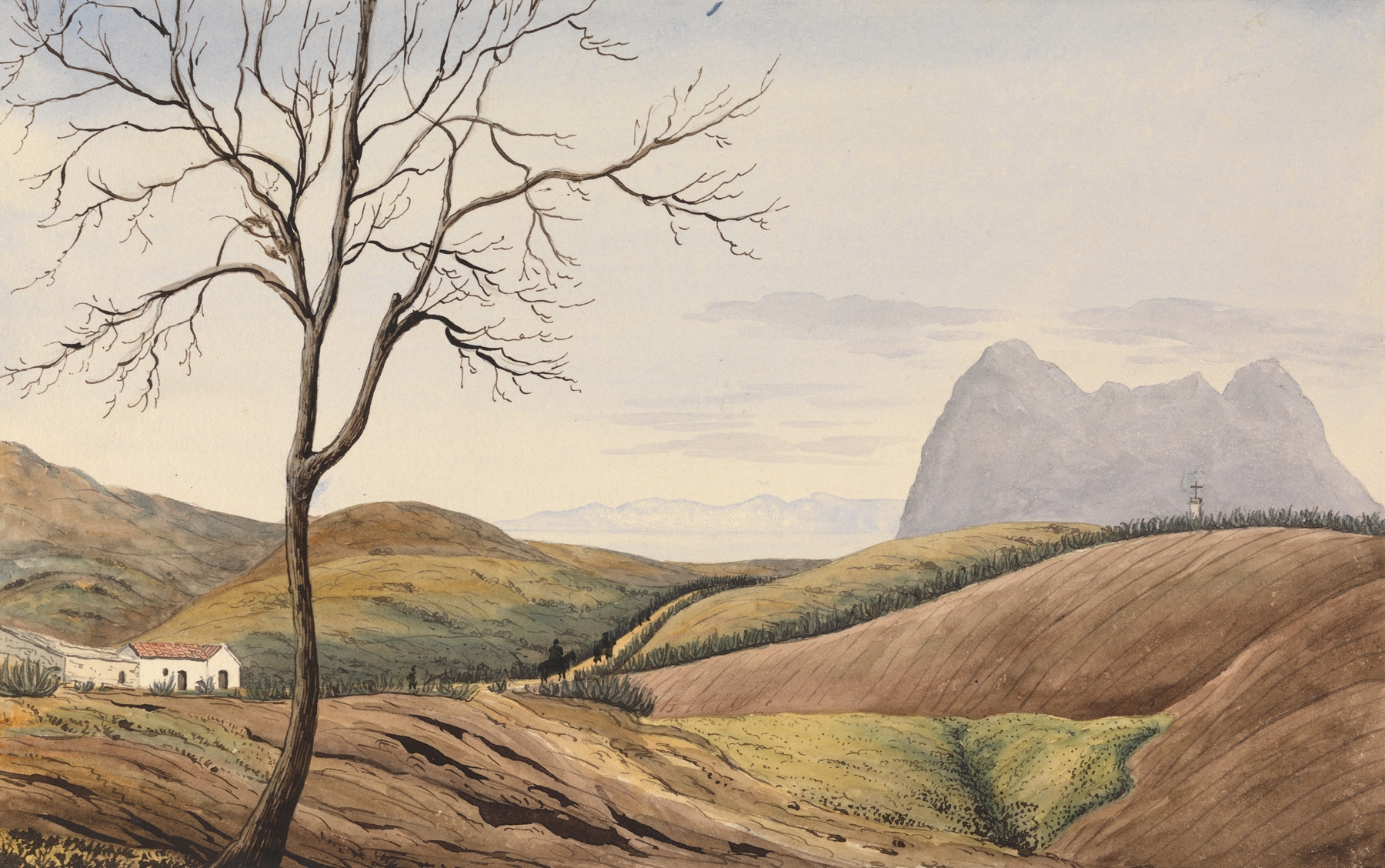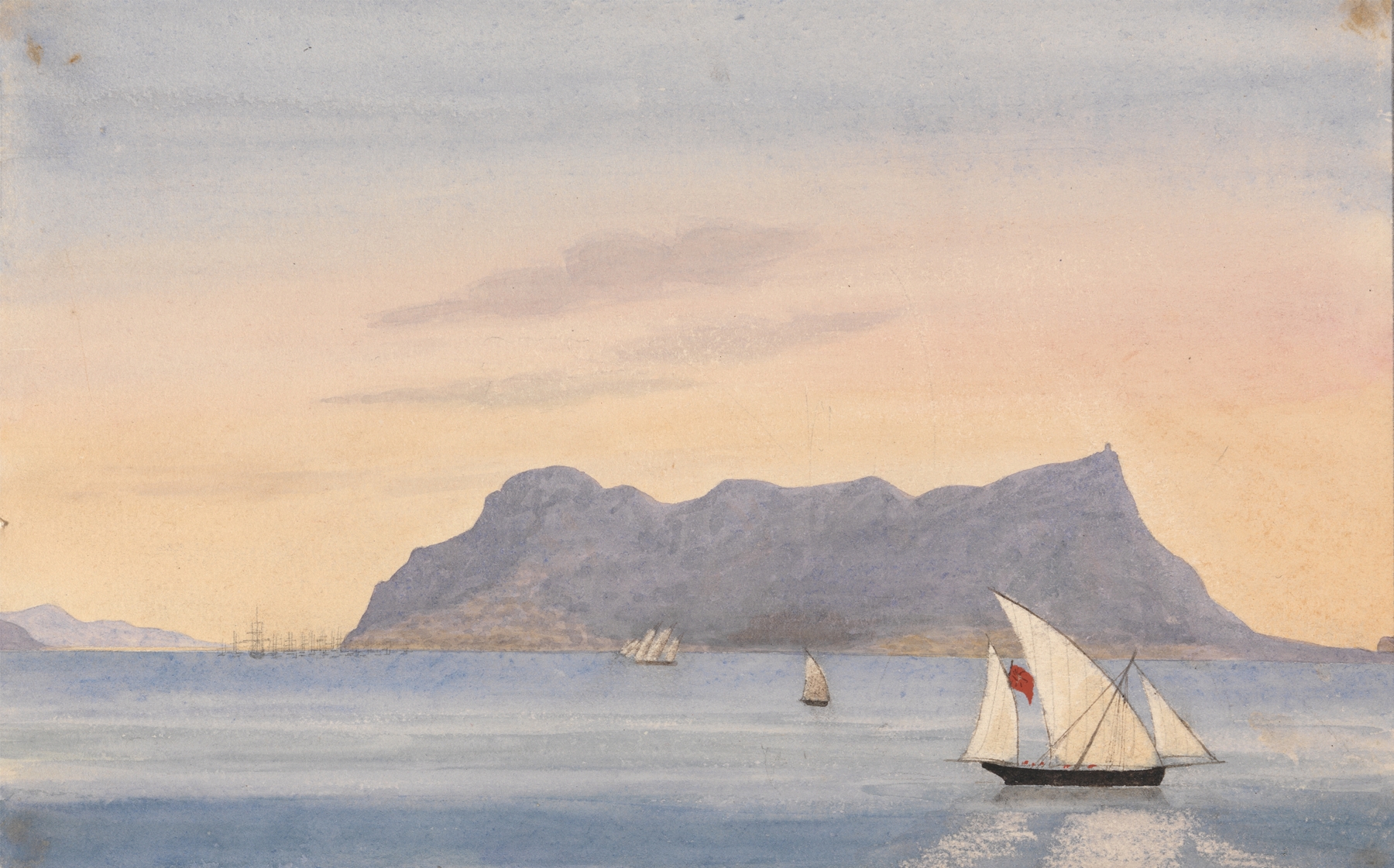
Europa Lighthouse, Ceuta, Spain — History & Analysis
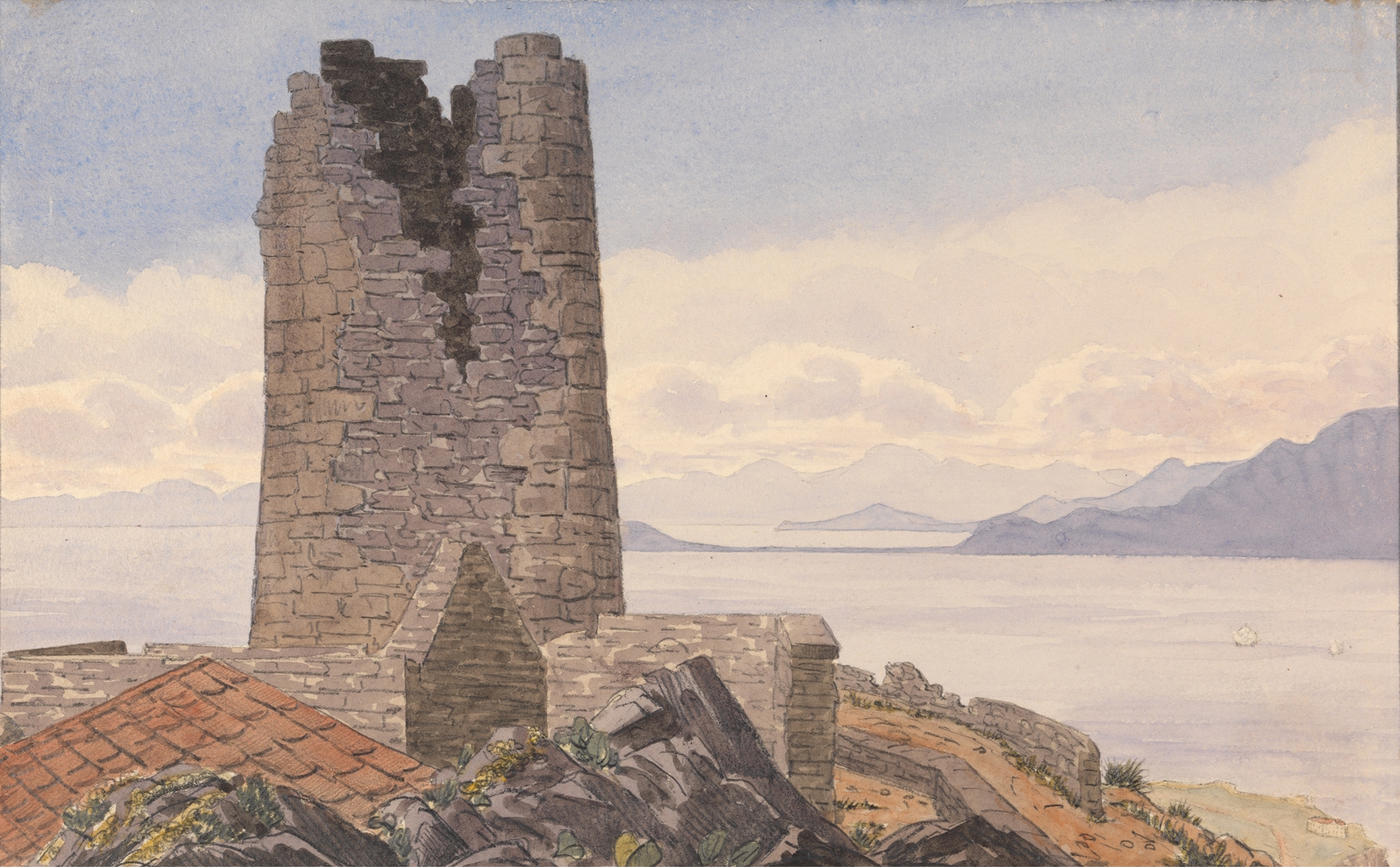
Could a single brushstroke hold eternity? In Europa Lighthouse, the essence of fear is captured in the delicate yet commanding presence of the lighthouse, standing resolutely against the turbulent backdrop of the sea. Look to the left of the canvas, where the mighty waves crash against the rocky shore. Notice how Hall skillfully employs shades of deep blue and green to evoke the restless spirit of the ocean, juxtaposed with the stark, towering white of the lighthouse that pierces the sky. The interplay of light and shadow creates a sense of depth, drawing your gaze toward the beacon’s warm glow, a symbol of hope amidst the chaos.
The wisps of clouds swirl above, their muted tones hinting at an impending storm — a reminder of nature’s unpredictable temperament. As you delve deeper, consider the emotional tension present in this scene. The lighthouse stands as a solitary figure, embodying both protection and vulnerability. While it offers guidance, the crashing waves suggest an ever-looming threat, representing humanity's existential fears against the vastness of nature.
The color palette echoes this contrast; the cool blues evoke a sense of unease, while the warm light from the lighthouse hints at safety, perhaps an invitation to confront the unknown. In 1843, George Lothian Hall captured this moment during a period of transition in art, with Romanticism influencing his dramatic style. Living in Spain at the time, Hall was both inspired by the landscape and the tension of maritime life. The artistic scene was burgeoning, with artists exploring themes of nature and emotion, setting the stage for the profound images that continue to resonate today.