
Evening after Rain from Inland Sea — History & Facts
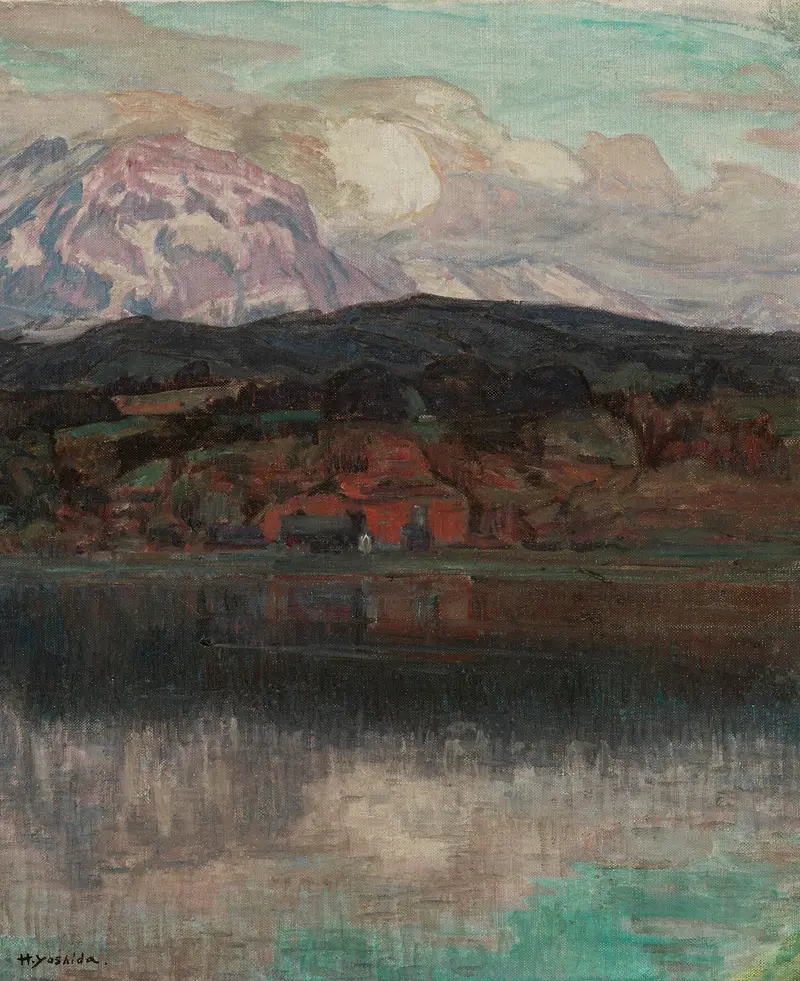
In the stillness of a moment, desire lingers like the scent of rain-soaked earth, evoking a deep yearning in the heart of the beholder. Look to the foreground, where gentle waves lap at the shore, reflecting a serene interplay of deep blues and muted grays. The horizon blurs softly, a seamless fusion of sky and water, inviting the eye to drift into the vastness. Notice how the subtle brushstrokes convey movement, each ripple capturing the aftermath of the rain, while the light—filtered through lingering clouds—creates an ethereal glow that bathes the scene in a melancholic warmth. Delve deeper, and you may sense a poignant contrast between the tranquility of nature and the turmoil within one's soul.
The serenity of the landscape belies the tumultuous emotions that desire can evoke, a longing for connection or escape. Hidden within the calm waters is a reflection of the unfulfilled, a reminder of the beauty and pain intertwined in every moment of stillness. In 1926, during a period of artistic evolution in Japan, the painter found inspiration in both traditional techniques and Western influences. Working amidst a world shifting towards modernity, Evening after Rain from Inland Sea emerged as a meditative response to the complexities of life, capturing the delicate balance between nature's tranquility and the internal yearnings of the human spirit.
More Artworks by Yoshida Hiroshi

Crytomeria Avenue (Sugi Namiki)
Yoshida Hiroshi
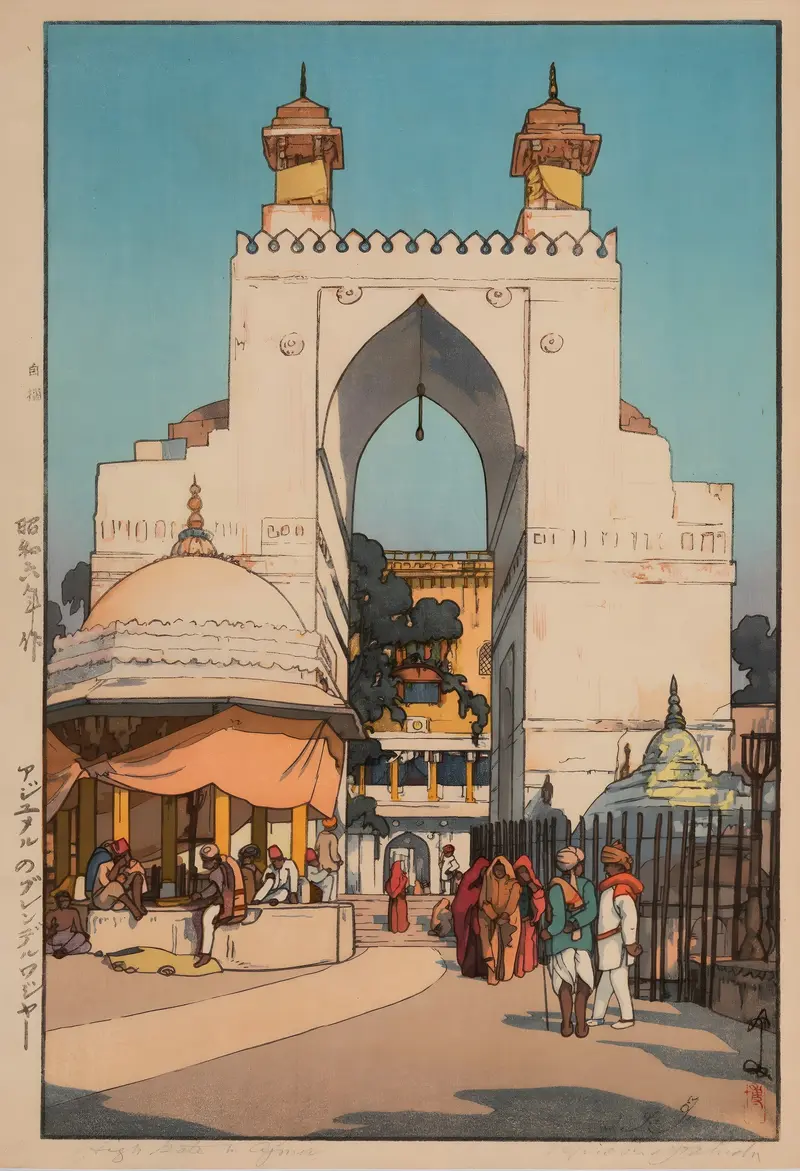
High Gate in Ajmer (Ajumeru no Berenderuwajaa)
Yoshida Hiroshi
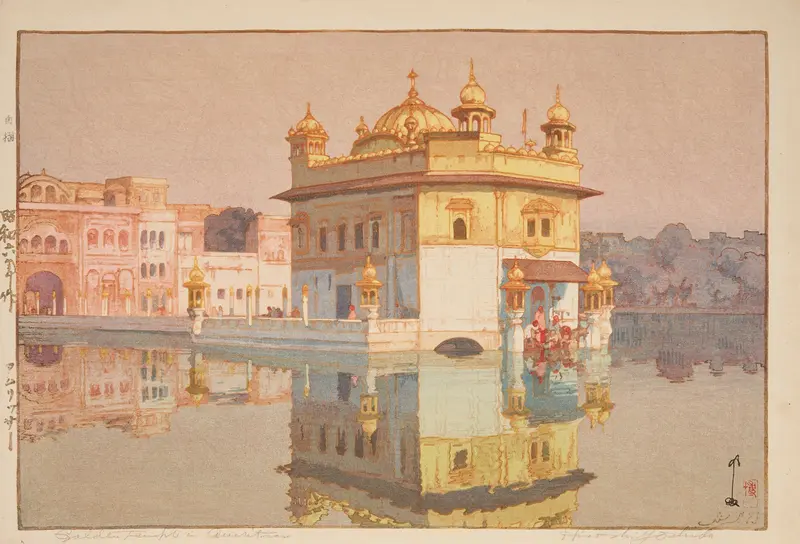
Amurissaa (Golden Temple in Amritsar)
Yoshida Hiroshi
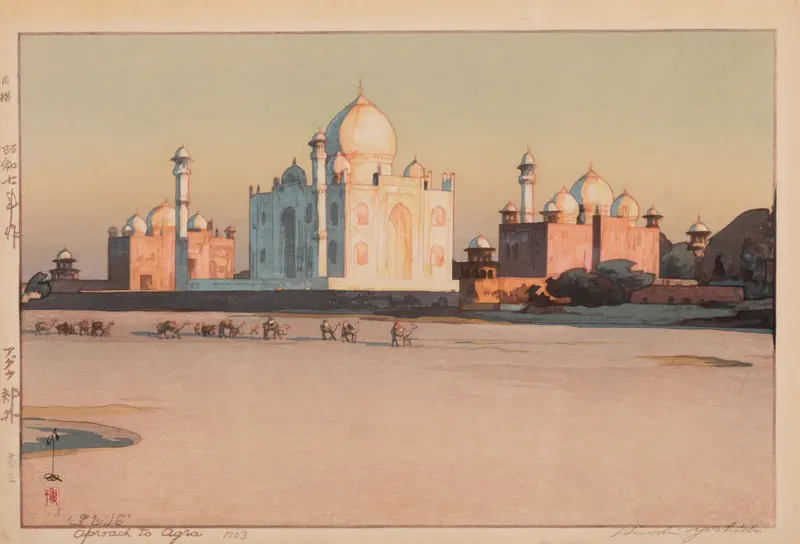
Approach to Agra No. 3 (Agura kogai, dai san)
Yoshida Hiroshi
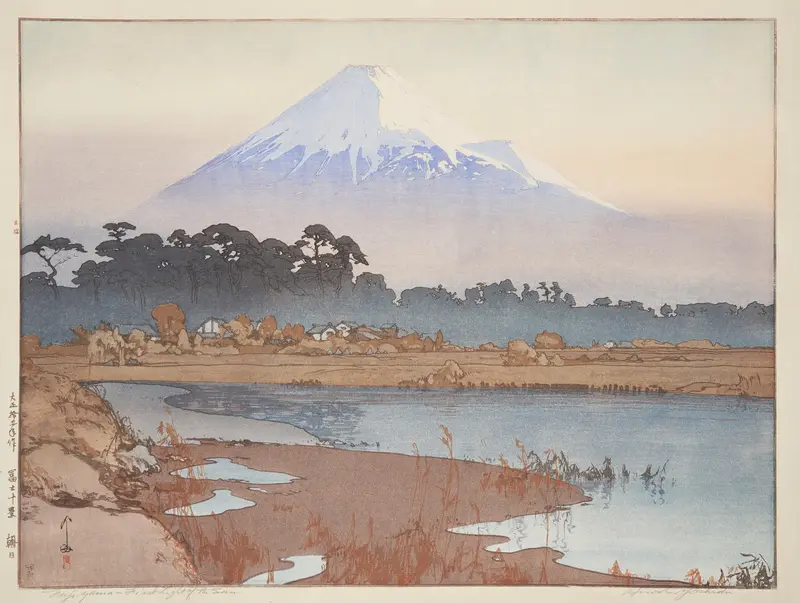
Asahi (Sunrise).
Yoshida Hiroshi
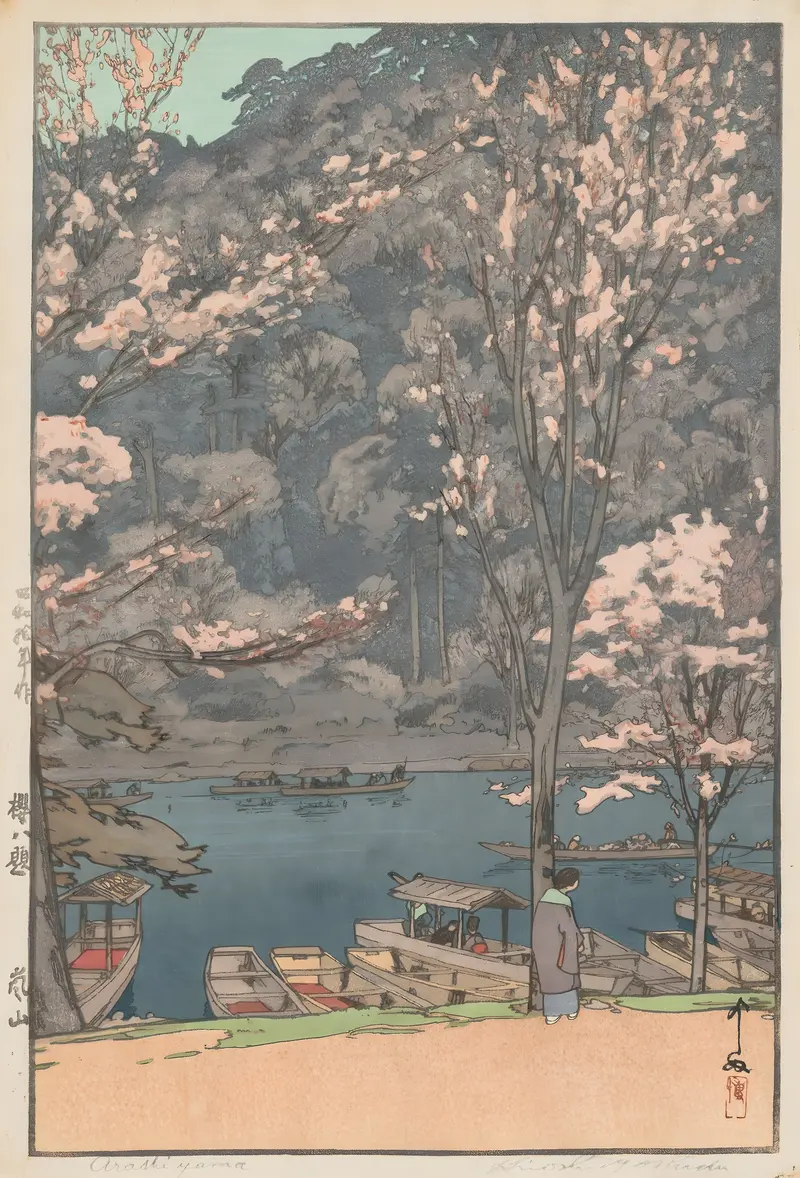
Eight Scenes of Cherry Blossom; Arashiyama
Yoshida Hiroshi
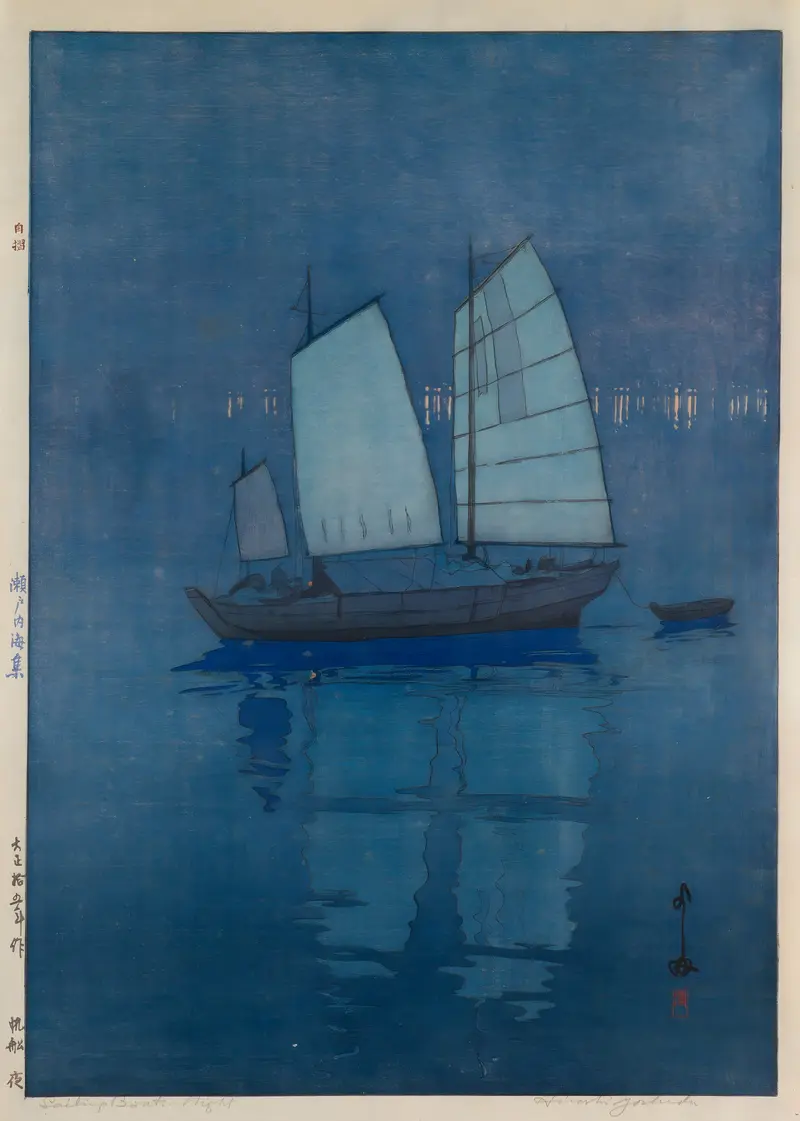
Sailing Boats — Night, from the series ‘The Seto Inland Sea’
Yoshida Hiroshi
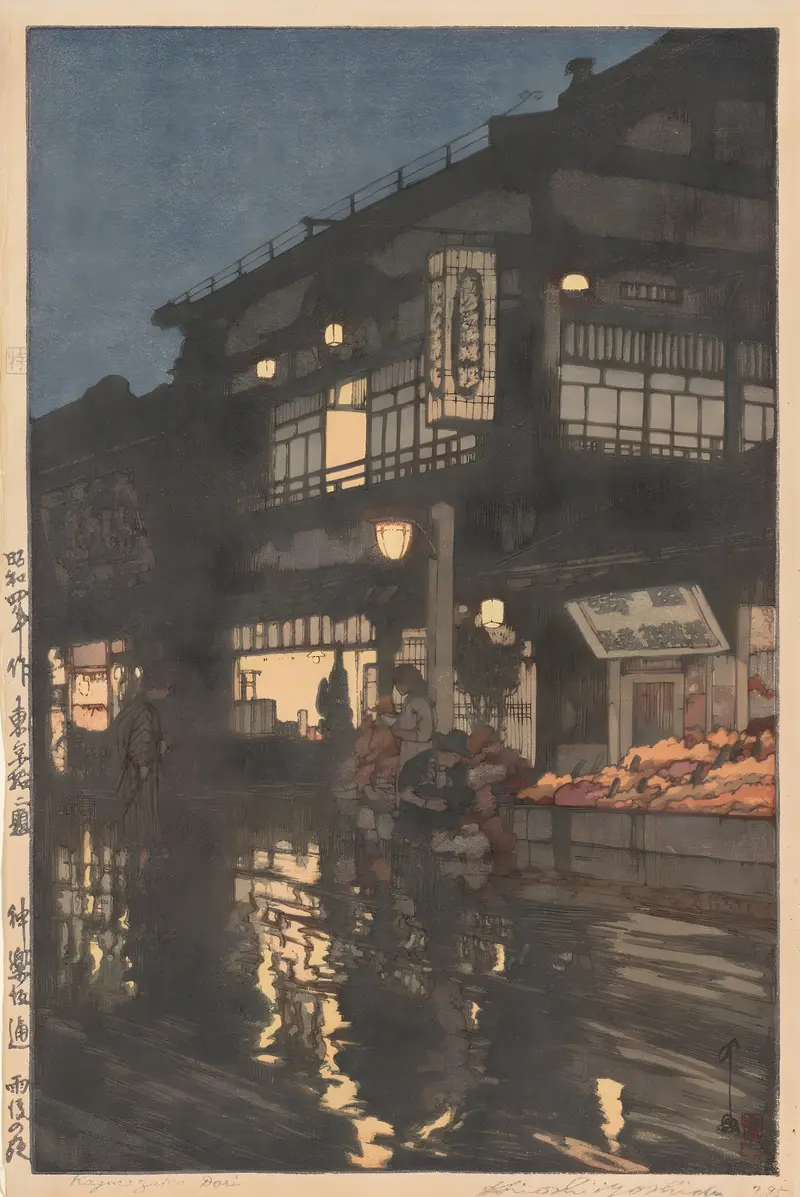
Kagurazaka Street after a Night Rain
Yoshida Hiroshi
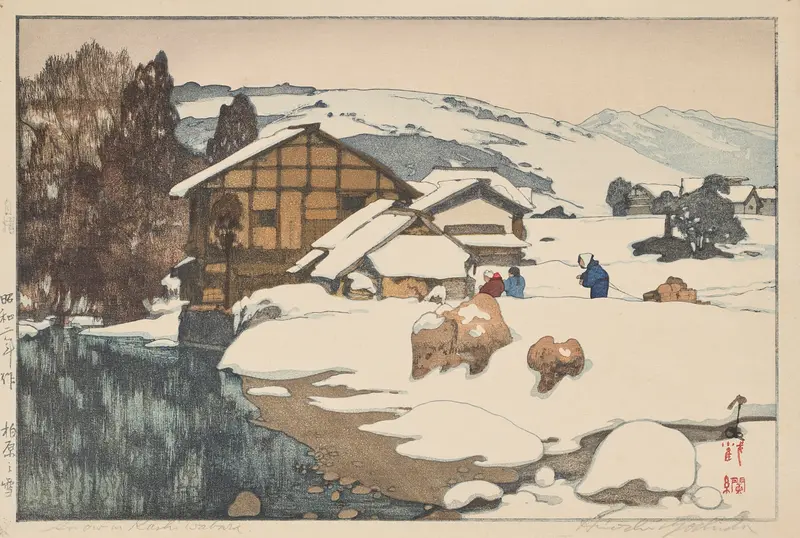
Kashiwabara no yuki (Snow at Kashiwabara)
Yoshida Hiroshi
Landscape
Yoshida Hiroshi





