Evening Glow — History & Analysis
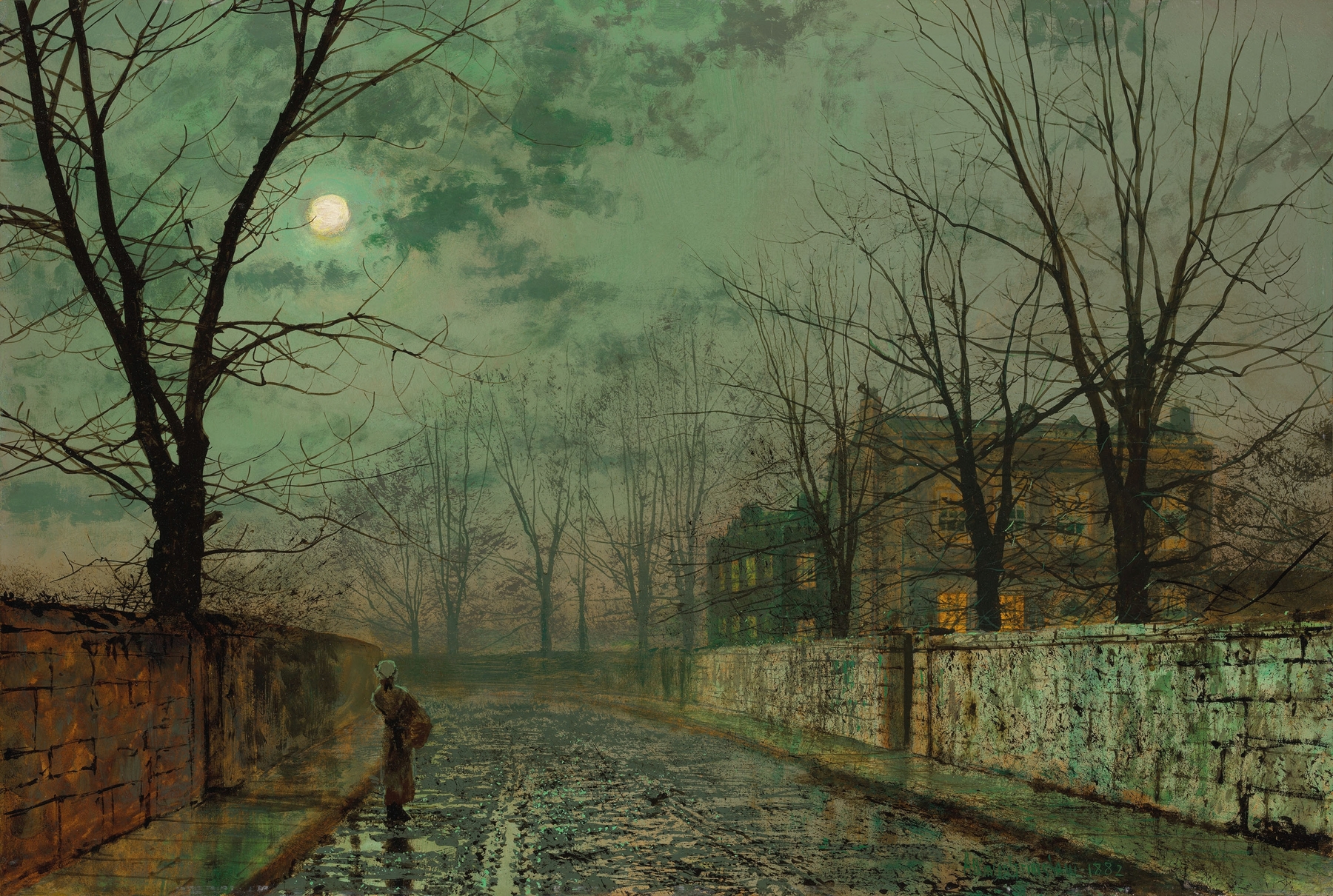
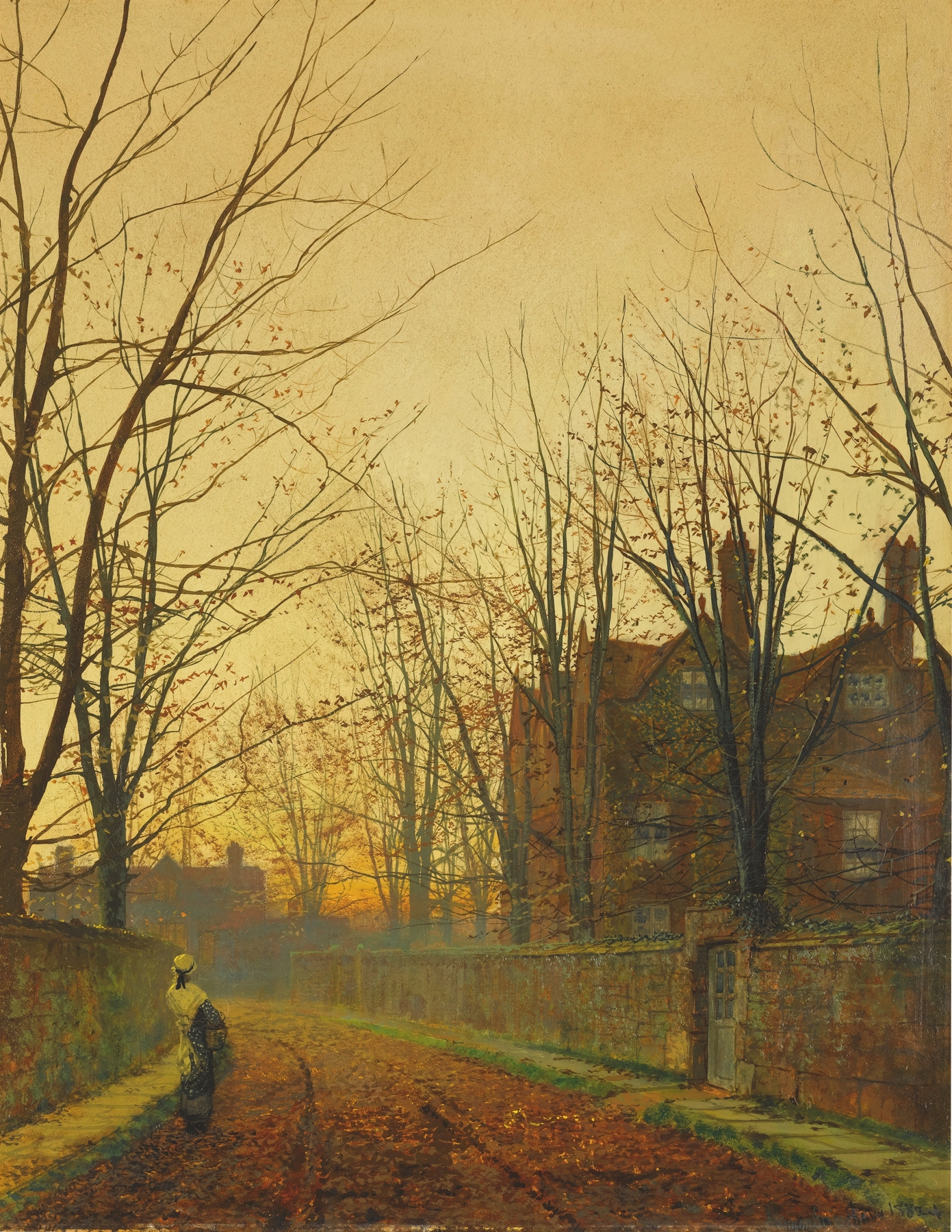
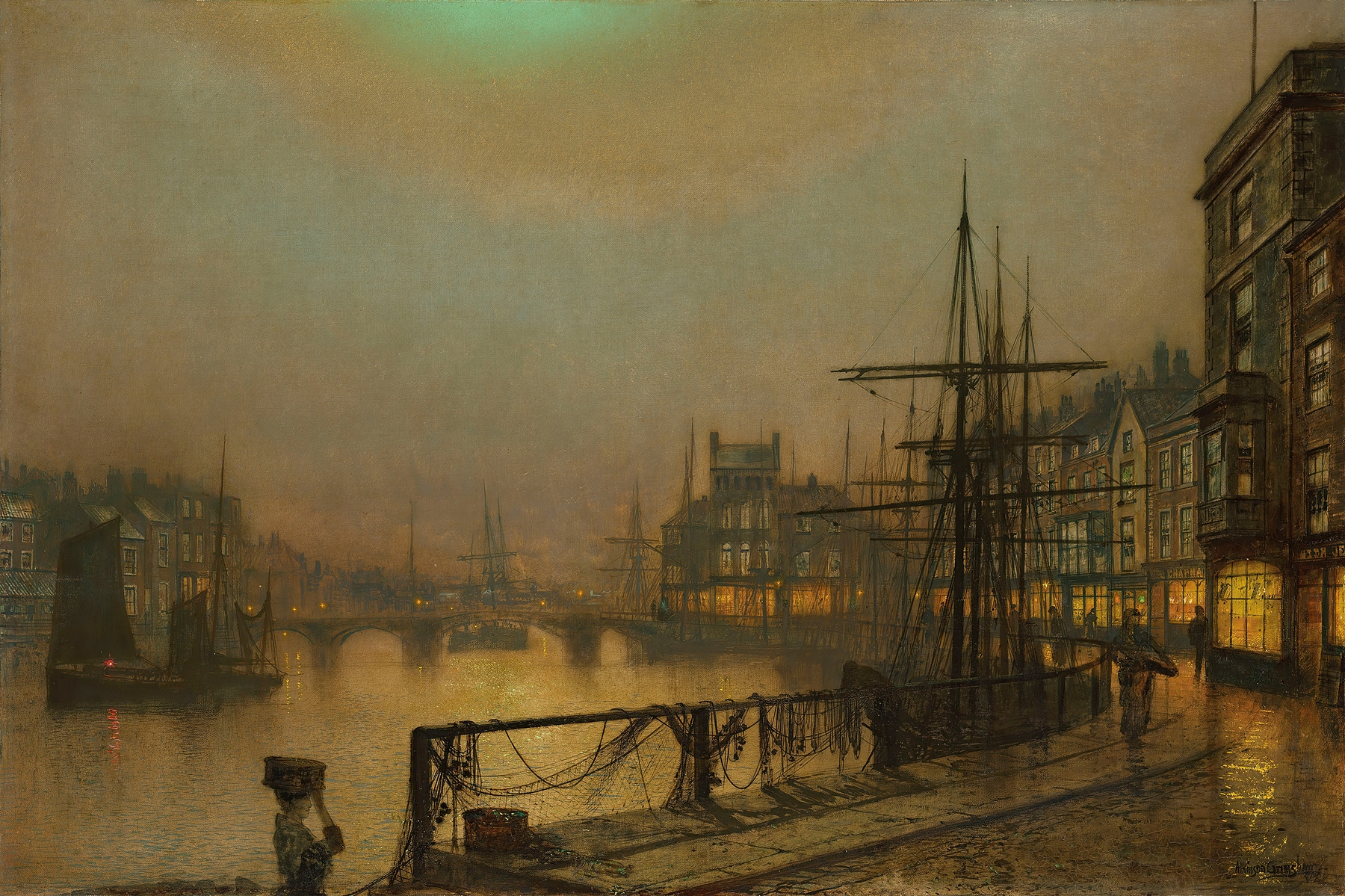
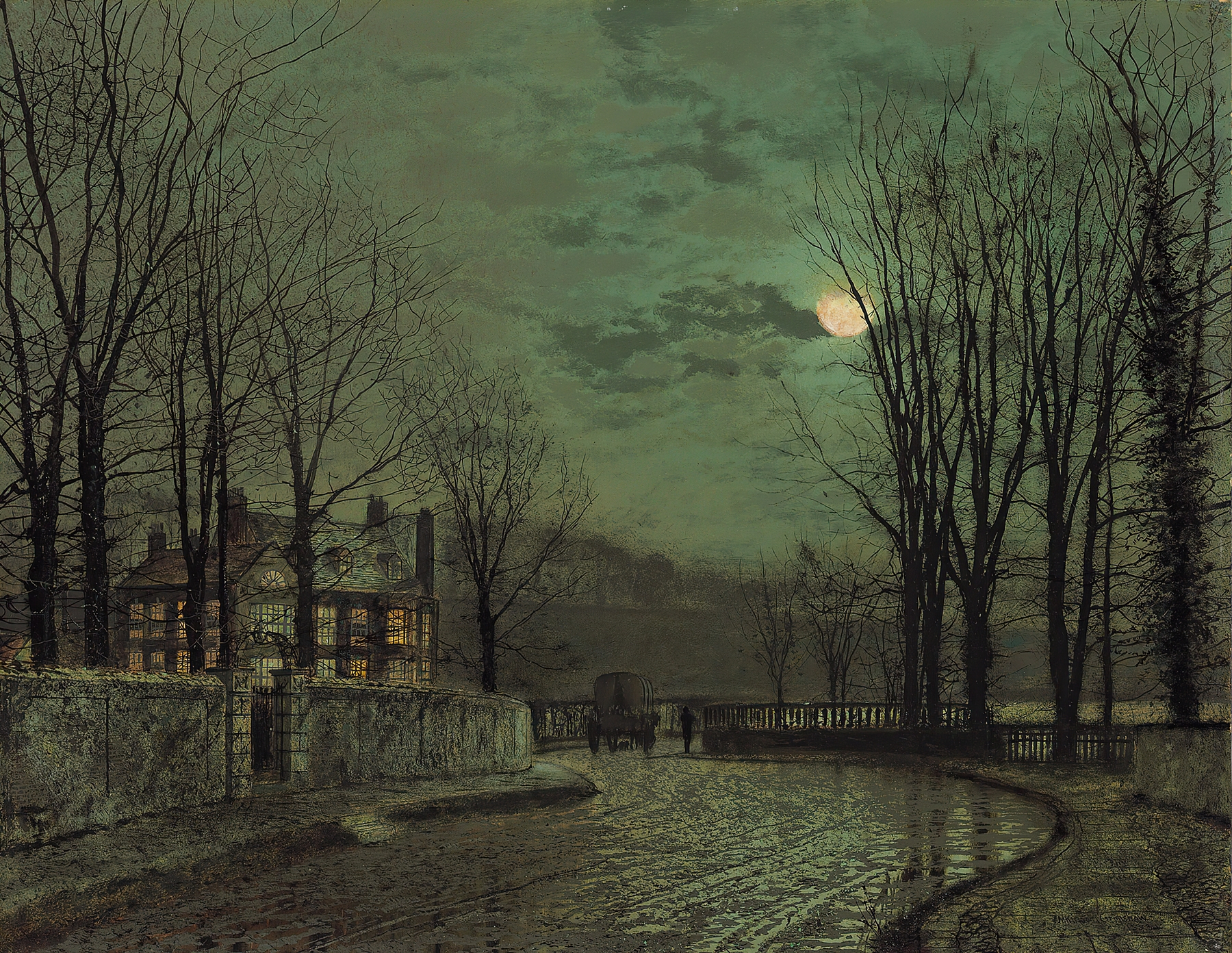
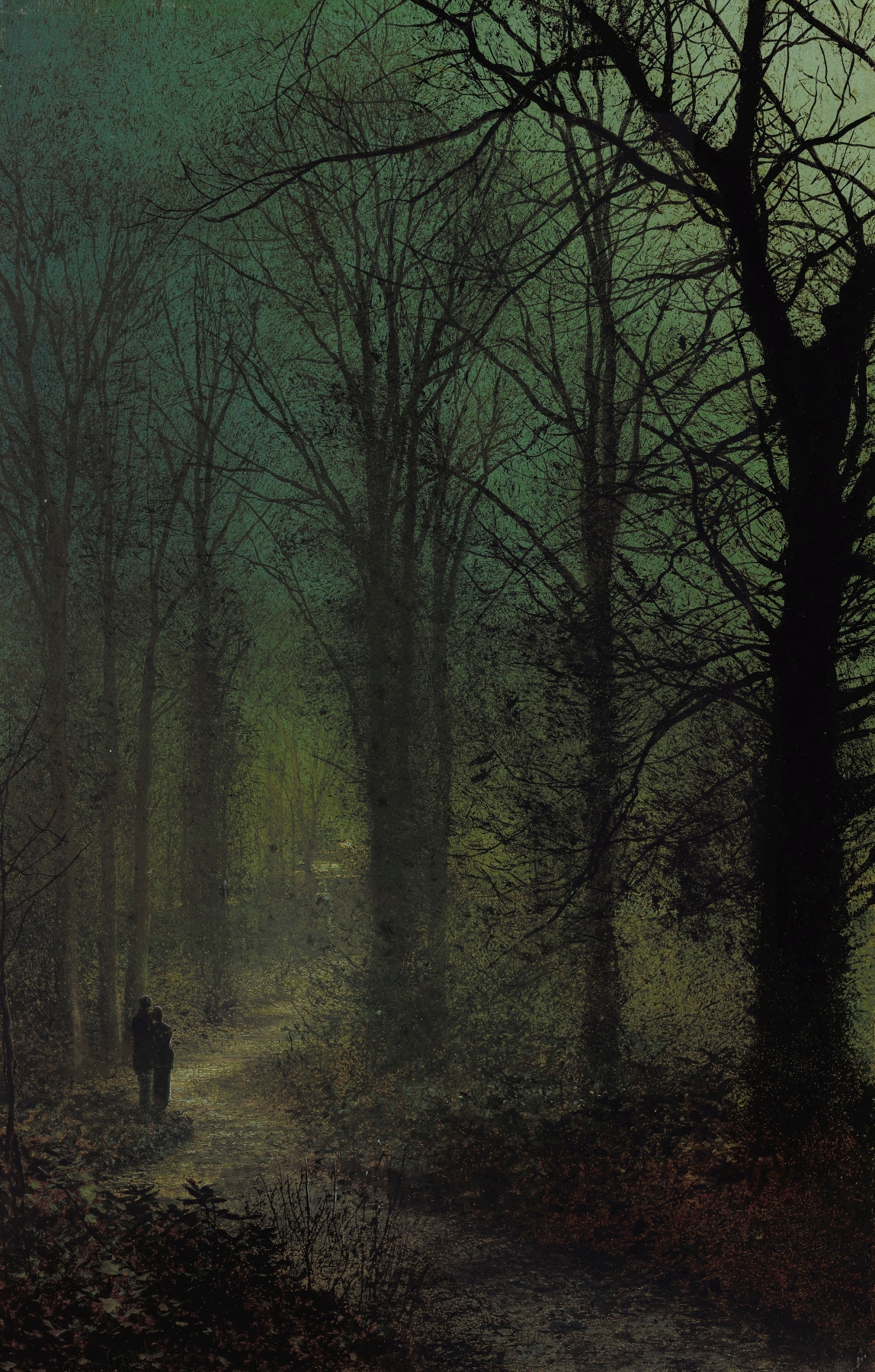
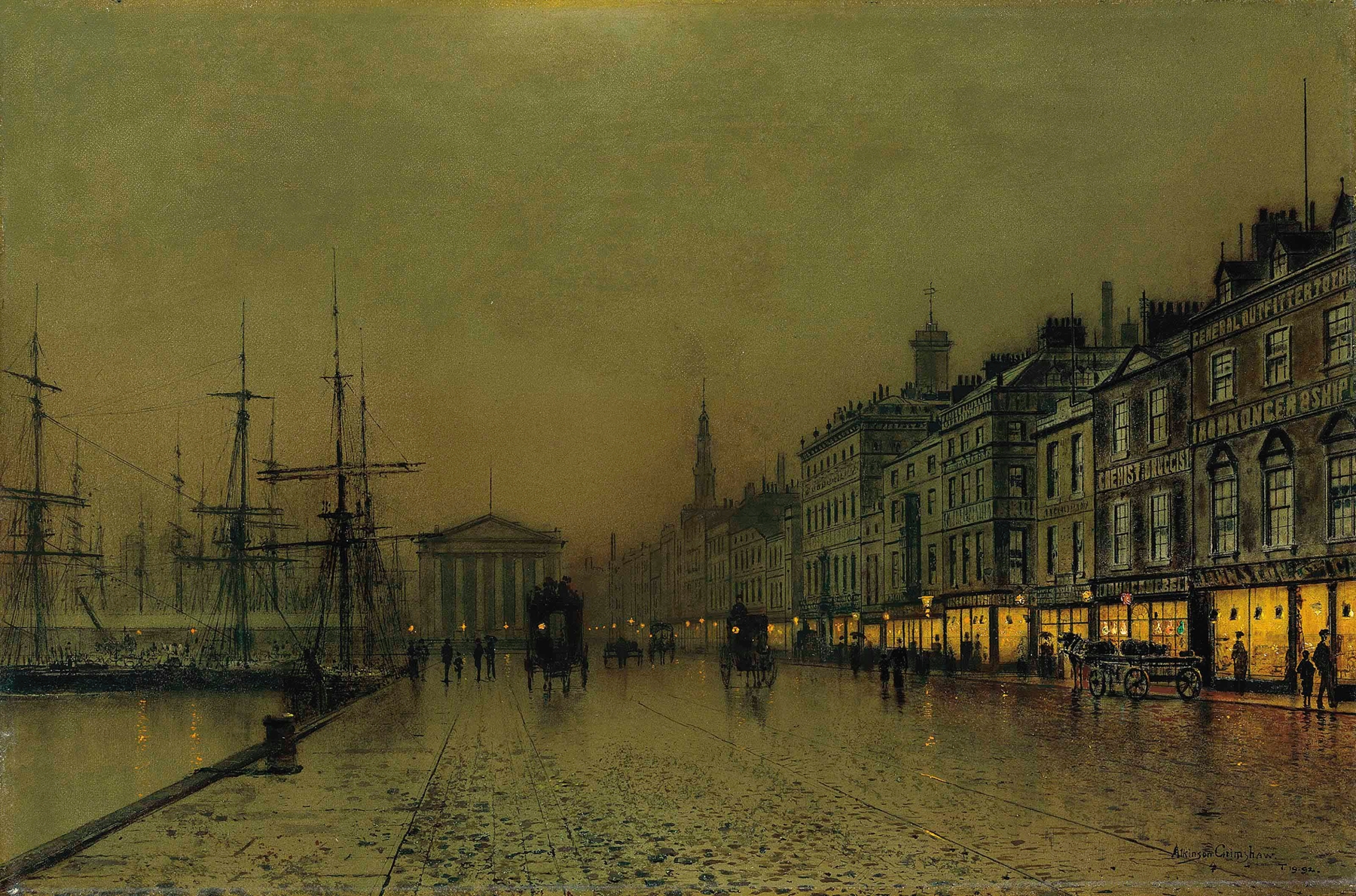
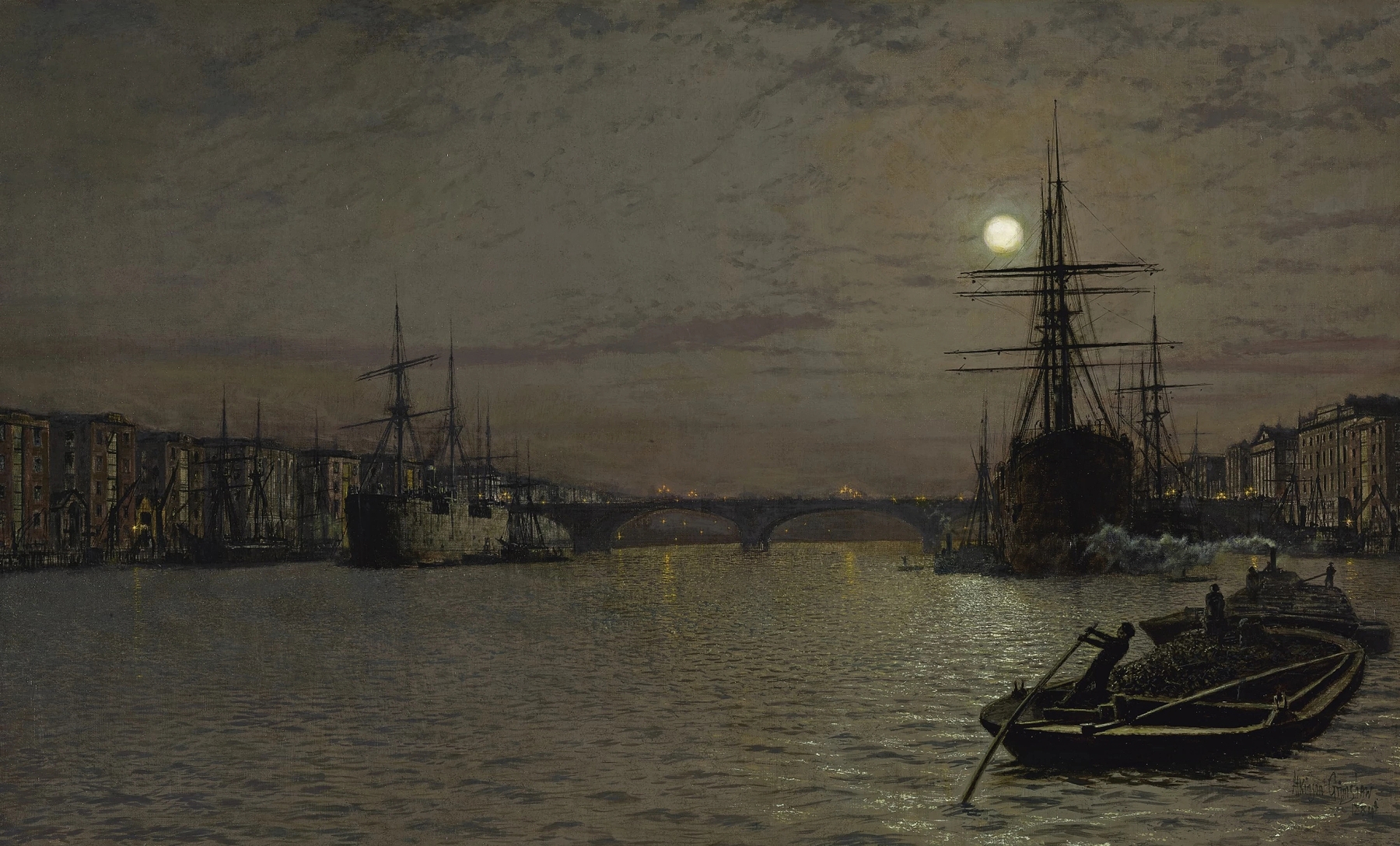
What secret hides in the quiet of the canvas? Shadows whisper ancient tales, and twilight beckons the heart to listen closely. Look to the left, where a solitary figure stands under the sprawling branches of a tree, silhouetted against the soft glow of the evening sky. The delicate interplay of light and dark draws your gaze to the faint radiance, a warm golden hue that seeps through the branches, illuminating the surrounding leaves.
Notice how the artist's meticulous brushstrokes create a textured surface that vibrates with life, each shadow pregnant with unspoken stories, as deep blues and purples envelop the landscape, invoking a sense of tranquility as night descends. As your eyes wander, consider the contrast between the illuminated areas and the encroaching darkness. The figure’s solitude embodies a yearning, perhaps a contemplation of life's fleeting moments, while the soft glow serves as a beacon of hope. The shadows, far from mere absence of light, pulsate with emotion, suggesting the complexities of existence—where beauty and melancholy coexist, inviting the viewer to reflect on personal narratives that resonate deeply within the soul.
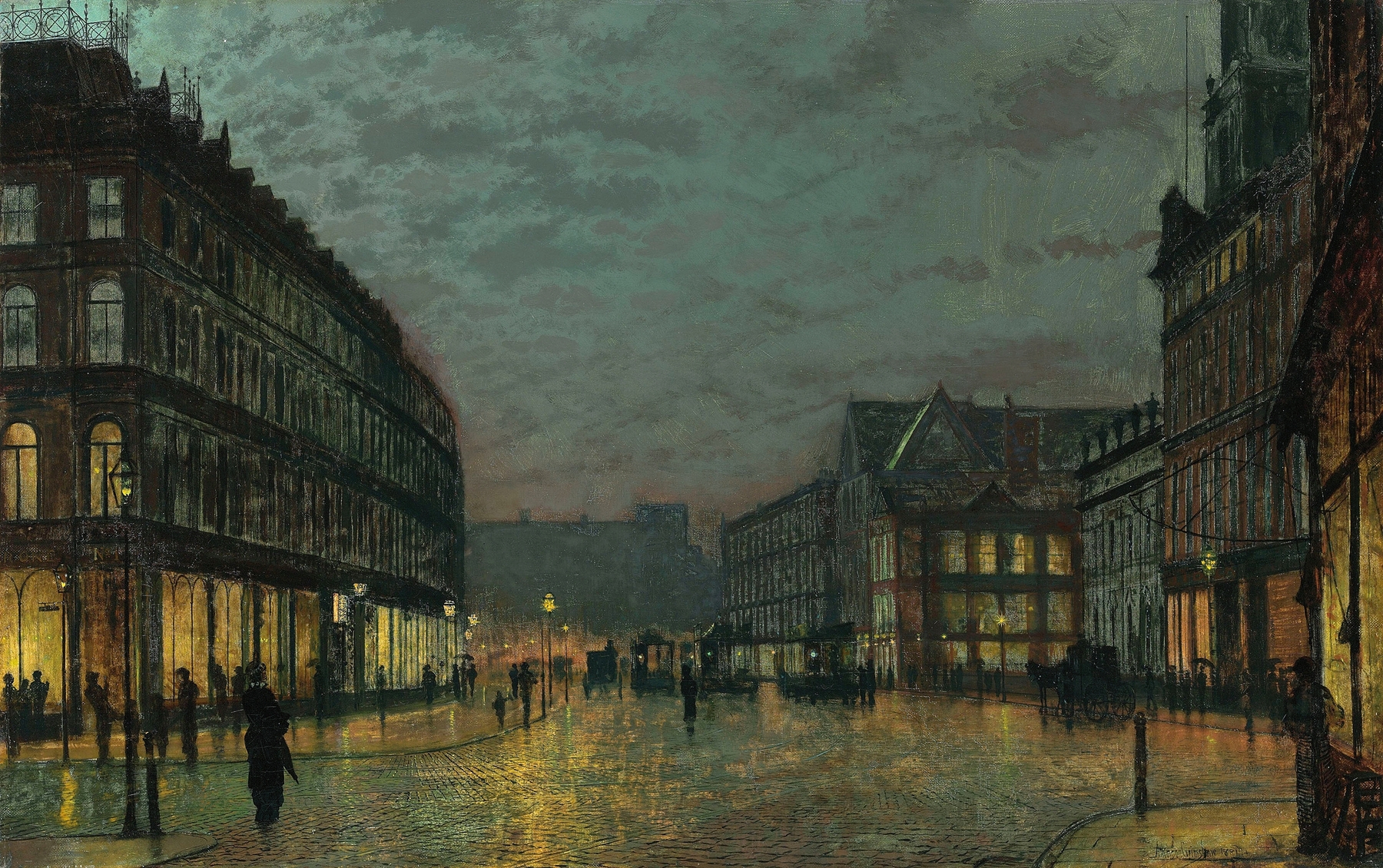
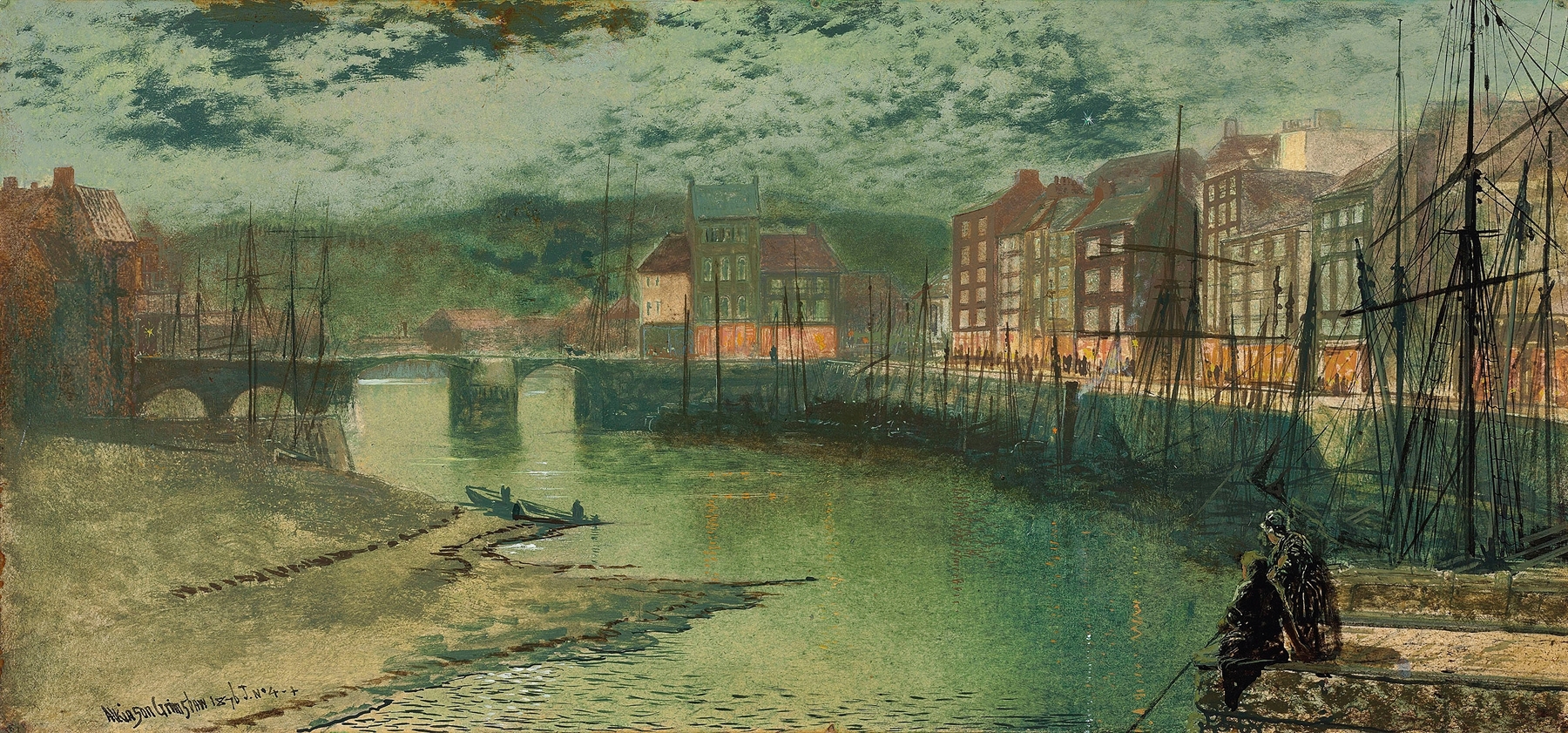
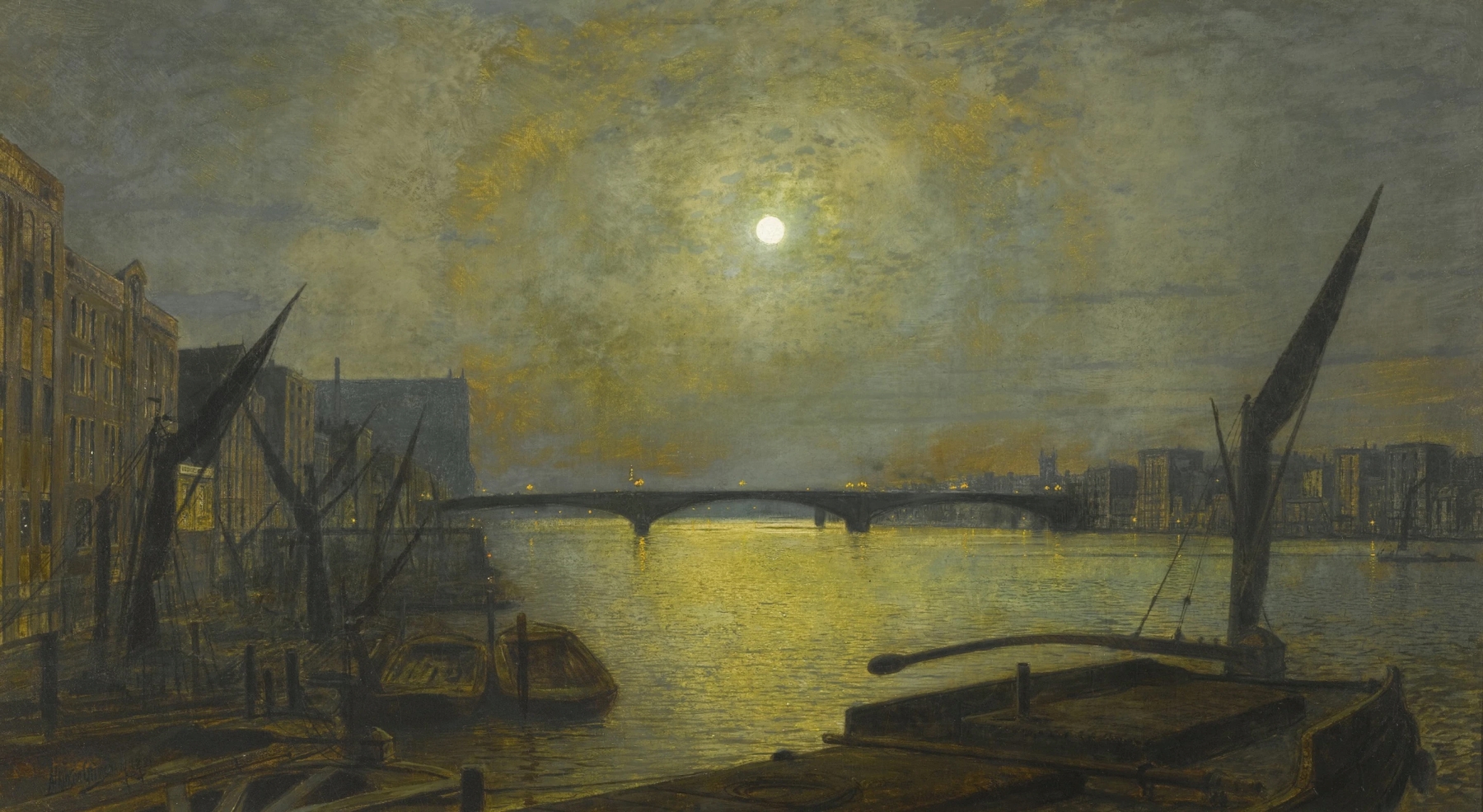
During the late 19th century, Grimshaw painted this work at a time when the Pre-Raphaelite movement was gaining traction in England, influencing an entire generation of artists. His fascination with the natural world and atmospheric effects was both innovative and celebrated, marking him as a distinctive voice in the realm of nocturnal landscapes. This period was a turning point, as industrialization began to reshape society, prompting artists to explore themes of nature and solitude, often finding beauty in the stillness of twilight.