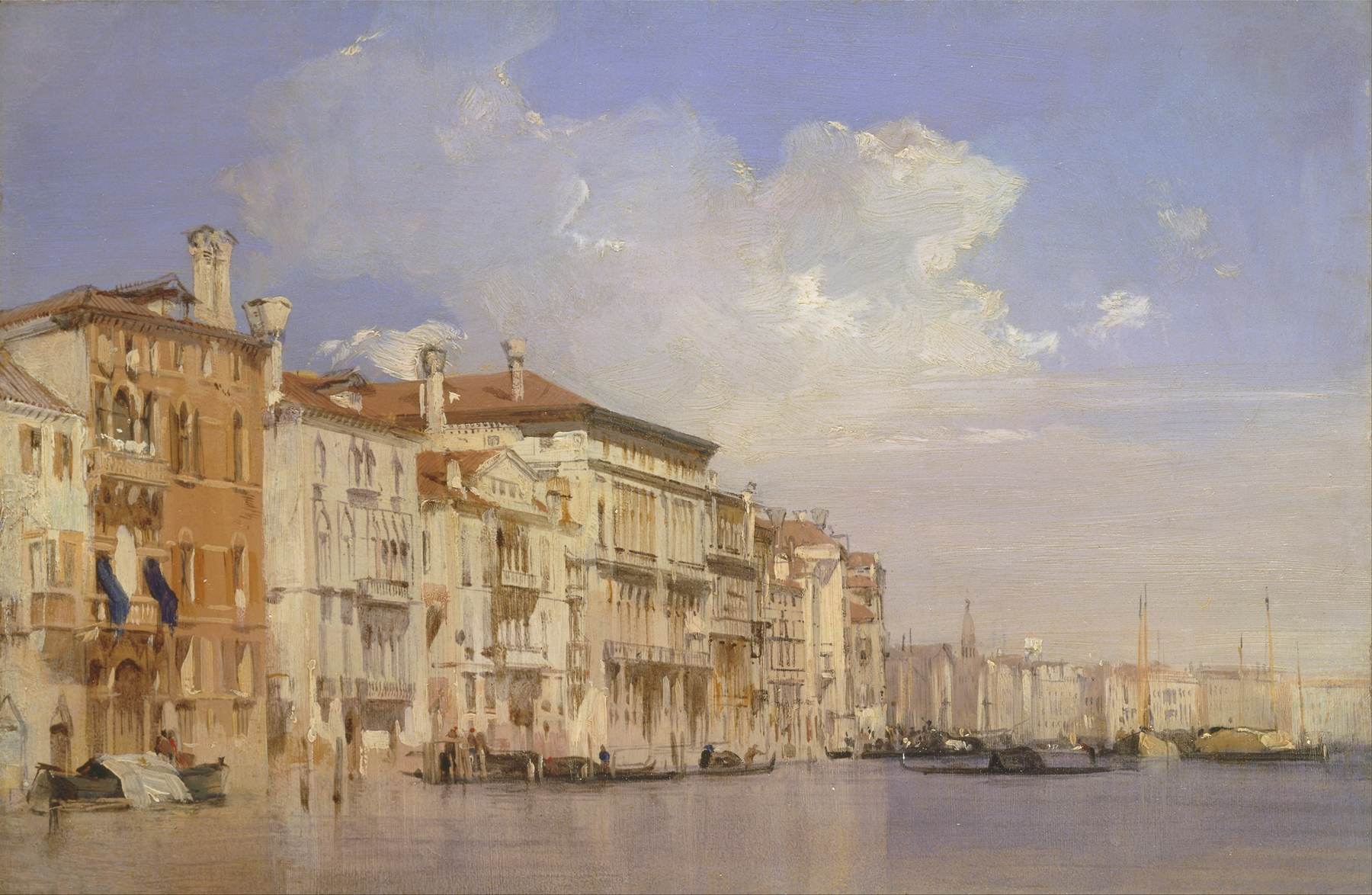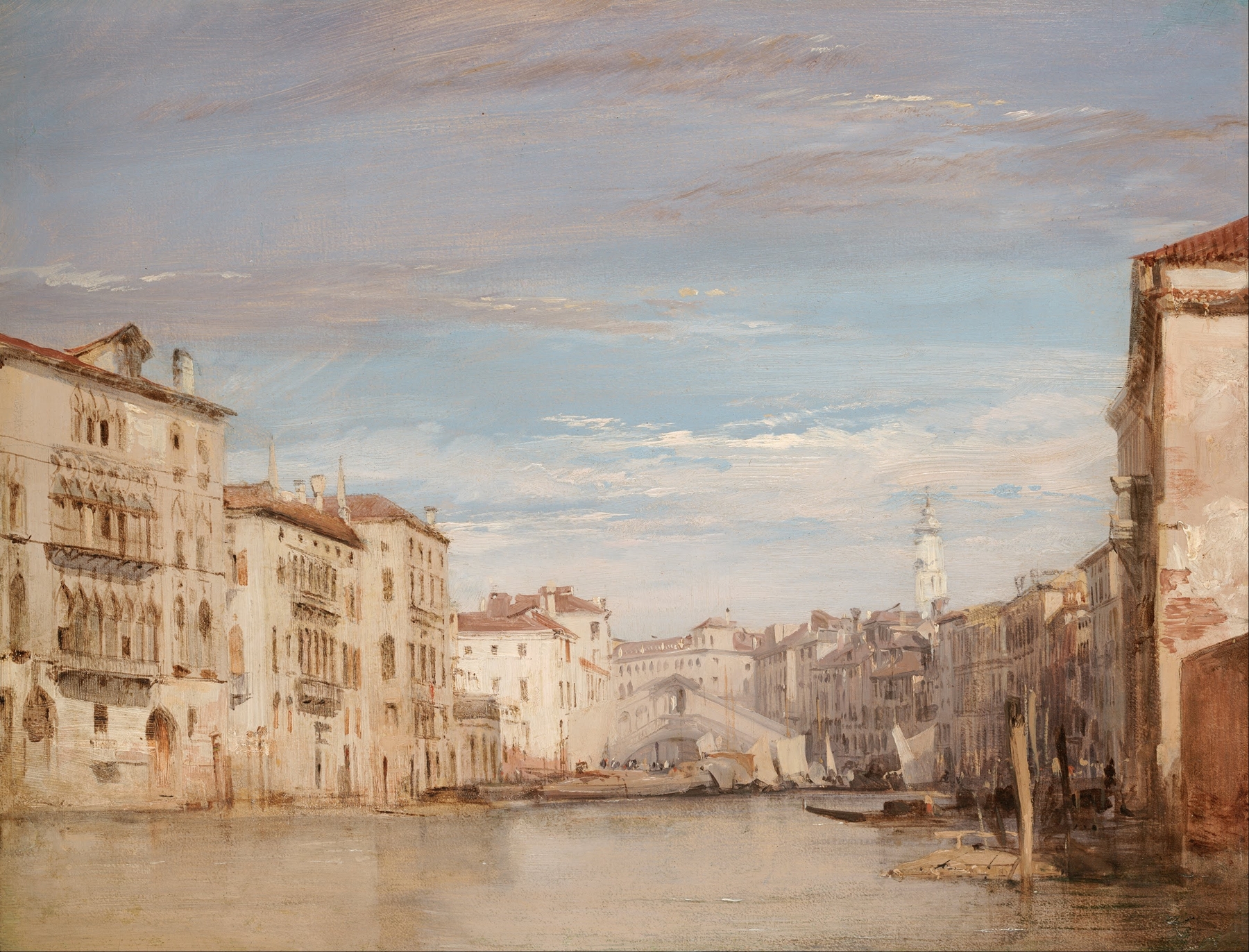
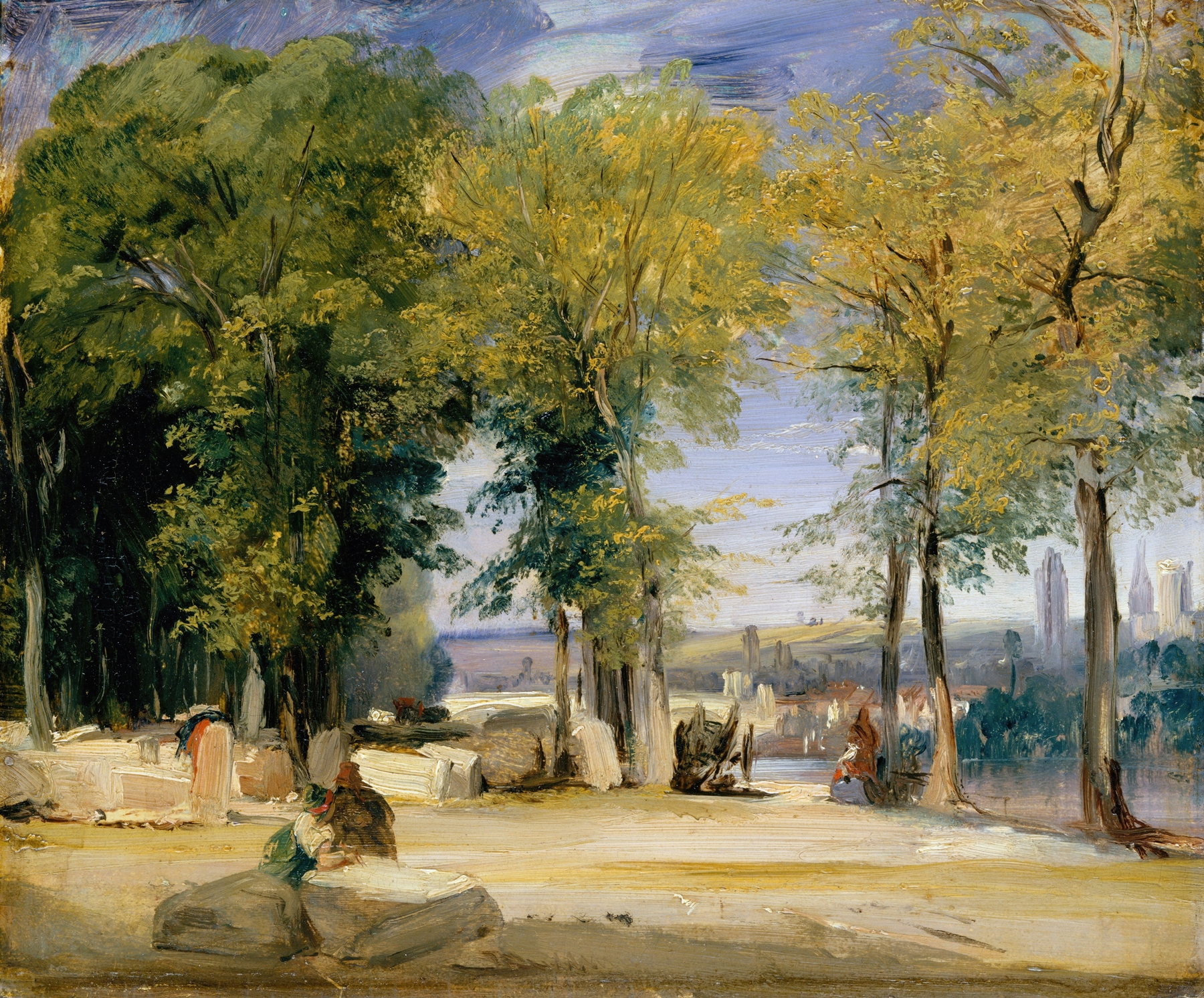
Can beauty exist without sorrow? The twilight glow of Venice whispers this question, inviting contemplation of the delicate balance between joy and melancholy woven throughout the fabric of life. Focus on the serene waterway that runs through the heart of the canvas, where reflections shimmer like fragments of lost dreams. The soft, warm palette of ochres and blues enchants the eye, leading it from the inviting glow of the fading sun to the ethereal silhouettes of distant buildings. Notice how the gentle brushstrokes create a sense of movement in the water, rippling beneath the weight of the evening sky, an echo of tranquil yet elusive moments. The juxtaposition of light and shadow in this work reveals a deeper narrative; the beauty of the sunset is tinged with a subtle hint of melancholy. Each gondola floating on the water represents fleeting pleasures, suggesting that life’s most exquisite moments are often ephemeral. The quiet ambiance captures a sense of nostalgia, inviting viewers to ponder what remains unspoken, what lies beneath the surface of the seemingly idyllic scene. During the years 1826 to 1828, the artist found himself in Venice, a city that had captivated many before him. It was a time when Bonington was exploring his identity as a landscape painter, influenced by the Romantic movement that sought to express emotional depth through nature's beauty. In this vibrant period, he embraced the interplay of light and color, laying the groundwork for a legacy that would bridge the gap to future Impressionists.