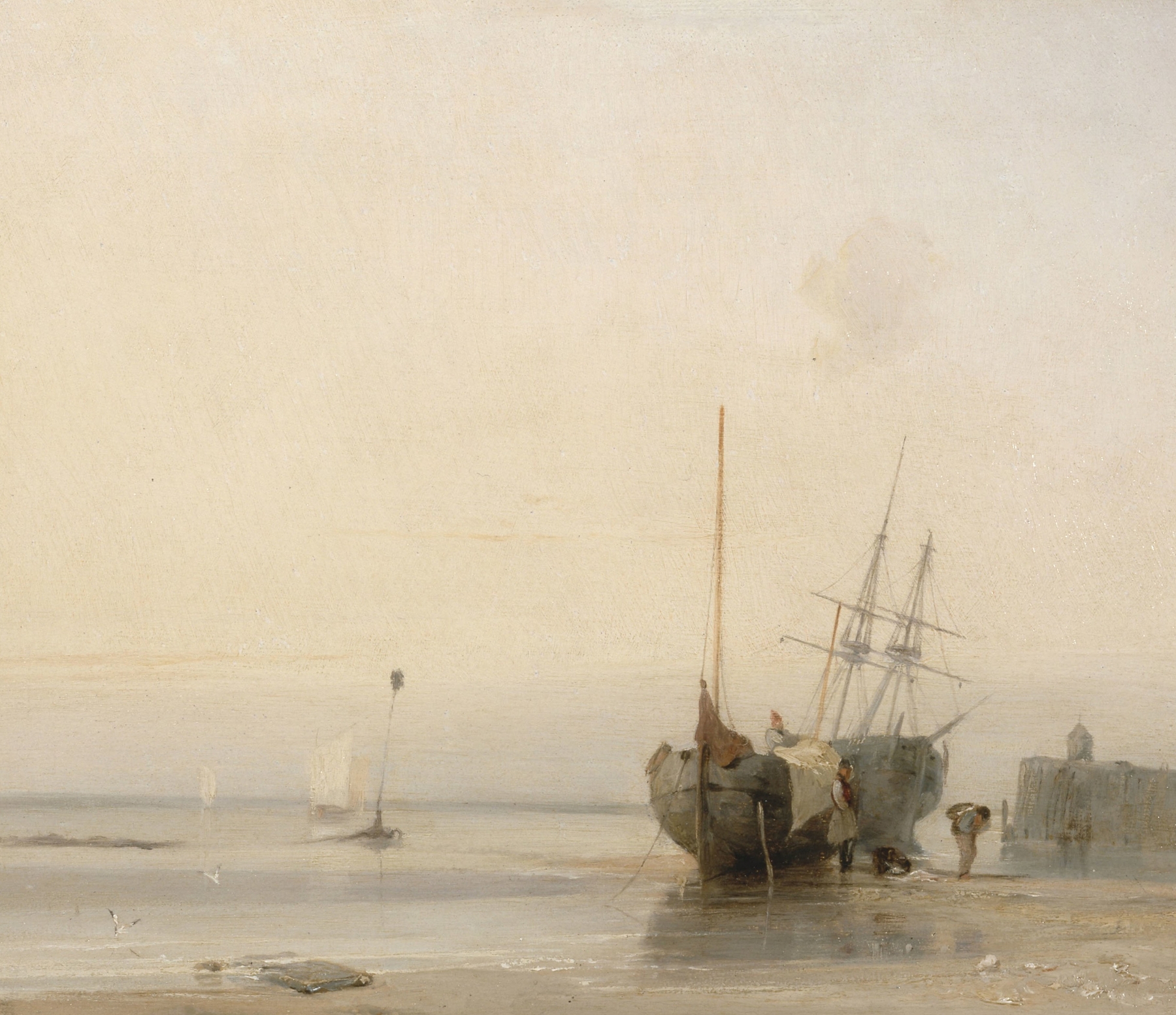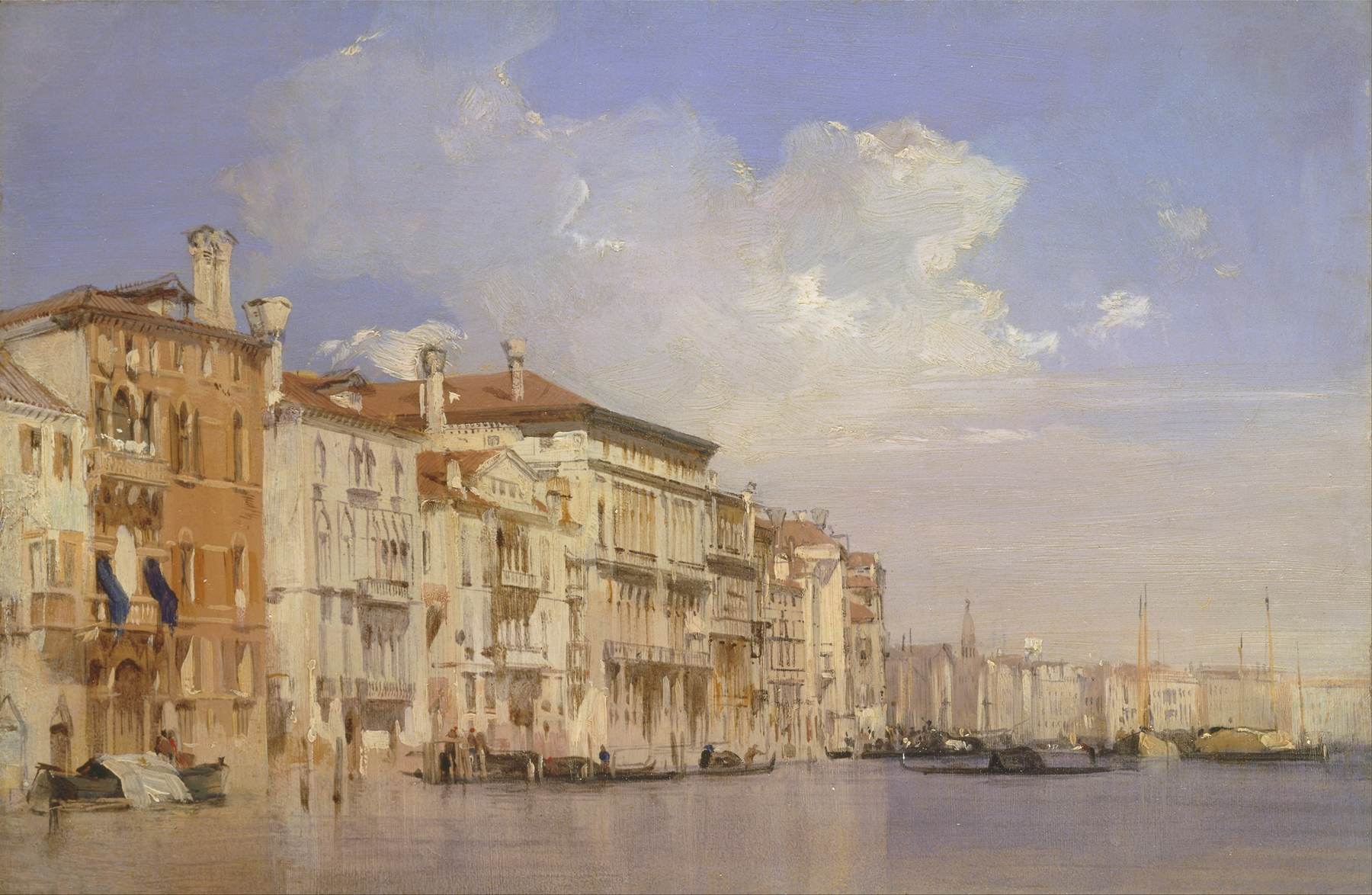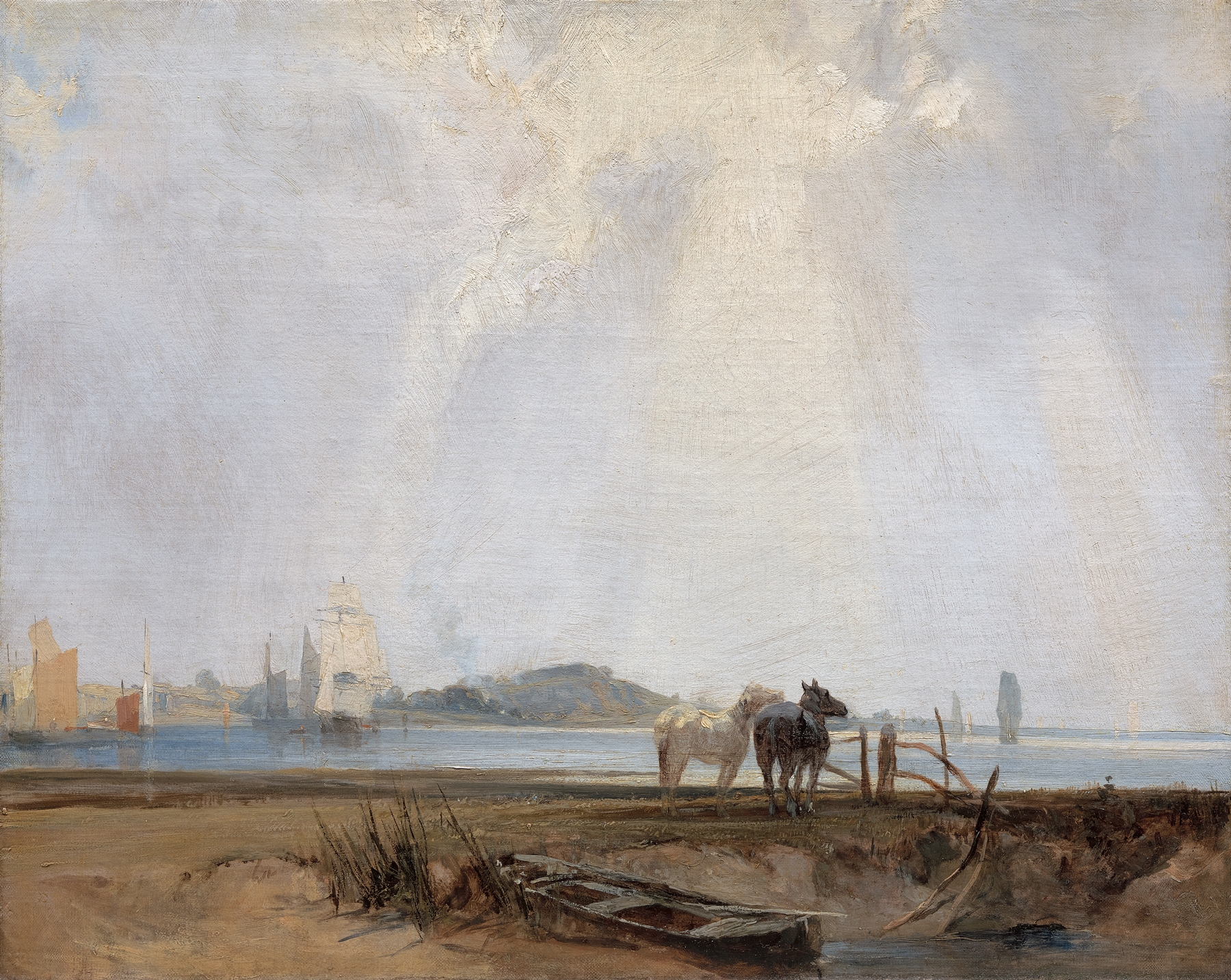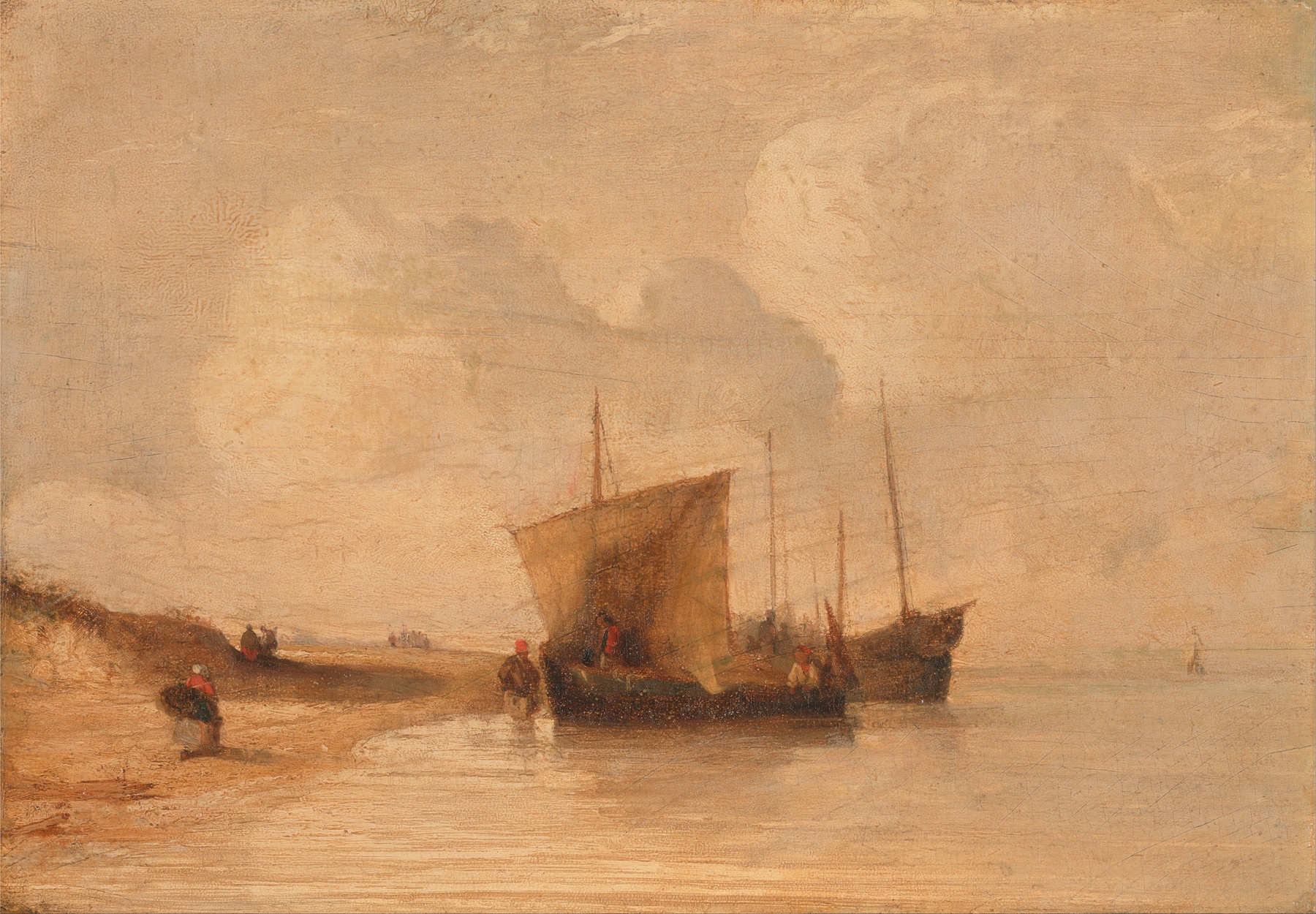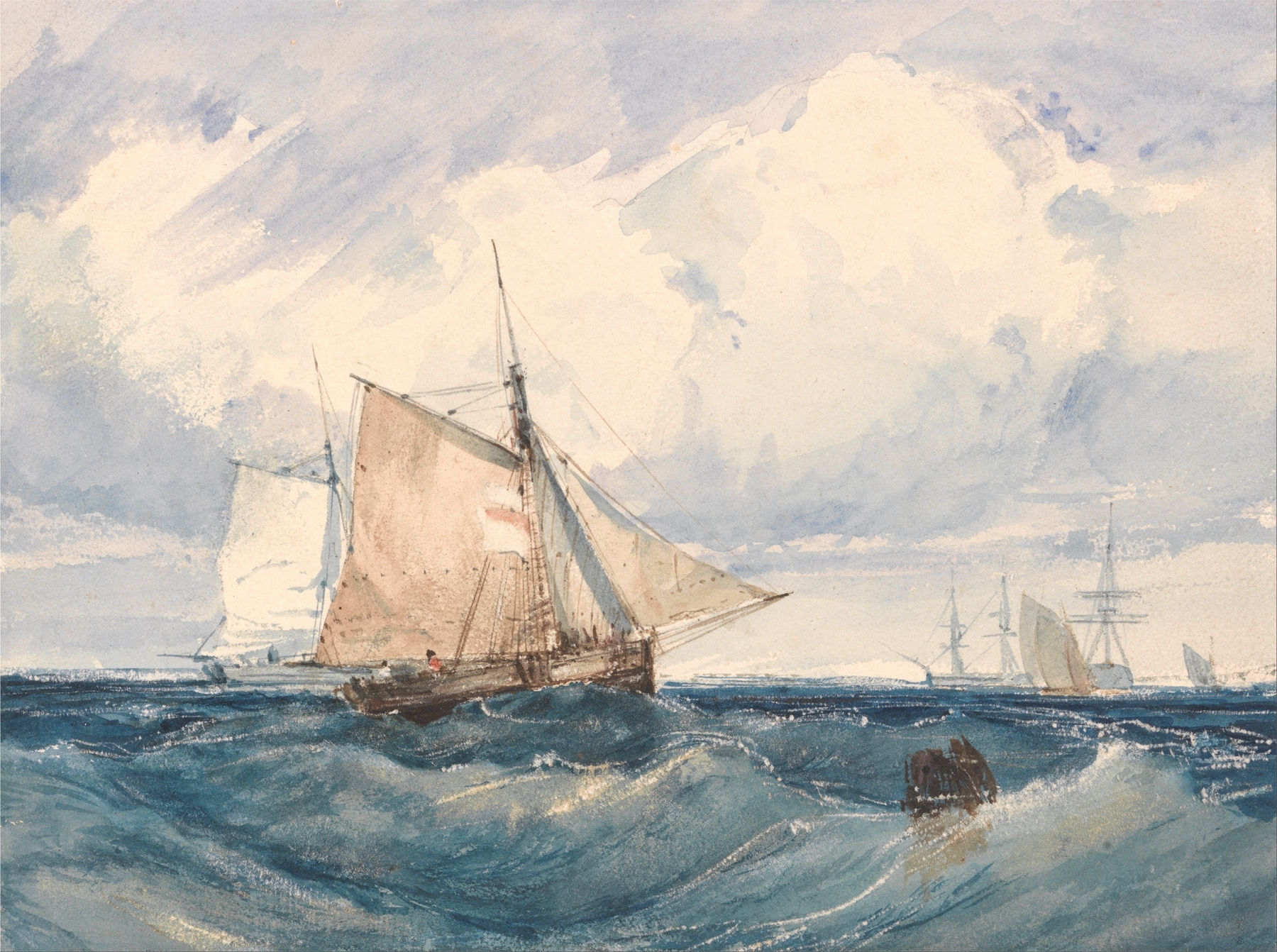
“To paint is to remember what time wants us to forget.” In the gentle embrace of the sea breeze, a yearning lingers, as dreams and memories stir amid the canvas waves. Look to the center of the piece, where the cutter gracefully slices through the shimmering water. The wind fills its sails, curving them into a dance, while the soft palette of blues and greens invites the viewer to feel the coolness of the scene. Notice how the artist captures the fleeting light—each reflection on the water seems to whisper secrets of distant shores. The composition is balanced yet dynamic, leading the eye toward the horizon where sky and sea converge in a haze of possibility. Within the calm, there exists a tension: the cutter is anchored in motion, buoyed by the breeze, yet it suggests both freedom and transience. Observe the other vessels dotting the canvas, each a testament to lives lived on the water, echoing aspirations and unfulfilled quests. This juxtaposition of stillness and motion creates an emotional landscape that resonates with the human experience of longing—an invitation to reflect on both adventure and nostalgia. Created during an unrecorded period of the artist's life, this painting exemplifies Bonington’s engagement with maritime subjects. Active primarily in the early 19th century, he was deeply influenced by the Romantic movement, which celebrated nature's beauty and humanity's fleeting moments within it. As he painted, Bonington found himself amidst a burgeoning landscape of Impressionism, where light and atmosphere began to transform the conventions of art, giving rise to a new understanding of the world.