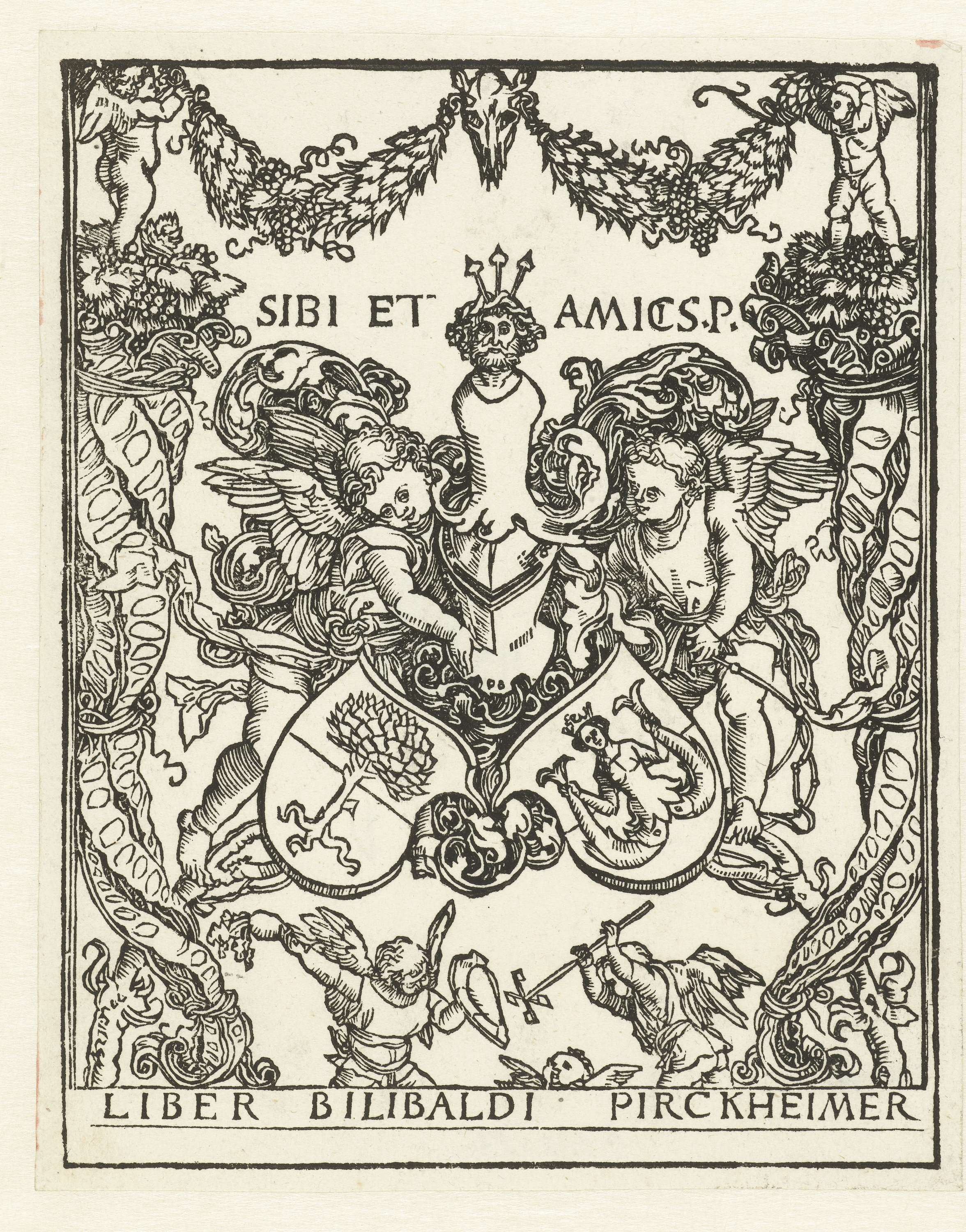
Ex libris Willibald Pirckheimer — History & Analysis
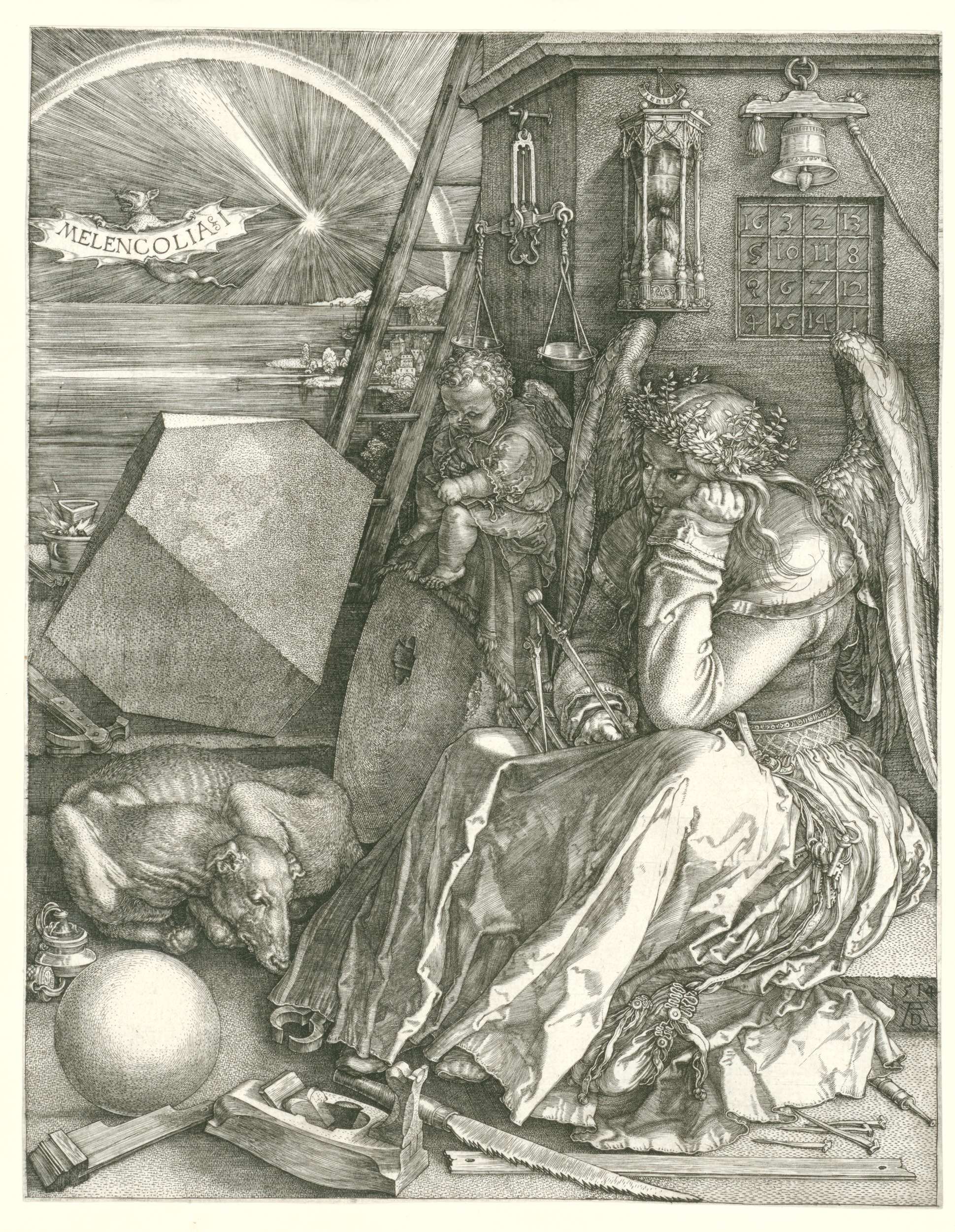
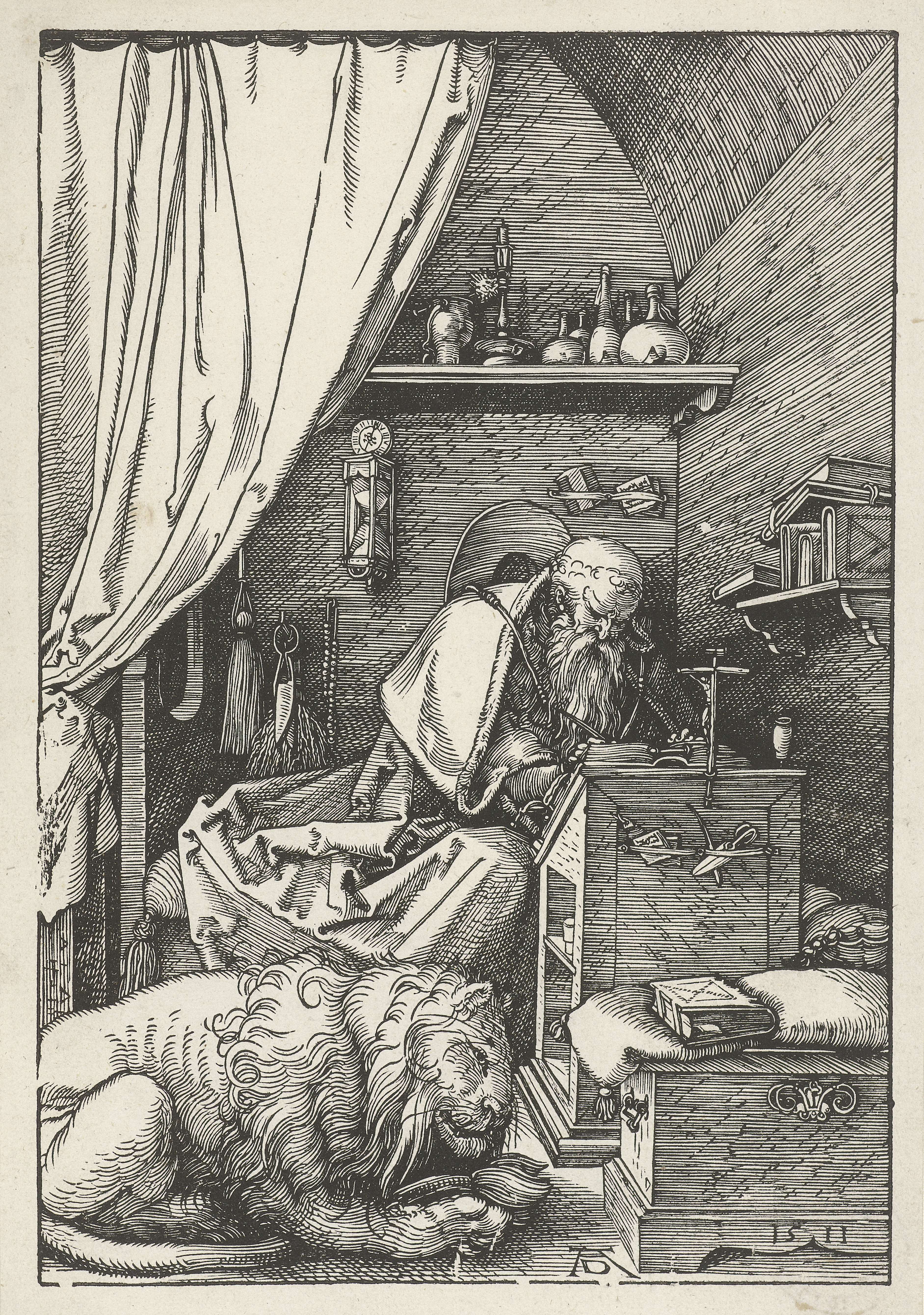
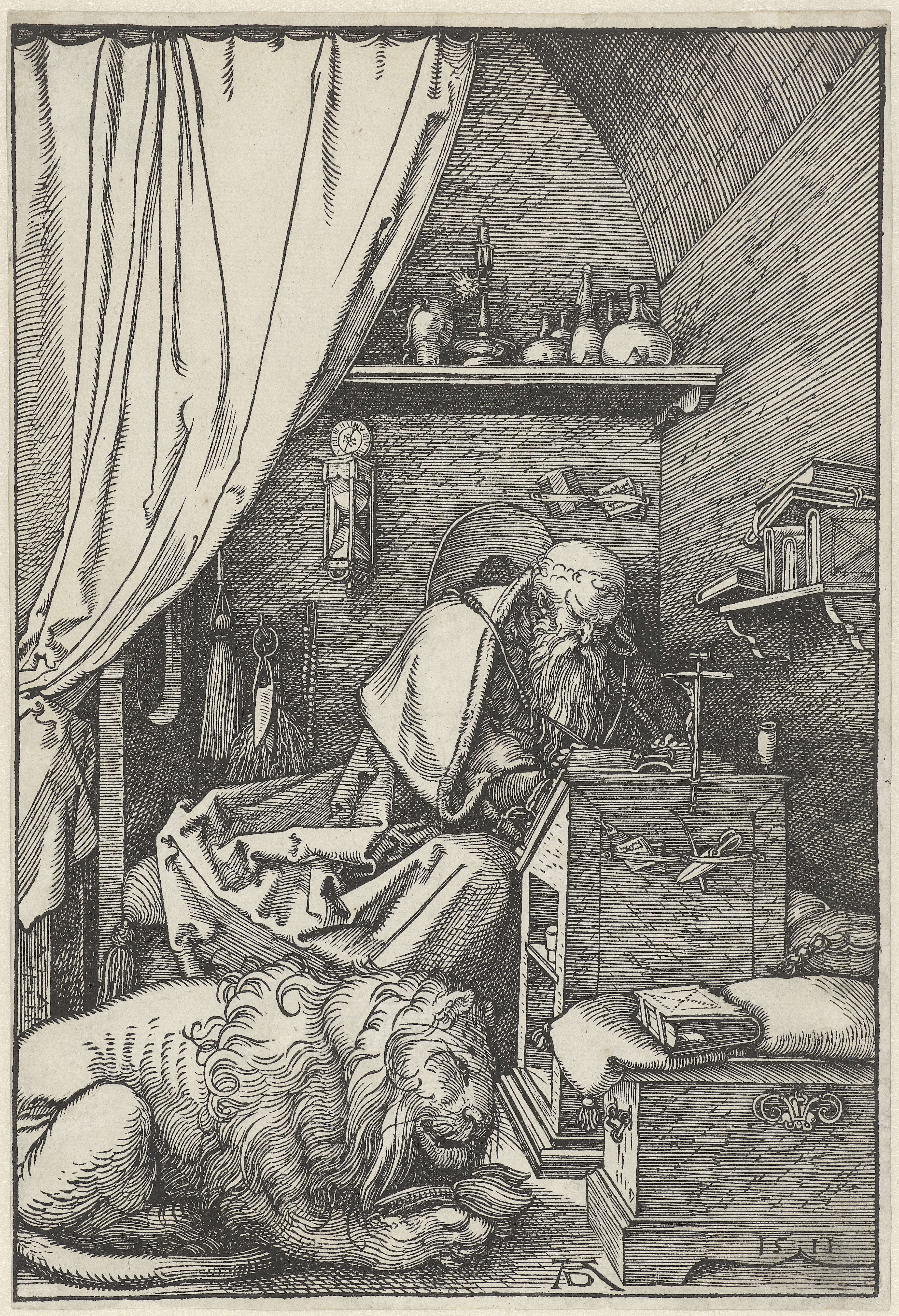
What if silence could speak through light? In Albrecht Dürer’s Ex libris Willibald Pirckheimer, the intricate interplay of shadow and illumination invites contemplation on beauty, knowledge, and the whispered truths of the written word. Focus on the finely detailed figure of a scholar, perched contemplatively amidst a cascade of books and scrolls. Notice how the light cascades from an unseen source, shimmering upon the open pages that seem to beckon the viewer.
Dürer’s meticulous engravings create a palpable texture, from the soft folds of the scholar’s robe to the delicate play of light on the bindings, drawing your gaze into a dialogue with the wisdom contained within those tomes. Yet, within this serene tableau, a tension unfolds. The scholar’s gaze is distant, suggesting a yearning for knowledge that may remain forever just out of reach. The surrounding books, while beautiful, are emblematic of the weight of responsibility and the burden of curiosity.
This captures the relationship between beauty and isolation; aesthetic allure exists alongside the solitude of intellectual pursuit, each element enhancing the other in a dance of contradictions. Created between 1590 and 1600, this engraving reflects Dürer’s late career, during which he was deeply immersed in the world of printmaking. At this time, he was grappling with the emergence of the Reformation, which profoundly impacted art and knowledge dissemination. The work stands as both a personal homage to his friend Willibald Pirckheimer and a broader commentary on the pursuit of enlightenment in an evolving cultural landscape.