Fabrieksschouwen en auto’s — History & Analysis
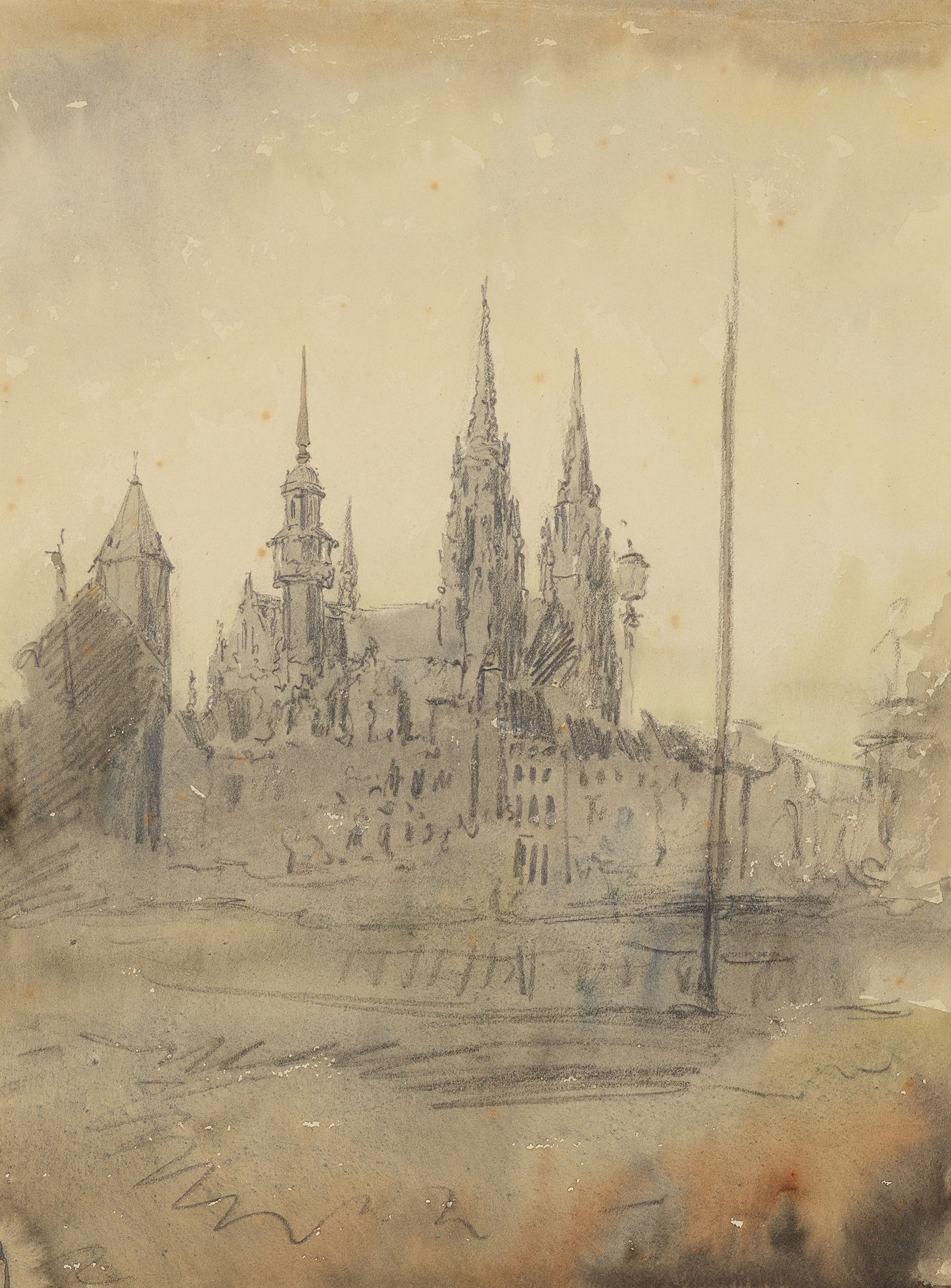
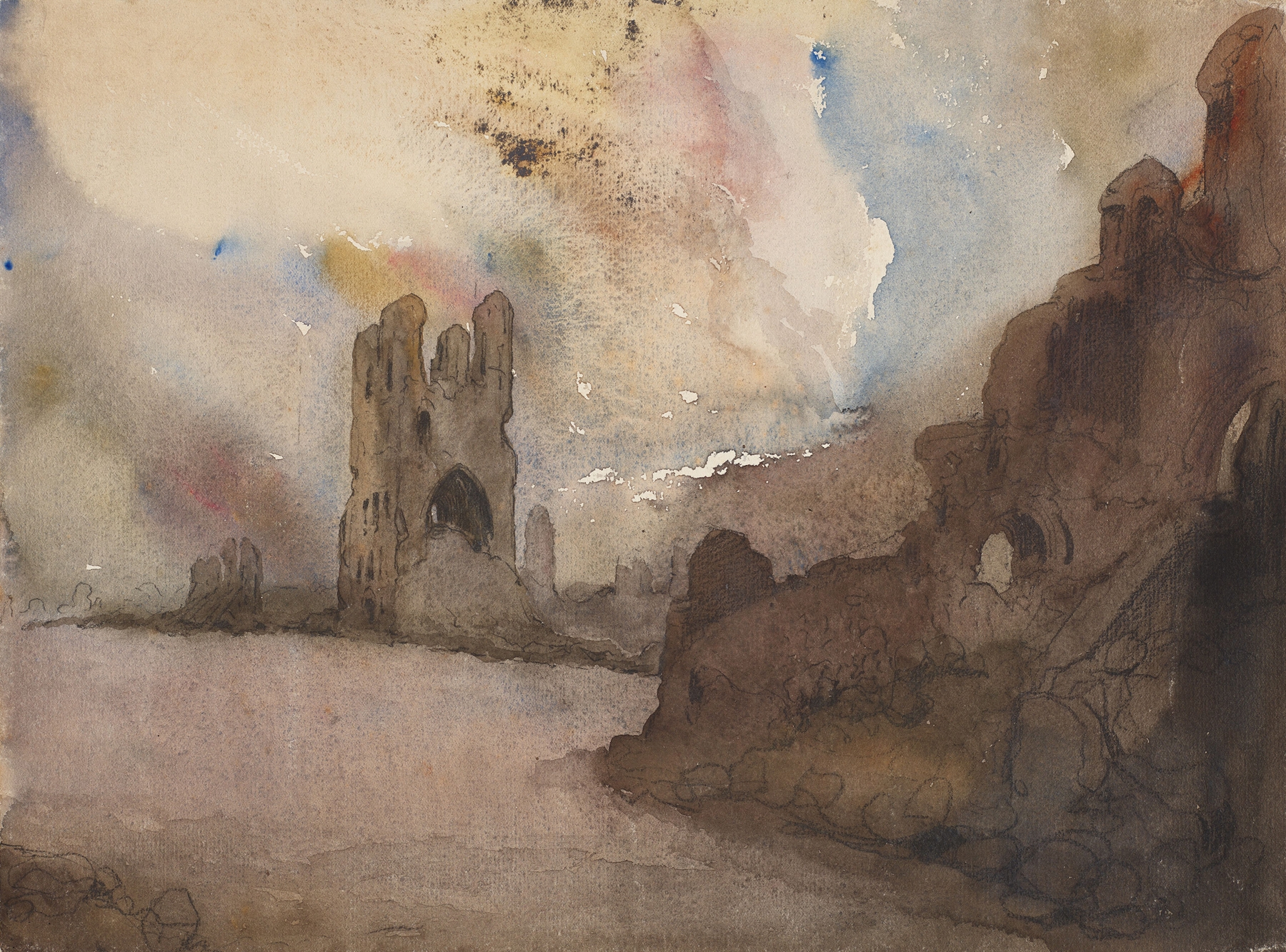
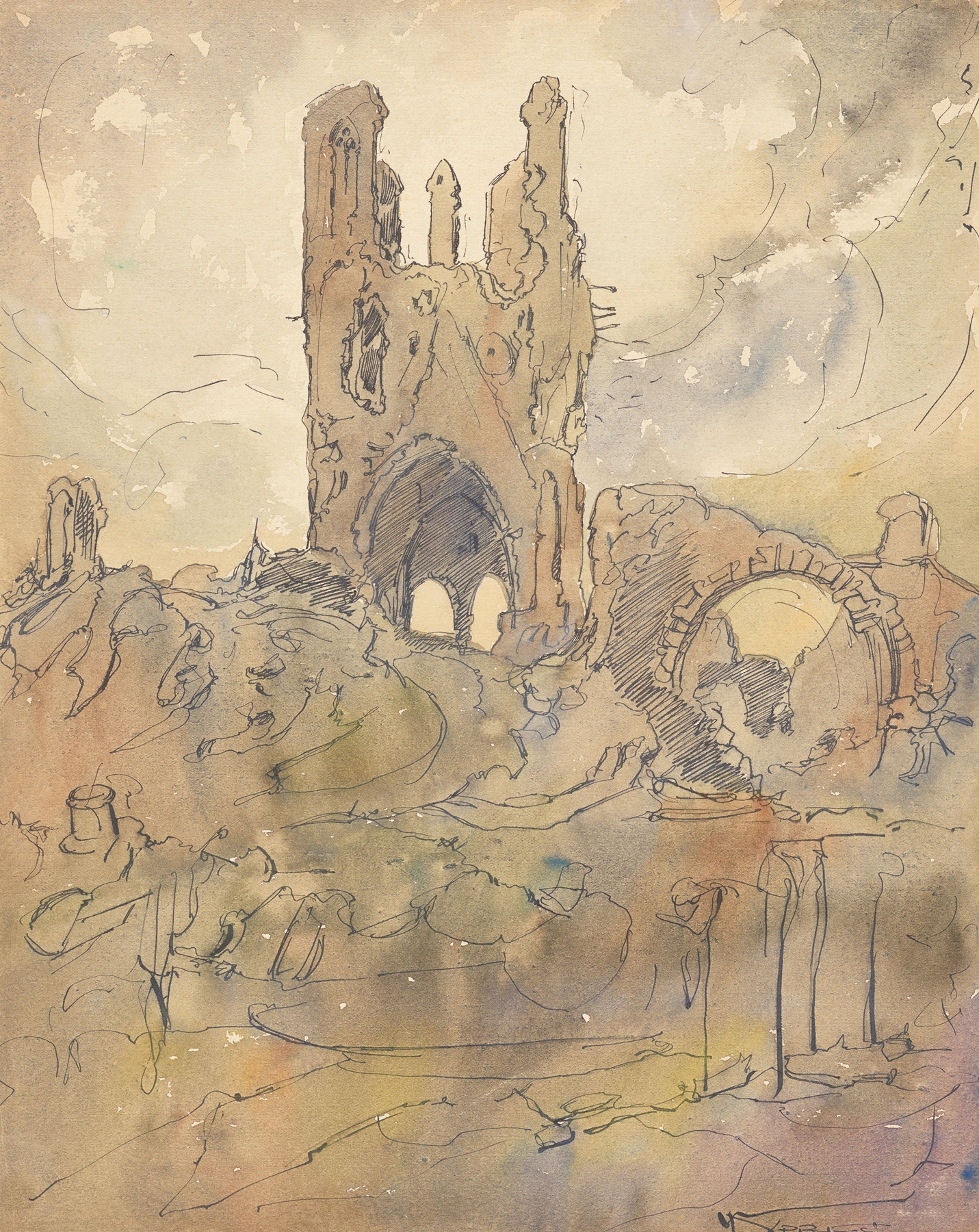
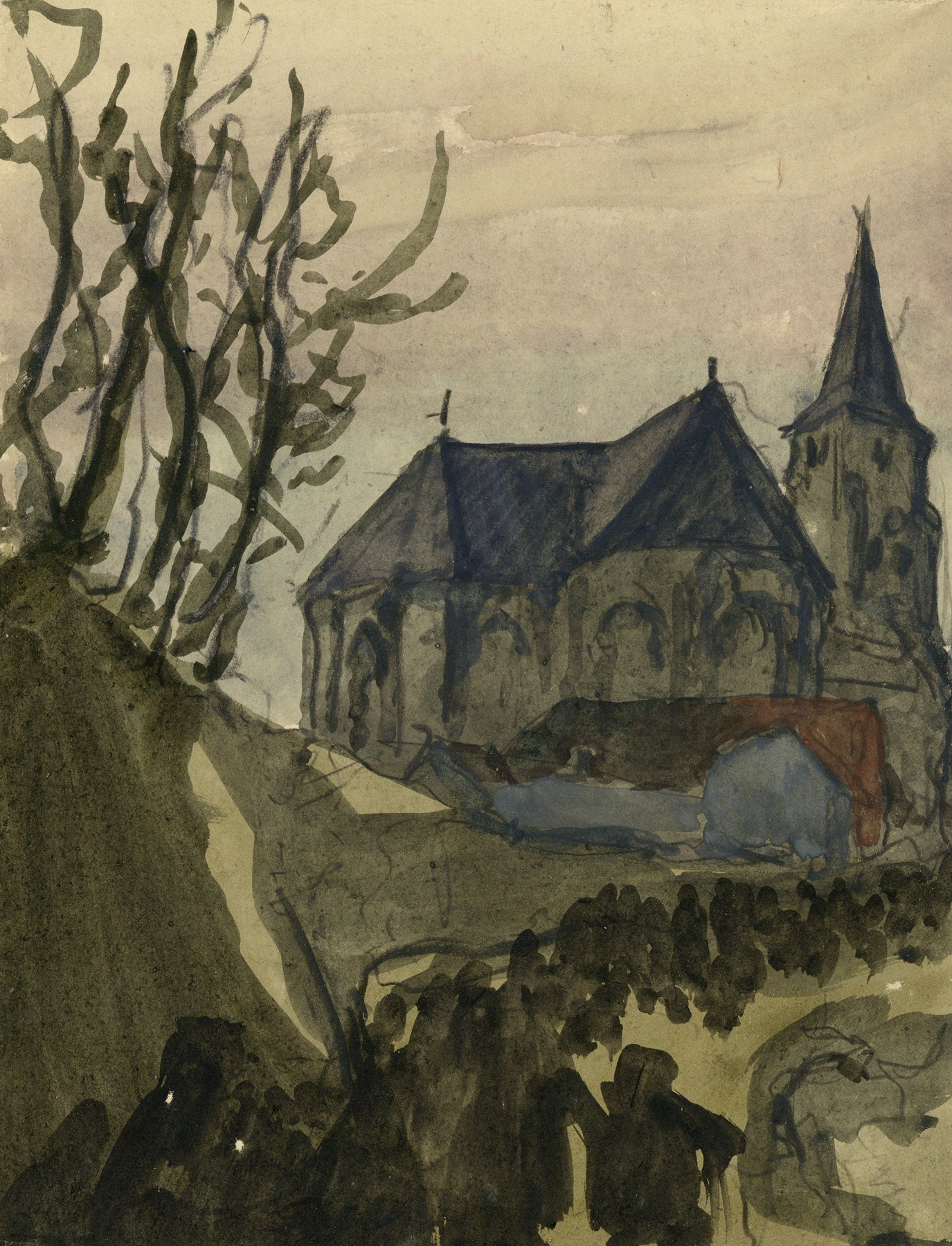
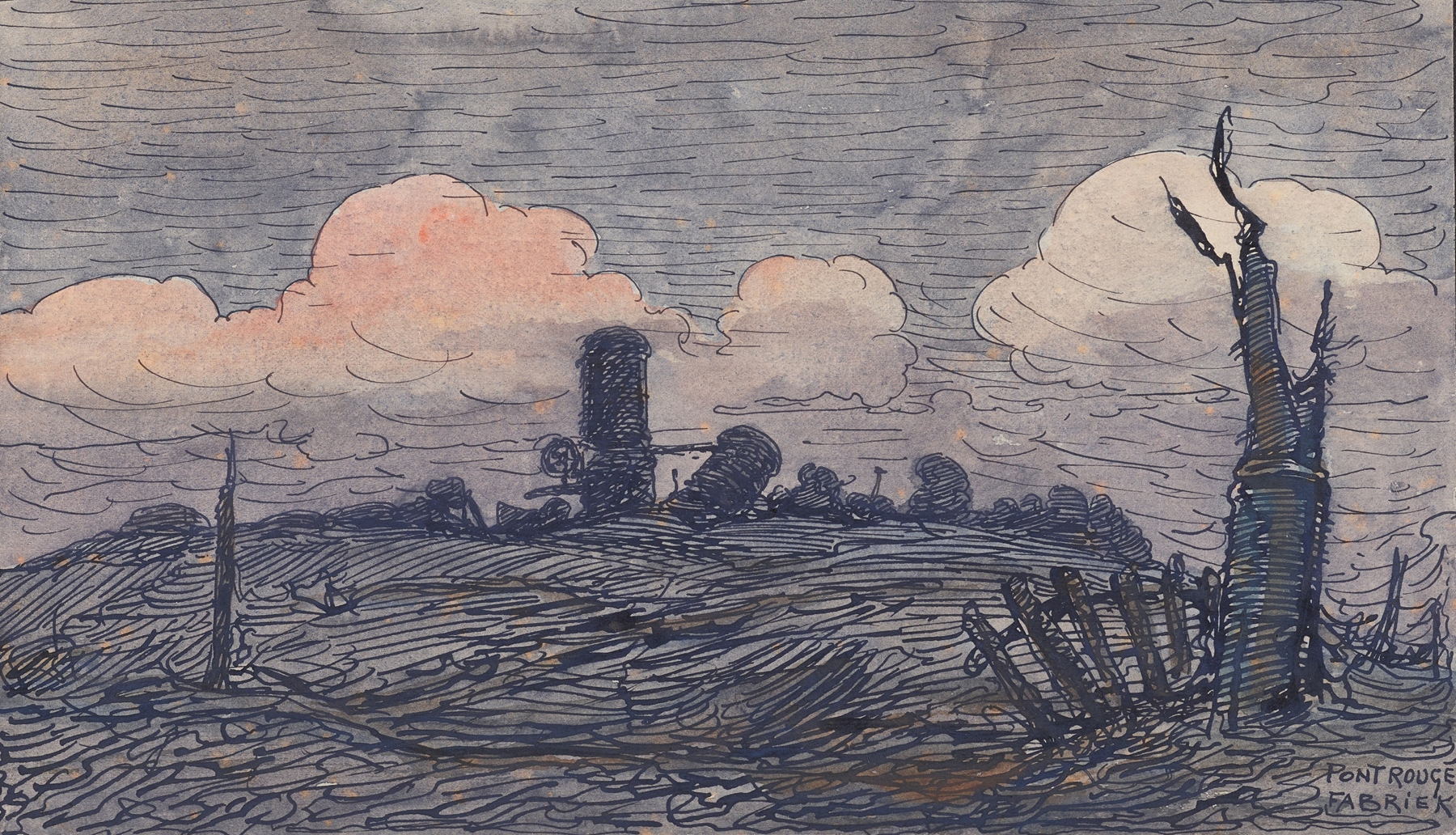
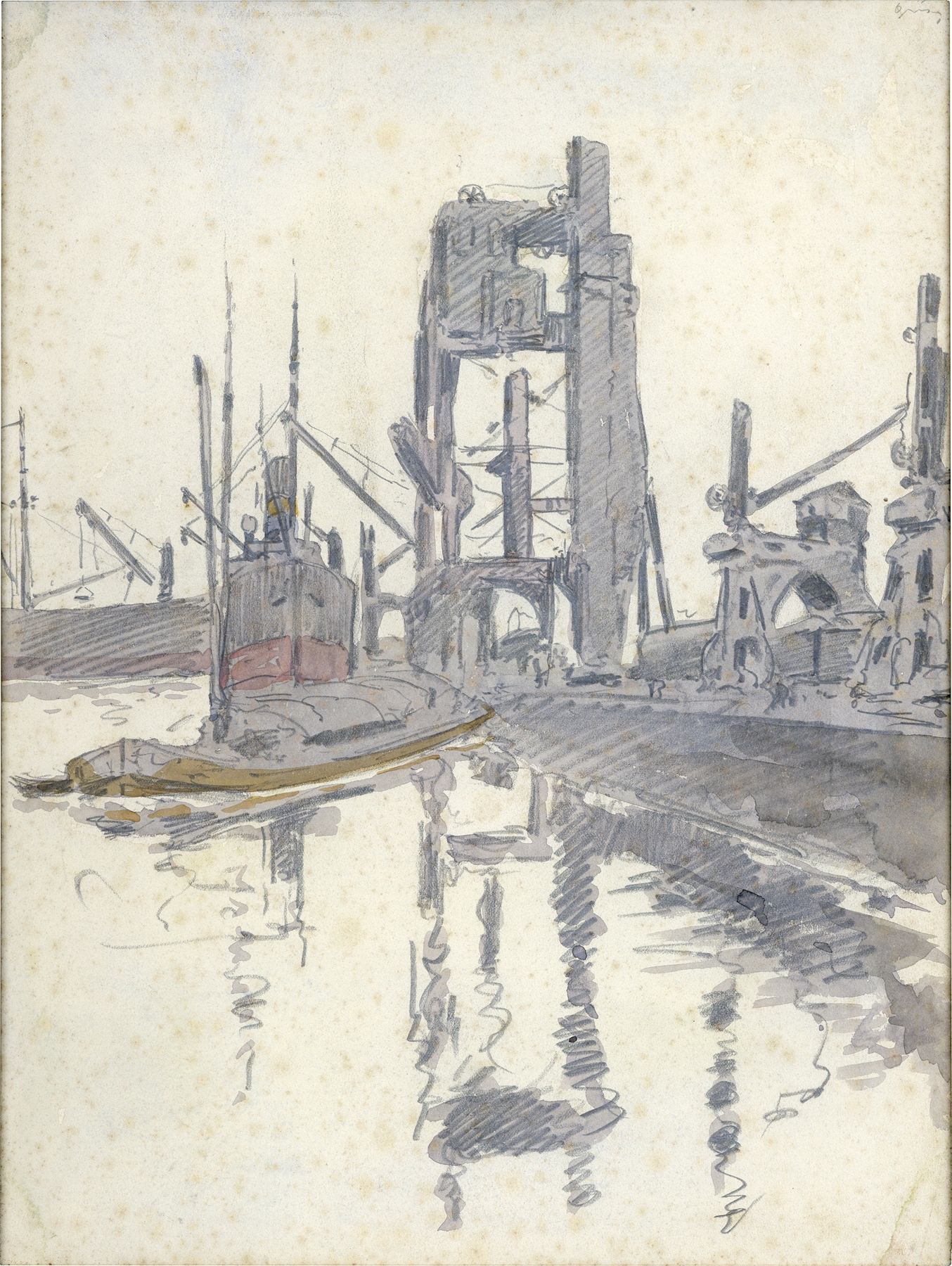
What if silence could speak through light? In Fabrieksschouwen en auto’s, a haunting stillness wraps around the industrial landscape, allowing the viewer to consider the void that lies beneath the visible surface. Look to the left where towering factory smokestacks rise against a muted sky, casting elongated shadows that stretch across the scene. The palette is dominated by somber hues, evoking a sense of melancholy; grays and browns mingle with the softer blues of the distant horizon.
A solitary automobile glints faintly in the foreground, its presence a stark contrast to the monumental structures that loom silently behind it, hinting at the encroaching influence of modernity. Within the composition, the juxtaposition of man-made machinery and the surrounding emptiness generates a profound emotional tension. The smokestacks, symbols of industrial progress, breathe life into the void, yet they also signify the encroachment of mechanization on the natural world. The lone automobile becomes an emblem of human isolation in a rapidly evolving landscape, raising questions about connection and disconnection in the face of progress.
Alfred Ost painted this work in 1922, during a time when Europe was grappling with the aftermath of World War I and the burgeoning industrial age. Working from Belgium, Ost was influenced by the socio-economic shifts of his time, capturing the essence of a world balancing on the precipice of change. This period marked a significant evolution in art, where realism began to reflect not just beauty, but also the stark realities of modern life.