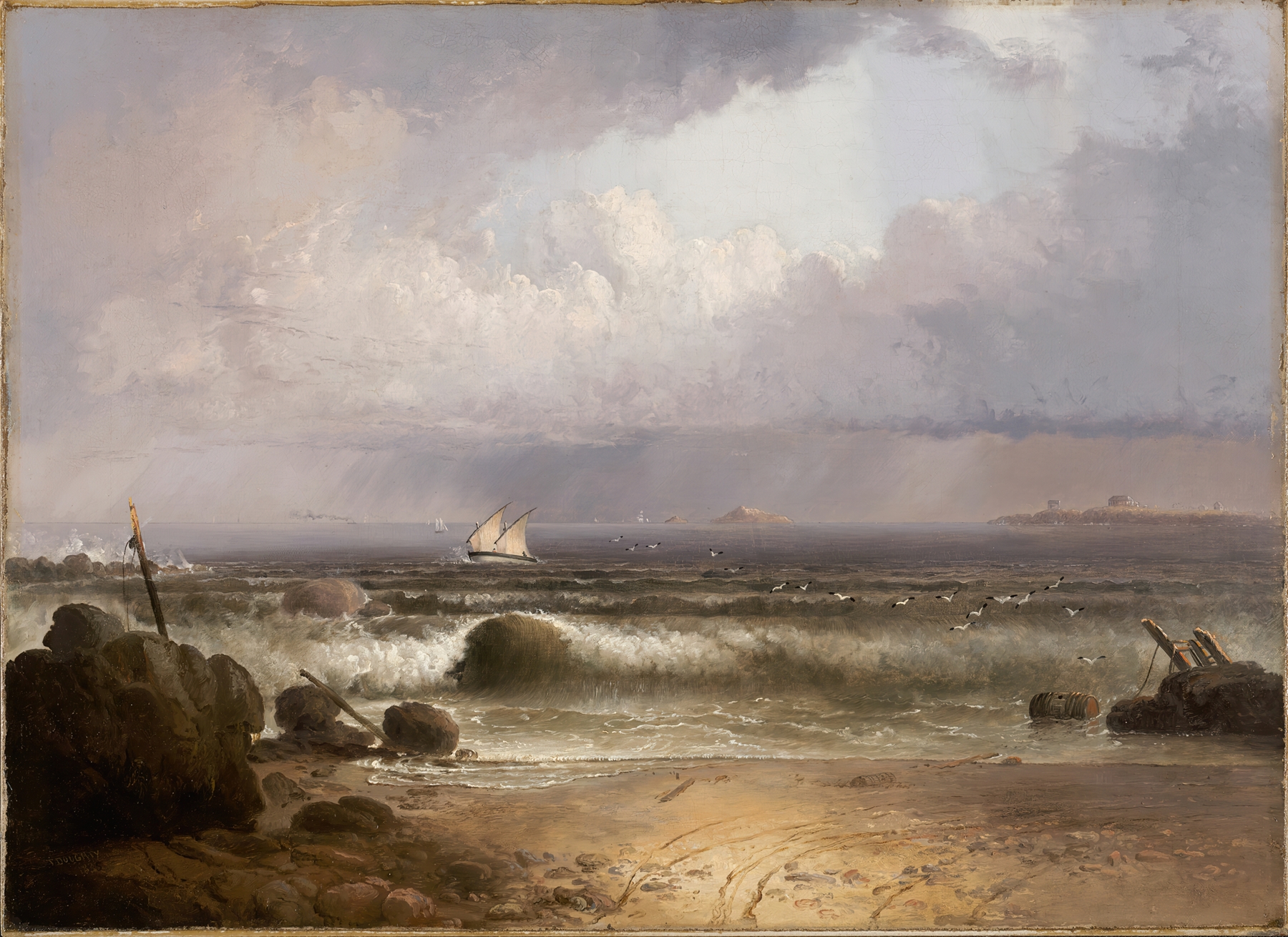
Fanciful Landscape — History & Analysis
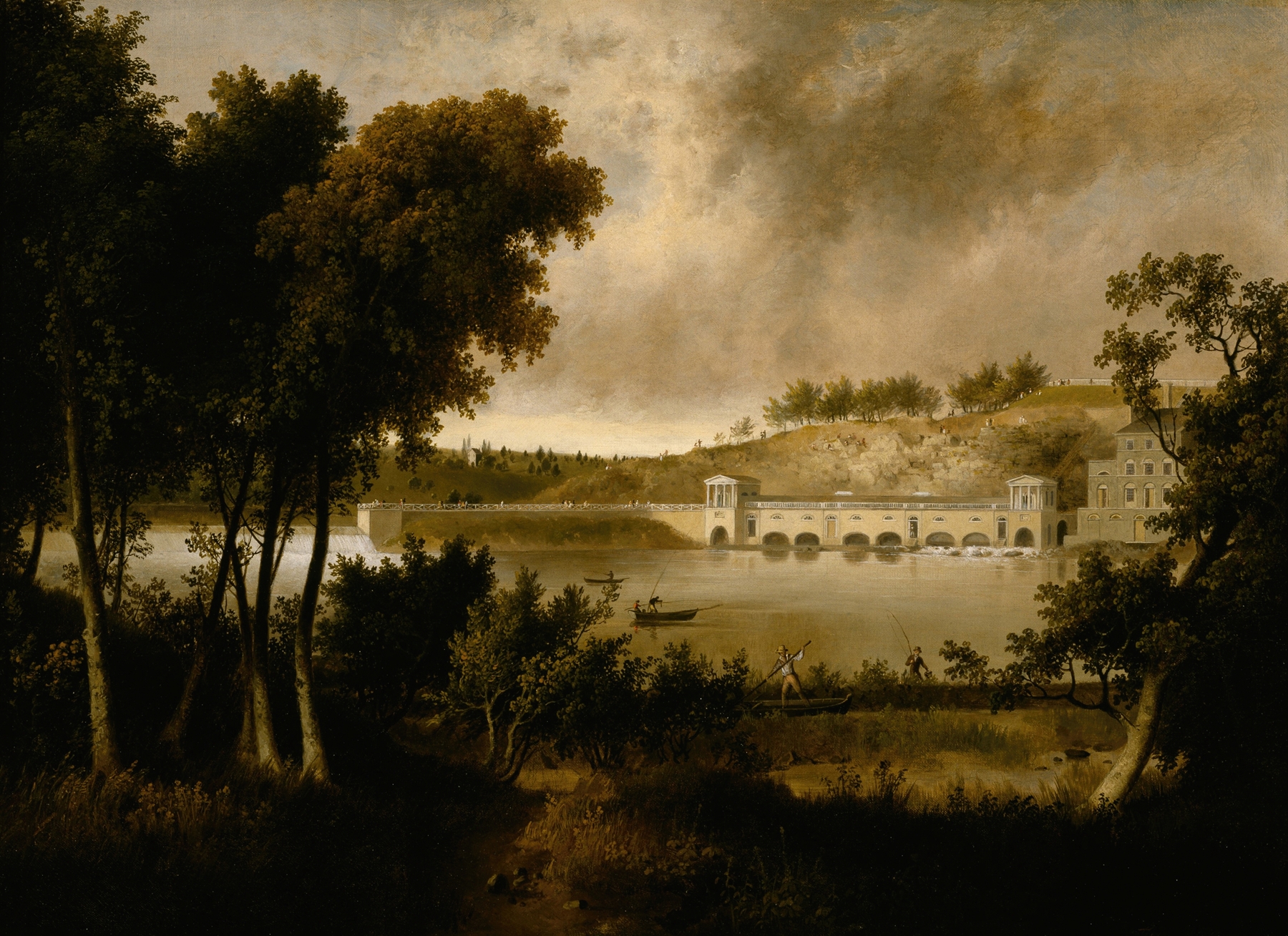
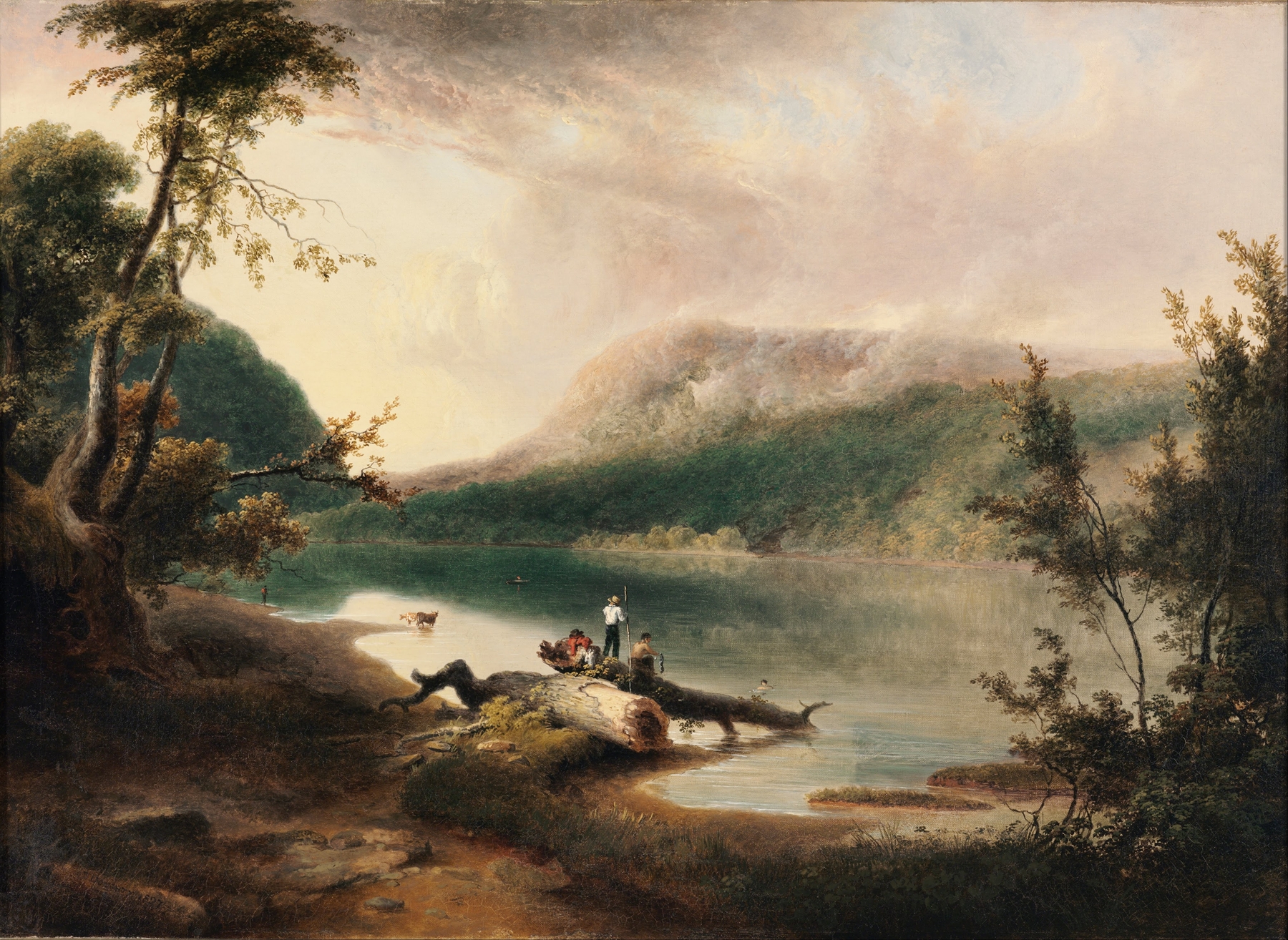
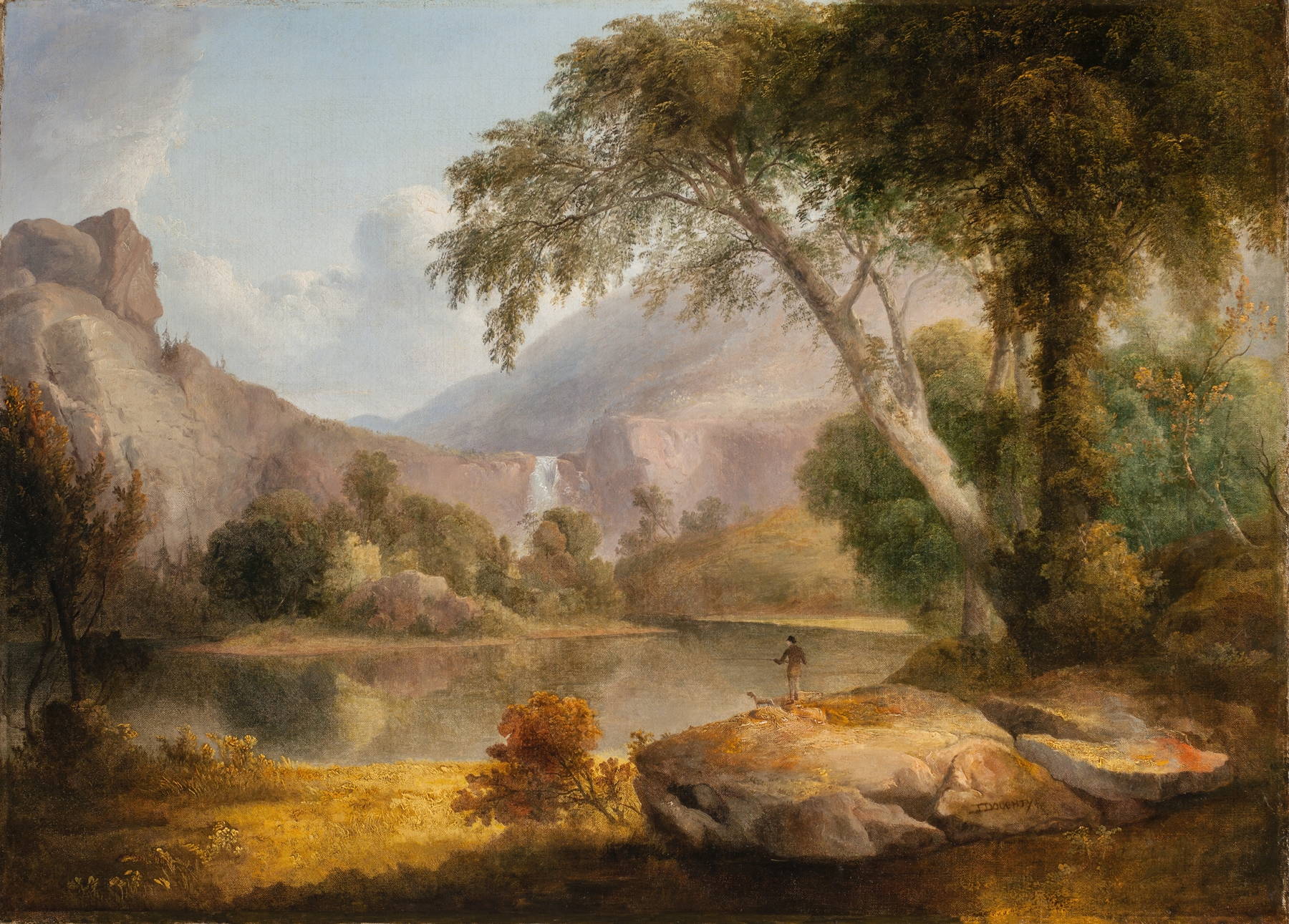
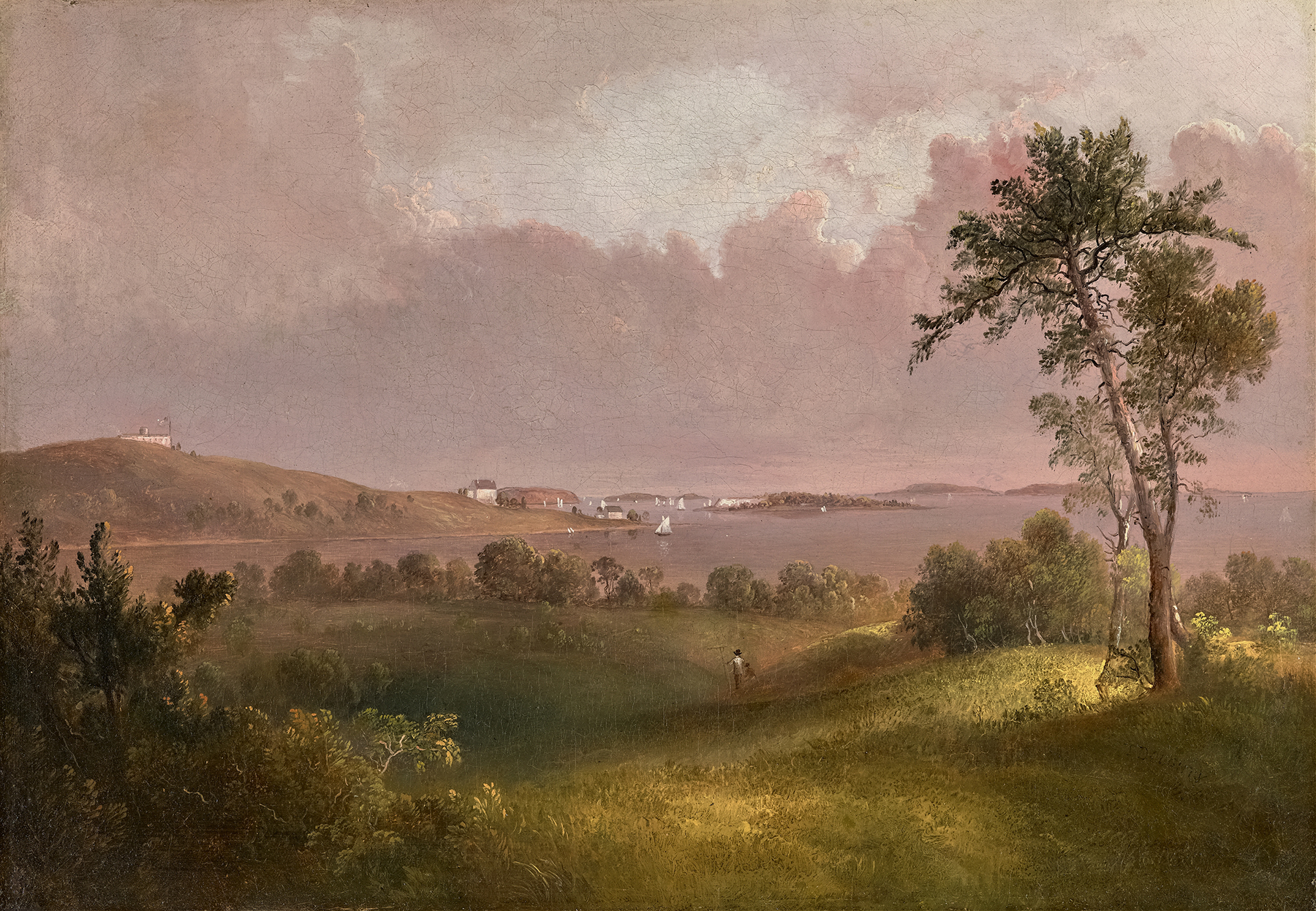
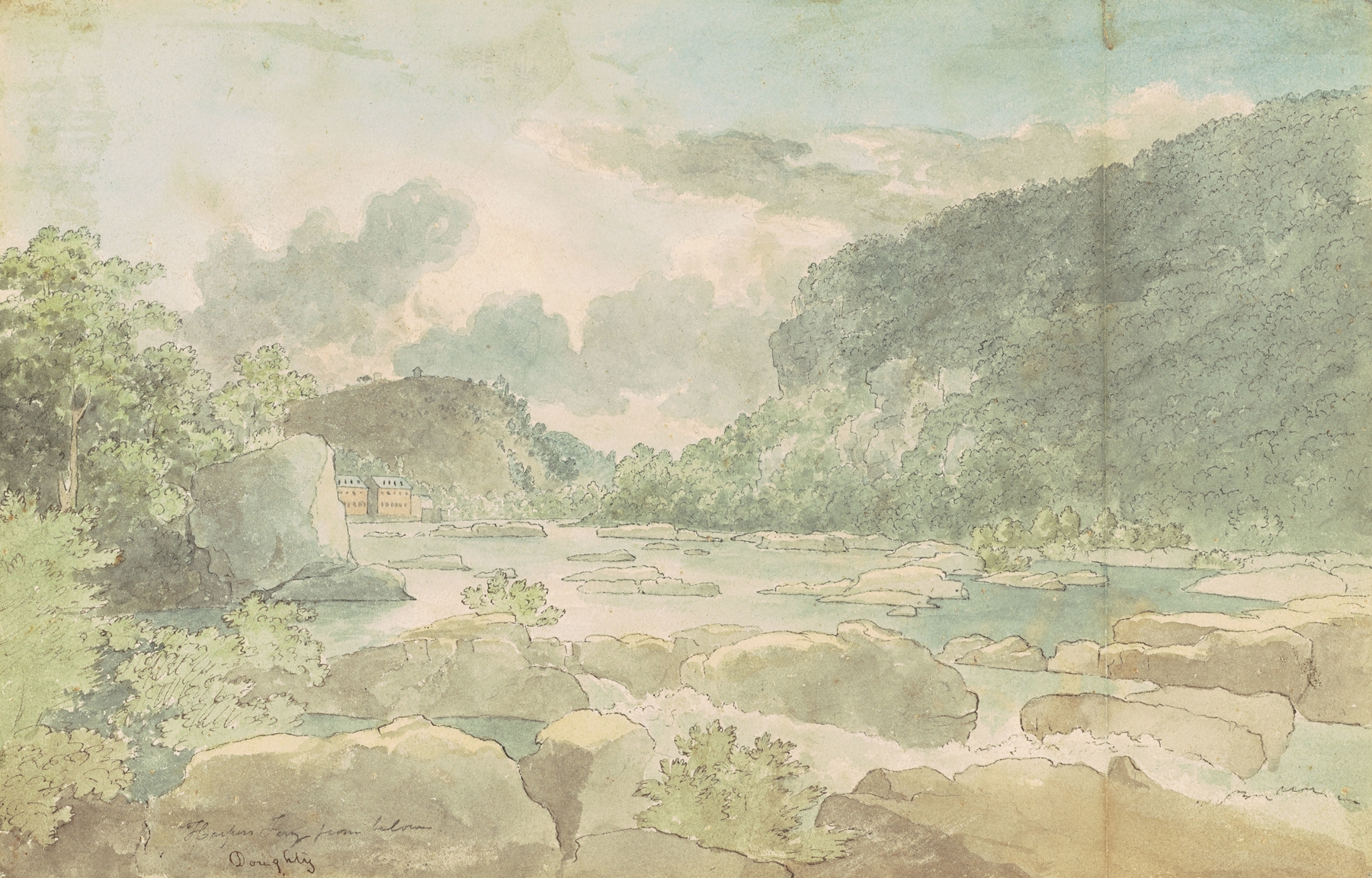
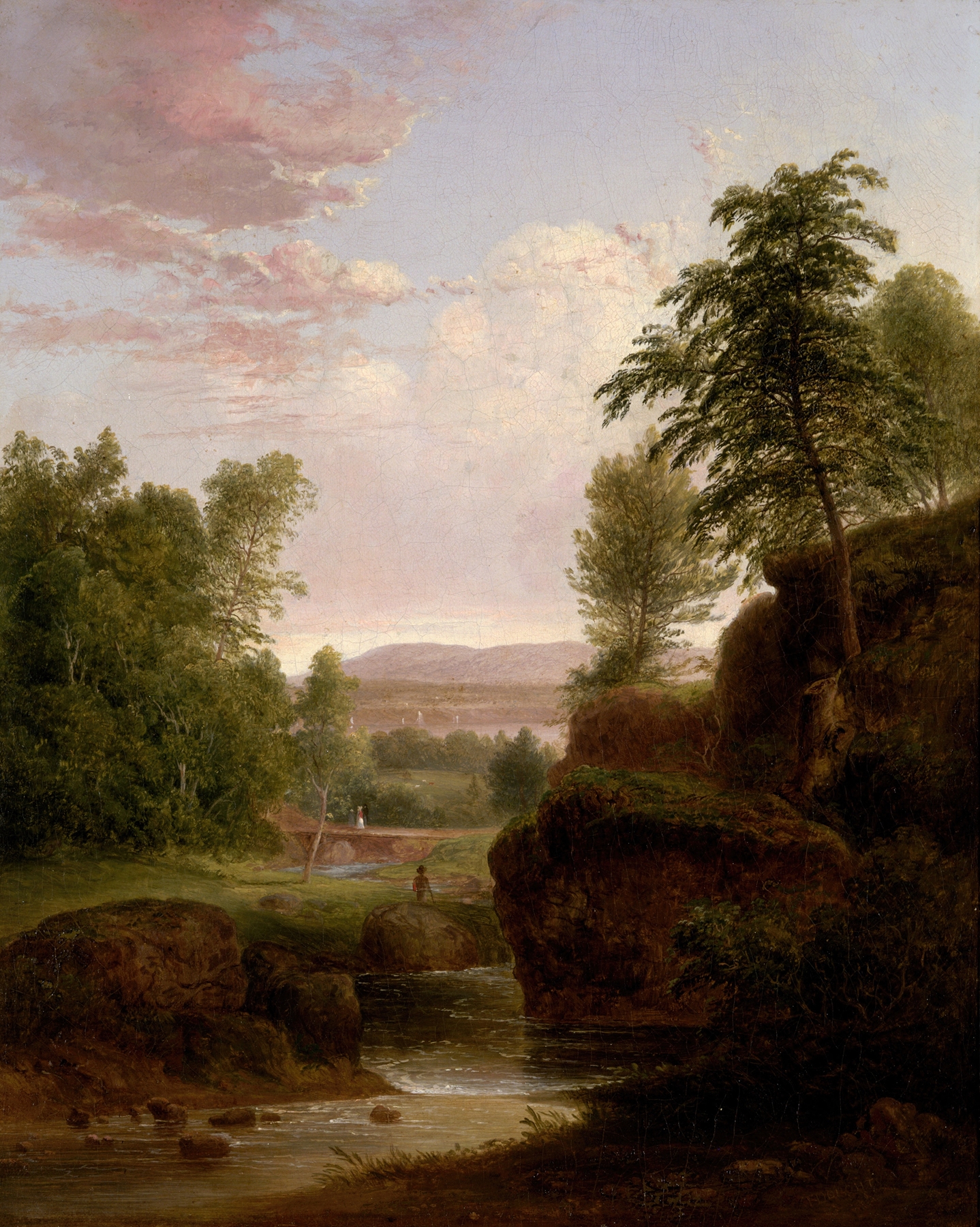
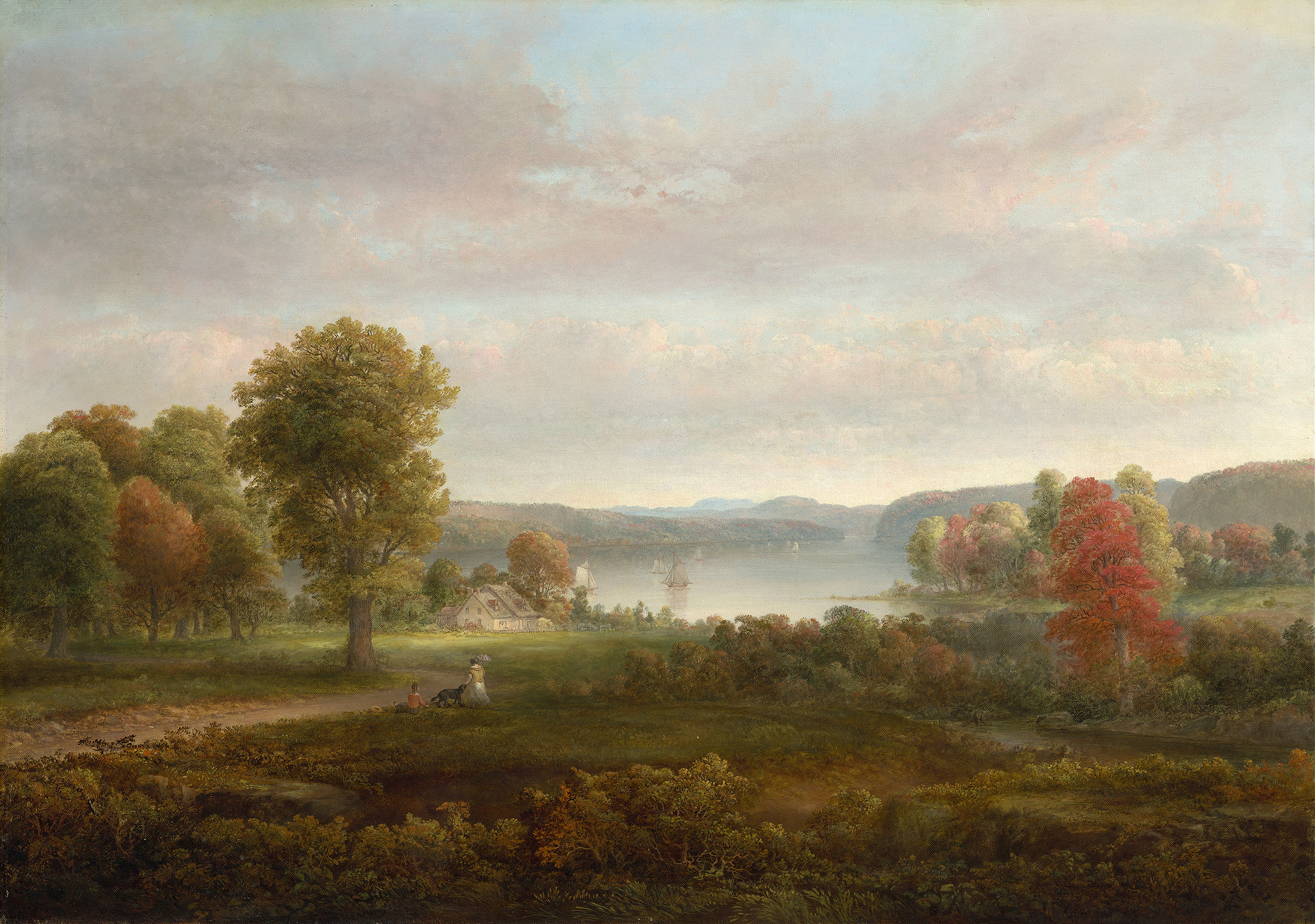
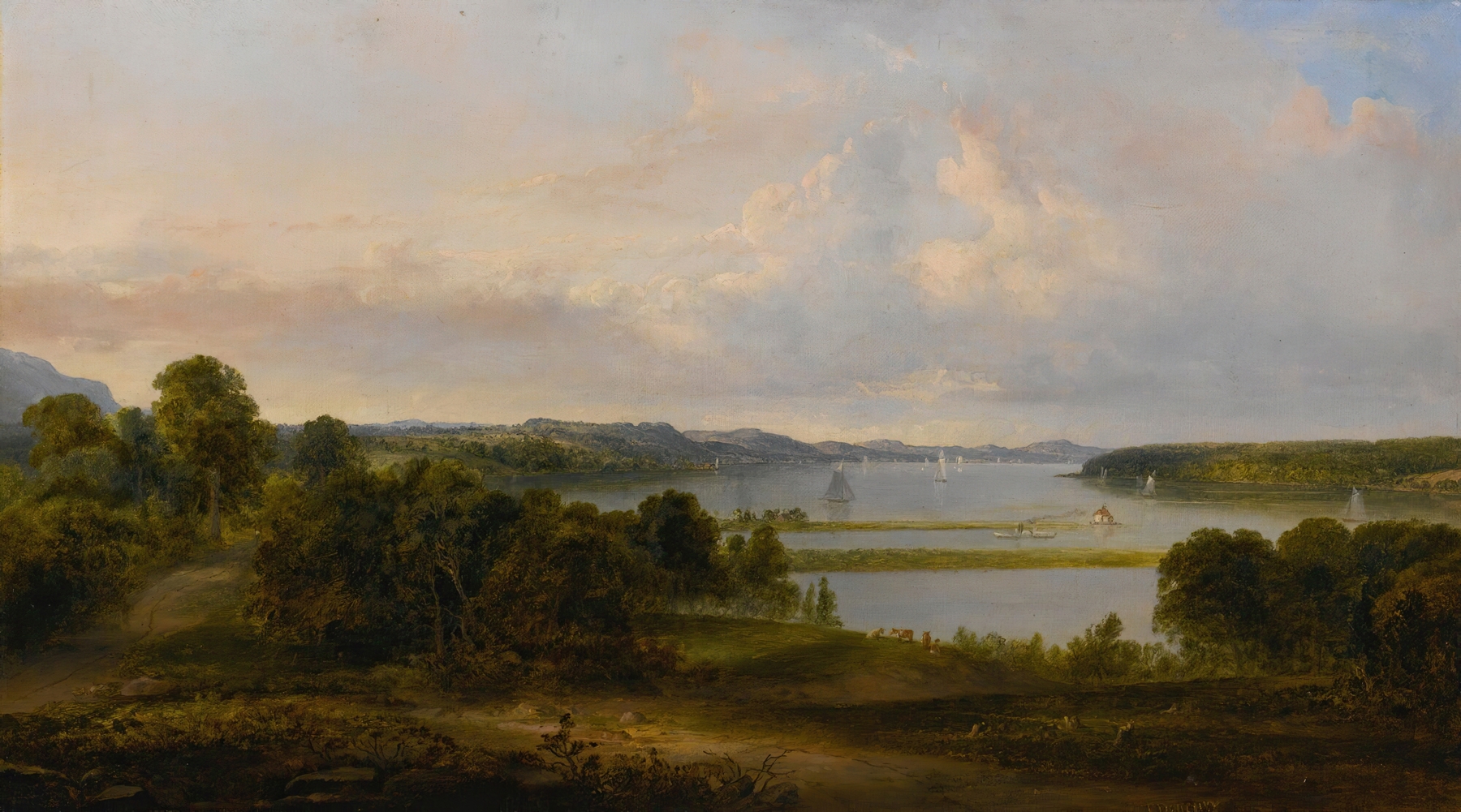
When did color learn to lie? As one gazes upon the verdant expanse of a tranquil landscape, it becomes evident that nature's palette can evoke both beauty and deception. The vibrant hues draw us in, but hidden beneath the surface lies a complex narrative of legacy and artistry. Look to the left at the rolling hills, where a cascade of greens and golds harmonizes with the cerulean sky. The brushstrokes are delicate yet assertive, blending seamlessly to create a sense of depth and movement.
Notice how the sunlight dances upon the surface of a meandering river, reflecting the surrounding flora as if nature itself were a masterful painter. The careful composition guides the viewer’s eye through an idyllic realm that balances both serenity and grandeur. Beneath this picturesque scene lies a tension between idyllic beauty and the ephemeral nature of existence. The towering trees seem to whisper secrets of time, while the distant mountains convey a sense of permanence that contrasts with the fleeting light in the foreground.
This interplay reveals the artist's awareness of nature's duality—its ability to inspire wonder and evoke contemplation of our relationship with the landscape and its legacy. In 1834, Doughty painted this piece during his time in Pennsylvania, amidst a burgeoning American art movement that sought to forge a distinct national identity. His works reflected both the romantic ideals of the sublime and a deep appreciation for the natural world, as he grappled with the evolving role of art in an age of industrialization. This painting stands as a testament to his mastery, serving as a bridge between romantic aspirations and the burgeoning American landscape tradition.