Farm Building in a Landscape — History & Analysis
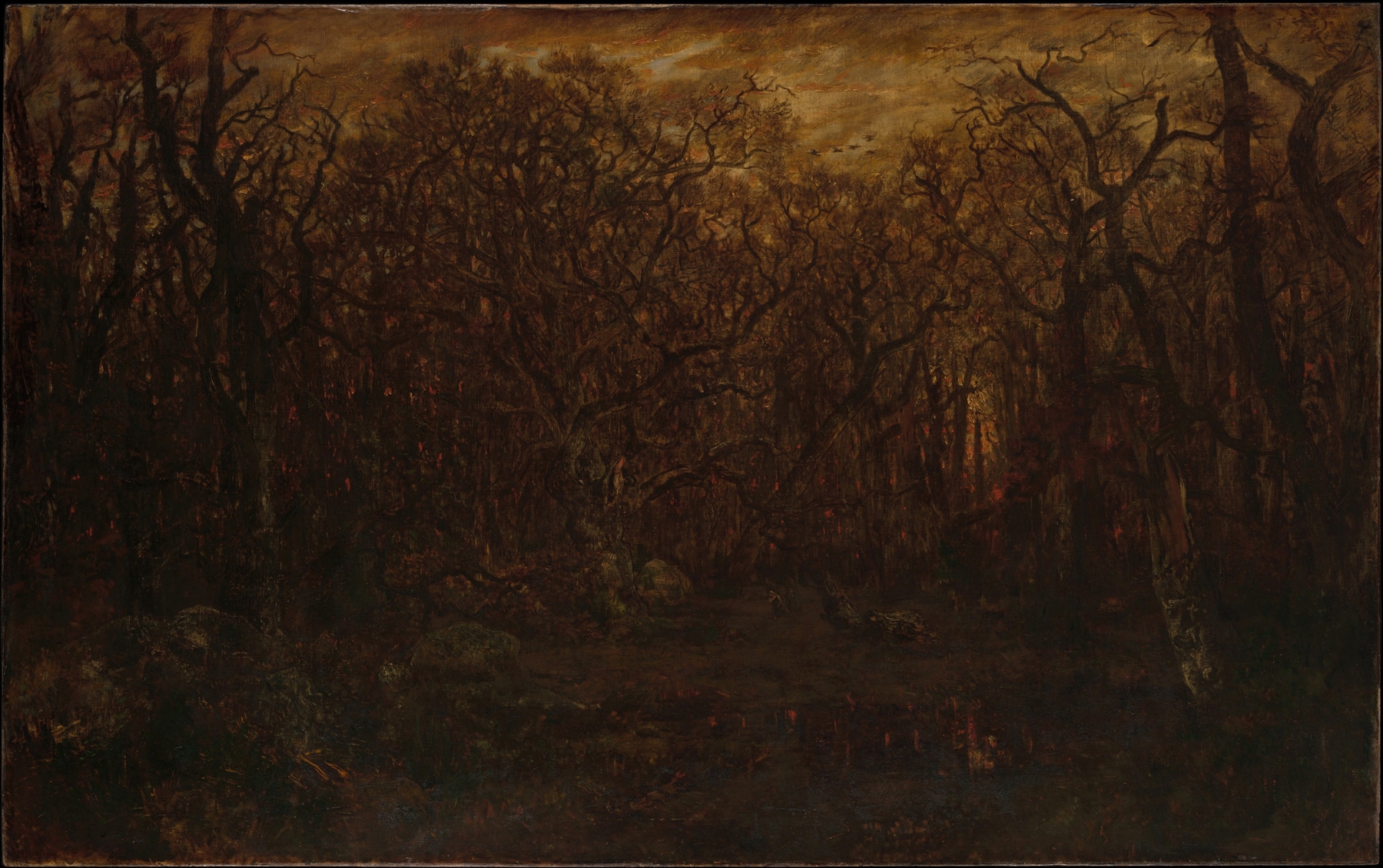
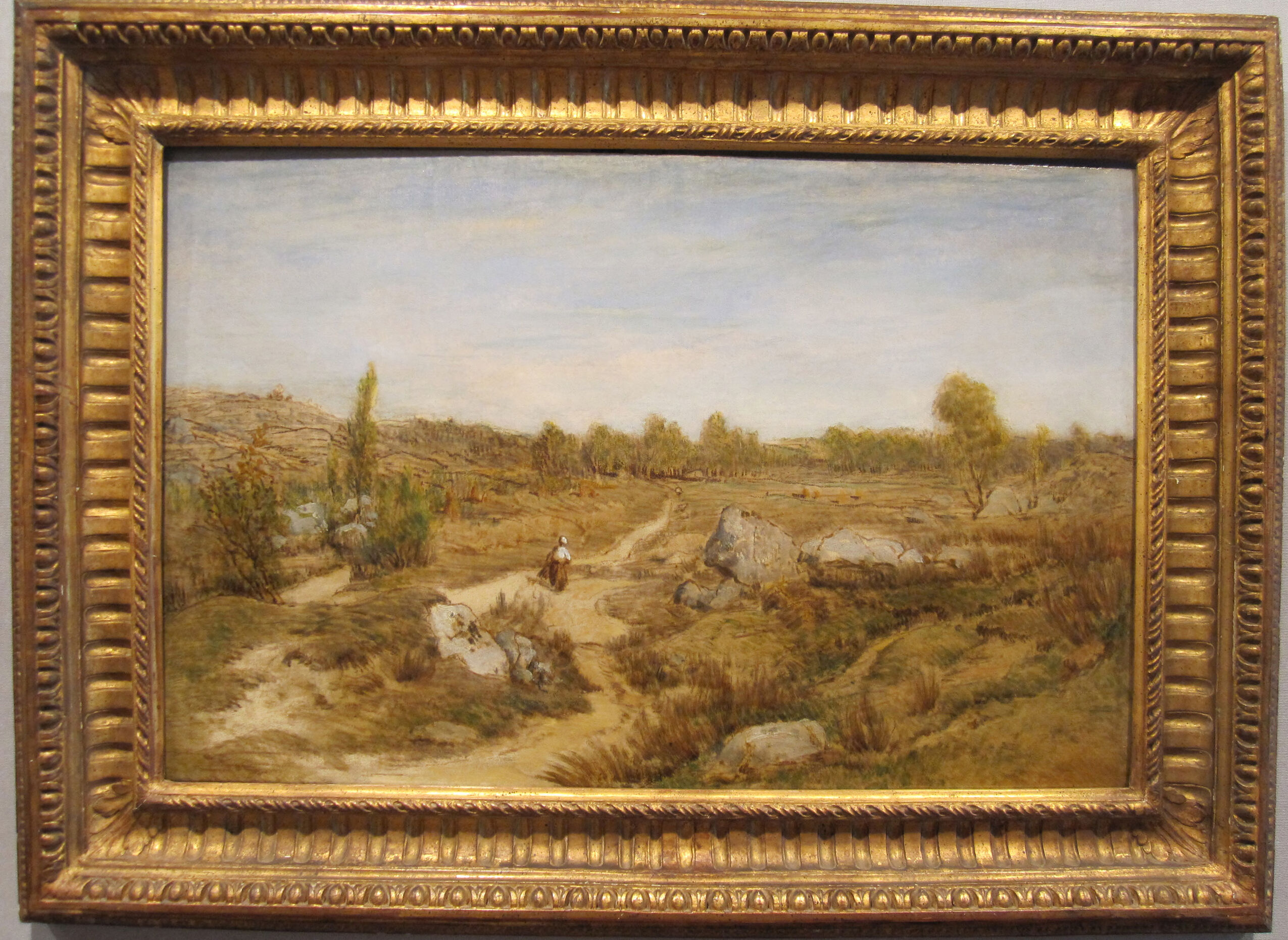
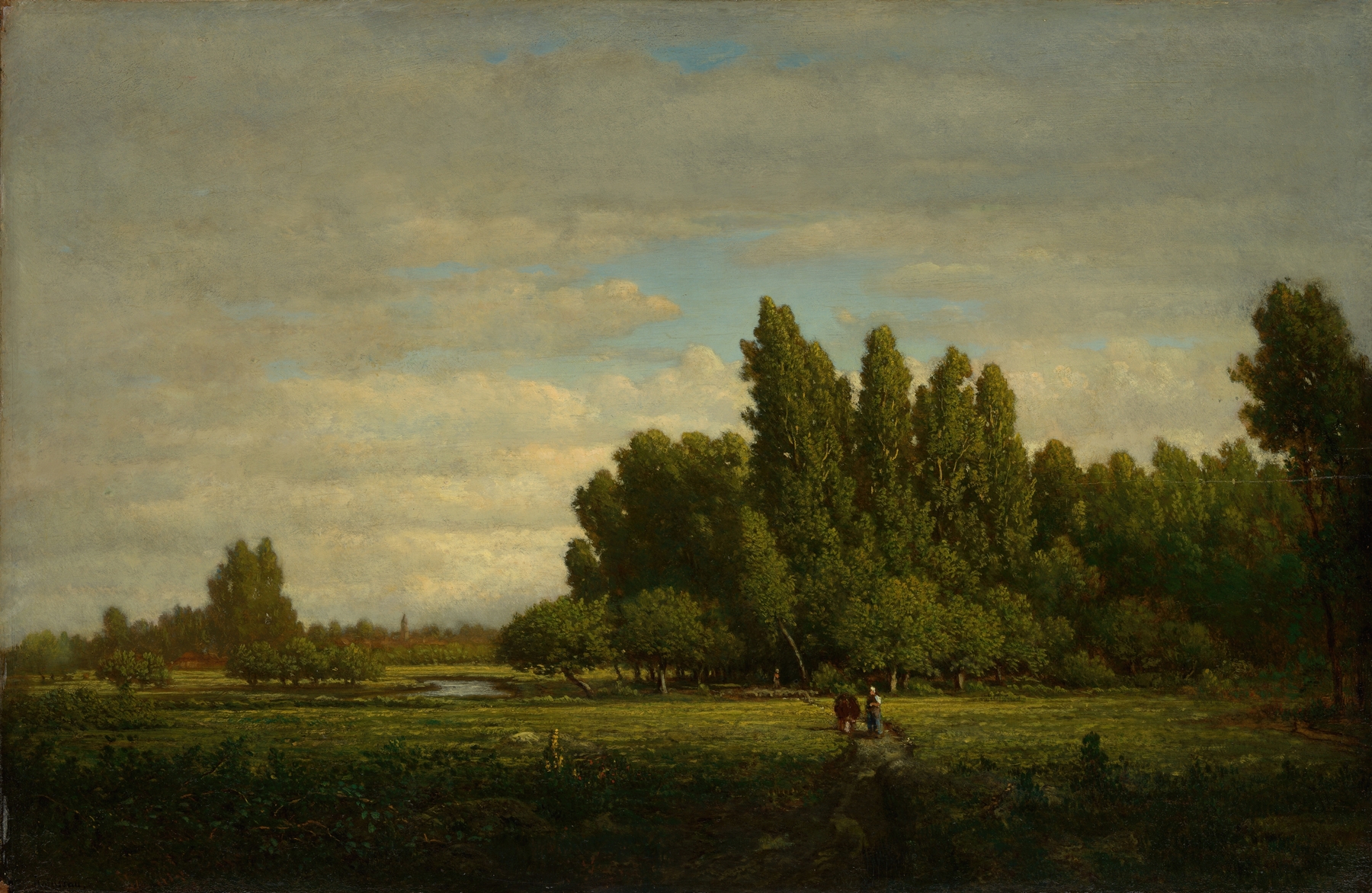
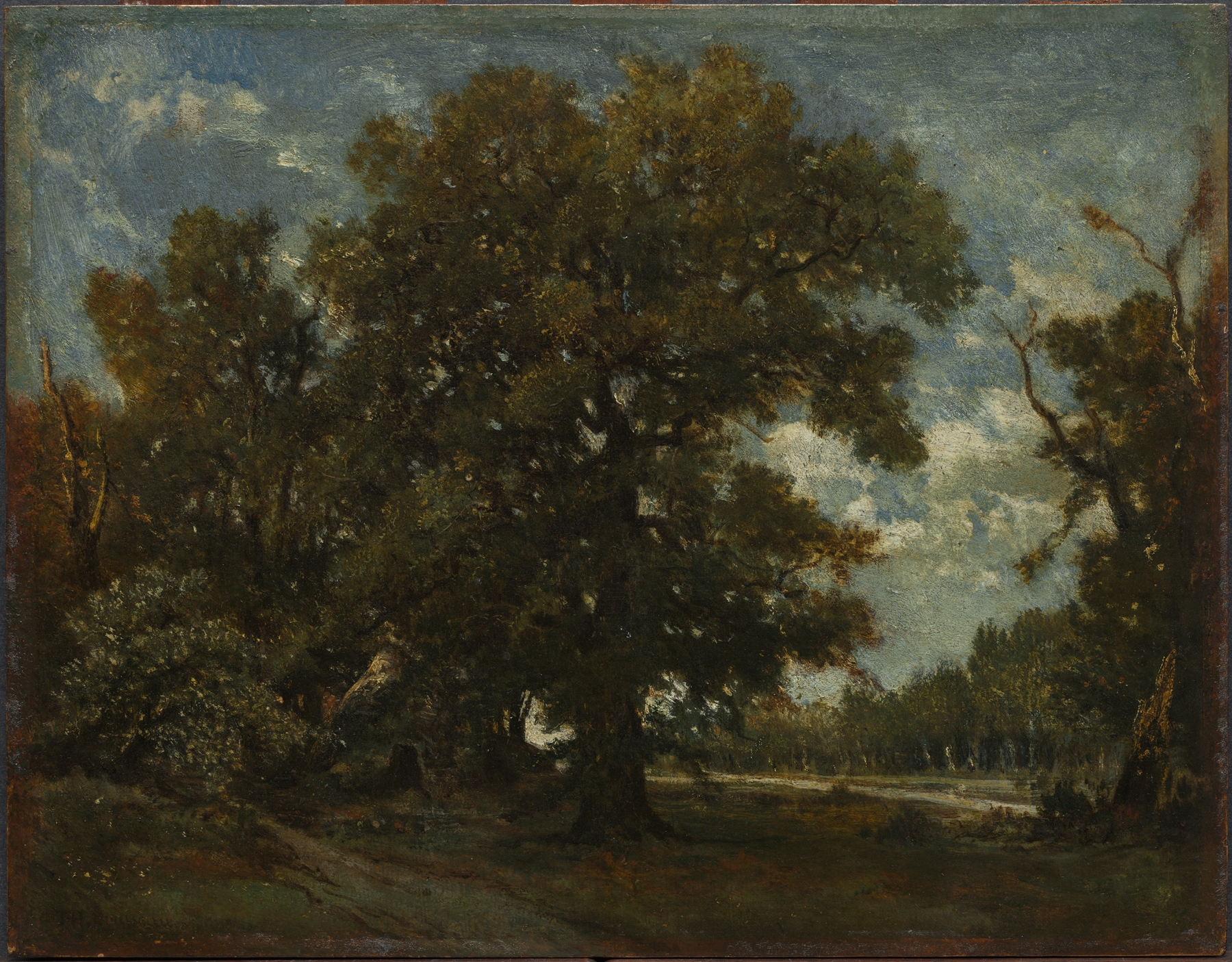
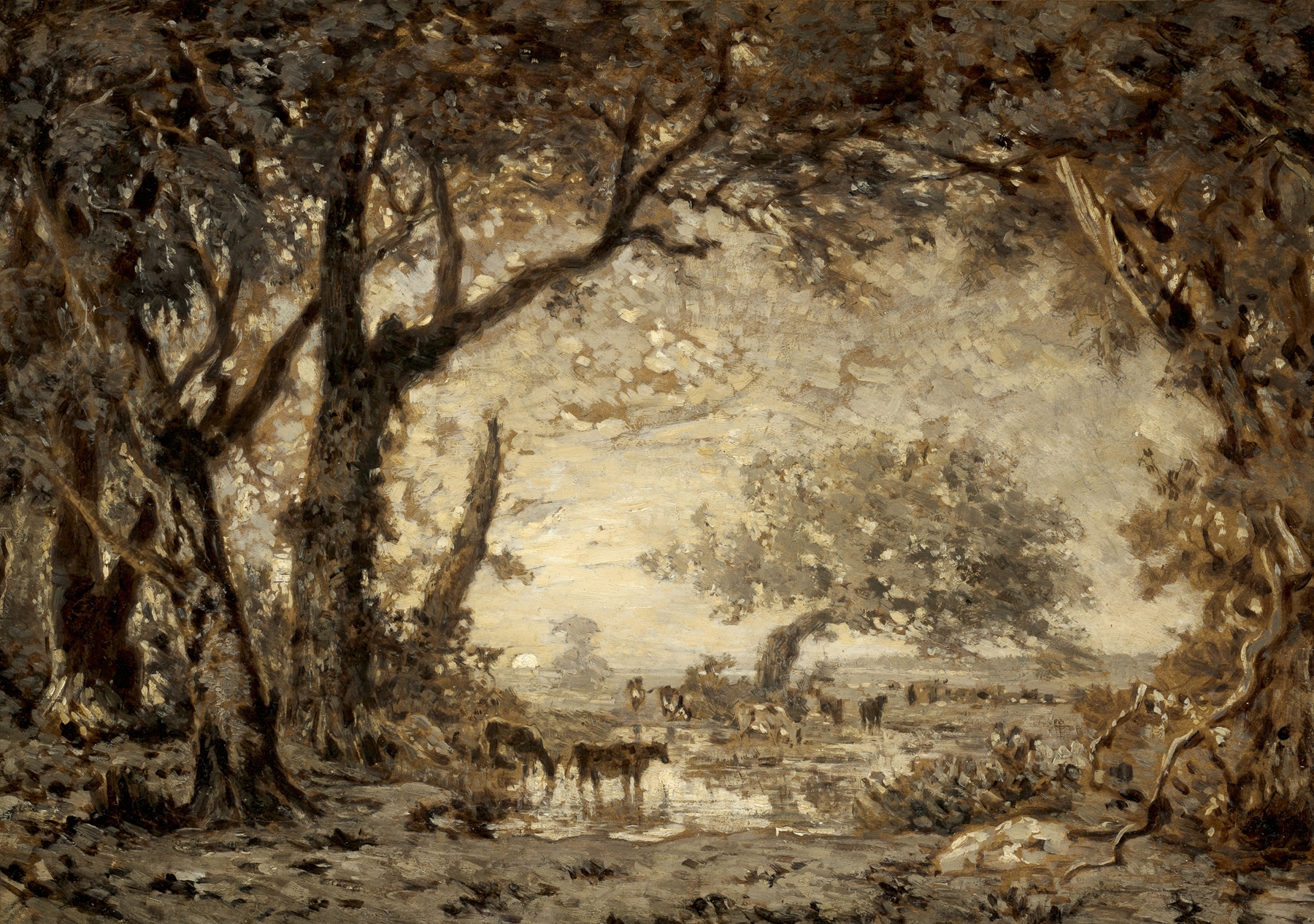
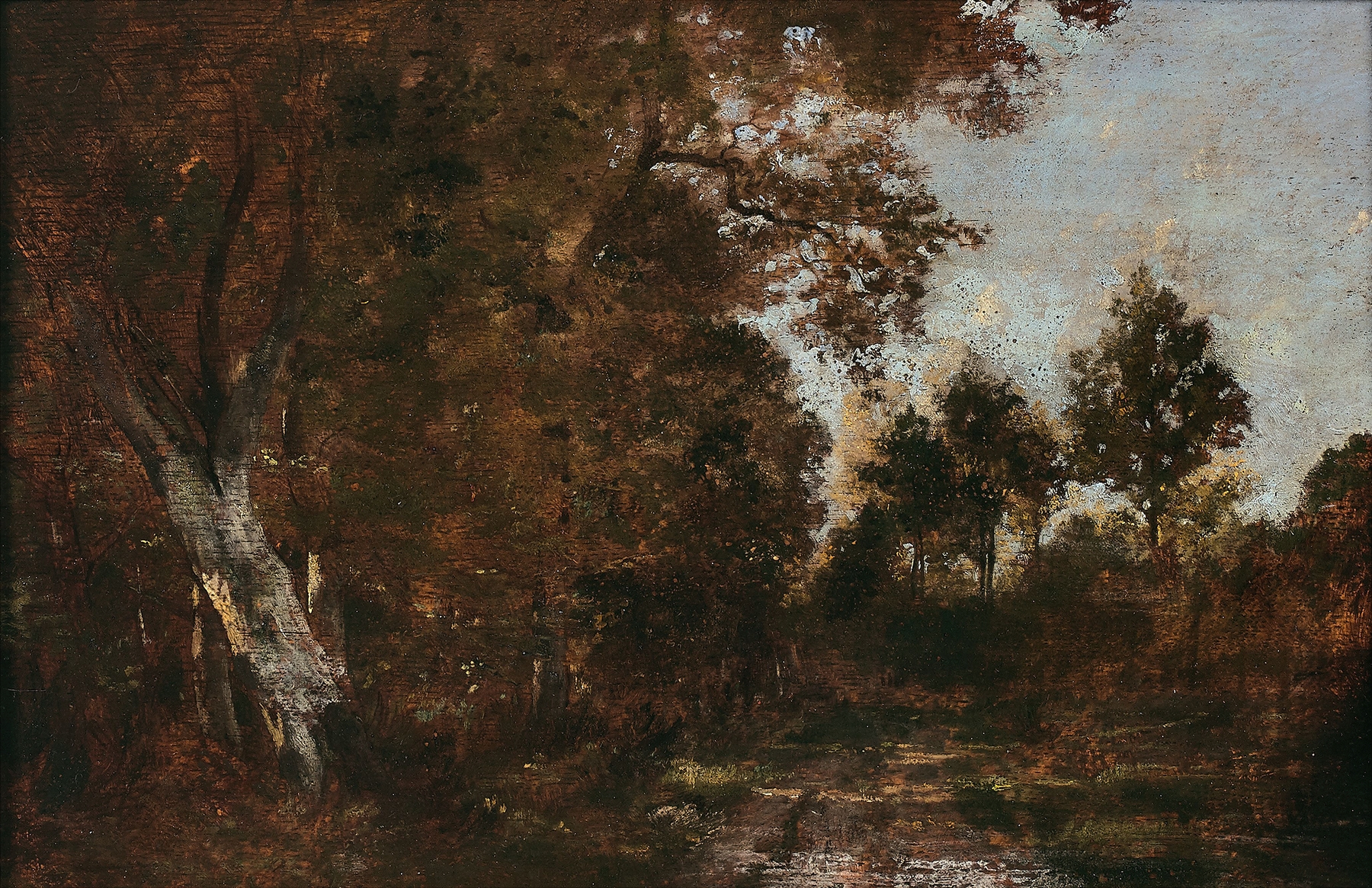
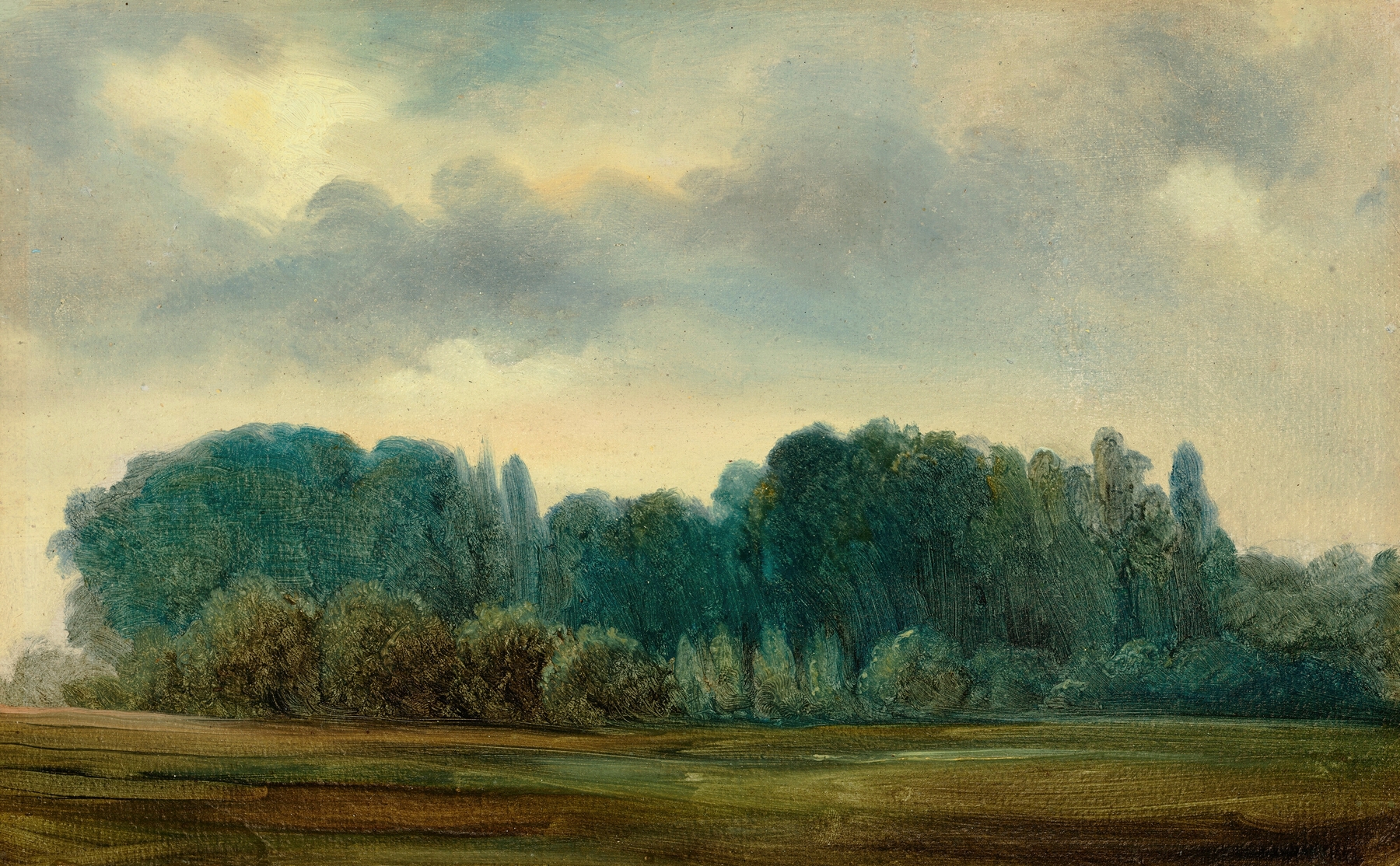
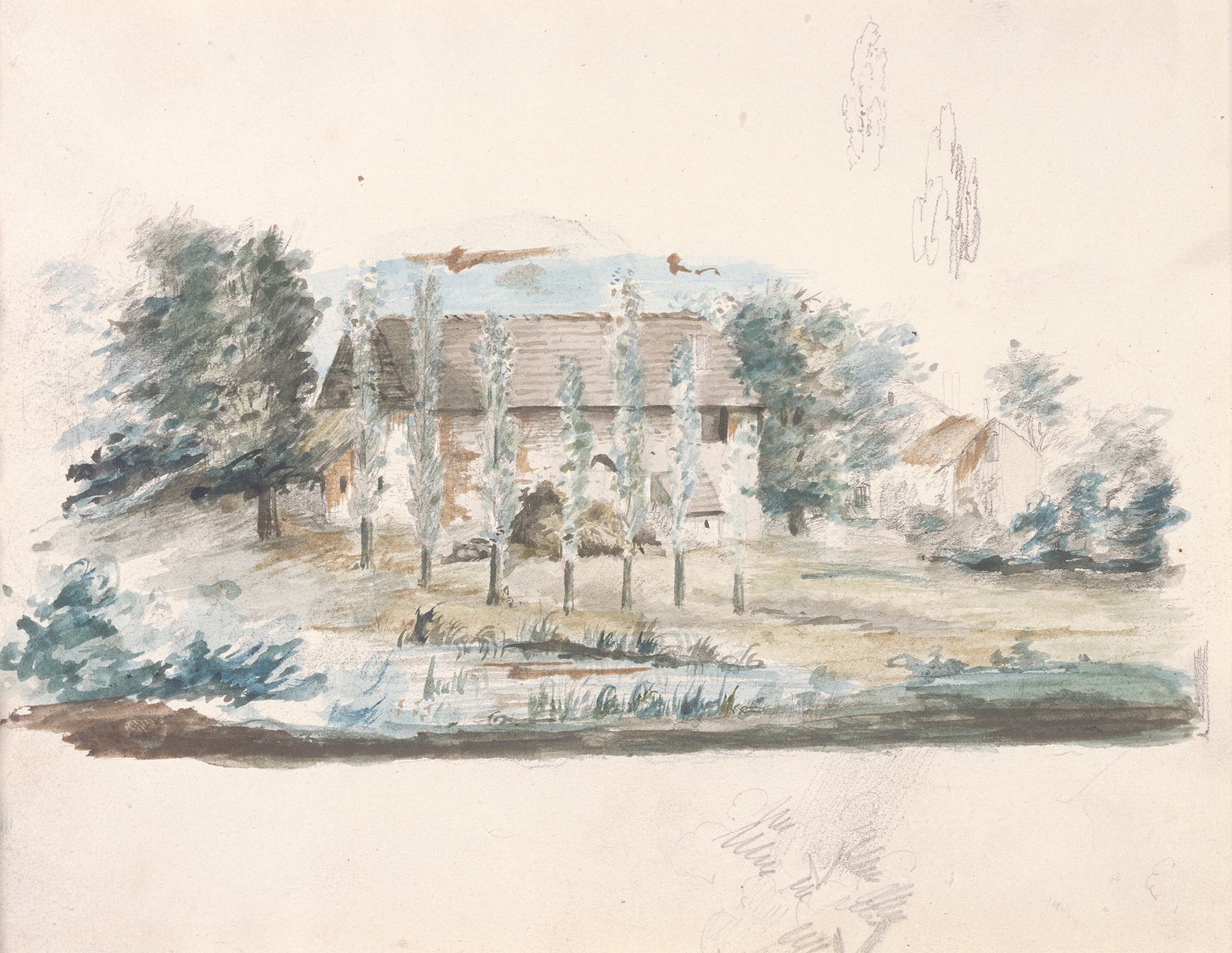
“Every brushstroke is a heartbeat remembered.” In the stillness of nature, silence speaks volumes, whispering stories that lie hidden beneath the surface of a painted landscape. Look to the left at the farmhouse, its weathered walls standing resolute against a backdrop of sprawling fields. The muted greens and browns evoke the deep tranquility of the countryside, while the gentle play of light illuminates the edges of the building, inviting contemplation. Notice how the clouds linger overhead, their diffused light casting a soft glow, creating a harmonious balance between shadow and illumination that echoes the serenity of rural life.
Beneath this serene surface, contrasts emerge. The starkness of the farmhouse against the vast and open landscape reflects the tension between human presence and nature’s timeless beauty. The simplicity of the structure stands as a testament to the resilience of rural existence, while the expansive sky above hints at the infinite possibilities that lie beyond the horizon. This juxtaposition of man-made and natural worlds invites the viewer to reflect on their own place within the ebb and flow of life.
In 1825, while painting this work, Rousseau was immersed in the evolving movement of French Romanticism, celebrating nature's majesty against the backdrop of industrialization. He found inspiration in the rural landscapes surrounding his home, often favoring a solitary approach to painting that allowed him to capture the essence of the natural world. This period marked a turning point in his artistic journey, as he fervently sought to express the quiet poetry of the landscape, which would later define his legacy as one of the great landscape painters of his time.