Farmhouse, Namur — History & Analysis
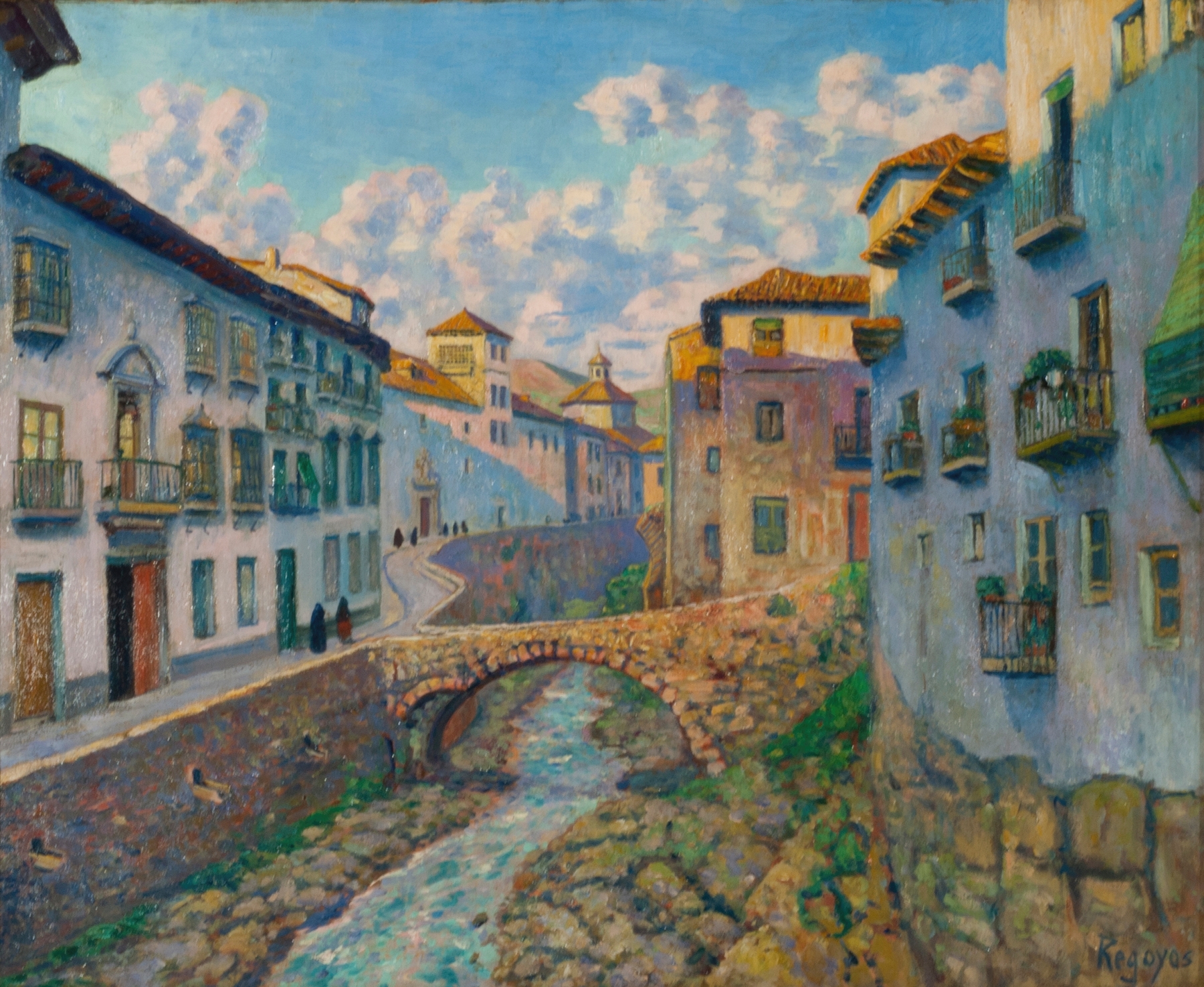
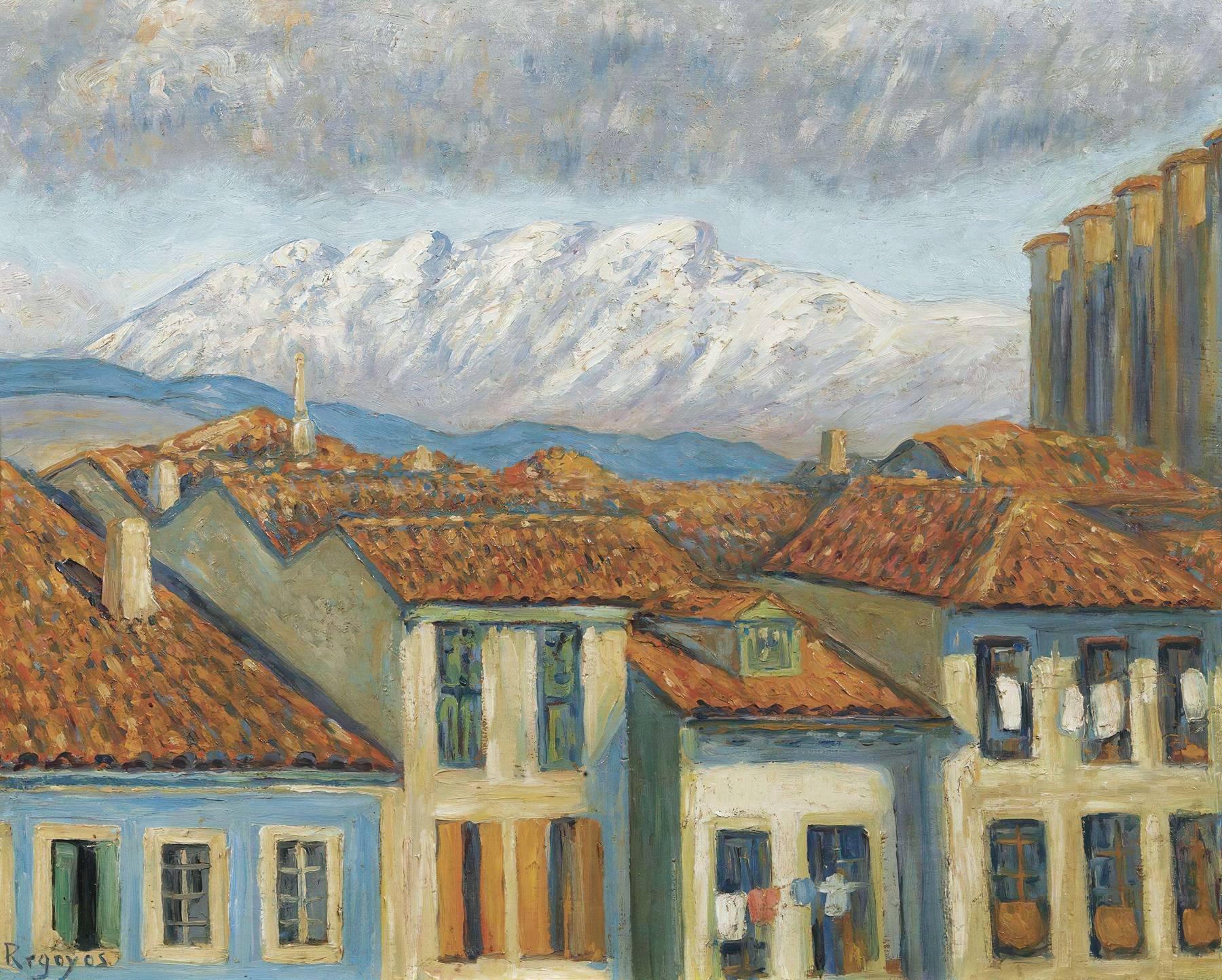
“Between color and silence, truth hides.” In the delicate balance of life and ruin, where vibrant hues can mask darker realities, a tension simmers just beneath the surface. Look to the left at the striking contrast between the warm ochres of the farmhouse and the deep, tumultuous blues of the sky. The brushwork is both expressive and deliberate, guiding your eyes from the inviting structure towards the chaos above, as if the elements conspired against this pastoral haven. Notice how the bright sunlight creates a harsh interplay with shadows, amplifying the sense of unease that pervades the scene.
In the foreground, the lush greenery hints at growth, while the ominous clouds loom in stark contrast, symbolizing the fragility of peace. The viewer is left to ponder the underlying tension between nature’s beauty and the threat of destruction, suggesting a deeper narrative of existential violence that lies inherent in rural existence. The juxtaposition of serenity with an impending storm resonates with the fear of the unknown, embodying the struggle that often defines human life.
Created during a period of artistic exploration in late 19th-century Spain, the piece reflects Darío de Regoyos’s engagement with the Spanish landscape and culture. He was a key figure in the modernist movement, exploring new techniques and emotional depth in his work. The painting emerged amidst a growing intrigue with the interplay of light and color, while Regoyos sought to express the complexity of human experience within the natural world.