Sierra Nevada — History & Analysis
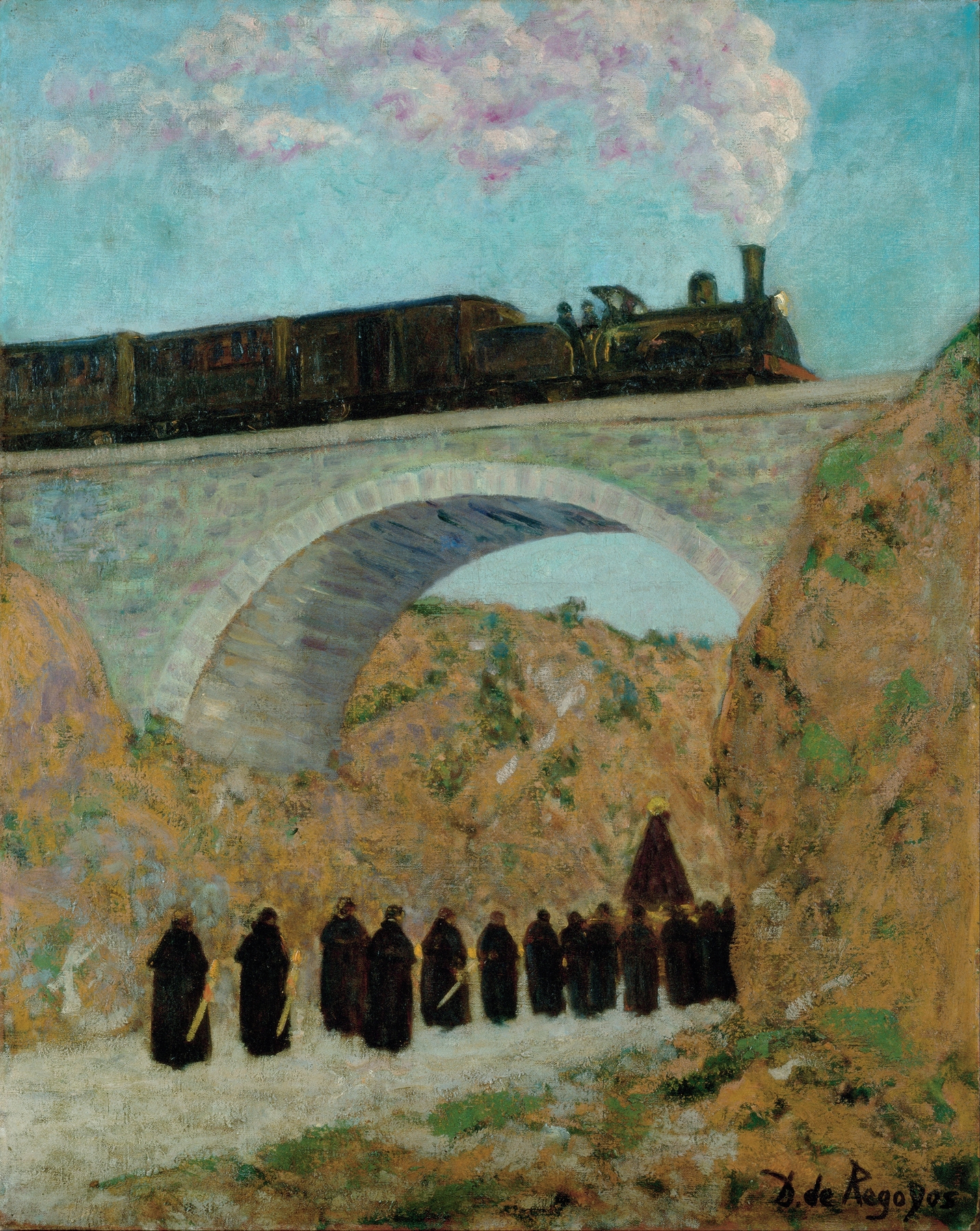
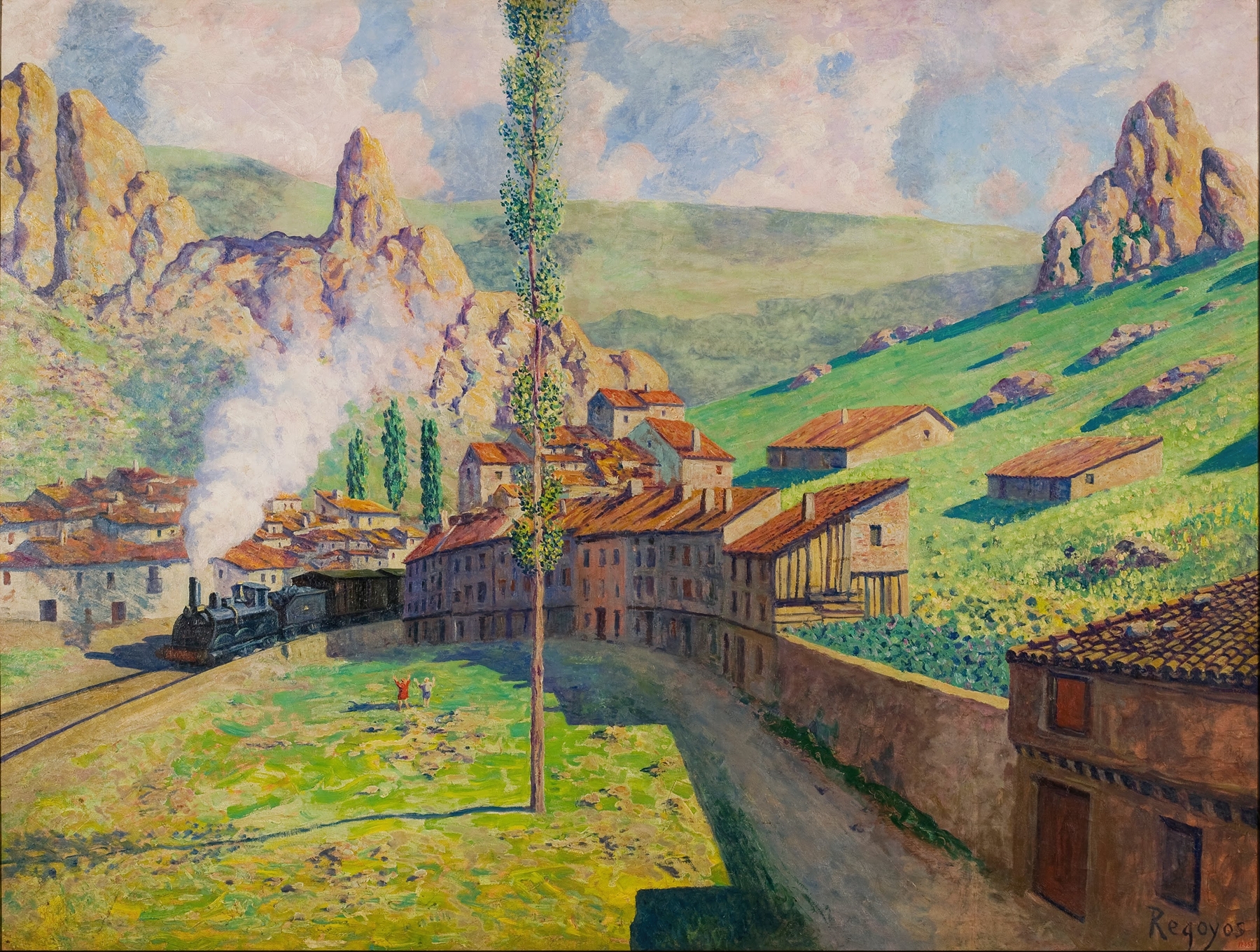
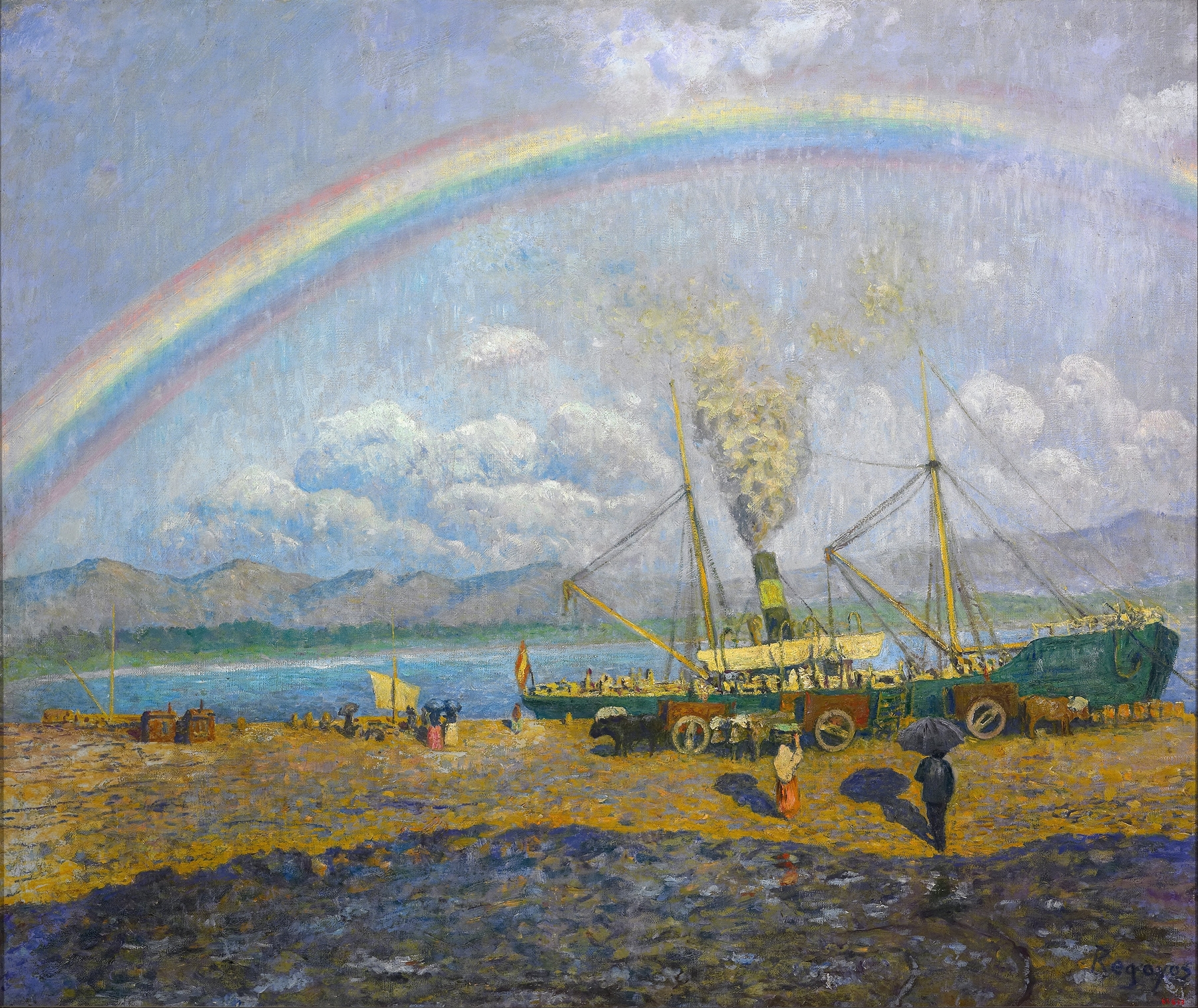
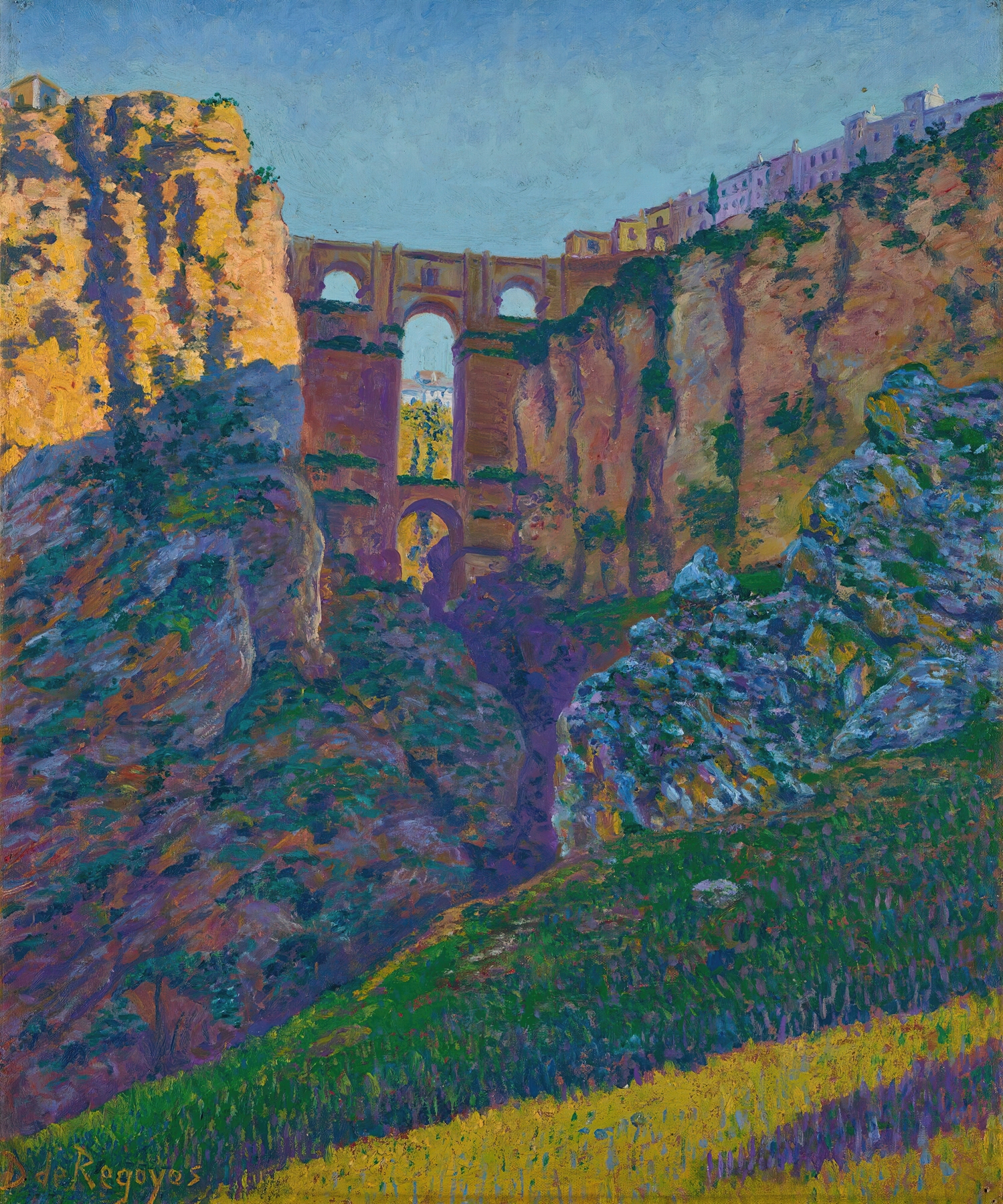
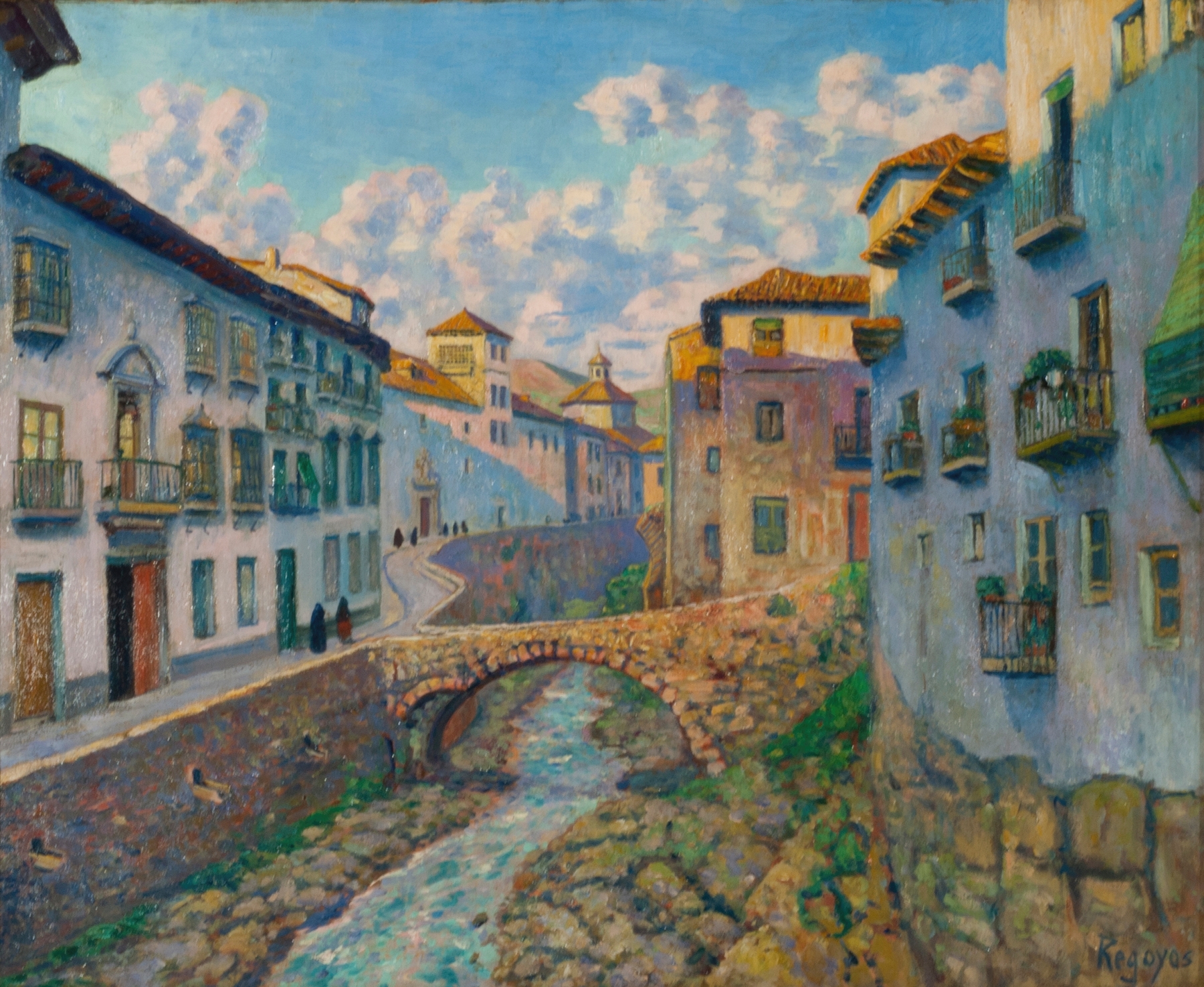
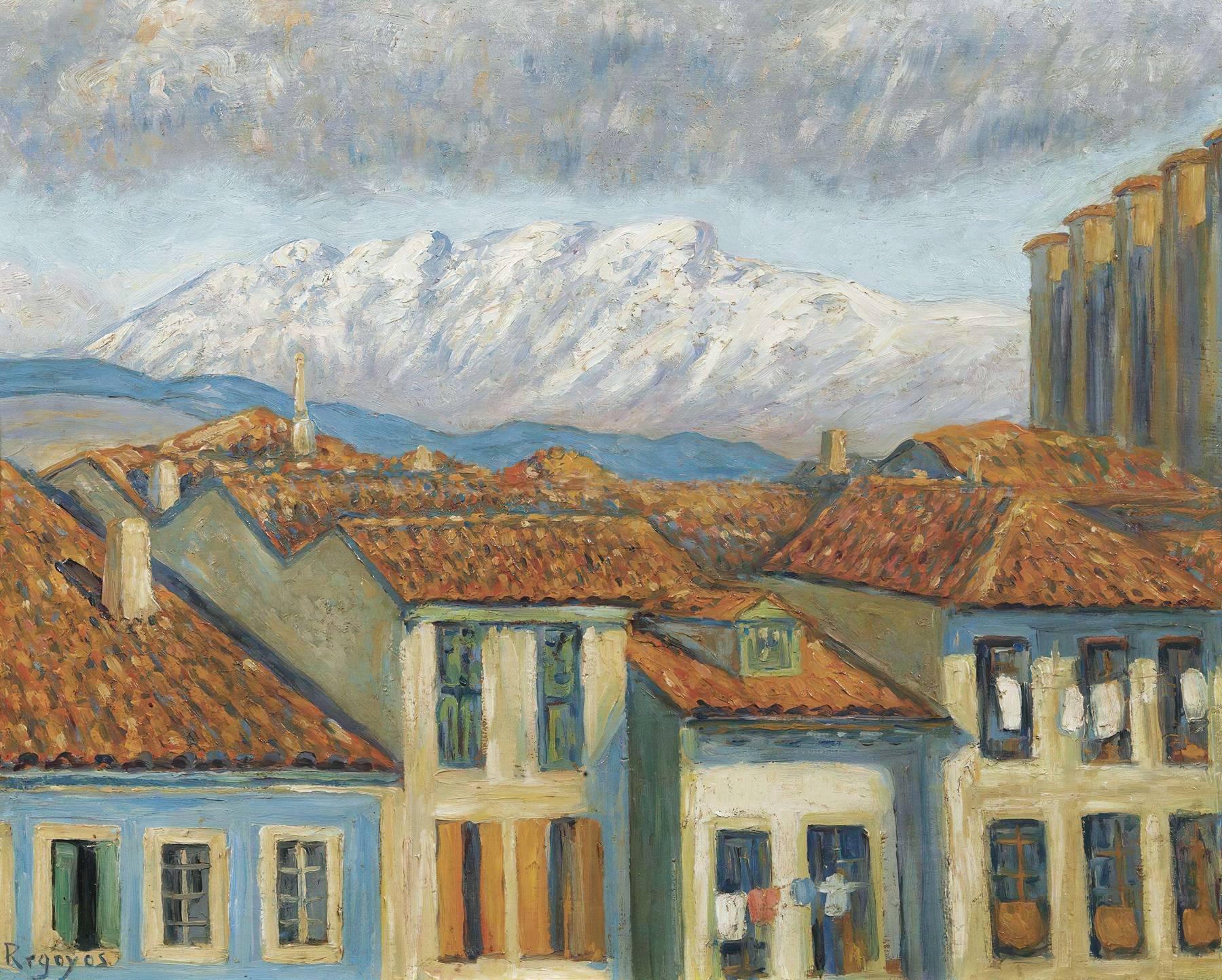
“To paint is to remember what time wants us to forget.” This sentiment echoes through the vivid landscapes that stir a deep yearning within us, capturing not only the beauty of a place but also the fleeting nature of existence. The brushstrokes invite us to reflect on our own relationship with time and memory, urging us to linger in the emotions that arise from nature's splendor. Look to the left, where the rugged peaks of the Sierra Nevada reach skyward, cloaked in a soft veil of mist. Focus on the interplay of colors—the earthy tones of ochre and deep green fuse harmoniously, while splashes of azure skies seemingly breathe life into the scene.
Notice how the light dances across the surfaces, illuminating the foliage and casting gentle shadows that add depth and complexity to the composition. Each detail invites exploration, guiding the viewer's eye across the undulating landscape. Within this serene vista lies an underlying tension—a contrast between the tranquil beauty of nature and the inevitable passage of time. The resolution of sharp mountain silhouettes against the soft, ephemeral clouds speaks to the persistent longing for permanence in a world defined by change.
Hidden within the colors are whispers of nostalgia, reminding us of moments lost yet cherished, evoking a profound response from those who dare to look deeply. At the time this artwork was created, the artist was immersed in the Symbolist movement, exploring the emotional resonance of landscapes through his unique perspective. Working in Spain during the late 19th century, he sought to express the spiritual essence of nature while reflecting the broader cultural shifts in European art. His connection to the Sierra Nevada not only reveals his personal quest for meaning but also highlights the shared human experience of yearning for a connection with the natural world.