Fehmarnküste mit Leuchtturm — History & Analysis
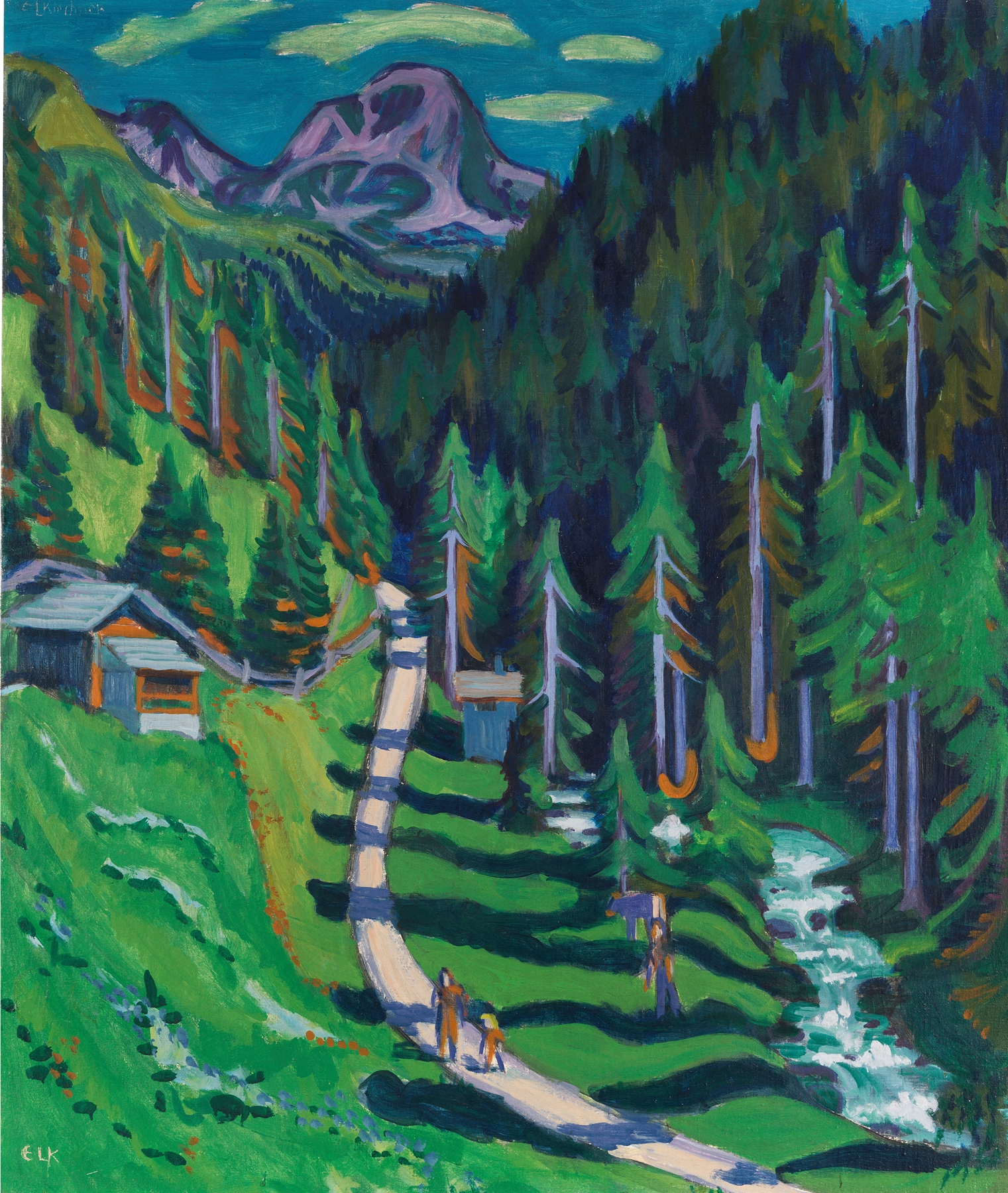
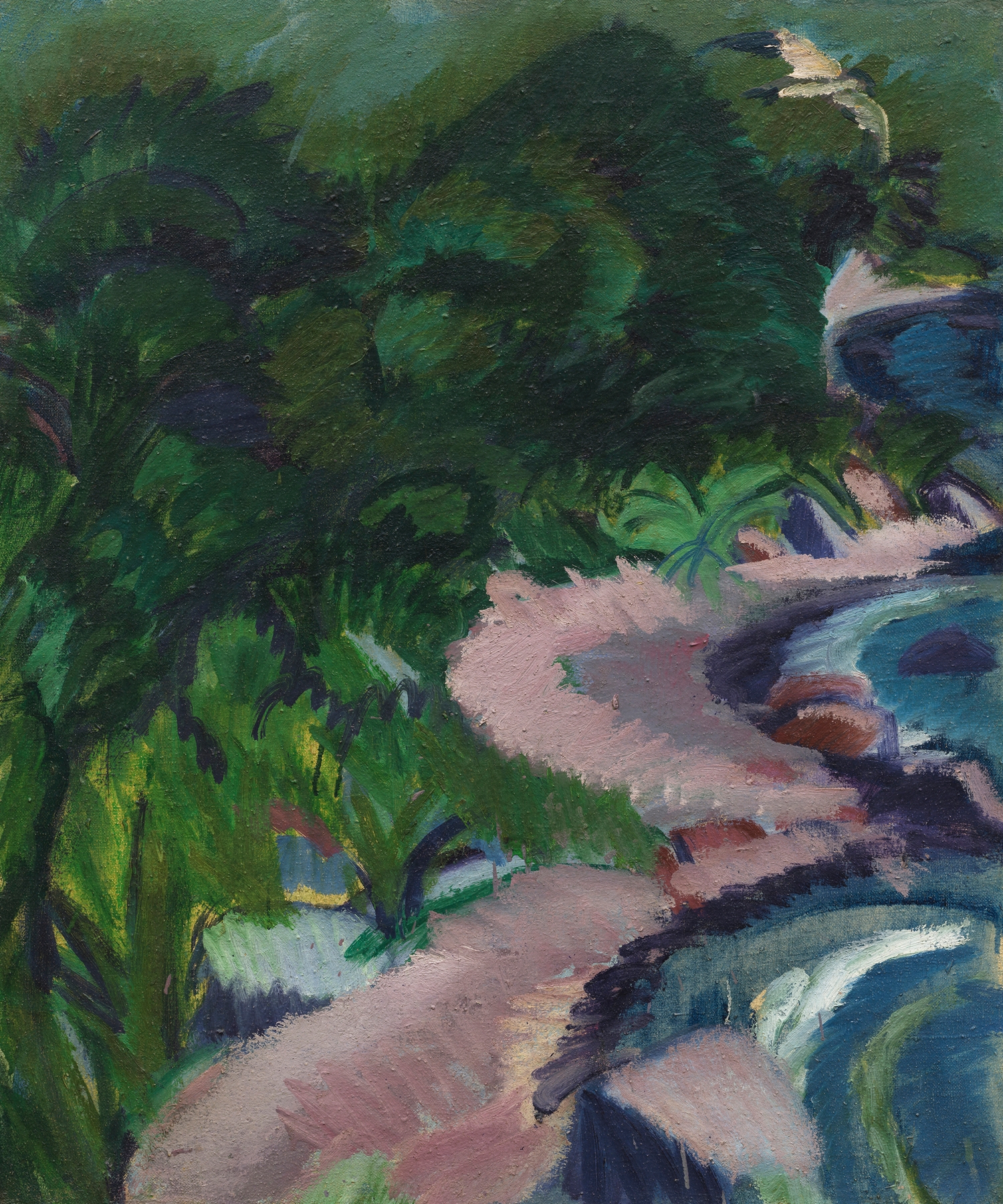
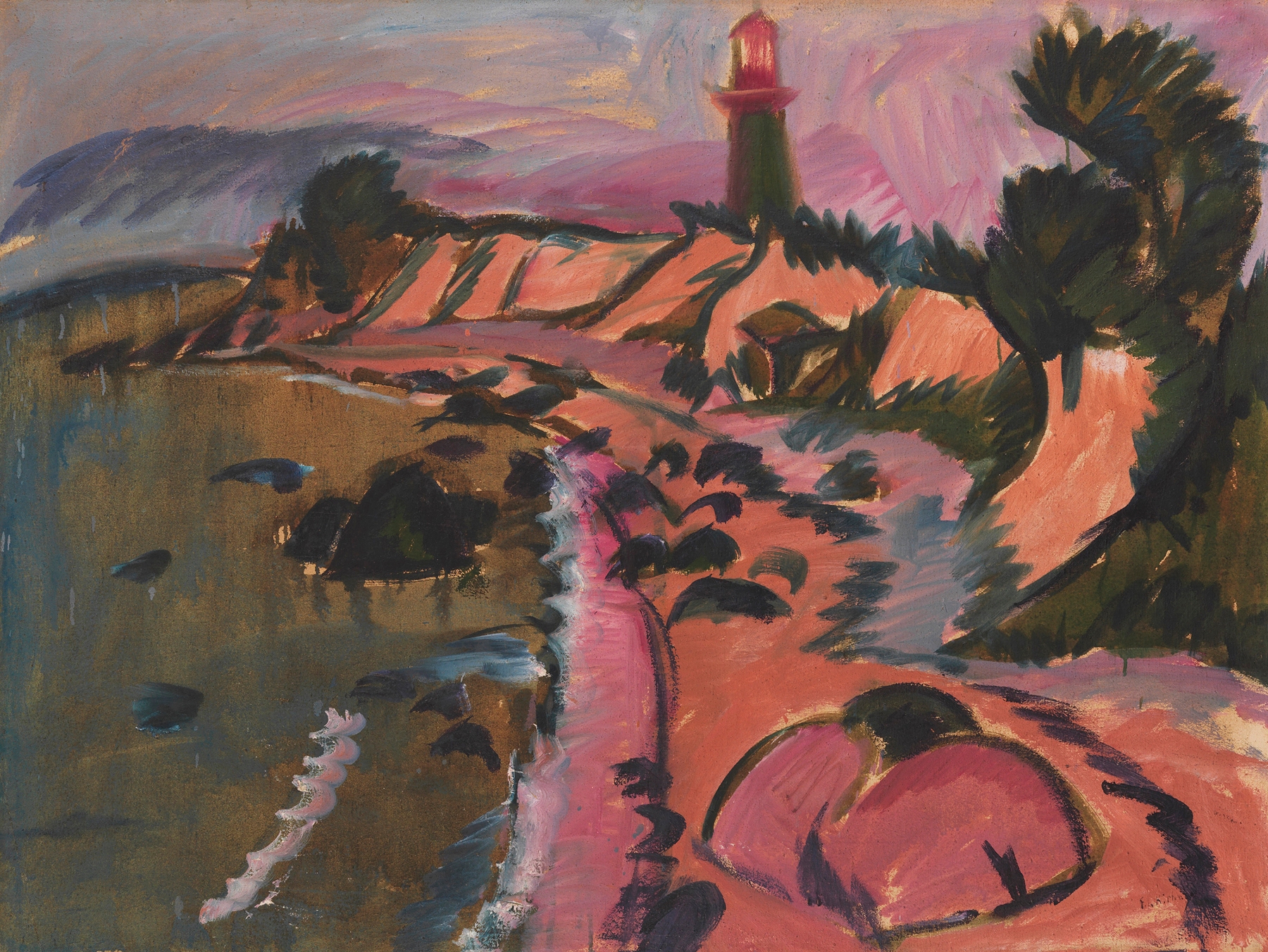
“Every brushstroke is a heartbeat remembered.” In Fehmarnküste mit Leuchtturm, grief manifests as the vibrant colors collide, embodying the heartache of loss amidst the tranquility of a coastal landscape. Focus first on the bold strokes of blue and green that define the sea and the land, where the eye is drawn to the lighthouse standing sentinel against the horizon. Notice how the light dances upon the water, creating a shimmering reflection that contrasts with the darker, more tumultuous waves below. The sharp lines of the lighthouse offer a stark and reassuring presence, yet they are enveloped by an emotional undercurrent, as if the structure itself mourns the isolation of the surrounding landscape.
Delve deeper into the interplay of color and form. The starkness of the lighthouse casts a long shadow, suggesting solitude, while the swirling clouds above hint at the turmoil beneath the surface. The muted tones in the background amplify the vibrant colors of the foreground, creating a tension between the calm of the sea and the chaos of human emotion. Each element resonates with an echo of remembrance, portraying a landscape that holds the weight of both beauty and sorrow.
Ernst Ludwig Kirchner painted this piece in 1913 while living in Germany, amidst his struggle against the pressures of societal expectations and the encroaching darkness of World War I. This period marked a significant time in his artistic development, as he sought to capture raw emotions through expressionist techniques, often reflecting his inner turmoil and the changing world around him. The painting stands as a testament not only to his artistic vision but also to the profound sense of loss that permeated the era.