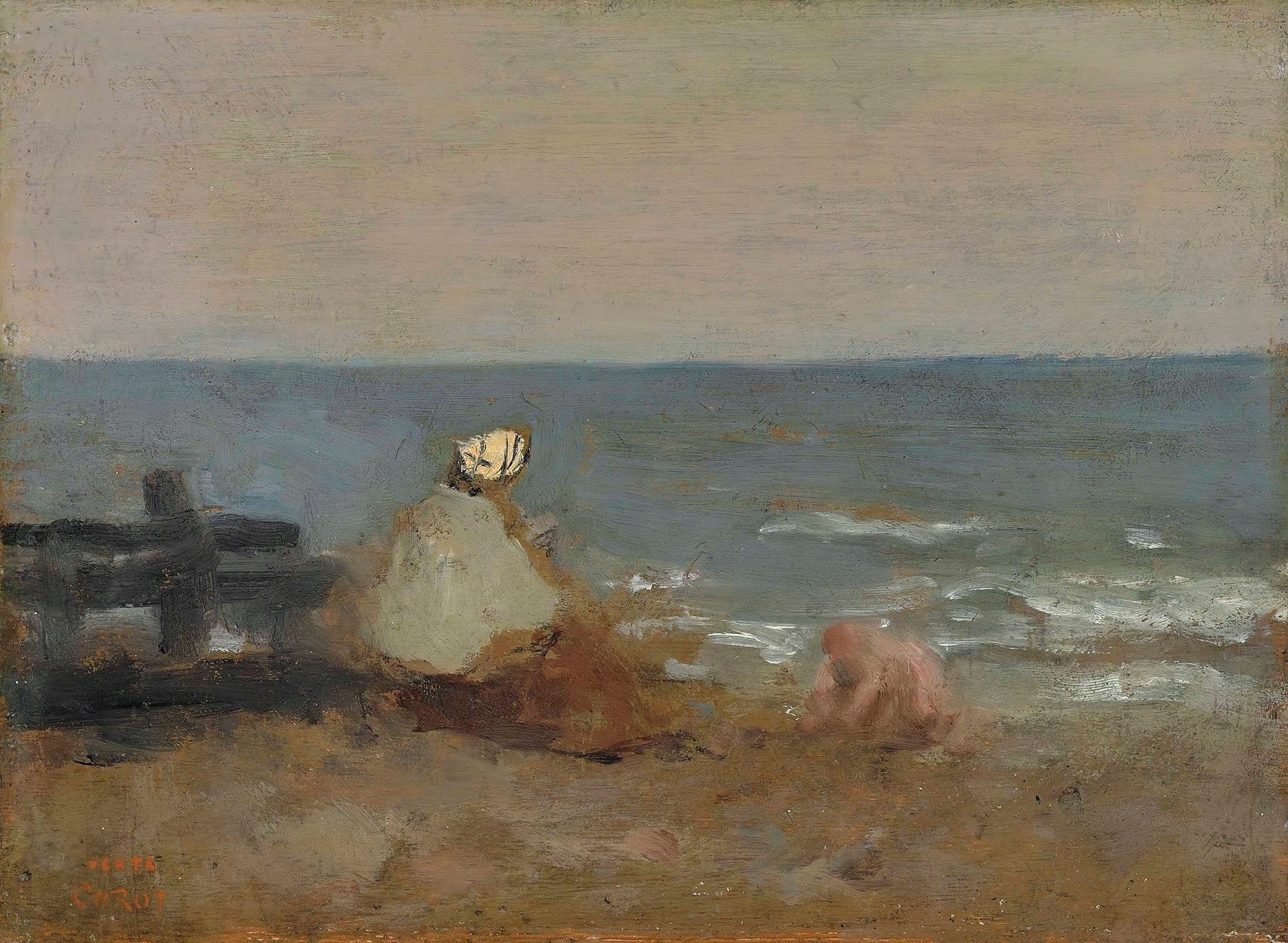
Femme et Enfant au Bord de la Mer, Étretat — History & Analysis
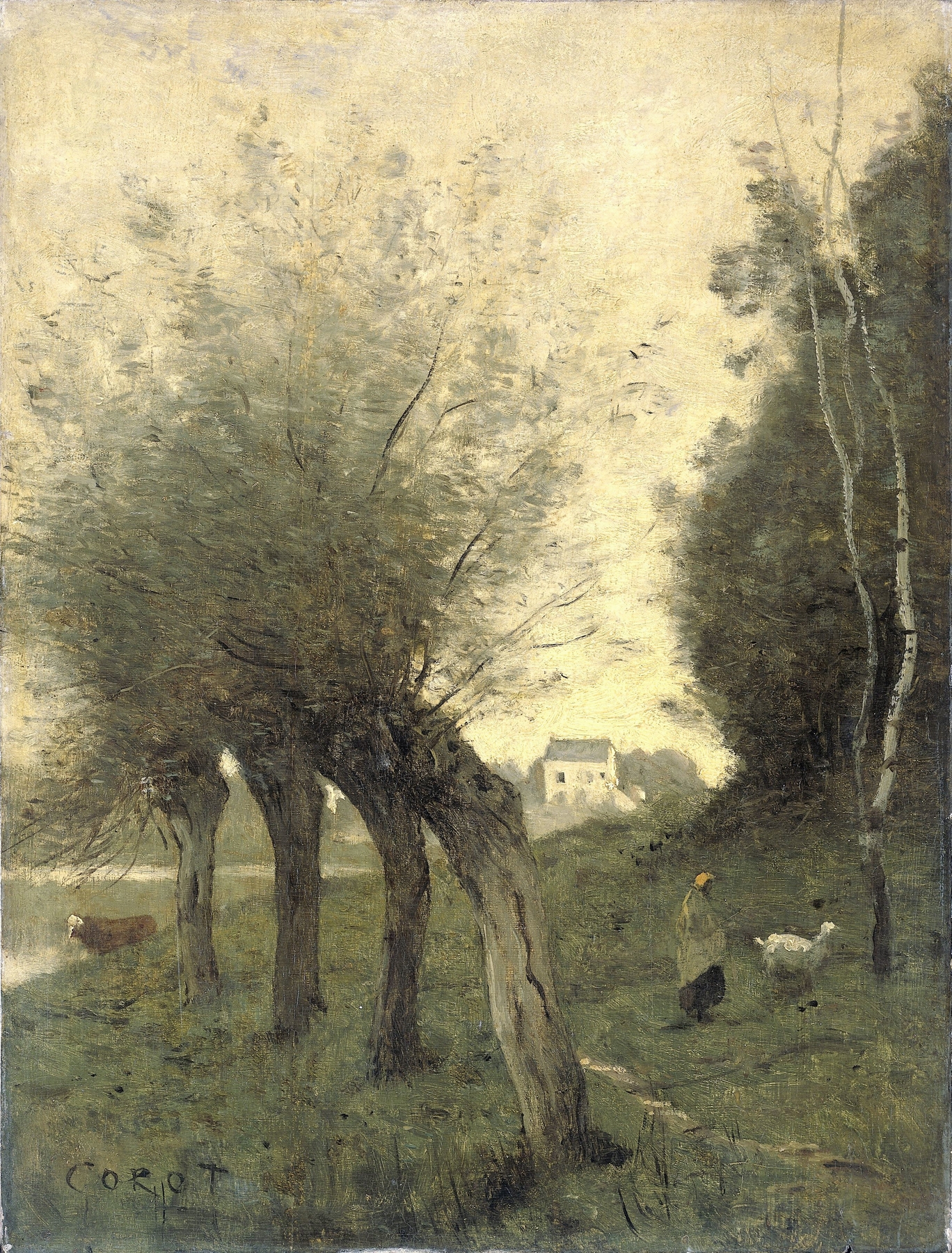
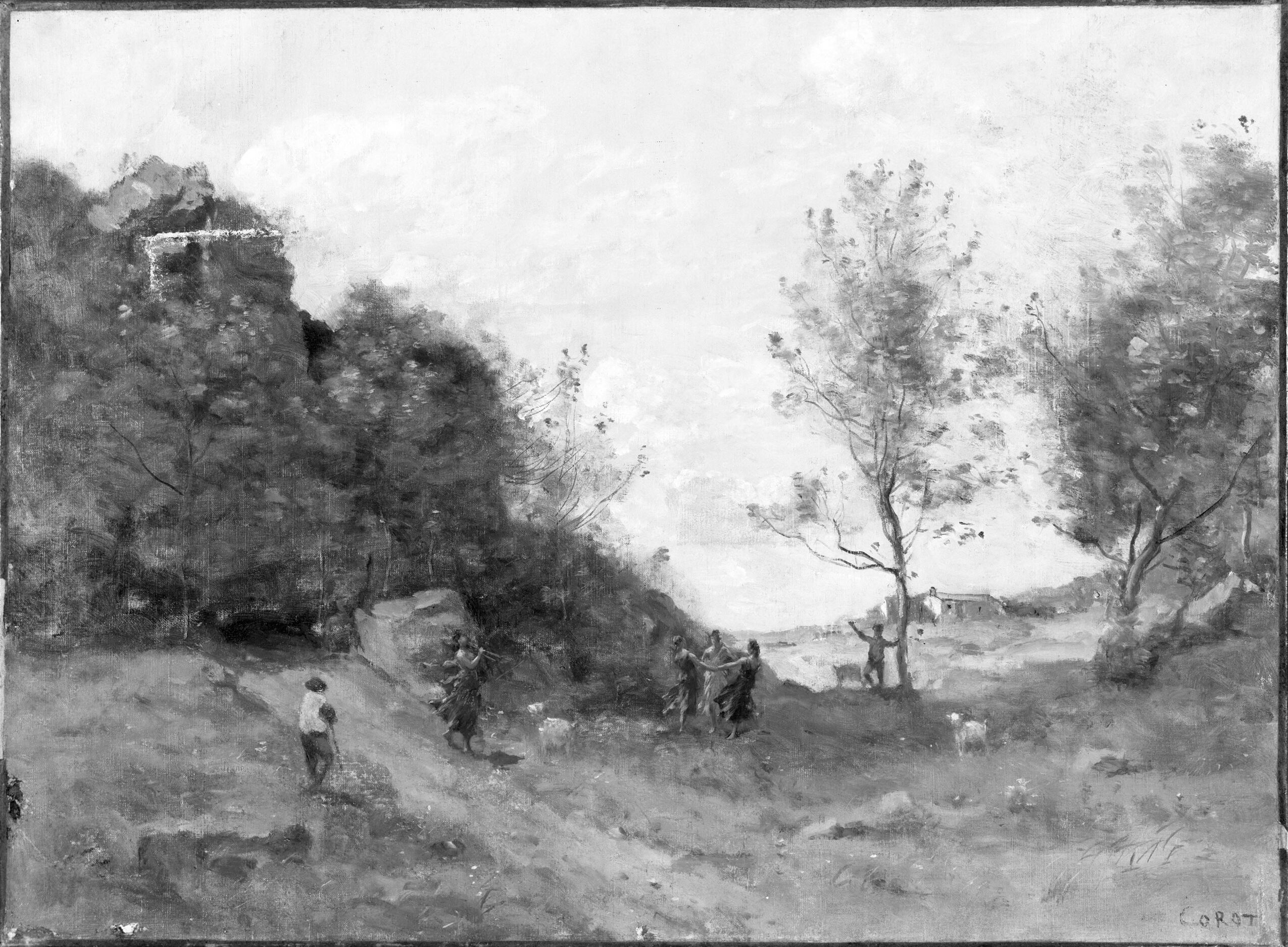
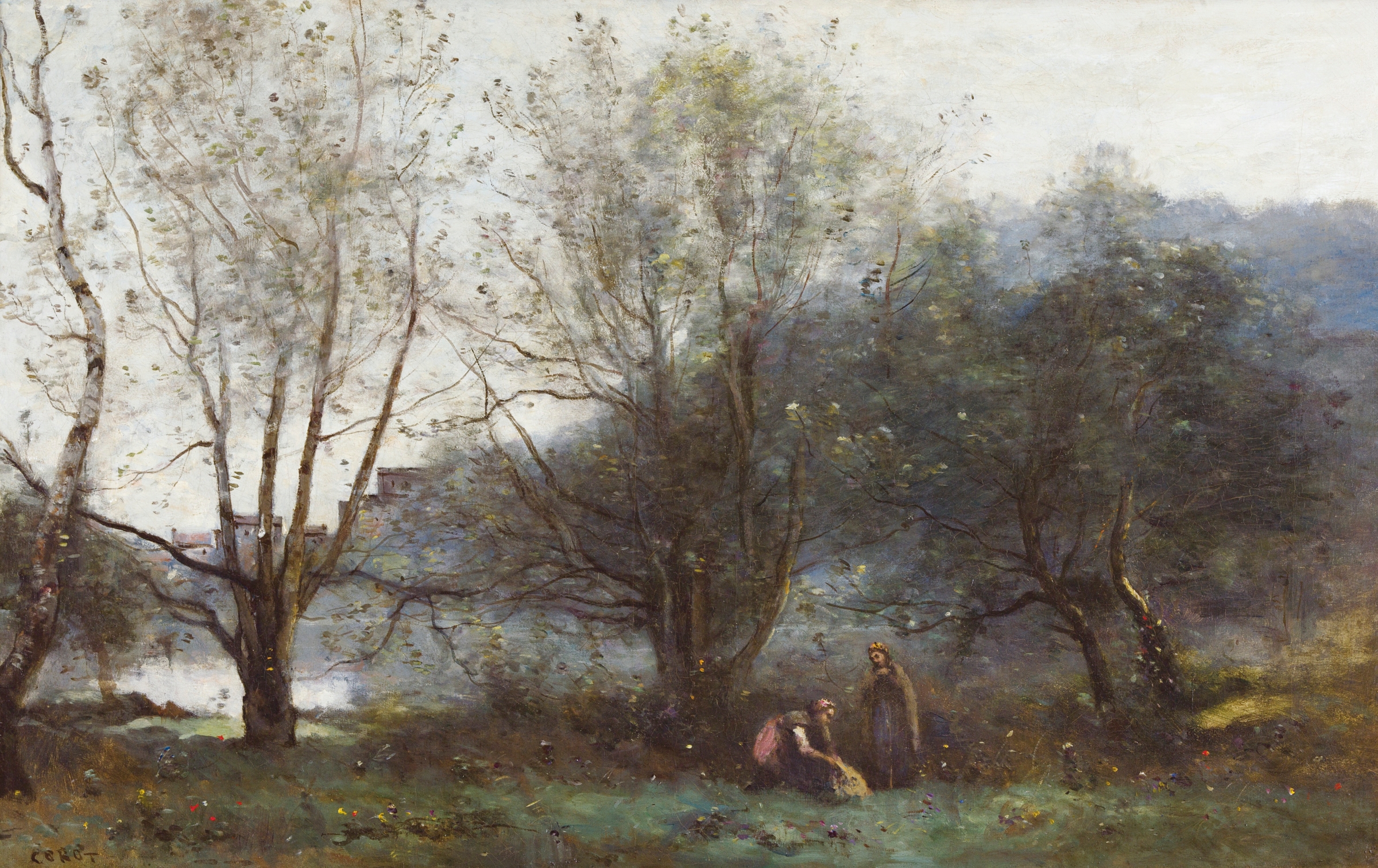
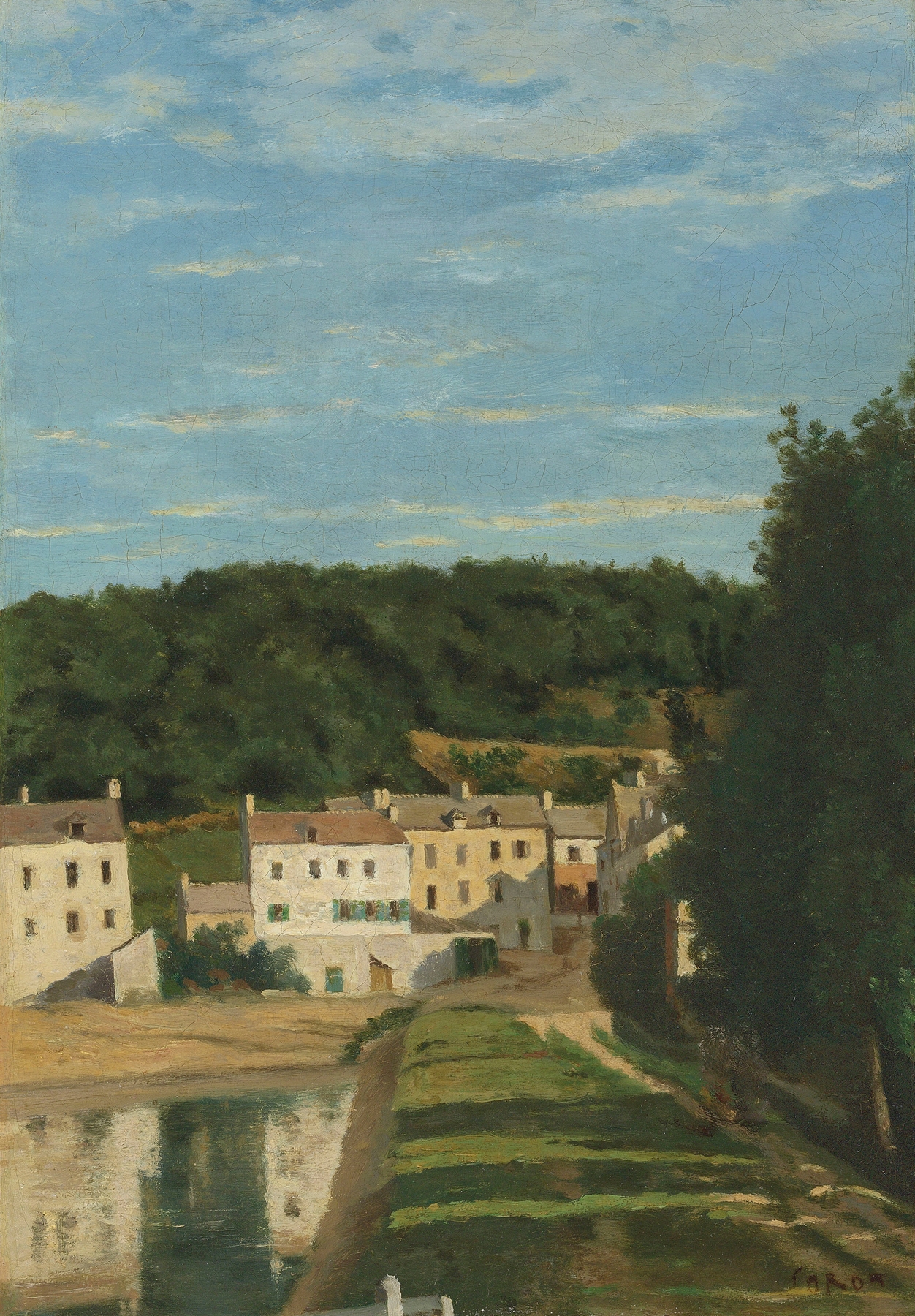
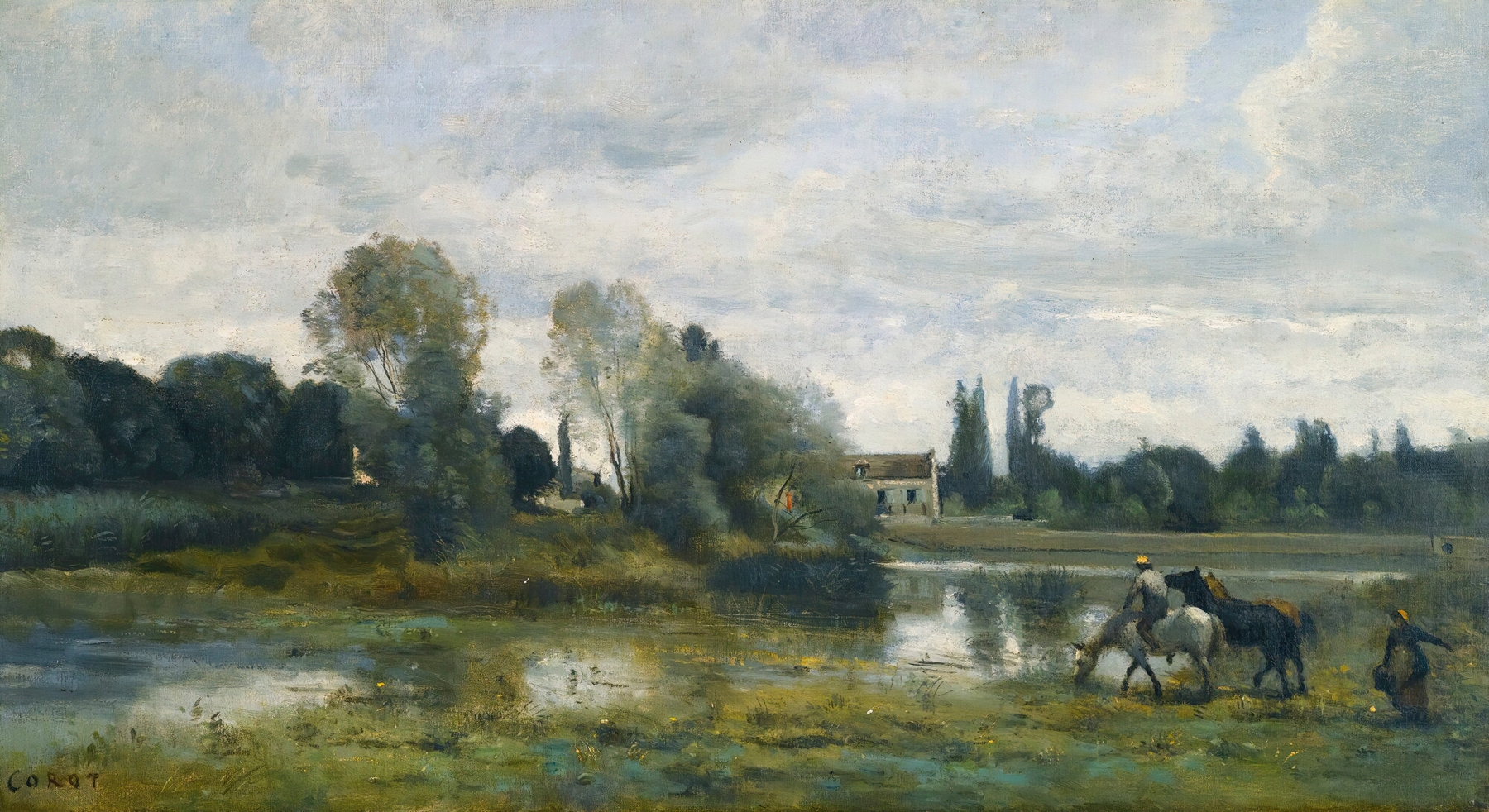
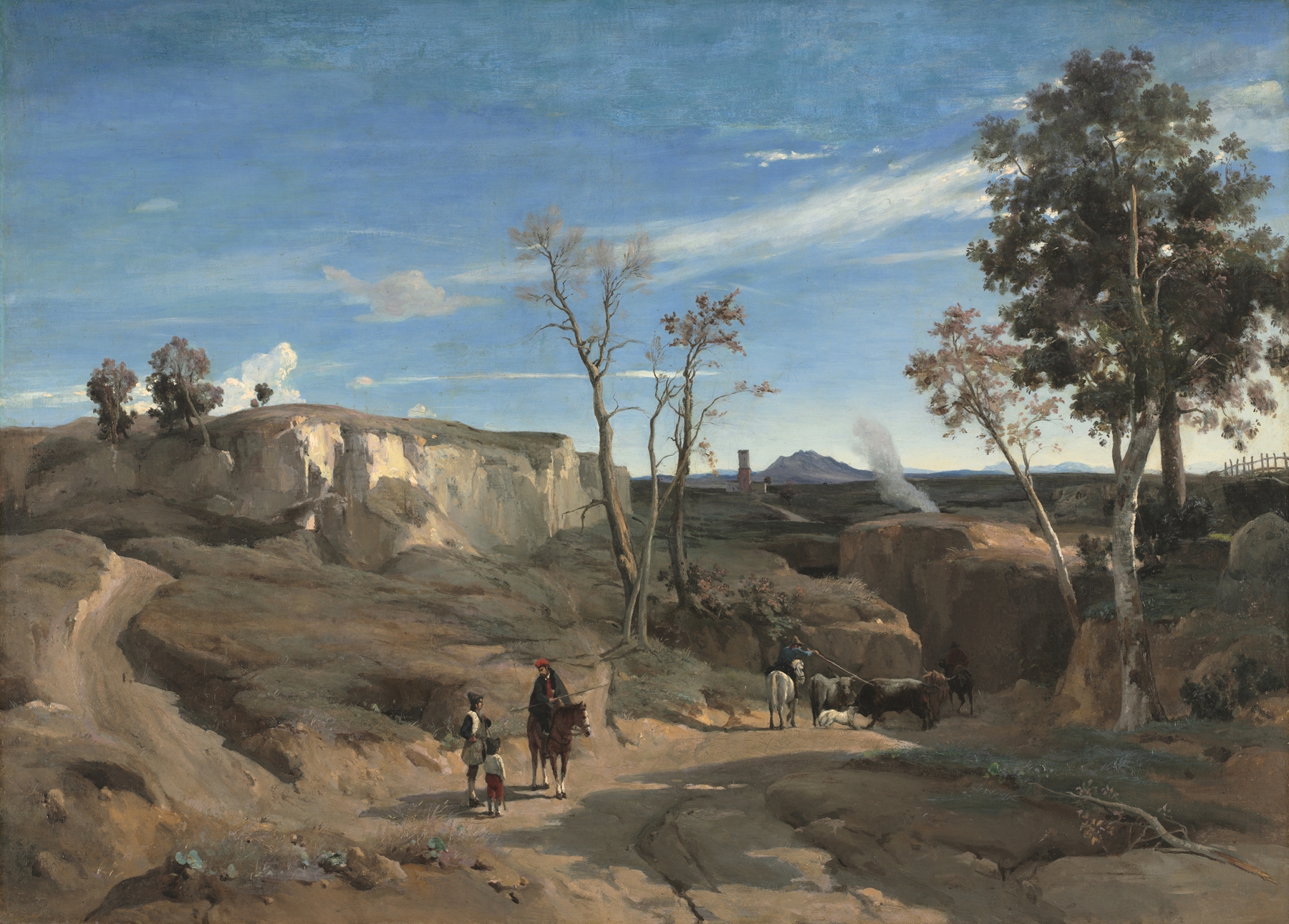
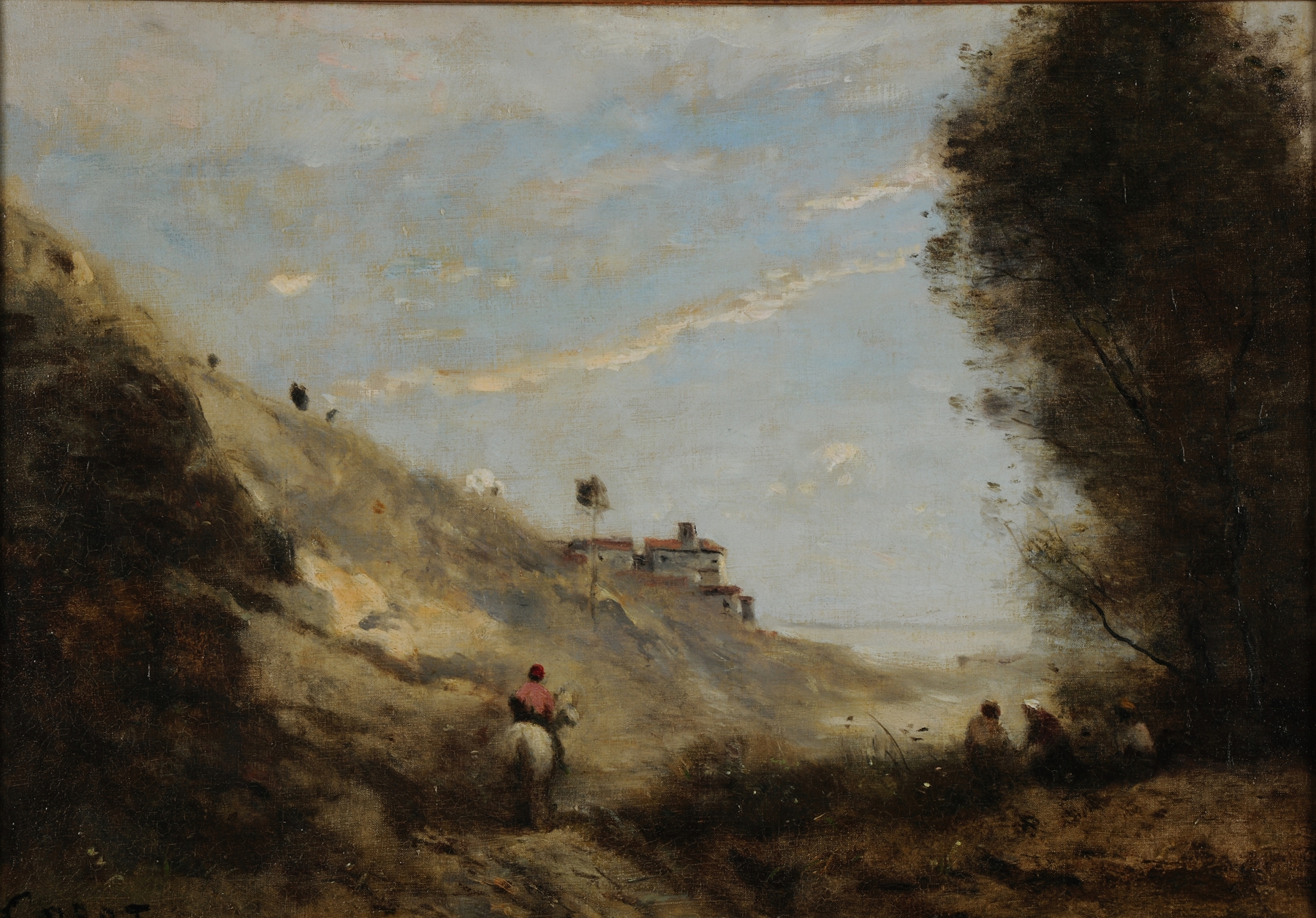
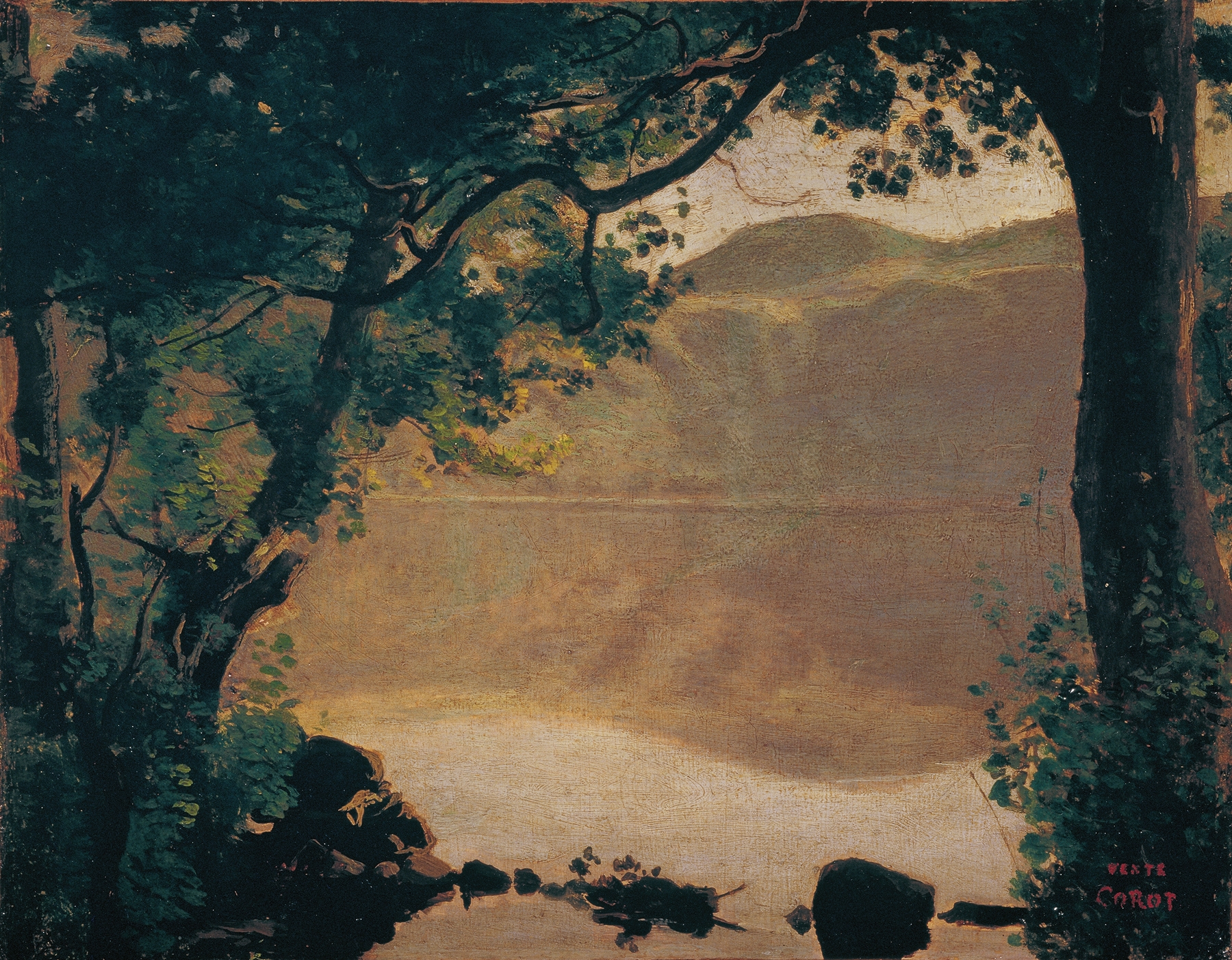
What if beauty was never meant to be finished? In the soft, ethereal moment captured by Corot, a fleeting memory unfurls itself like a gentle tide, where time seems to suspend and linger. Look to the left at the tender figures of the woman and child, their forms delicately rendered against the backdrop of an expansive sea. The muted palette of blues and greens harmonizes with the silvery light that dances across the water, inviting the viewer to breathe in the tranquility. Notice how the brushstrokes evoke a sense of movement, the waves curling and whispering as if they were part of a secret dialogue between nature and humanity. Yet, beneath this serene surface lies an emotional tension. The woman's gaze, distant and contemplative, hints at a deeper longing, perhaps recalling memories of love or loss intertwined with the very landscape before her. The child, unburdened by such thoughts, embodies innocence and the passage of time, standing in stark contrast to the woman’s introspection. This juxtaposition invites reflection on intergenerational connections and the inevitable shifts in perception as one navigates life’s ebbs and flows. In 1865, while residing in the picturesque village of Étretat, Corot created this piece during a pivotal time in his career when he was increasingly embracing plein air painting. The art world was on the cusp of Impressionism, and Corot's work began to bridge the gap between traditional techniques and the new explorations of light and atmosphere. His focus on capturing ephemeral beauty through memory and emotion laid vital groundwork for the movements that followed, marking him as a crucial figure in the evolution of modern art.