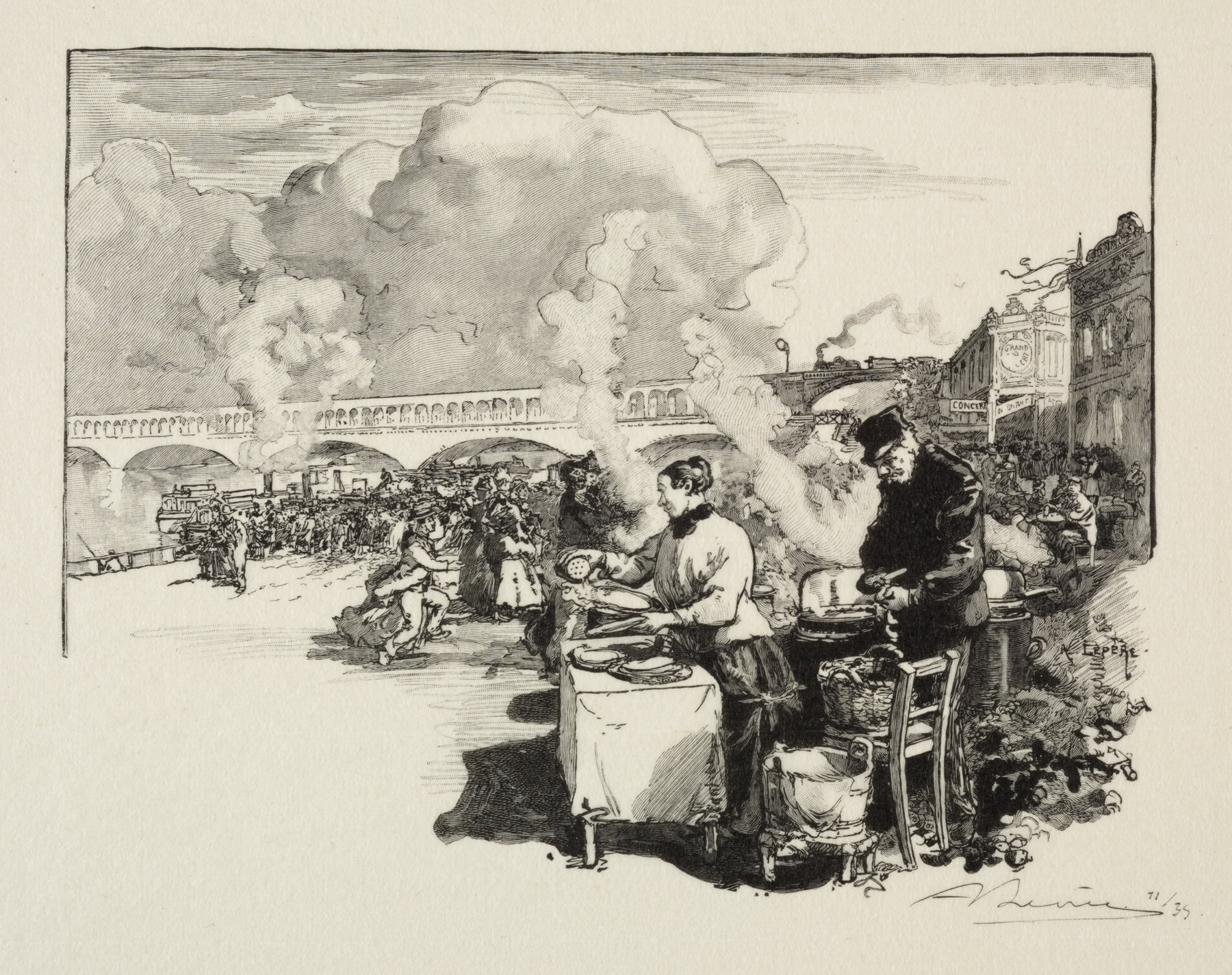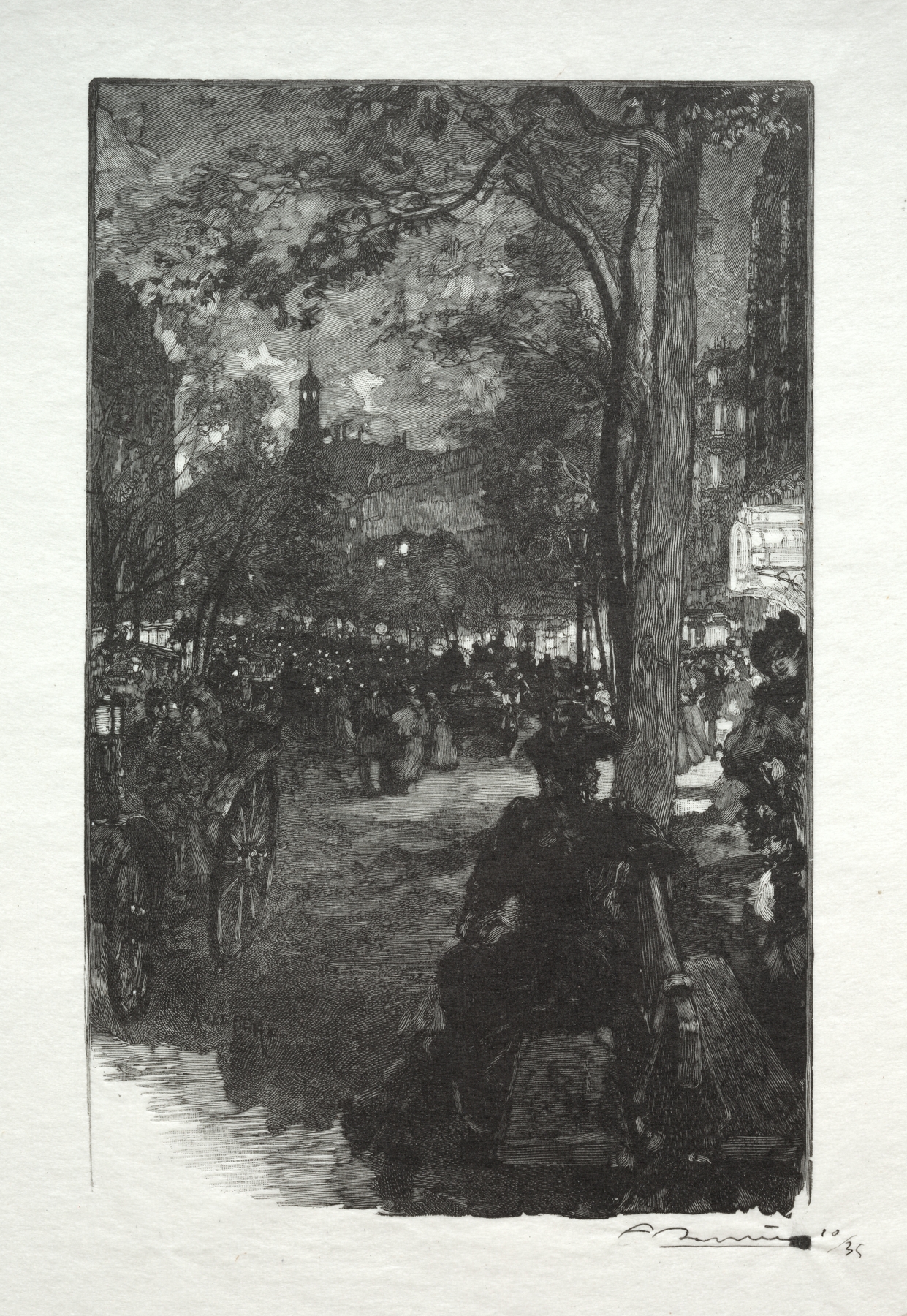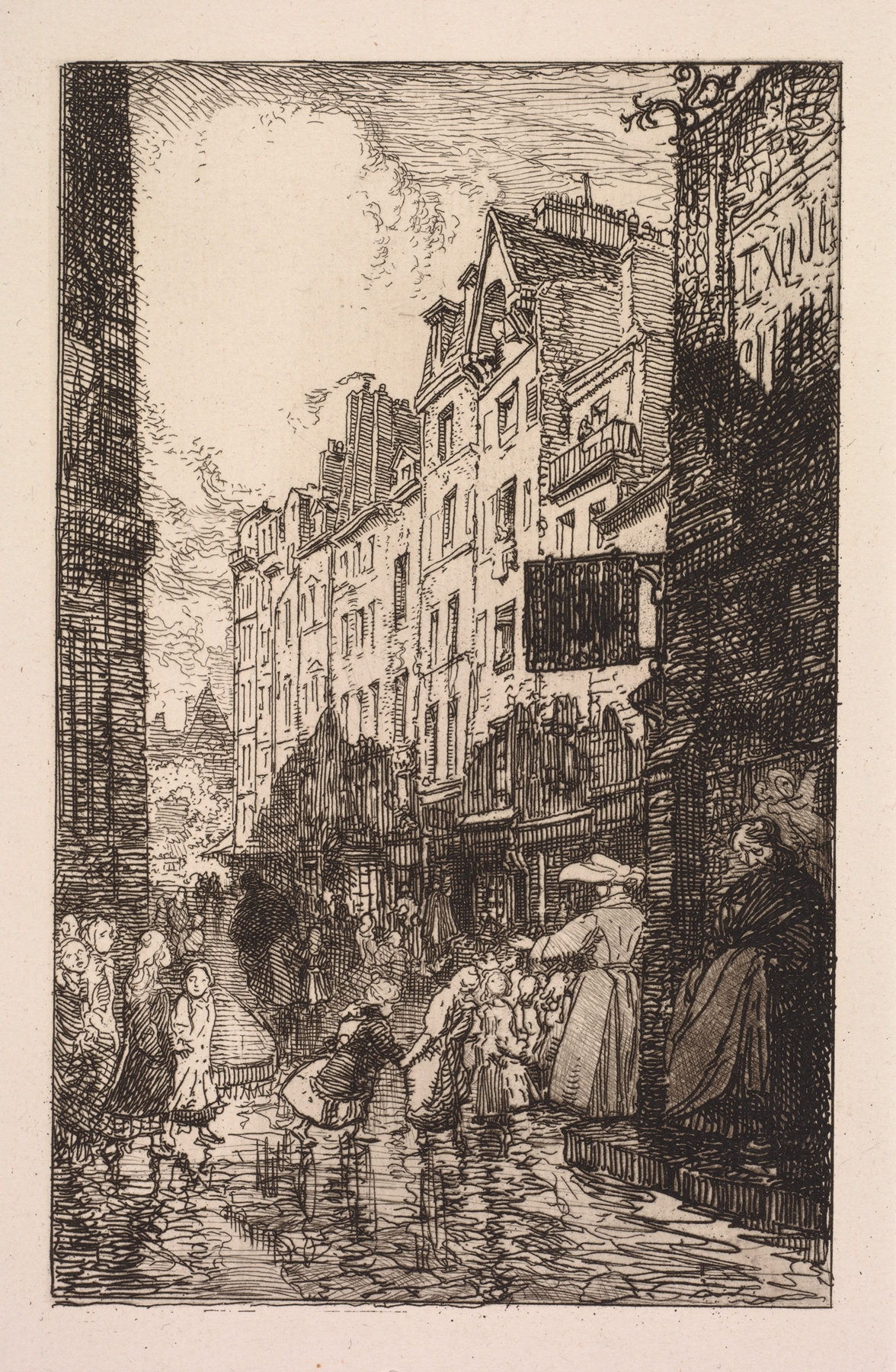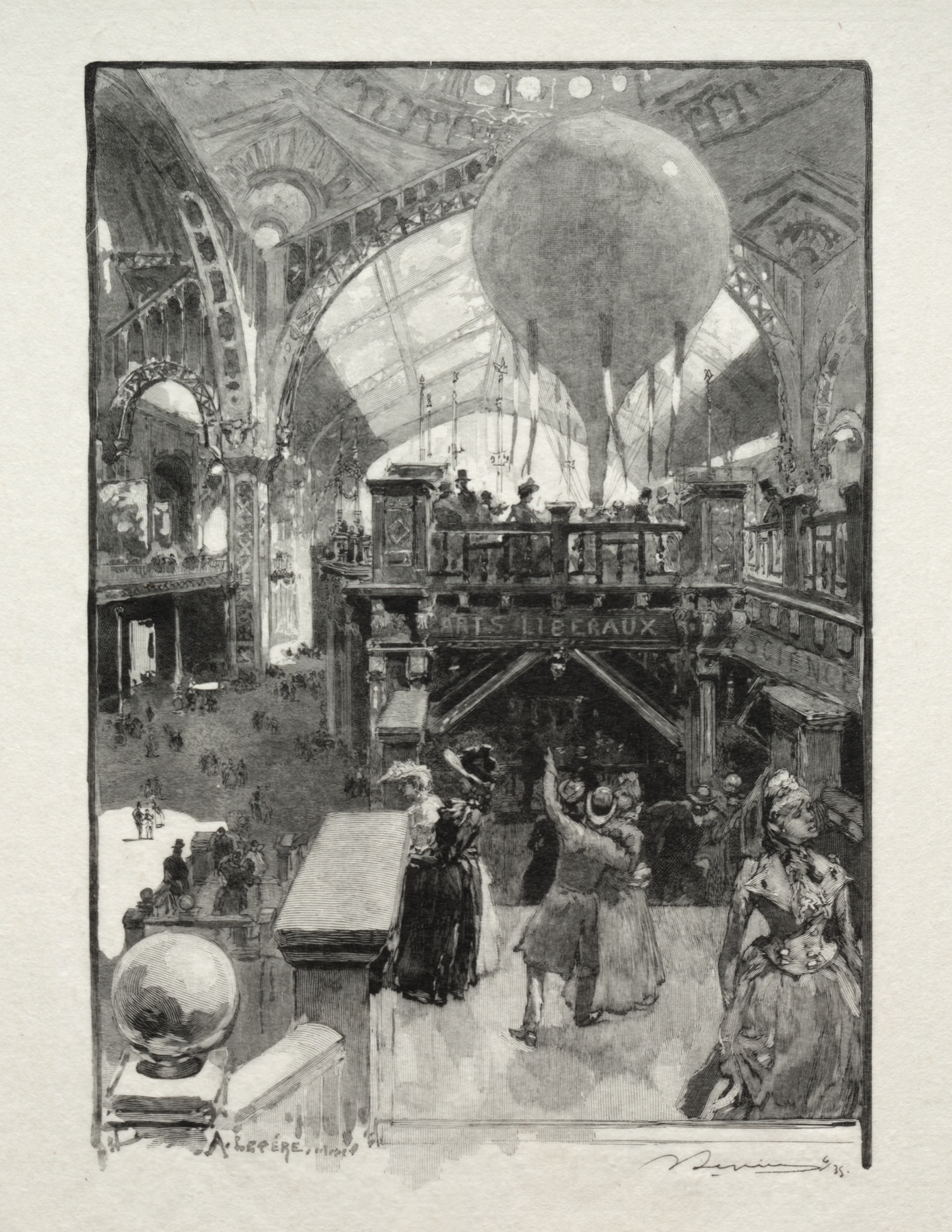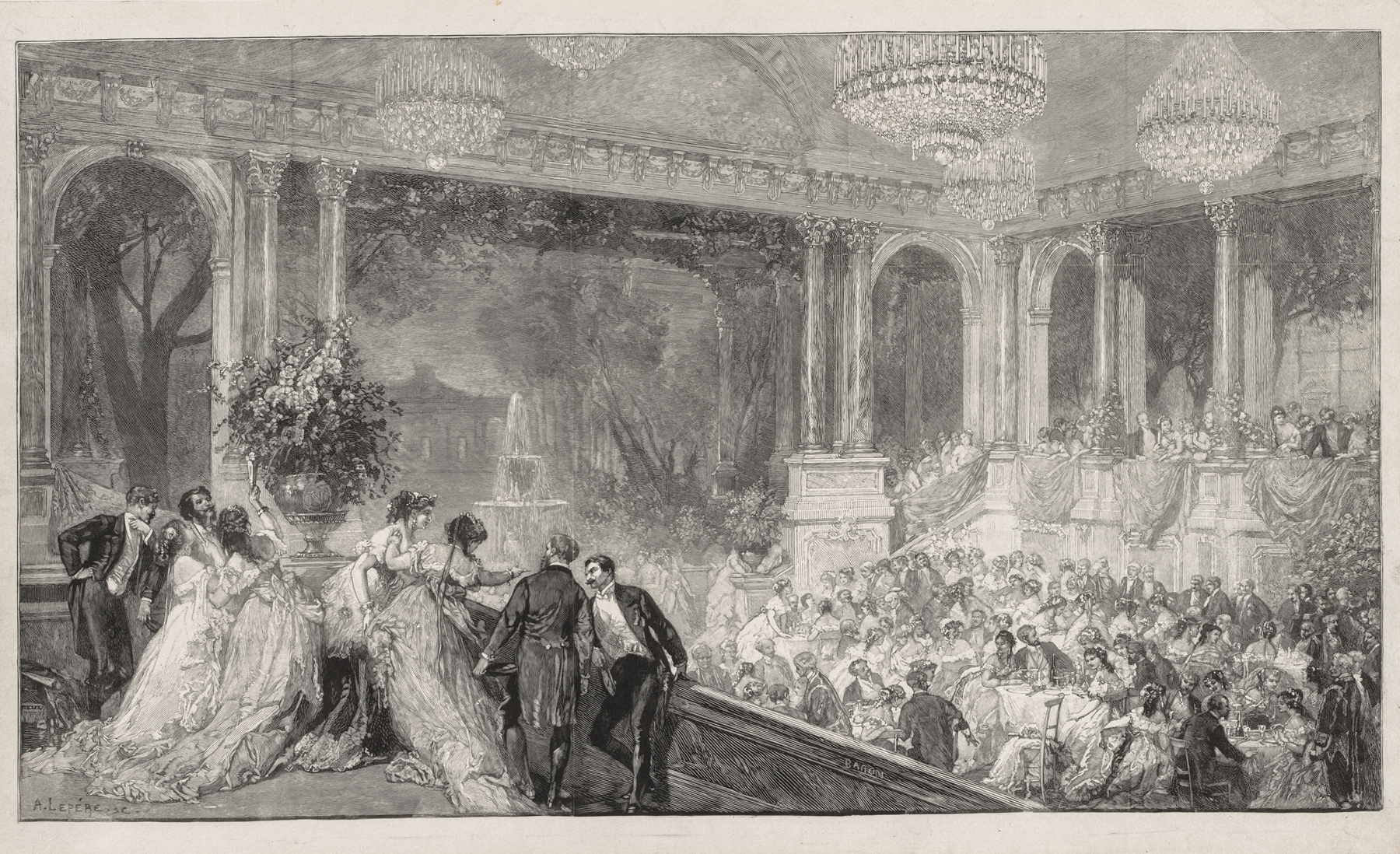
What if silence could speak through light? In the quiet yet vibrant atmosphere of *Festival at the Tuileries*, a longing for connection intertwines with the pulse of celebration. Look to the foreground, where a cluster of elegantly dressed figures gathers, their faces animated amidst a backdrop of swirling lights and shadows. Notice the interplay of vibrant colors—the rich blues and warm yellows—that breathe life into the scene. The artist's deft use of brushstrokes creates a sense of movement, as if the figures are caught in a joyous moment, each gesture echoing the energy of a festival. The composition draws our eyes towards the horizon, where the soft glow of the setting sun begins to merge with the night, imbuing the entire painting with an ethereal quality. Beneath the surface, the work captures more than just revelry; it speaks of the transient nature of joy. The laughter and merriment are tinged with an undercurrent of nostalgia, beckoning the viewer to contemplate what is fleeting. Each figure radiates a sense of yearning, their expressions hinting at unspoken desires and unfulfilled dreams, as if the celebration is a momentary escape from the weight of reality. The juxtaposition of light and shadow enhances this emotional tension, suggesting that within the thrill of the festival lies an awareness of life's impermanence. In 1887, while working on this piece in Paris, *Auguste Louis Lepère* was immersed in the Impressionist movement, experimenting with capturing the essence of modern life. This period marked a significant shift in the art world, with artists seeking to break free from traditional constraints and embrace spontaneity and emotion in their work. Lepère's choice to depict a lively urban scene reflects both his personal experiences and the vibrant cultural landscape of France during this transformative era.