Filosoof — History & Analysis
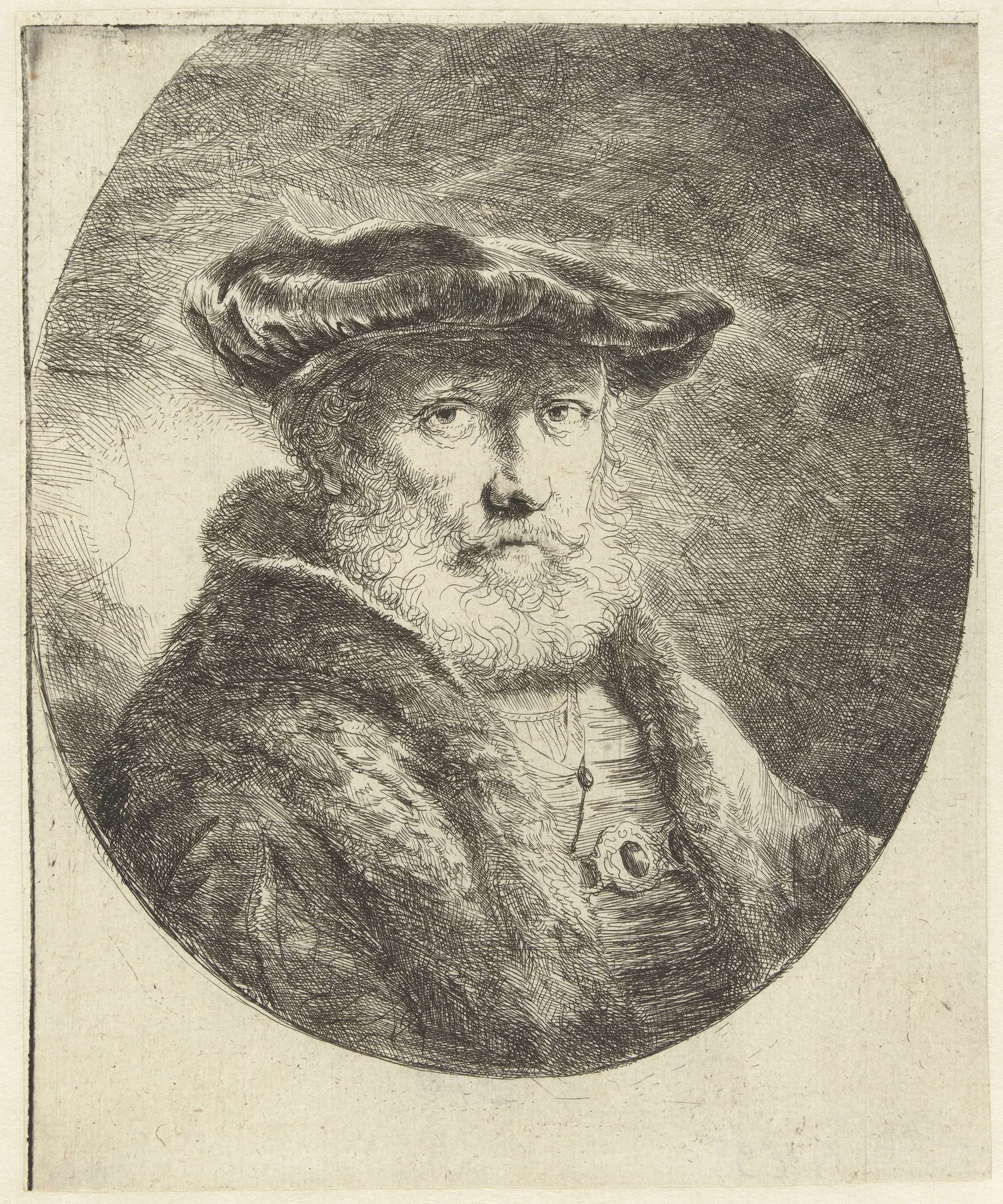
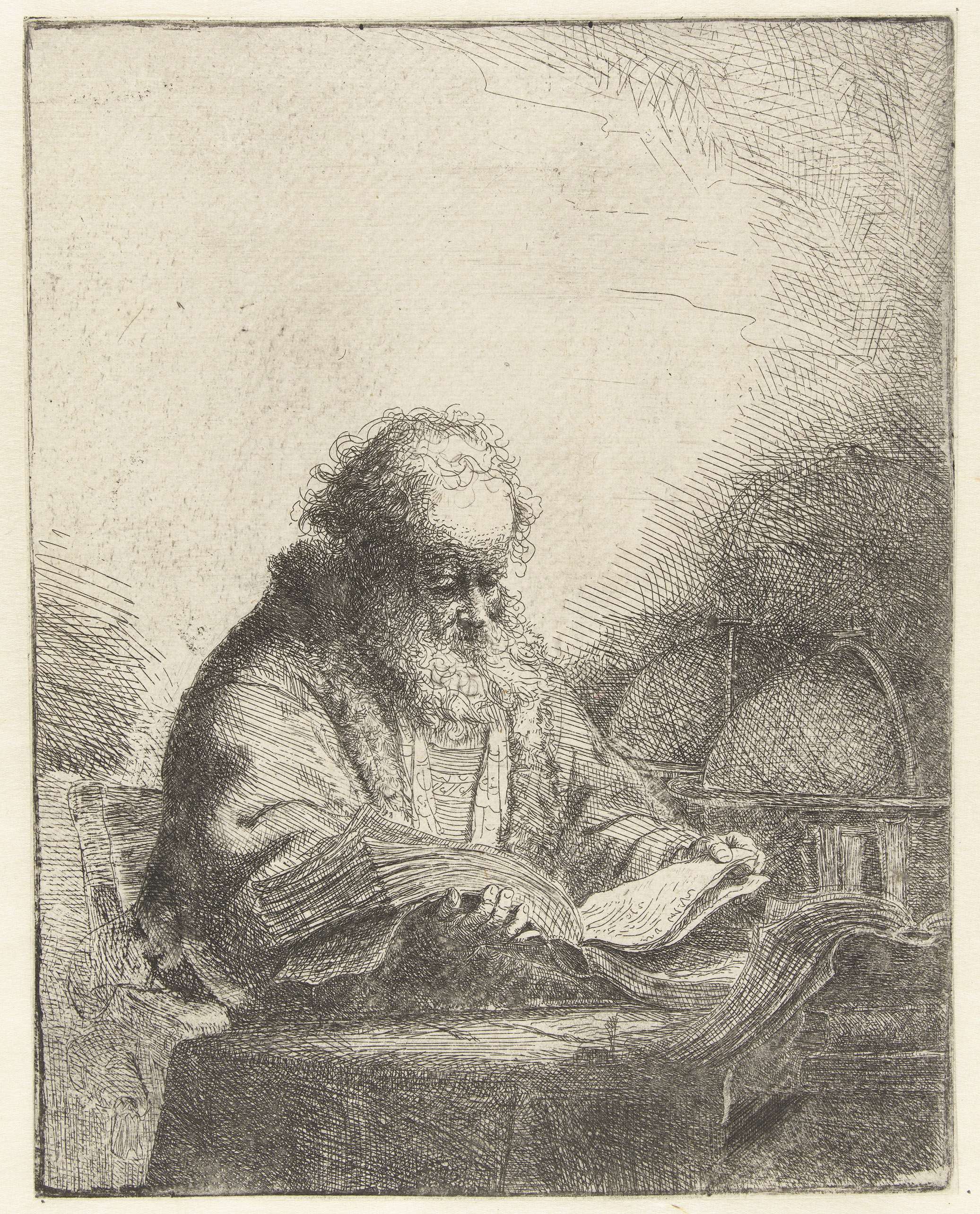
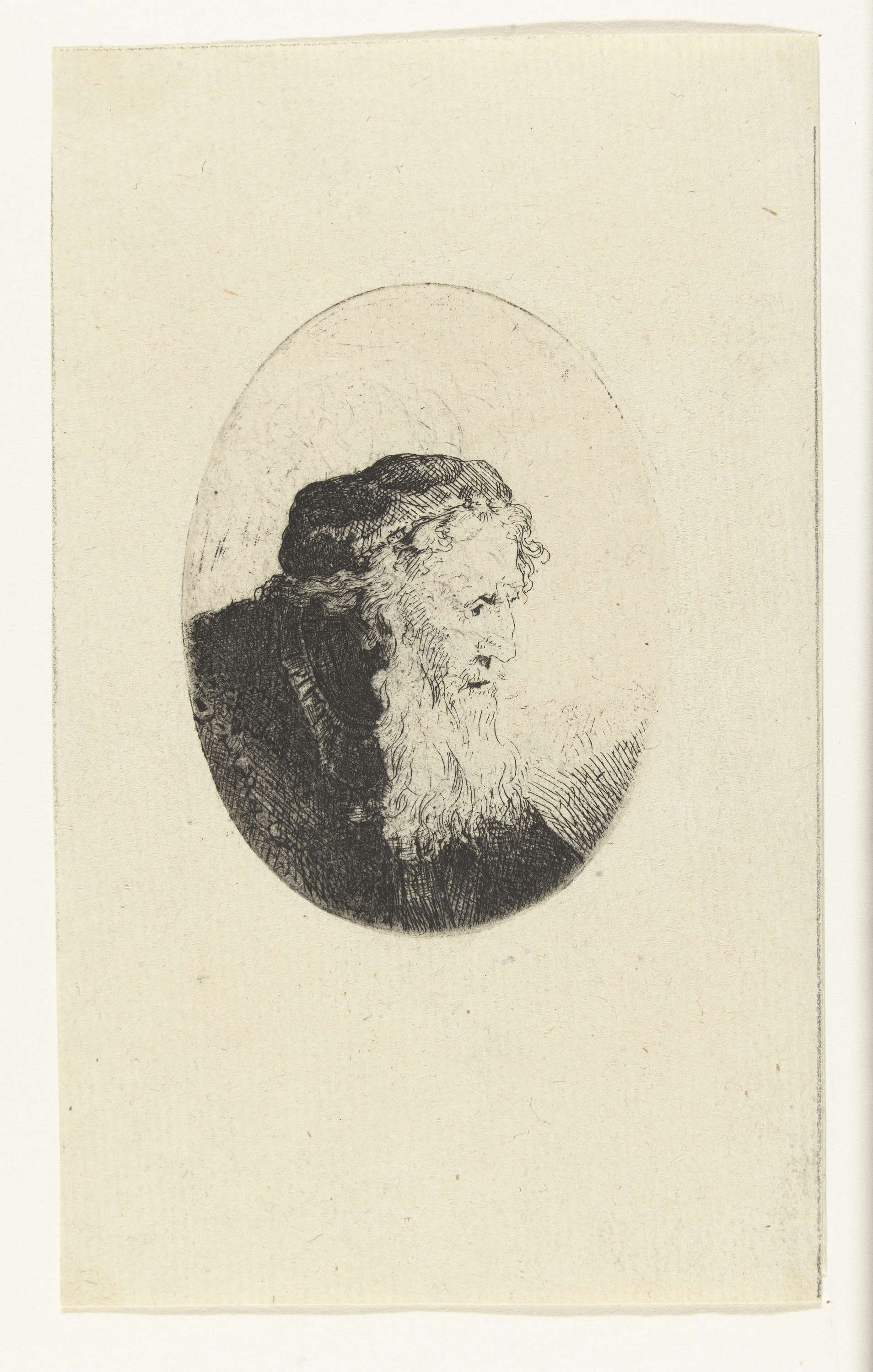
“The canvas doesn’t lie — it simply waits.” In the stillness of contemplation, a philosopher stares deep into the soul of the viewer, beckoning not just for understanding but revelation. What secrets does he hold in his serene expression, and what truths linger in the shadows cast by the flickering candlelight? Look to the figure’s left hand, which gracefully cradles an open book, inviting curiosity. The warm glow of the candle illuminates the philosopher's face, accentuating the furrowed brow and the wisdom etched into his features. Rich, earthy tones dominate the canvas, from the deep umbers of the garments to the gleaming golds of the candle’s flame.
Bol’s meticulous application of light enhances the tension between thought and silence, drawing you further into this moment of introspection. Within this work lies a juxtaposition of enlightenment and mystery. The philosopher is not merely a scholar; he embodies the very essence of inquiry, with his gaze implying a question unanswered. The subtle play of light and shadow creates a tension that suggests both enlightenment and the haunting shadow of doubt.
The open book and candle symbolize the pathway to knowledge, yet the darkness of the surrounding space serves as a reminder of the unknown lurking just beyond the reach of understanding. Created in 1642, this artwork emerged during a period of great intellectual ferment in the Netherlands, where the Age of Enlightenment began to take shape. Ferdinand Bol, a prominent figure among the Dutch Golden Age painters, found himself influenced by Rembrandt’s tenebrist style. At this juncture in his life, Bol was establishing his own artistic identity, deftly navigating the interplay between light and shadow while contributing to the rich tapestry of Dutch art and philosophy.