Filosoof — History & Analysis
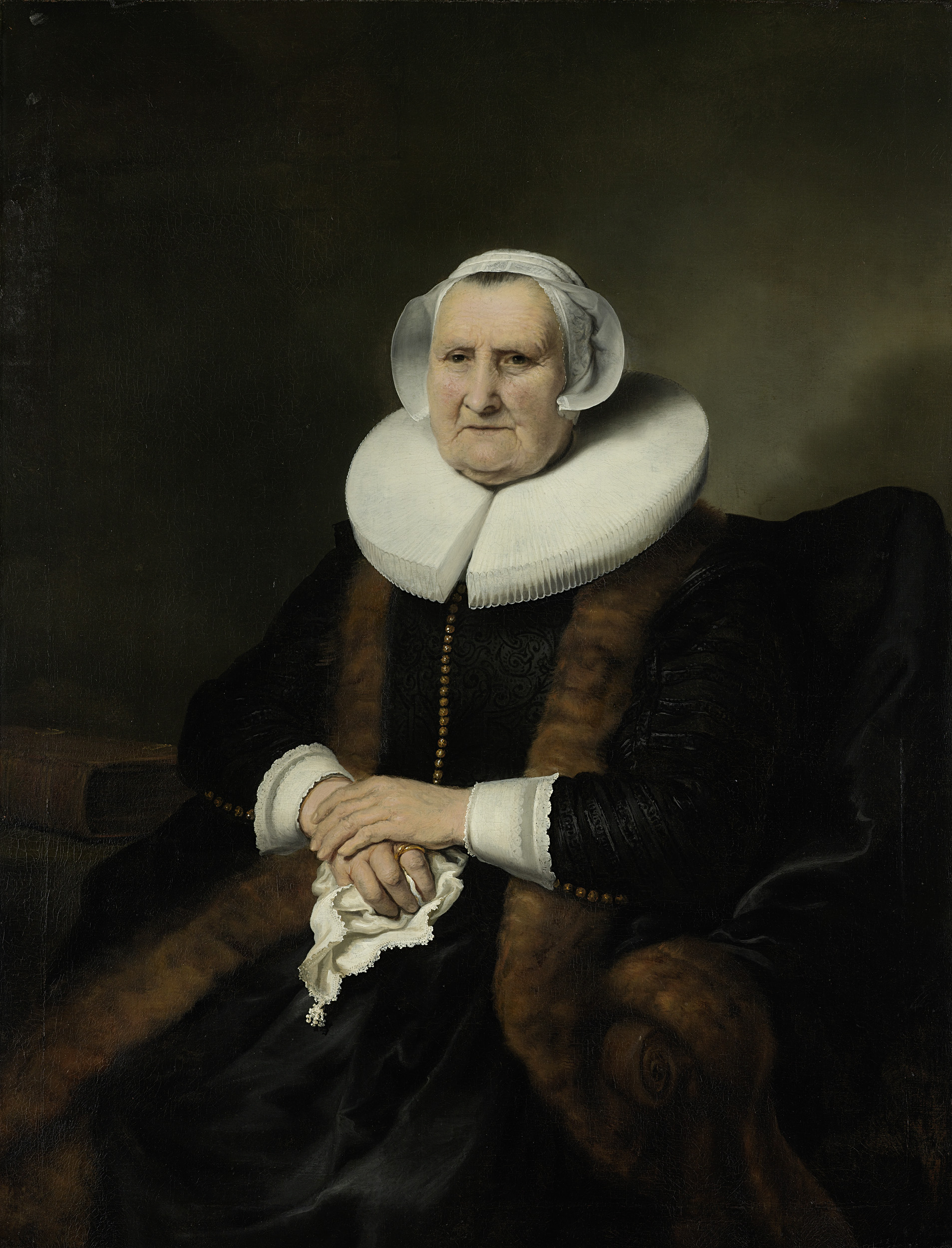
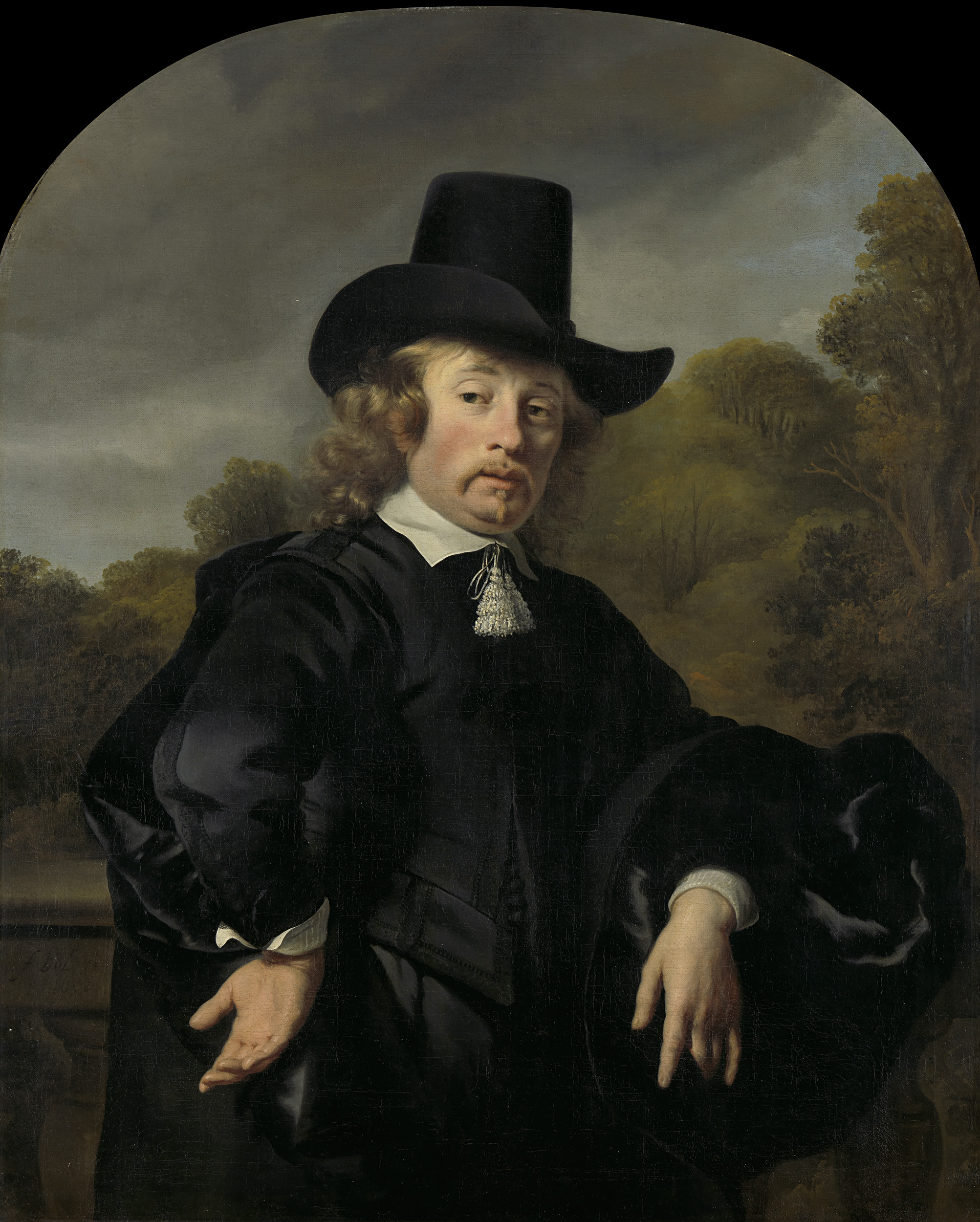
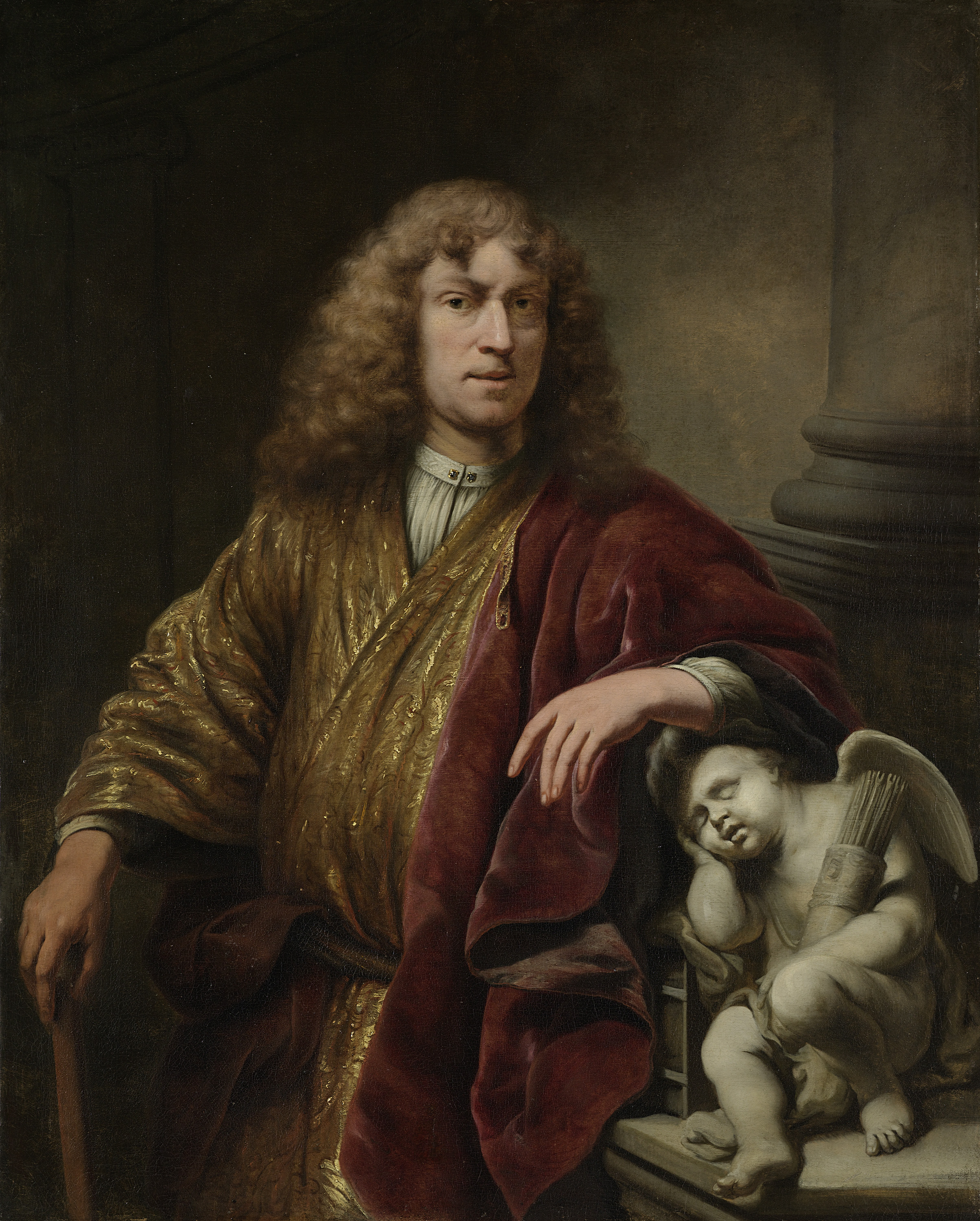
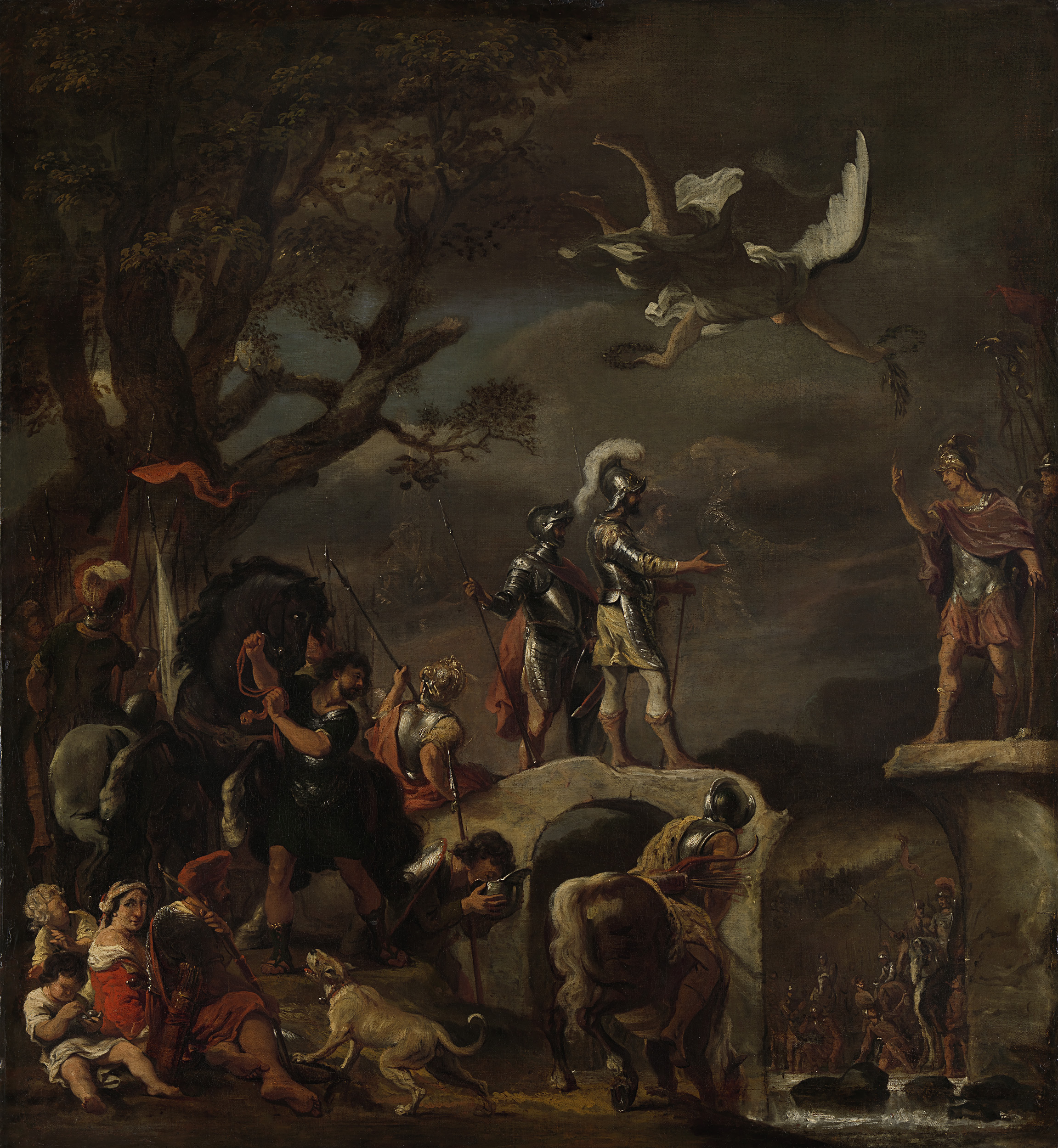
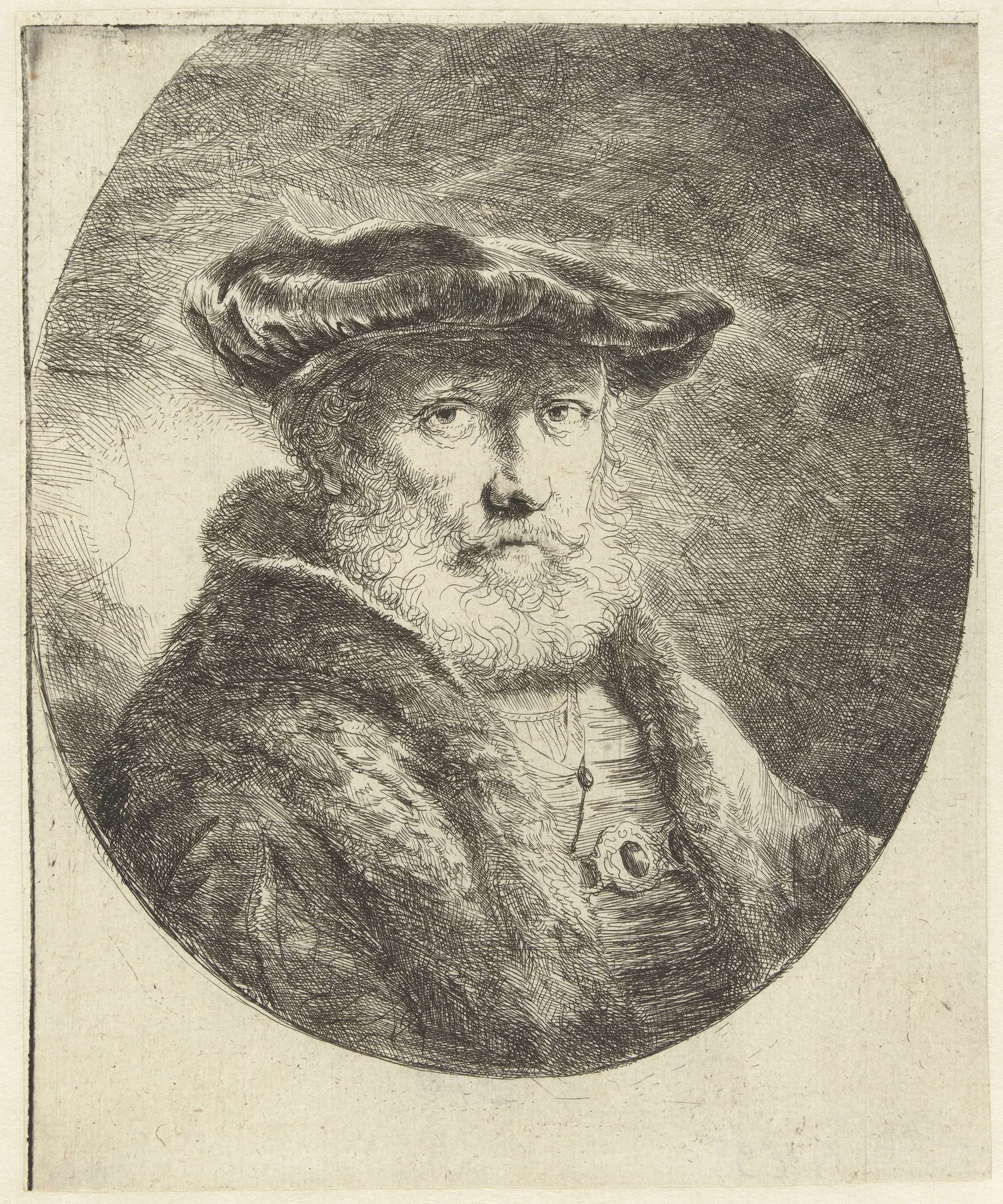
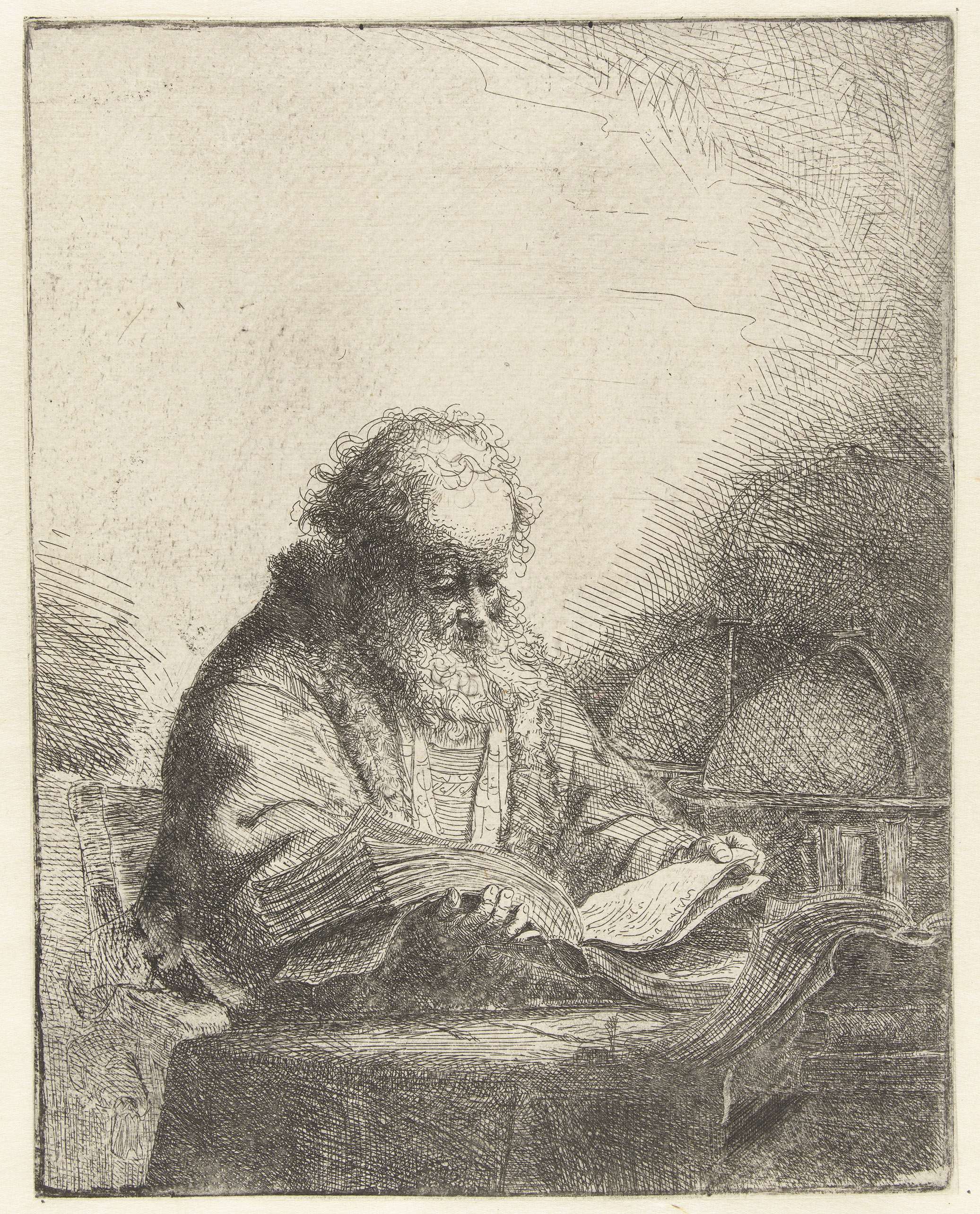
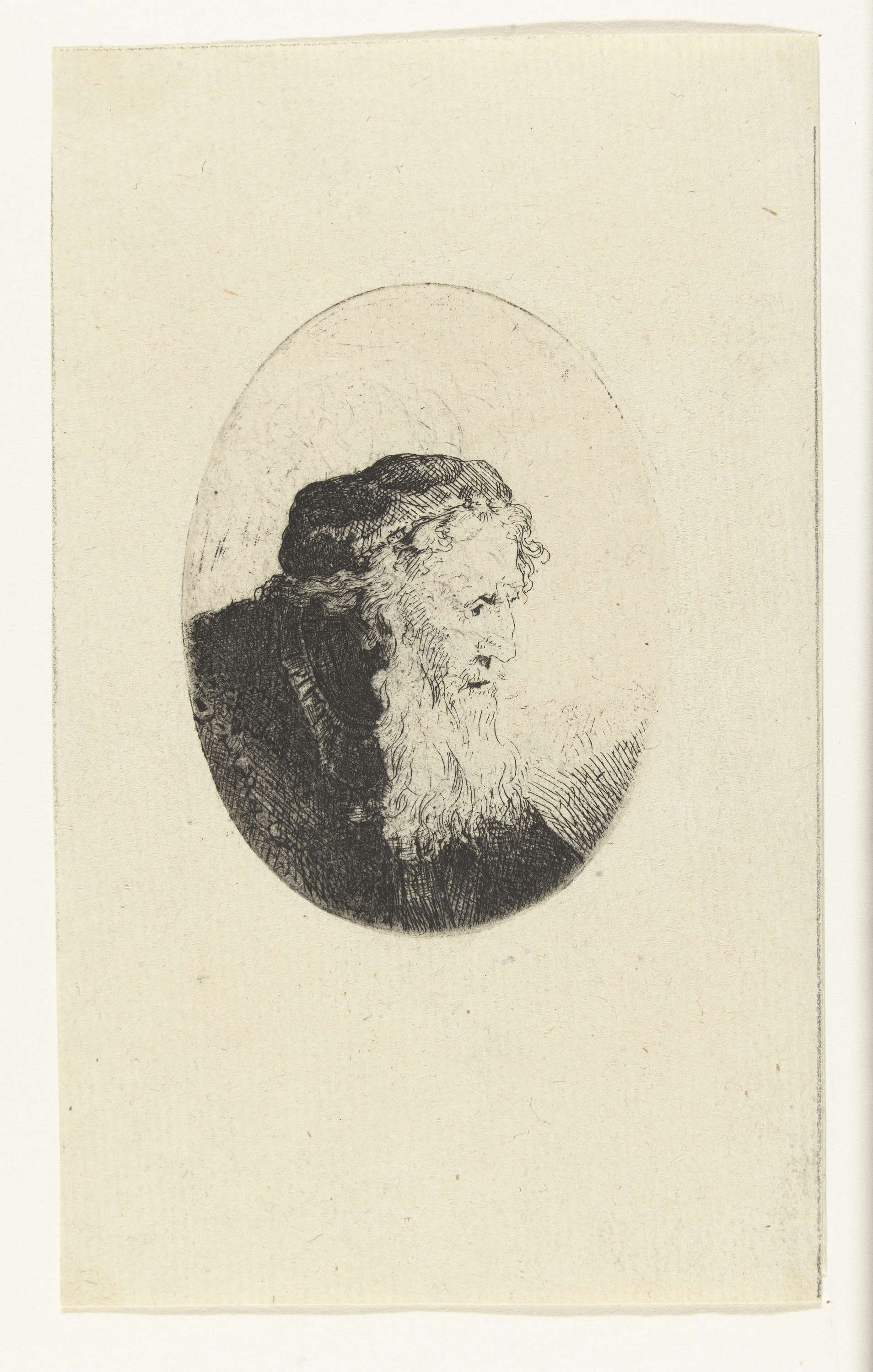
“Every brushstroke is a heartbeat remembered.” In Filosoof, we are invited into a realm where thought and emotion intertwine, creating an intimate space of yearning and contemplation. The philosopher gazes into the distance, lost in a world of reflection, as if he holds the secrets of existence within the silent folds of his robe. Focus on the philosopher’s penetrating gaze, which draws you in with an unsettling intensity. Notice the interplay of light and shadow on his face, highlighting the deep lines of wisdom etched by experience. The rich, warm tones of his attire contrast with the muted background, encapsulating a sense of isolation even in a crowded world of ideas.
Each detail, from the refined texture of the fabric to the slight curl of his fingers, reveals Bol's mastery in capturing the human experience in vibrant color and form. The composition speaks volumes about the contrast between knowledge and solitude. The philosopher’s expression invites us to question what he contemplates, suggesting a yearning for understanding that transcends time. This silent dialogue between the figure and the viewer evokes an emotional tension—one that resonates with anyone who has grappled with the weight of their thoughts.
The subtle inclusion of books and instruments hints at the pursuit of knowledge, suggesting that wisdom often comes with a cost—an ever-present longing for answers. Ferdinand Bol painted Filosoof in 1642 during a time of profound intellectual exploration in the Dutch Golden Age. As a pupil of Rembrandt, Bol’s work reflects the evolving dynamics of art, moving towards a distinctive style that emphasizes clarity and emotional depth. This period was marked by a growing interest in individualism and the exploration of human consciousness, setting the stage for Bol's exploration of philosophical themes in his art.