Flaming Pool—Dogtown — History & Analysis
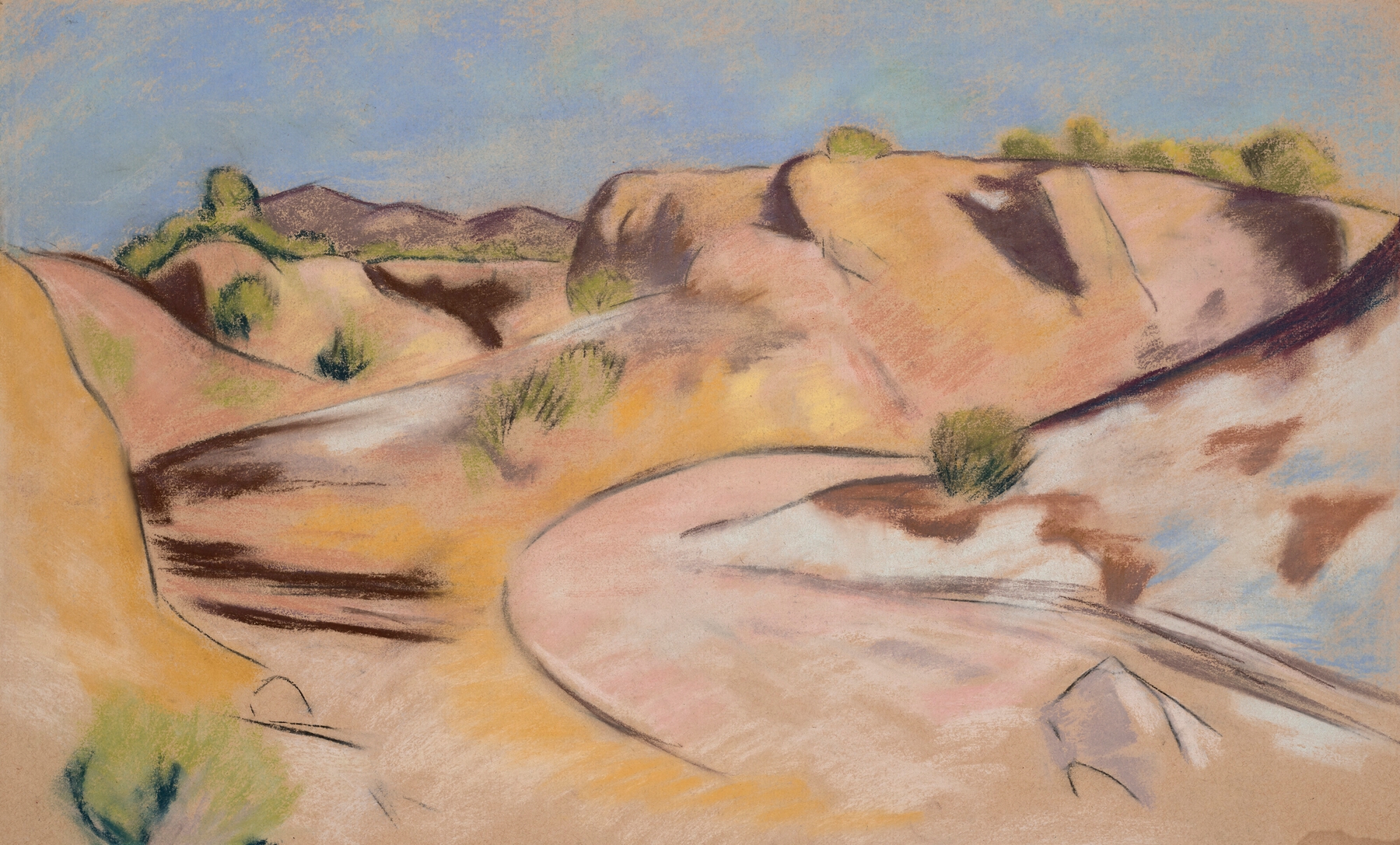
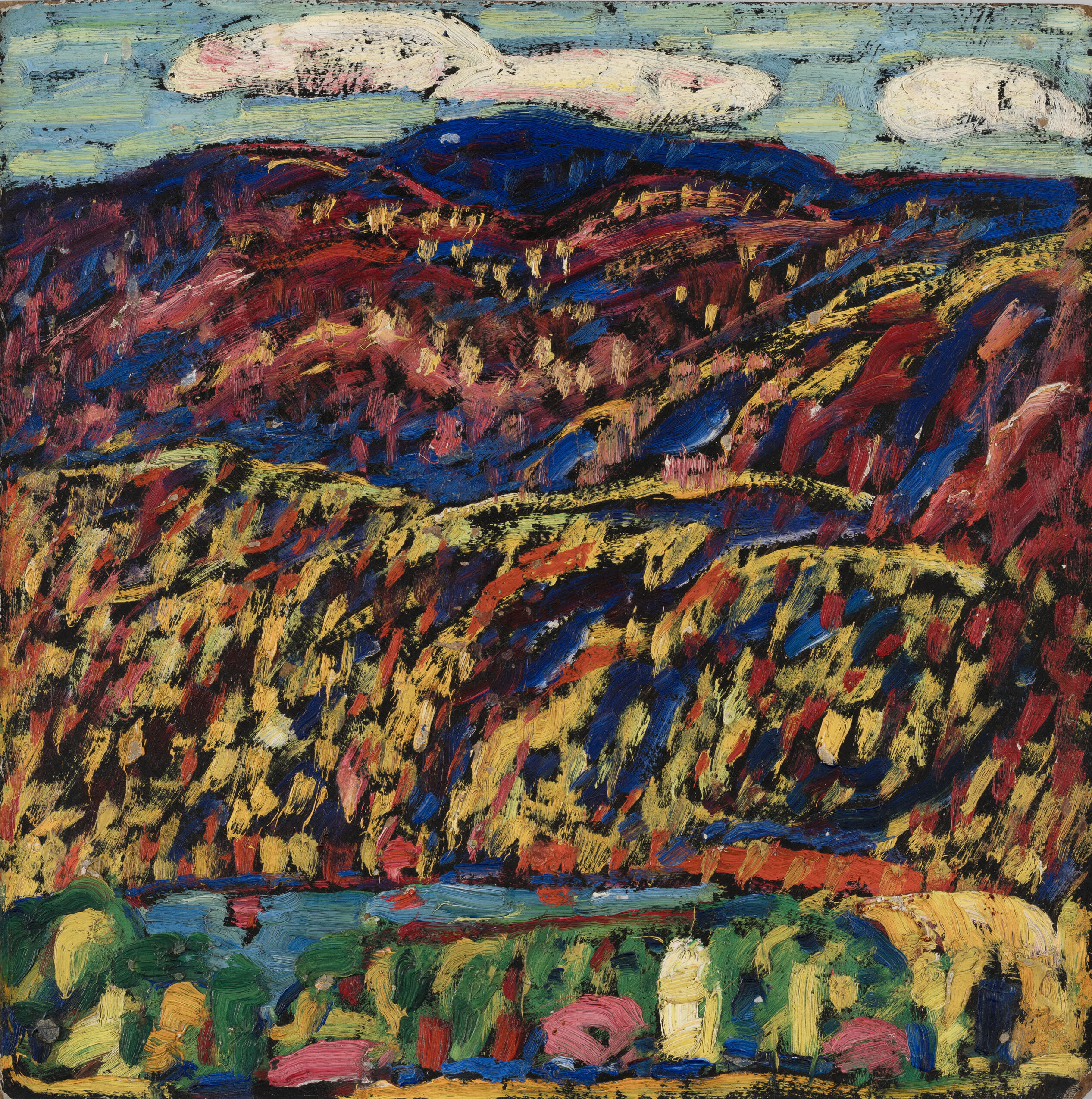
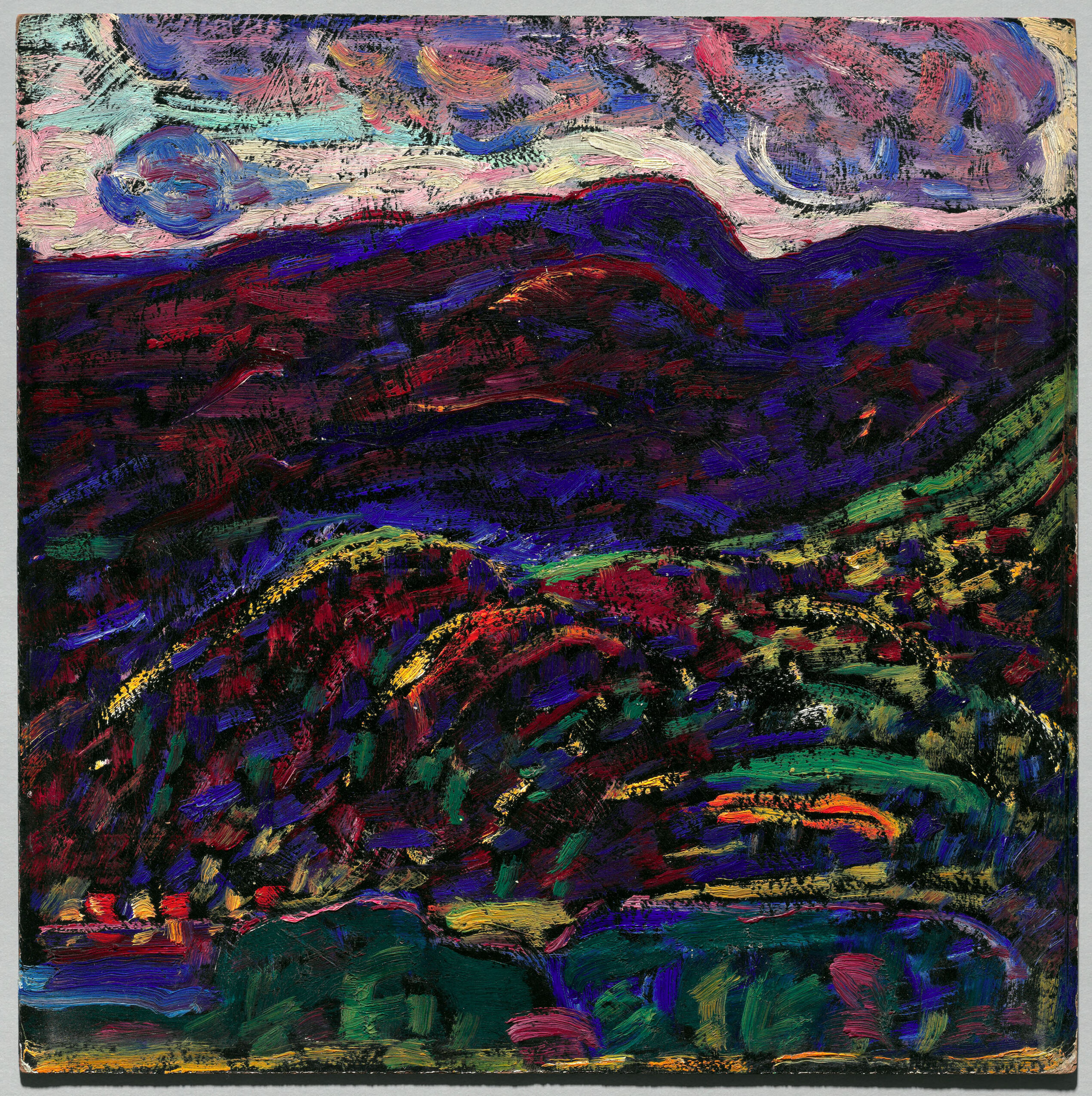
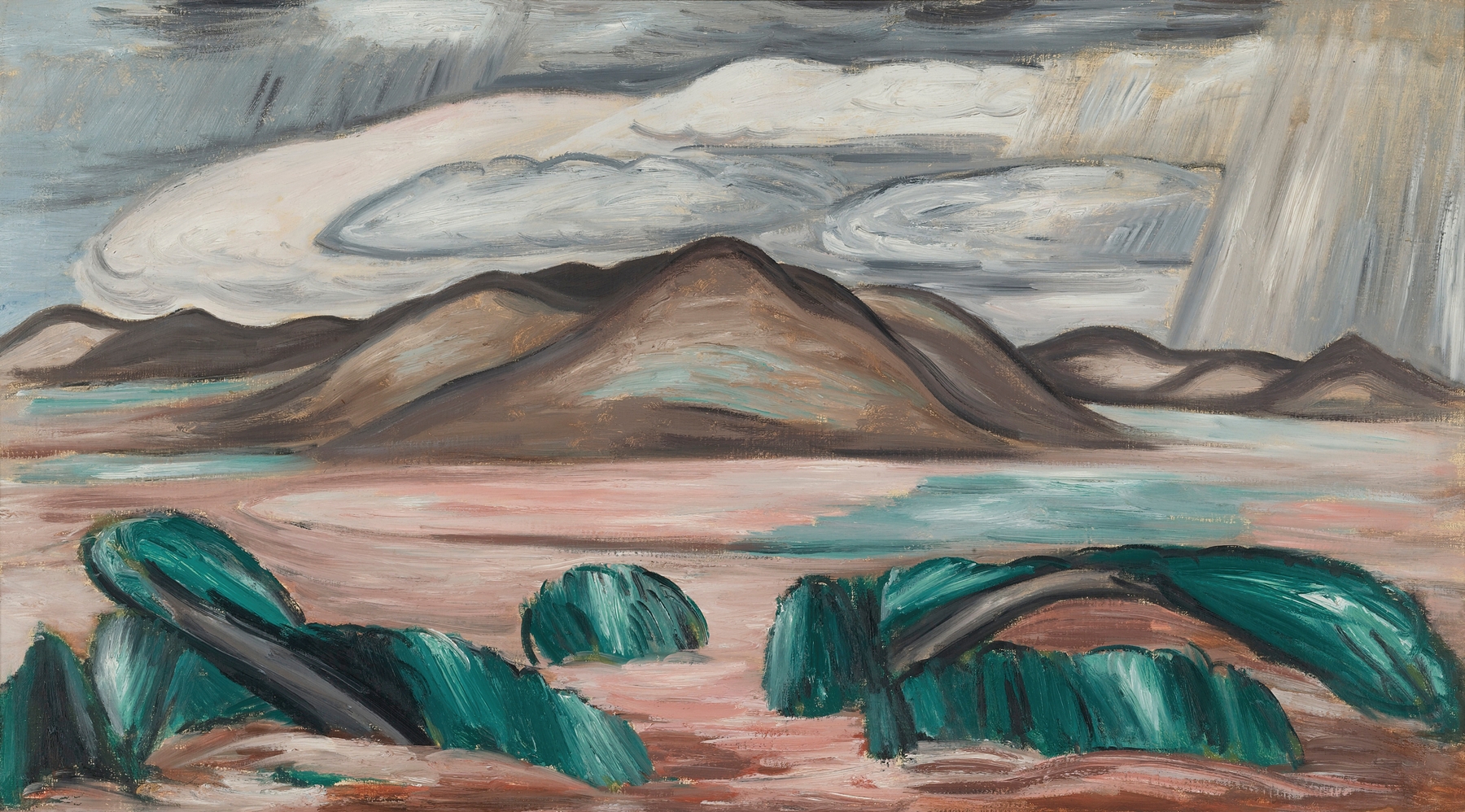
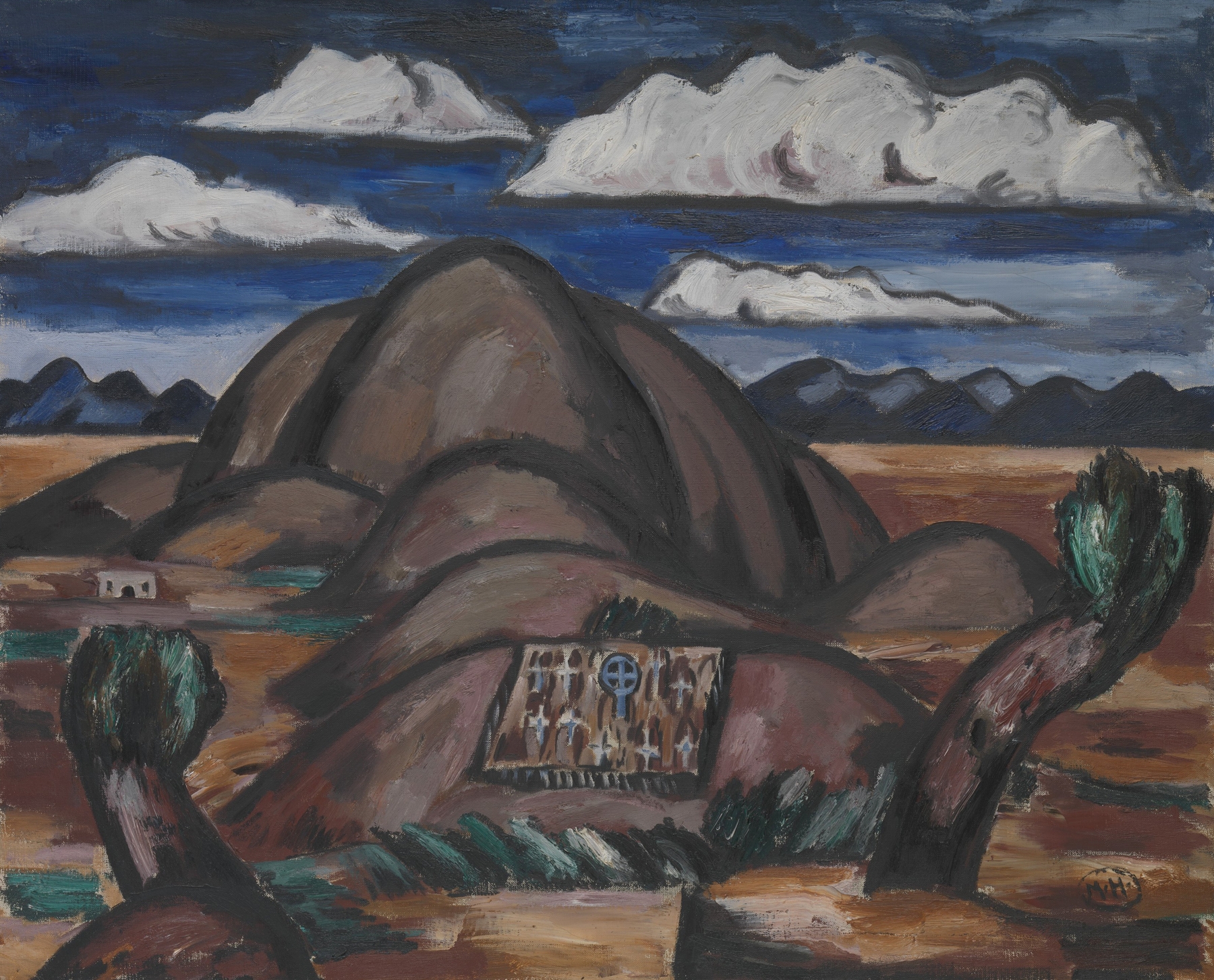
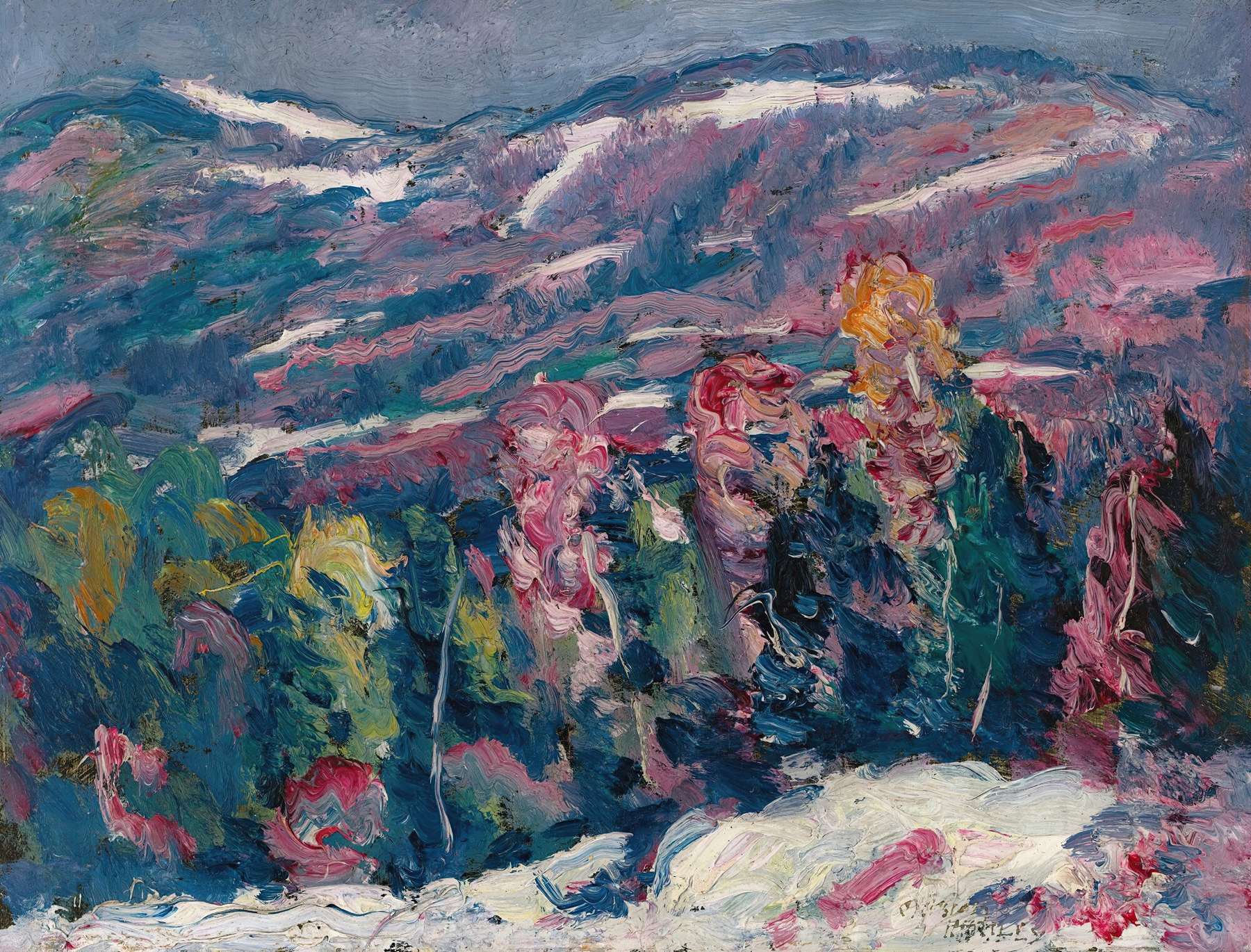
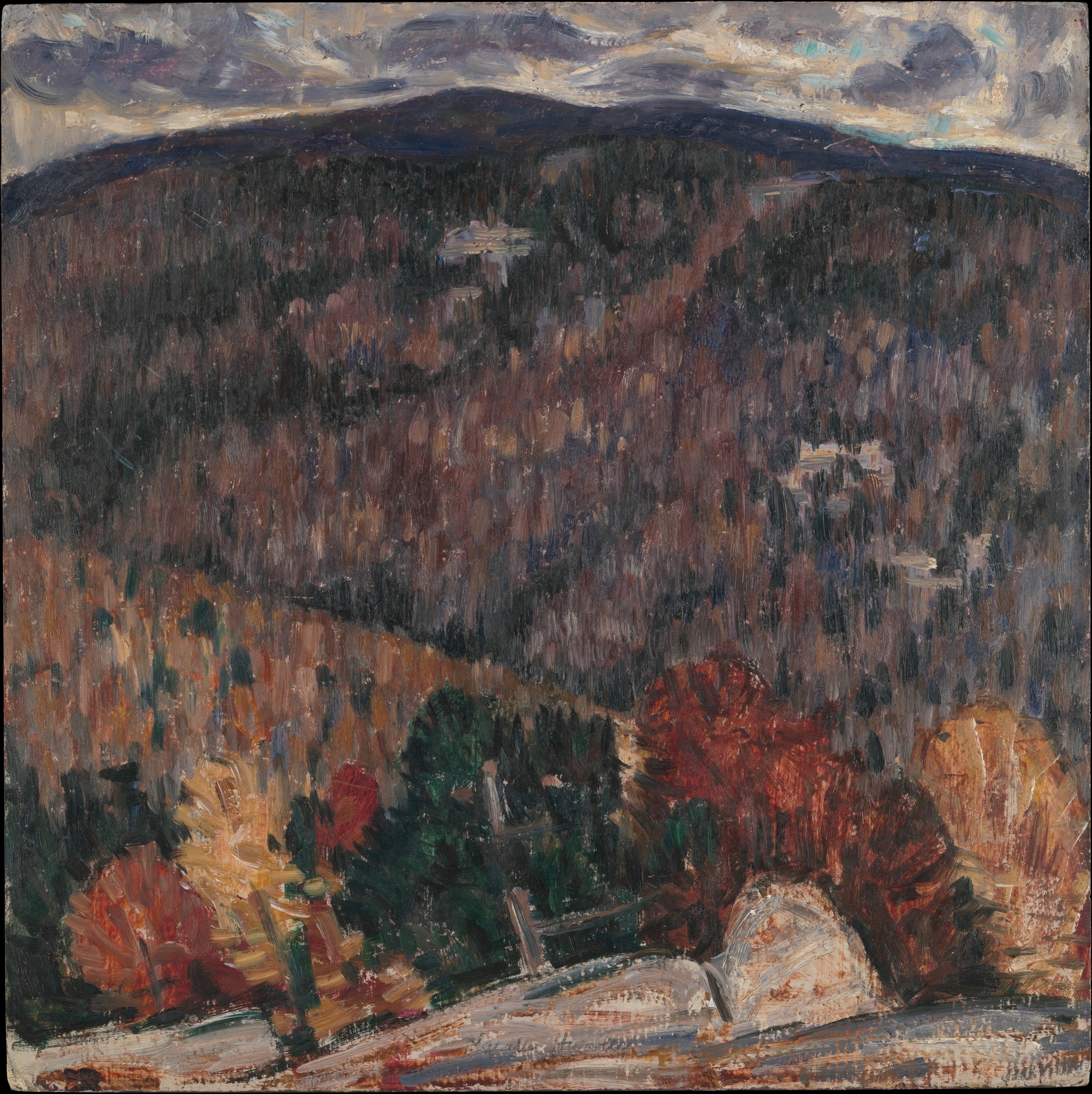
Where does light end, and longing begin? In the interplay of color and form, Flaming Pool—Dogtown draws us into a landscape of fervent emotion and quiet faith. Focus first on the vibrant hues that blaze across the canvas. The rich reds and oranges swirl around the central pool, creating a striking contrast with the deep blues of the surrounding sky. Notice how the brushstrokes are both rhythmic and chaotic, suggesting a sense of movement and energy.
The pooling water reflects the fiery colors above, inviting your gaze to dance between the two elements, while the soft edges of the landscape ground the scene in a palpable reality, hinting at both turmoil and tranquility. Delve deeper into the symbolism of the work. The pool, a source of illumination, represents both a sanctuary and a crucible, mirroring the artist's own struggles and aspirations. The vivid colors speak to a yearning for connection—a bridge between the physical and the spiritual.
Hartley's choice to place the fiery brilliance against the calmer, more muted tones of the earth signifies the tension between chaos and peace, inviting us to explore our own relationships with faith and longing. In 1931, Hartley created this piece during a pivotal moment in his life while living in a small coastal town in Massachusetts. The world was grappling with the aftermath of the Great Depression, and the artist's own experiences of loss and displacement informed his work. Known for his ability to infuse emotion into landscapes, Hartley sought to reconcile his inner turmoil with the beauty of the world around him, capturing a transitional moment that speaks to the persistence of hope in the face of adversity.