Florence — History & Analysis
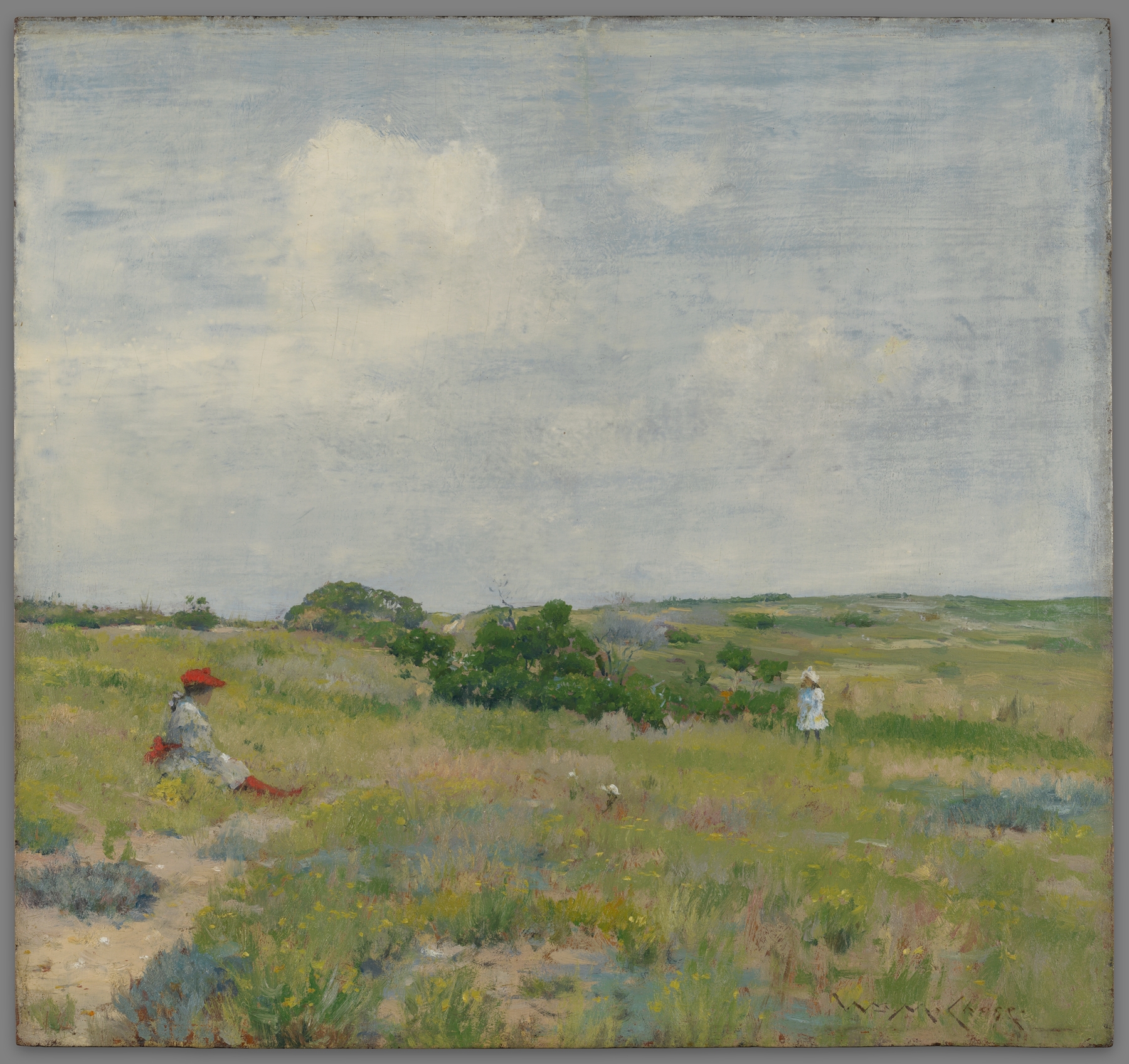
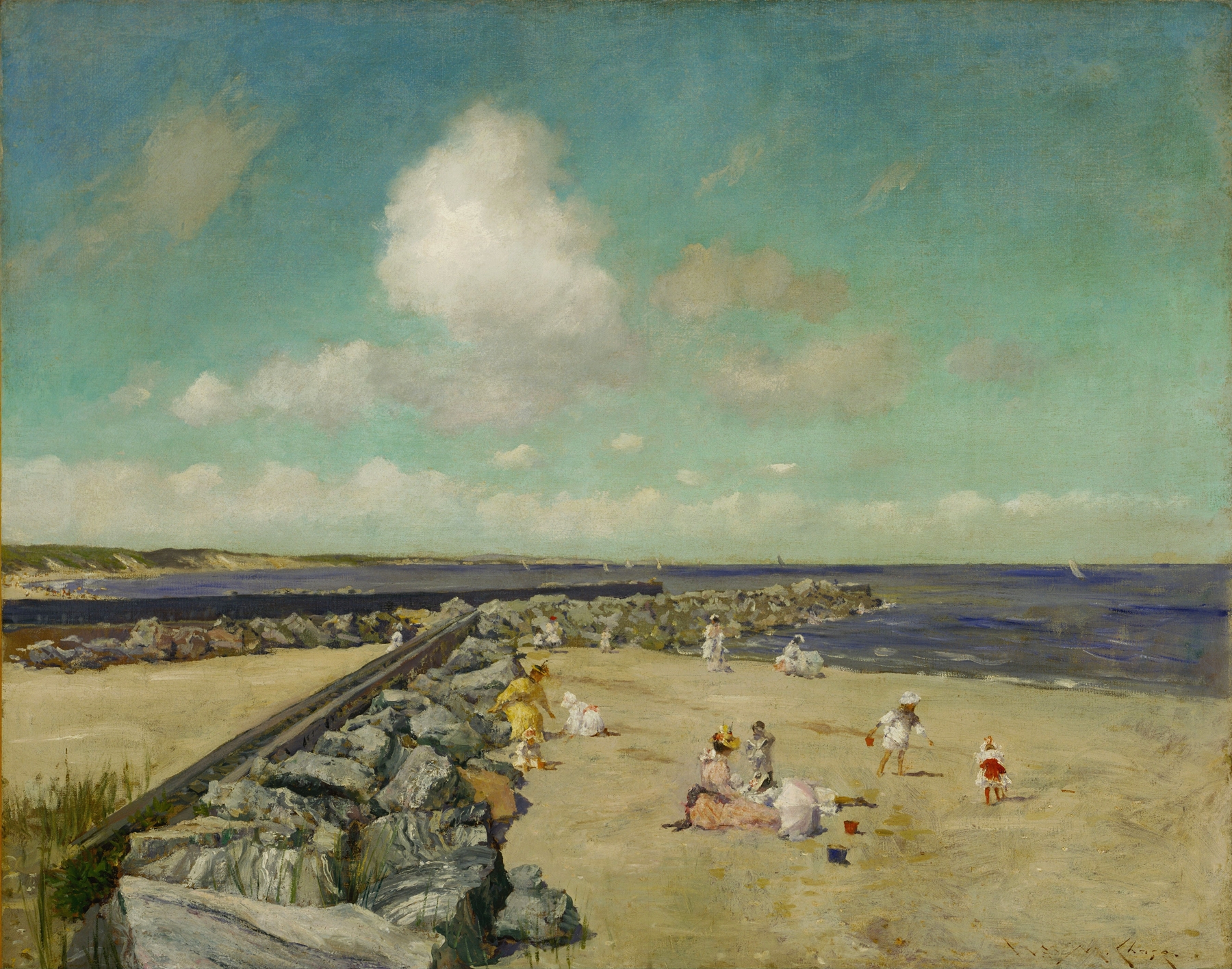
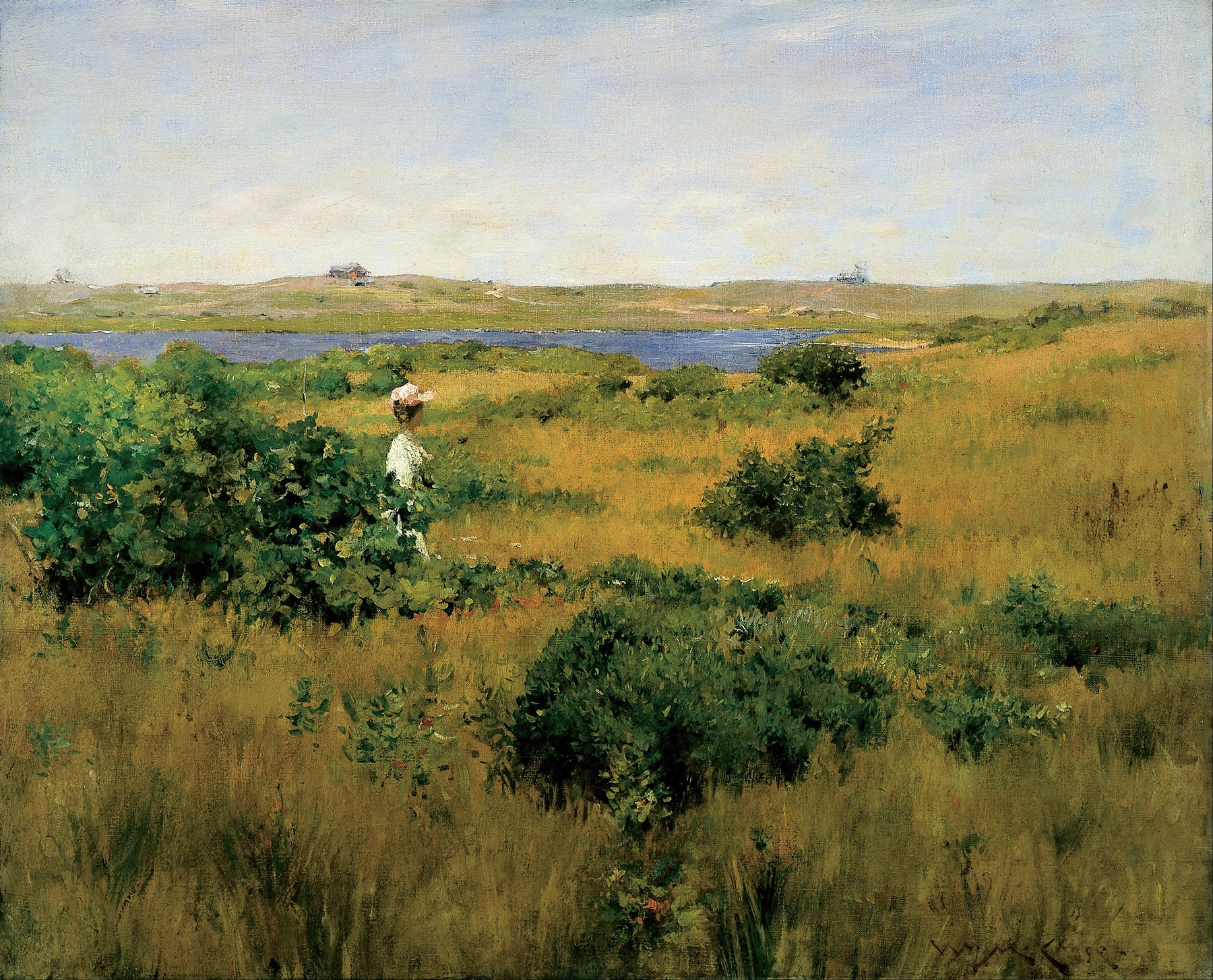
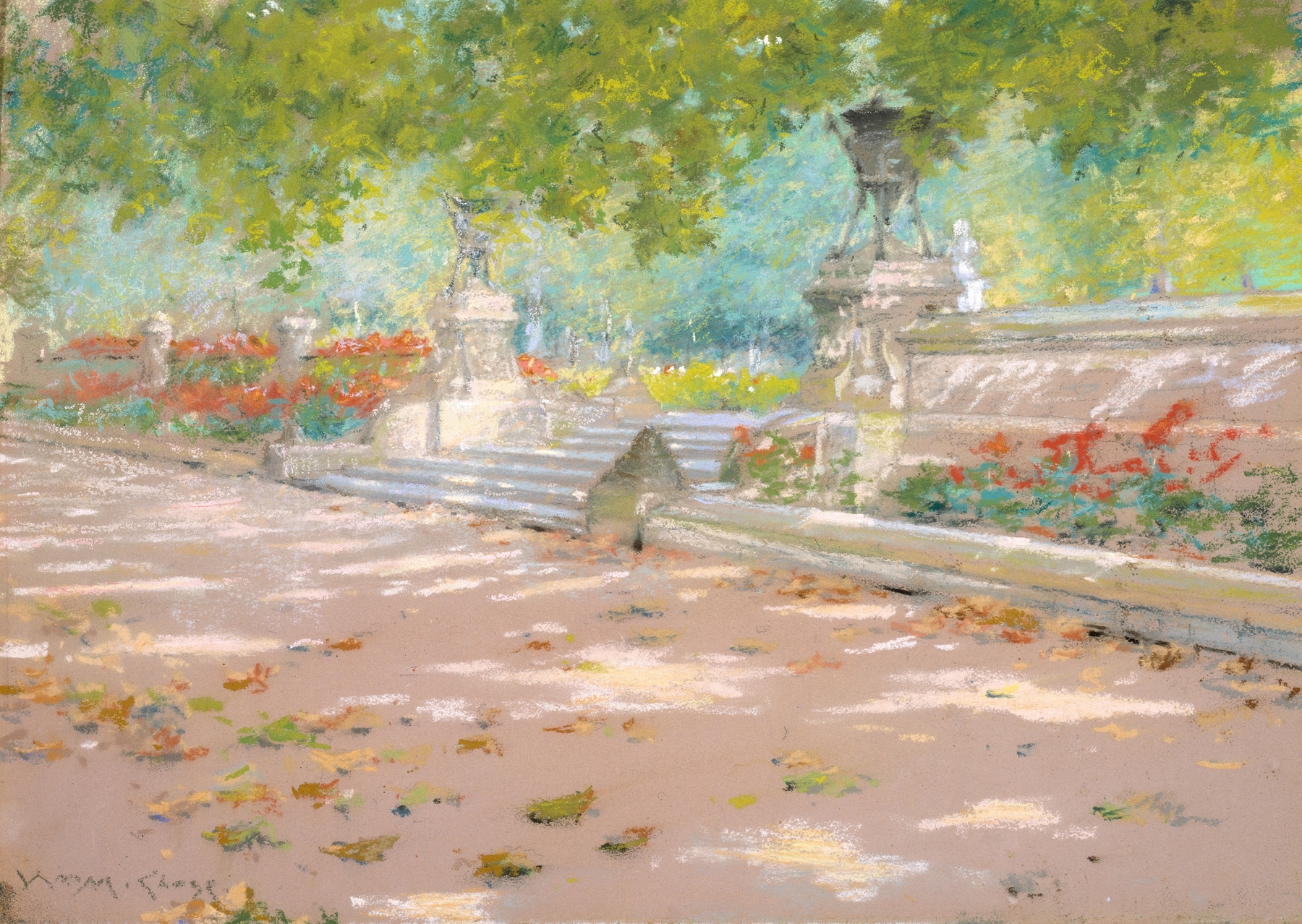
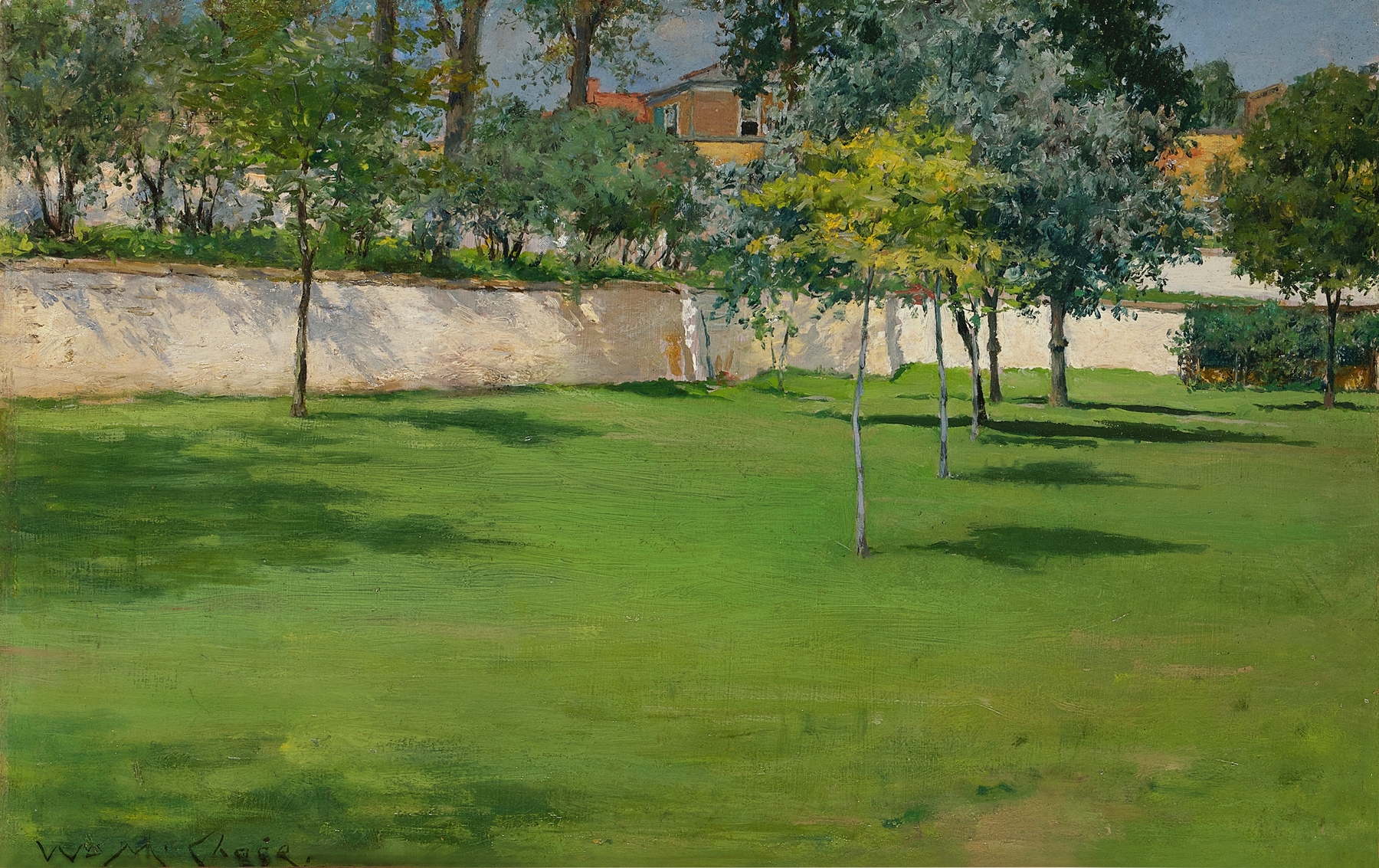
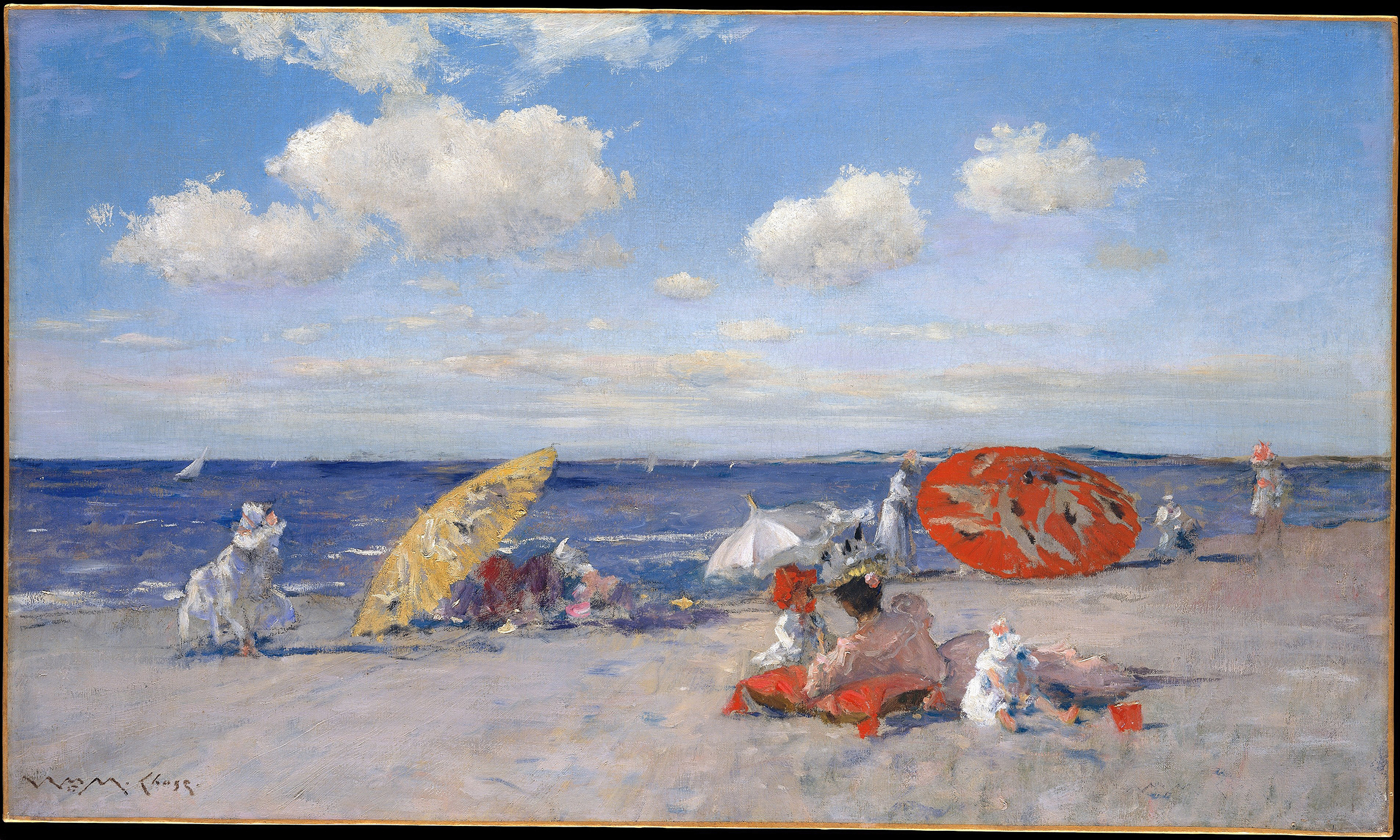
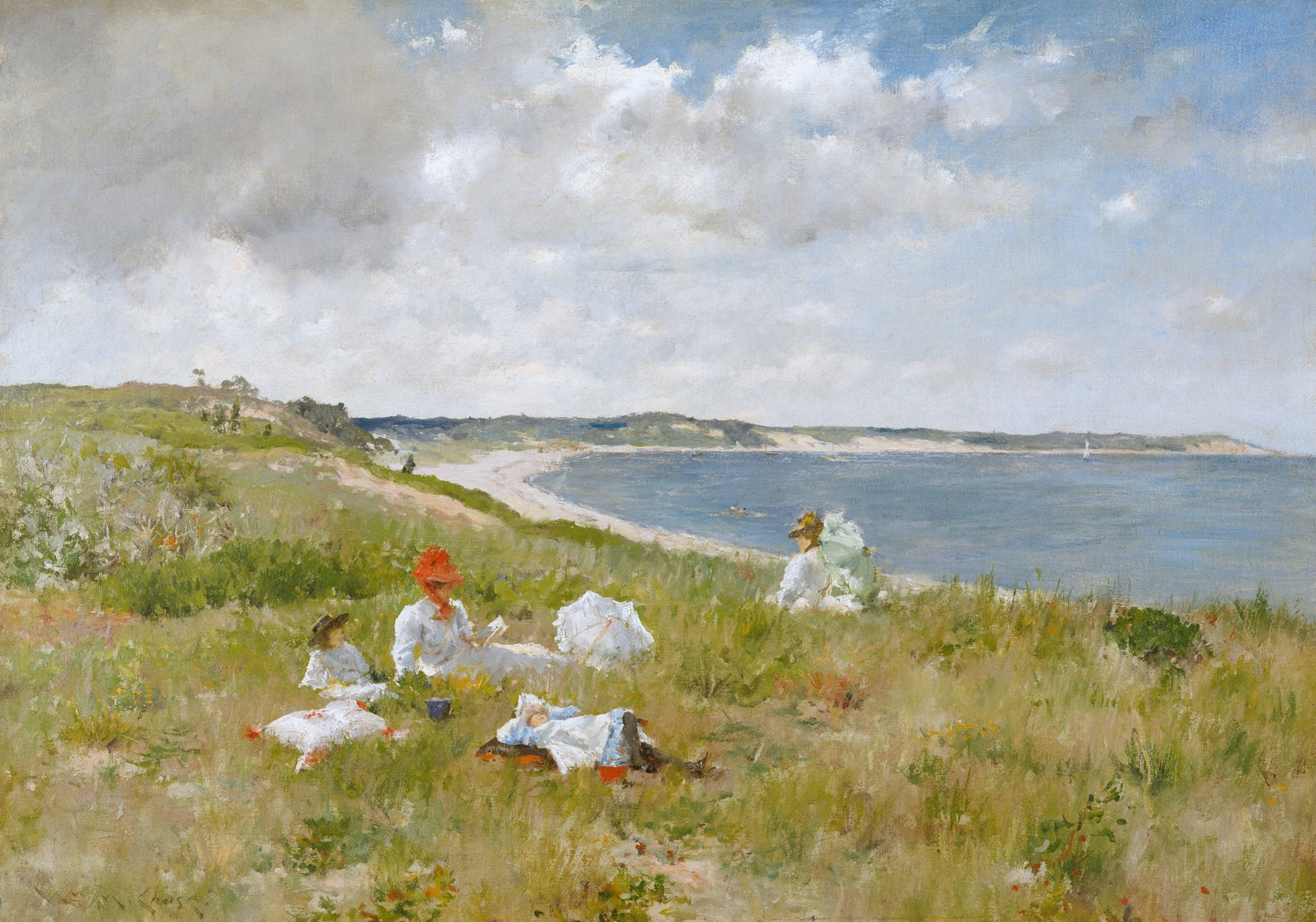
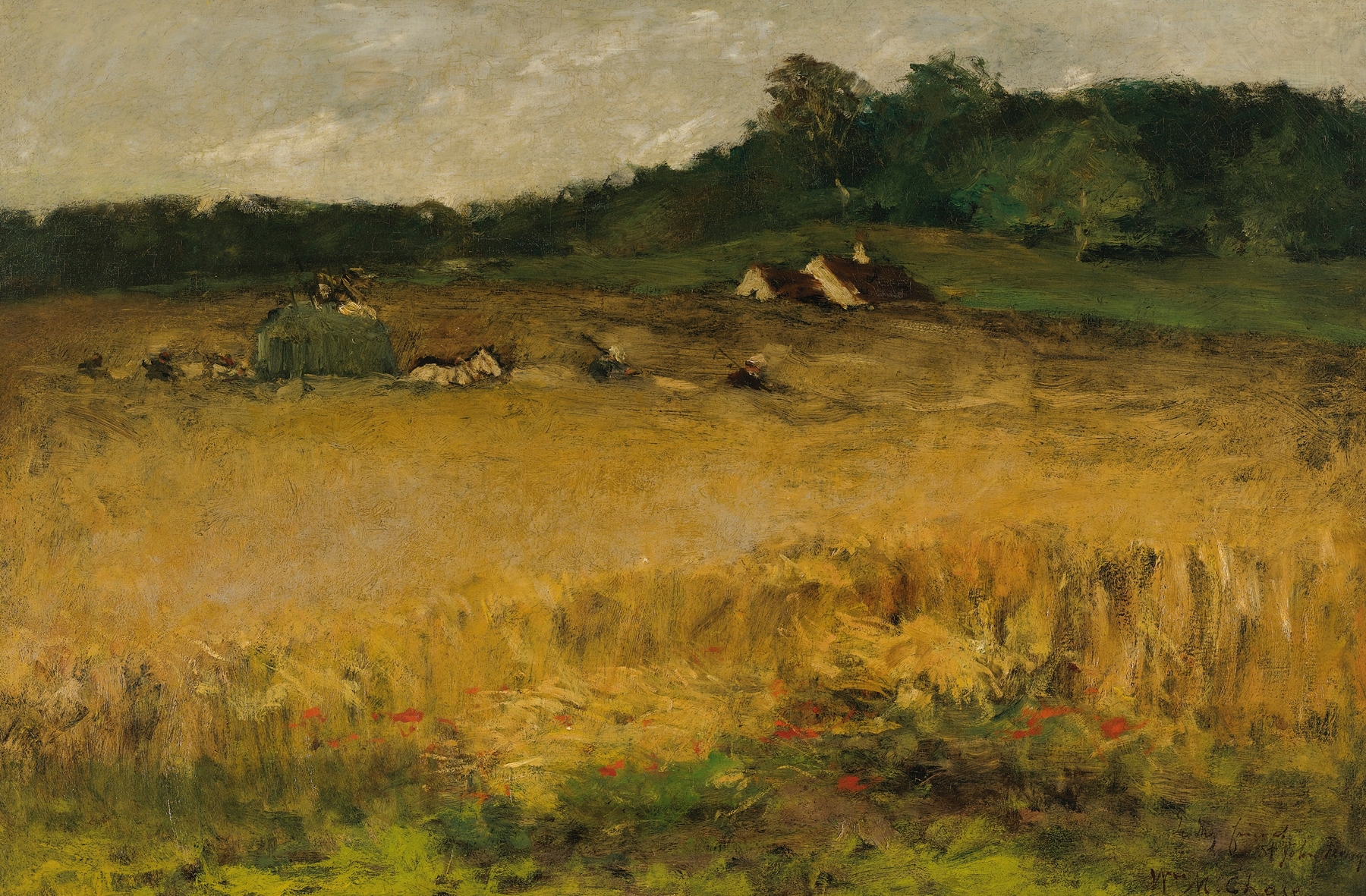
What secret hides in the quiet of the canvas? In the softly rendered landscapes that invite contemplation, desire dances between the brushstrokes, beckoning the viewer to linger amidst its tranquil beauty. Look to the foreground where delicate wildflowers bloom in hues of lavender and pale yellow, their subtle presence anchoring the scene. Notice how the light filters through the trees, casting dappled patterns on the ground, inviting you to step into this serene moment.
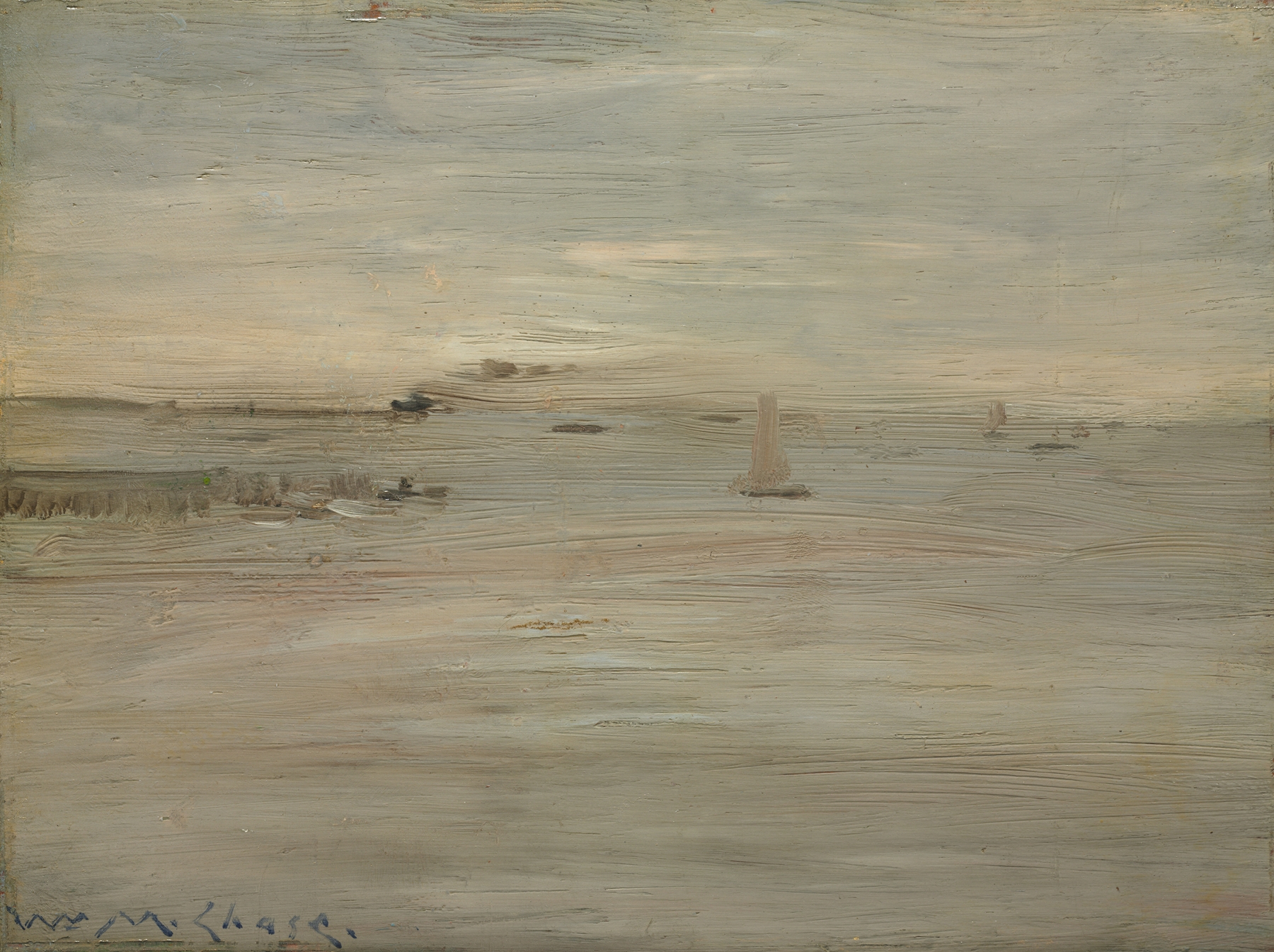
The artist employs a gentle palette, blending colors that evoke warmth and nostalgia, while the impressionistic technique creates a sense of immediacy, as if the air is still alive with the scent of earth and sunlight. Yet, beneath this serene surface lies a tension—a yearning for connection. The distant hills, painted with soft rolling lines, whisper of journeys not taken, while the lone figure in the background seems almost lost in thought, suggesting a longing for something just beyond reach. The juxtaposition of vivid foreground details against the ethereal landscape hints at the conflict between fulfillment and desire, a theme that resonates profoundly within this quiet scene.
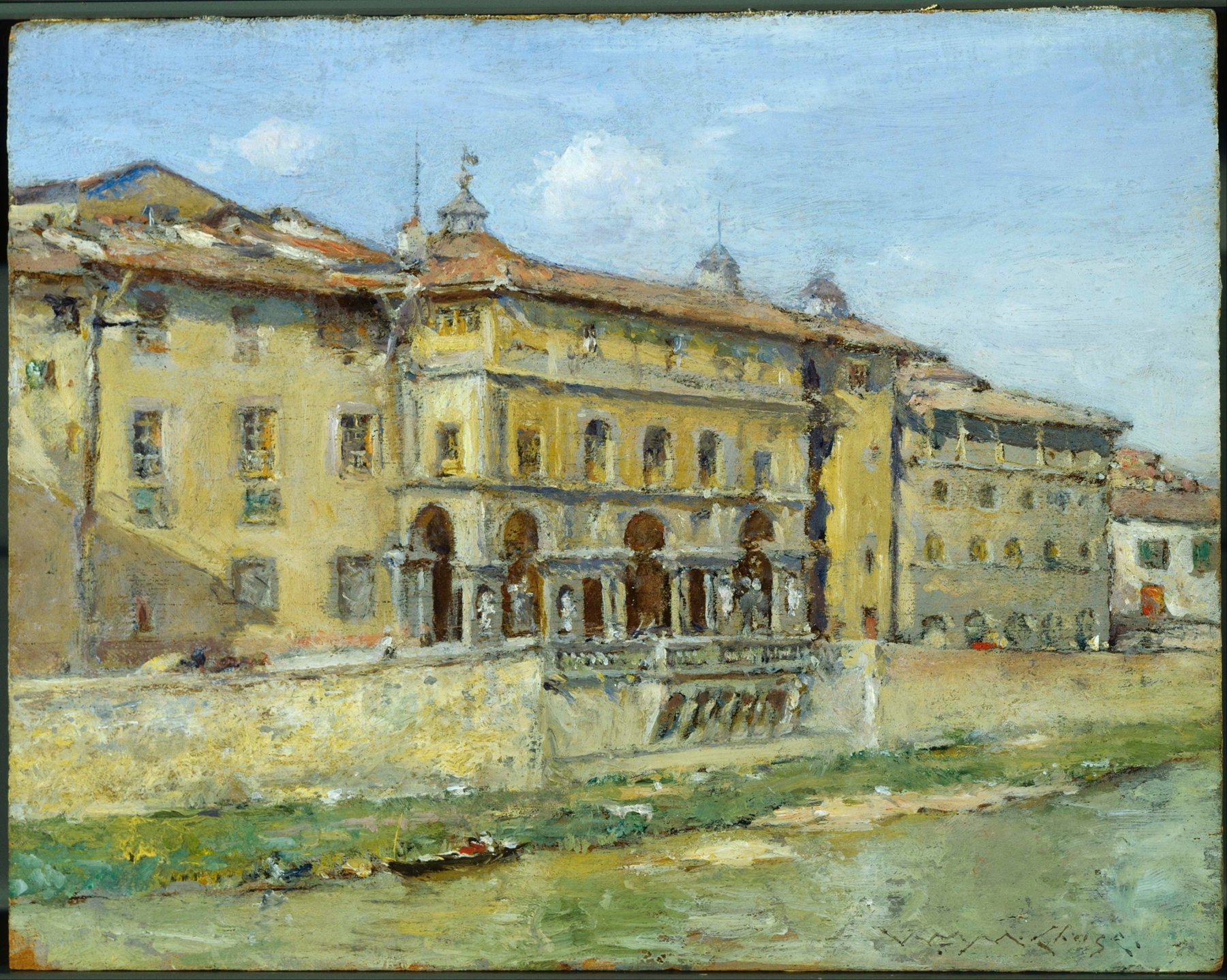
During the late 19th century, Chase created this work as part of his fascination with the landscapes of Europe, particularly during his time in Italy. The artist was deeply engaged in the Impressionist movement, embracing its emphasis on light and color. This period marked a significant point in his career, as he sought to blend his American roots with the techniques he admired in the European avant-garde, allowing personal and global influences to converge on the canvas.