Fluß mit Herde, im Hintergrund Berge — History & Analysis
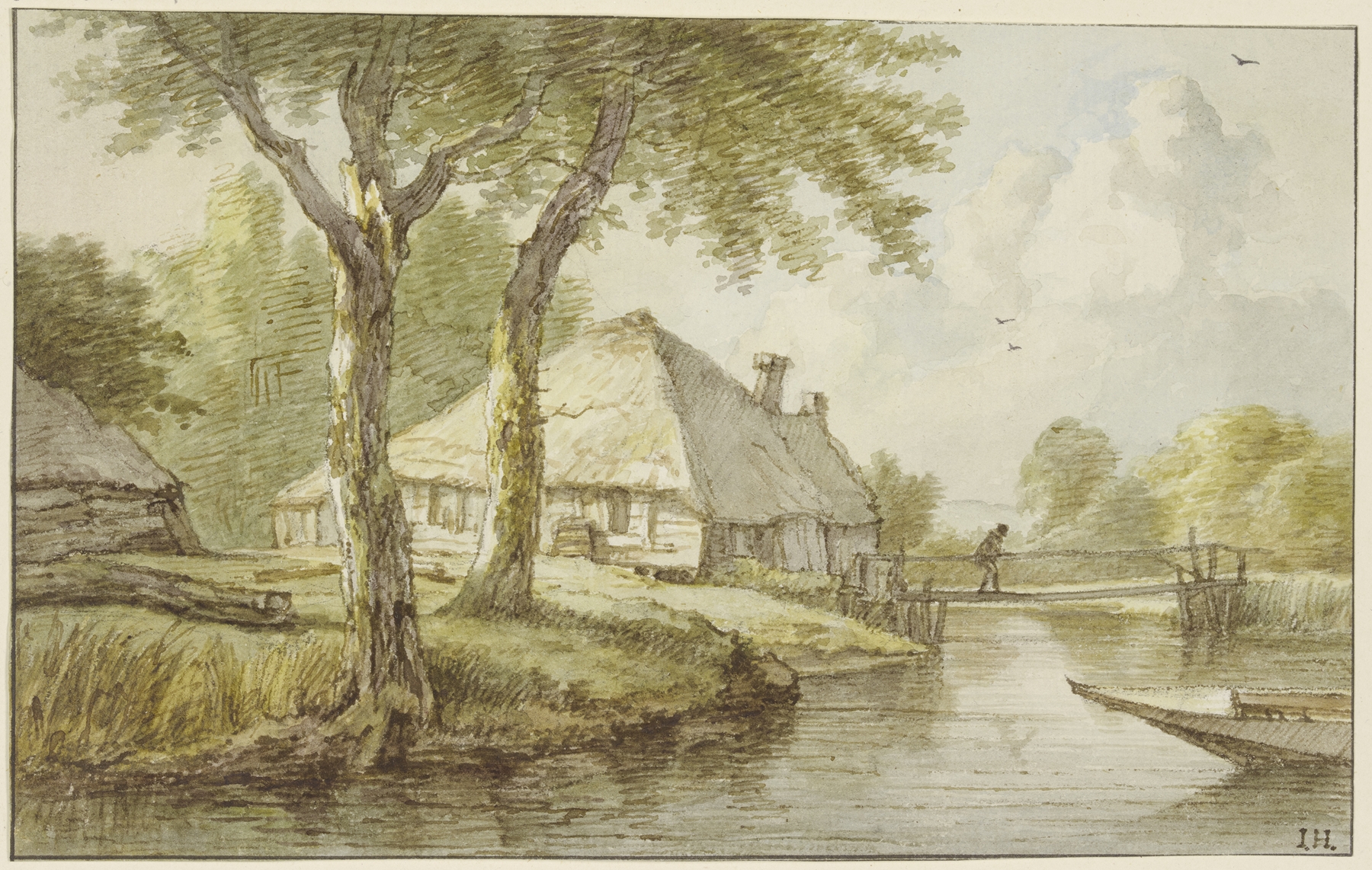
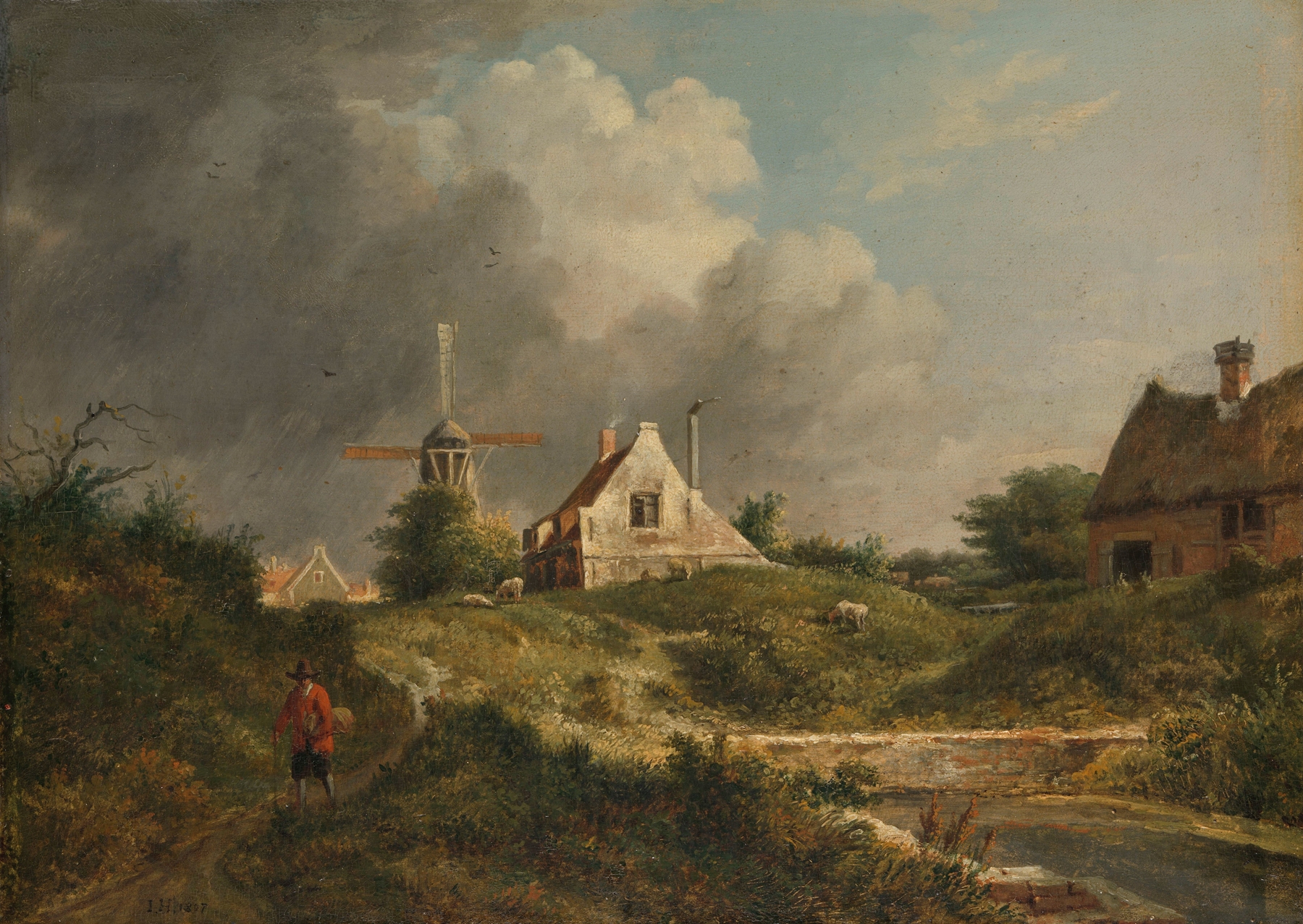
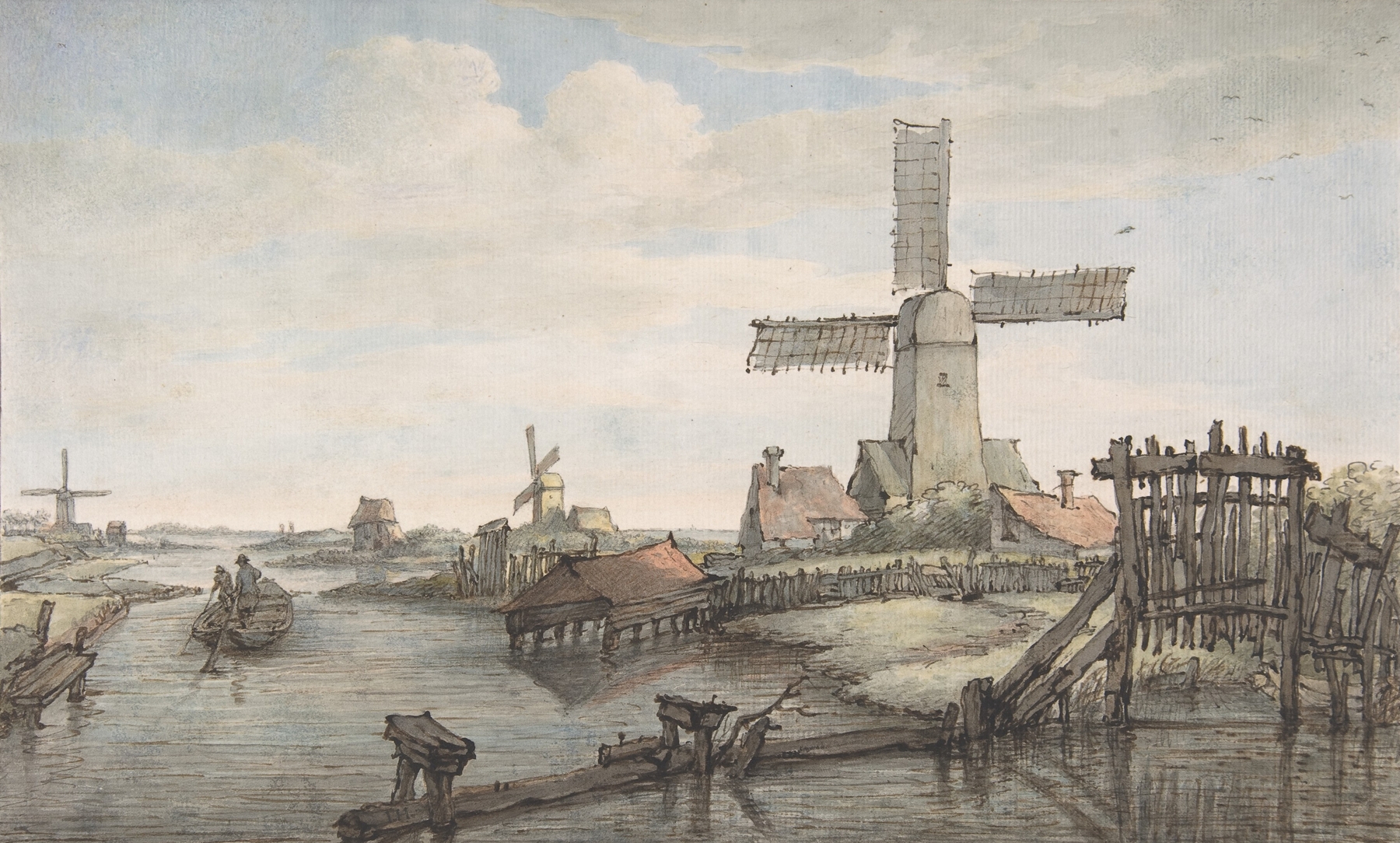
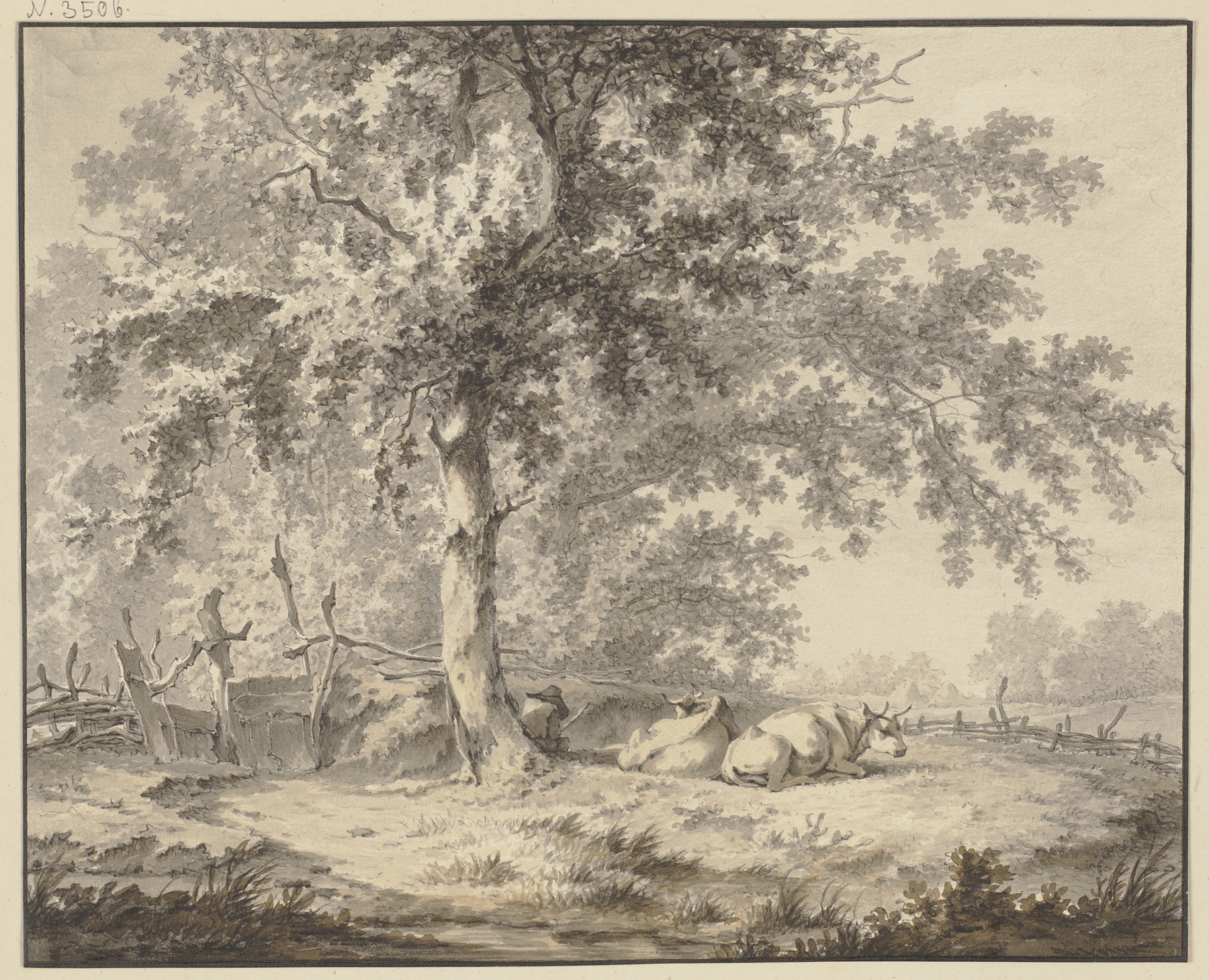
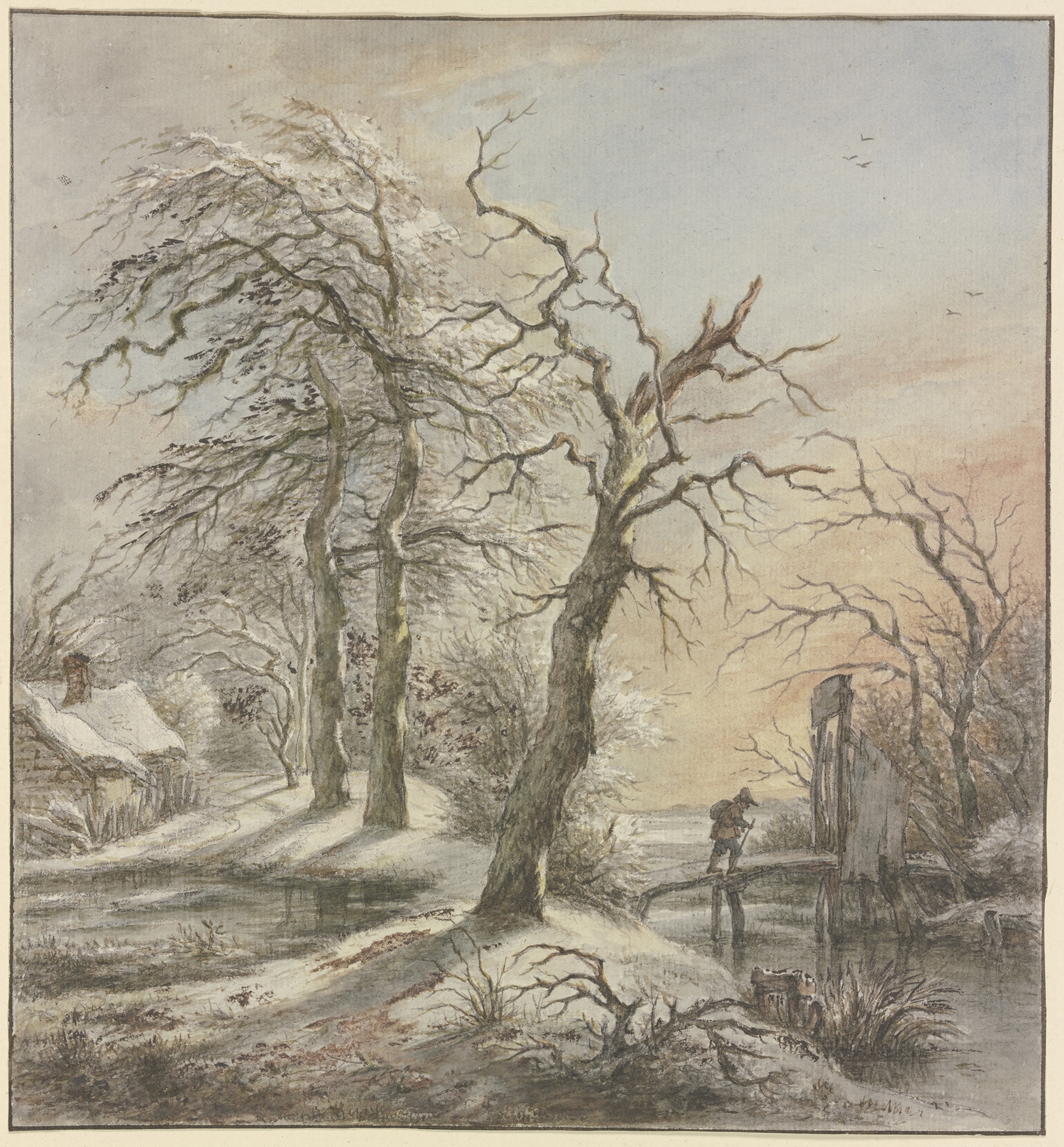
“Under the brush, chaos becomes grace.” In the tumult of revolutionary fervor, art can reshape perception, revealing the beauty amid upheaval. Focus on the gentle curve of the river as it meanders through the canvas, inviting the eye to follow its path. Notice how the artist subtly employs cool blues and greens to depict the water, contrasting with the warmer, earthy tones of the herding figures. The interplay of light on the water’s surface, almost shimmering, evokes a sense of serenity that stands in stark relief against the backdrop of towering mountains, hinting at both the peacefulness of the scene and the chaos that lies beyond.
The figures in the foreground, seemingly engaged in their daily toil, evoke a timeless quality, yet their positioning beneath the looming peaks symbolizes the tension between the ordinary and the monumental. The mountains, majestic and unyielding, could represent the challenges faced by society, while the serene river offers hope—a vital lifeline in turbulent times. This duality creates a narrative woven into the fabric of the scene, inviting viewers to reflect on the broader implications of struggle and tranquility.
Jan Hulswit painted this piece during a period of significant turmoil in Europe, likely in the late 19th century. His works often reflect the shifting dynamics of landscape and humanity, encapsulating the essence of an era poised on the brink of change. While specific details about his life remain sparse, the context of revolutionary movements during this time provides a compelling backdrop to his artistic endeavors, suggesting a deep engagement with the world around him.