Flußlandschaft mit Dorf — History & Analysis
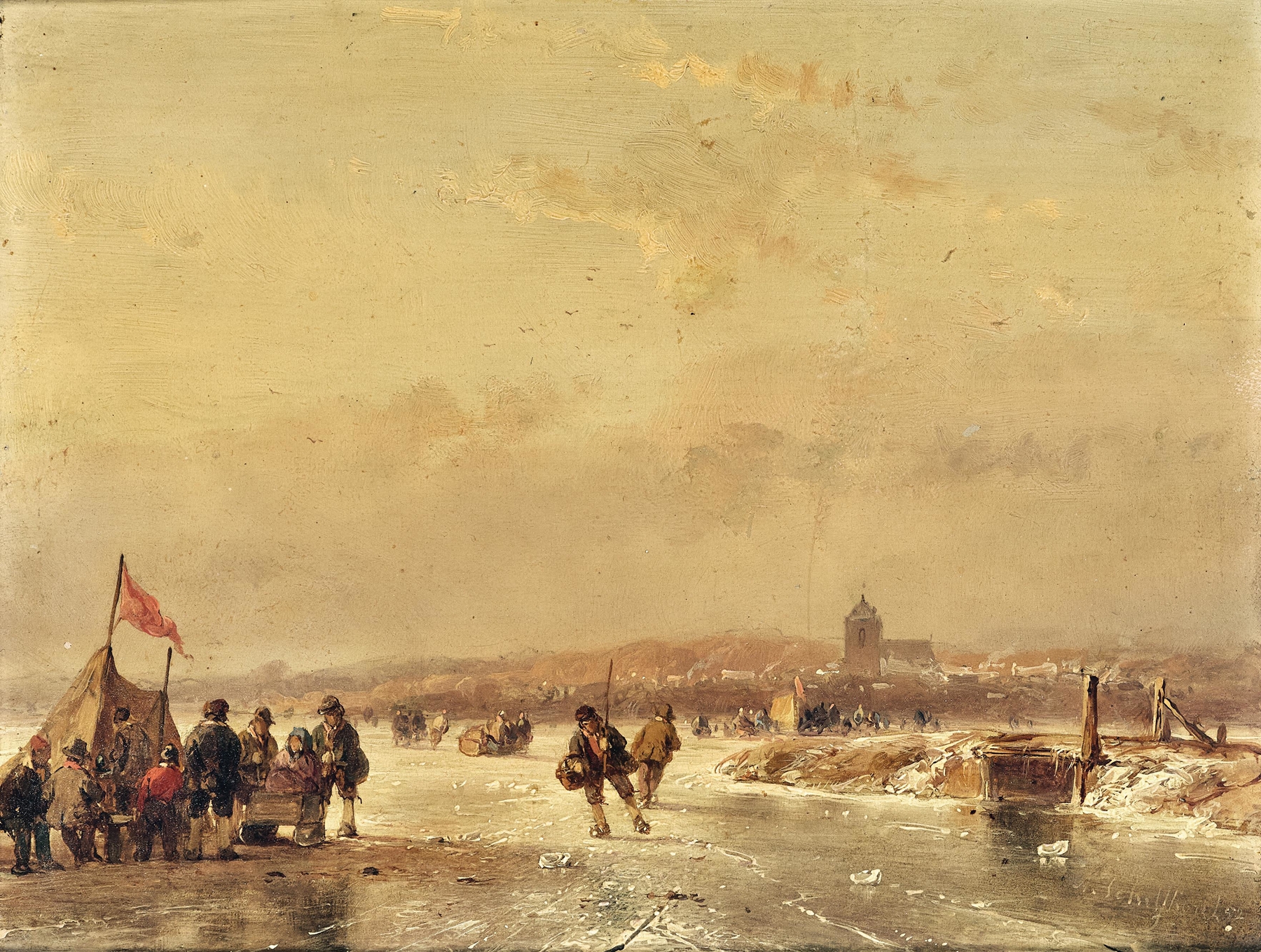
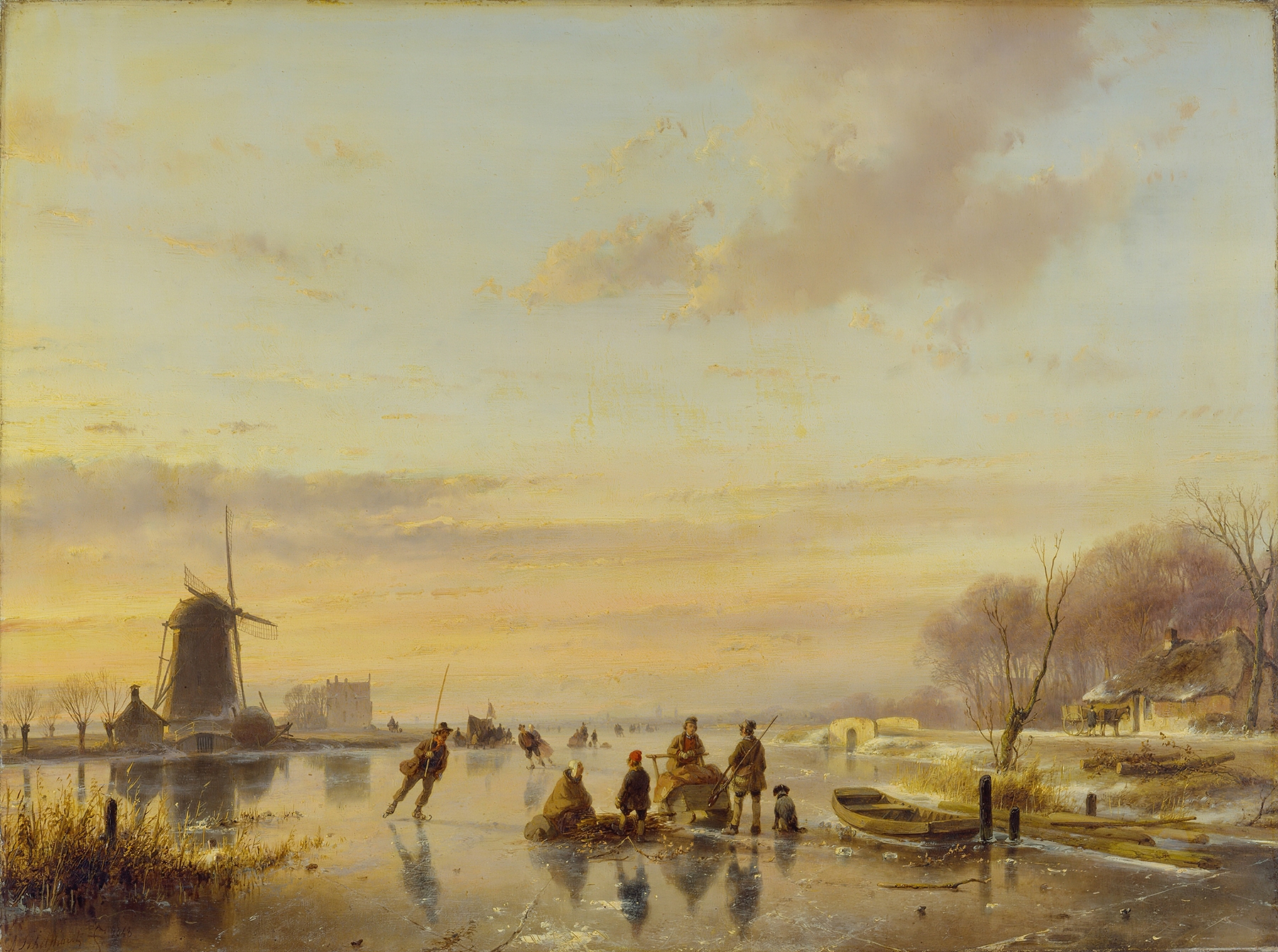
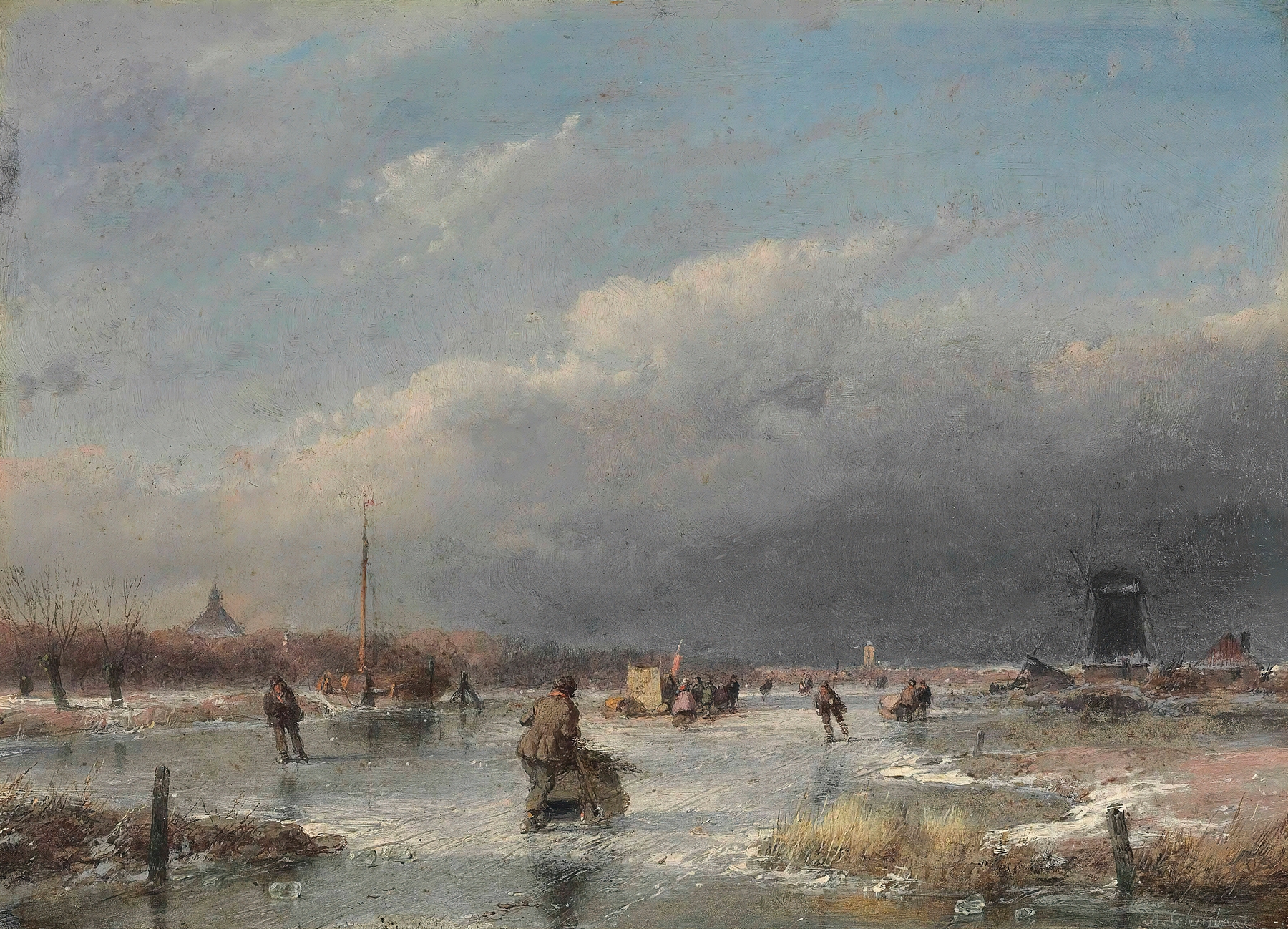
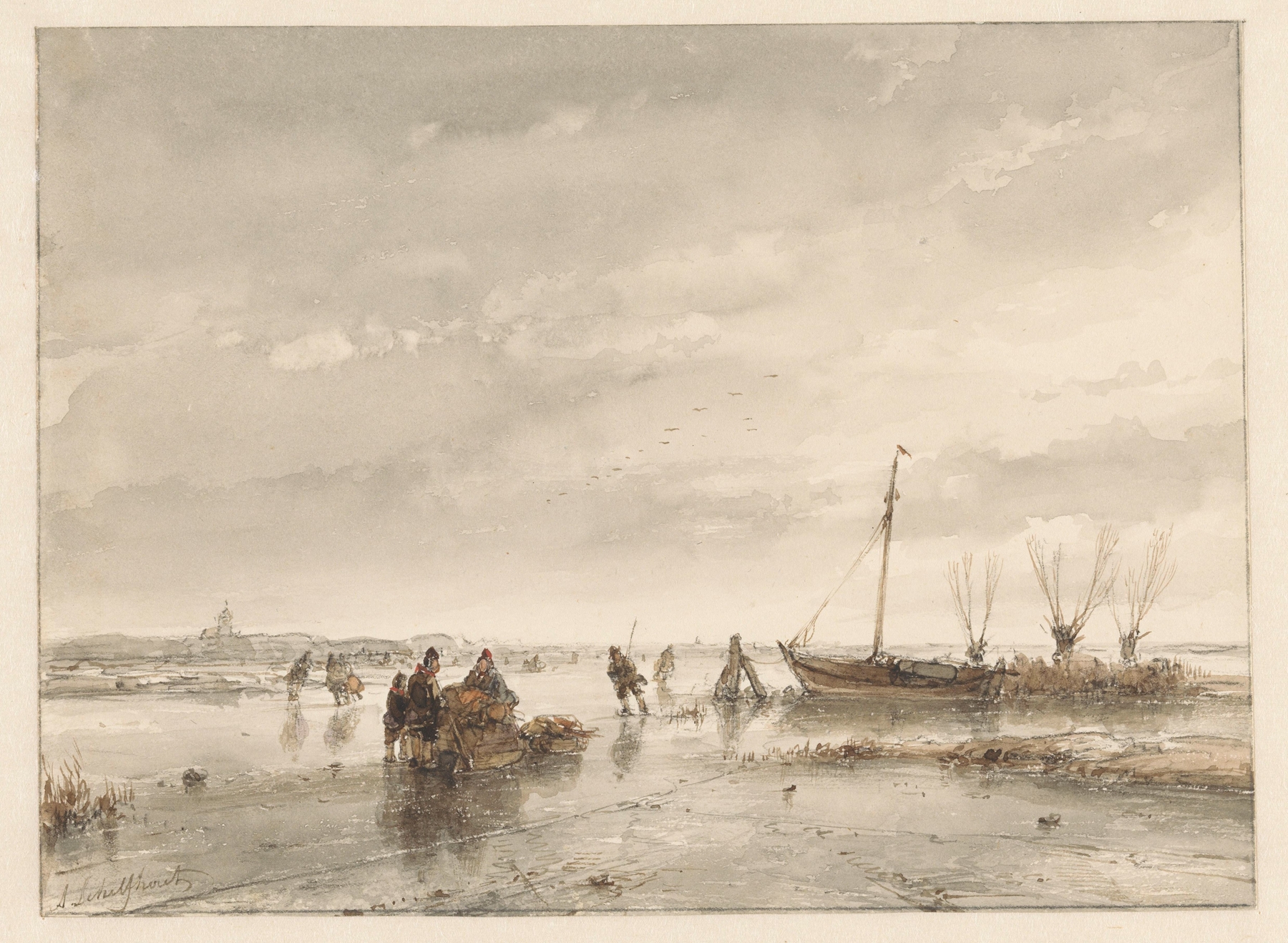
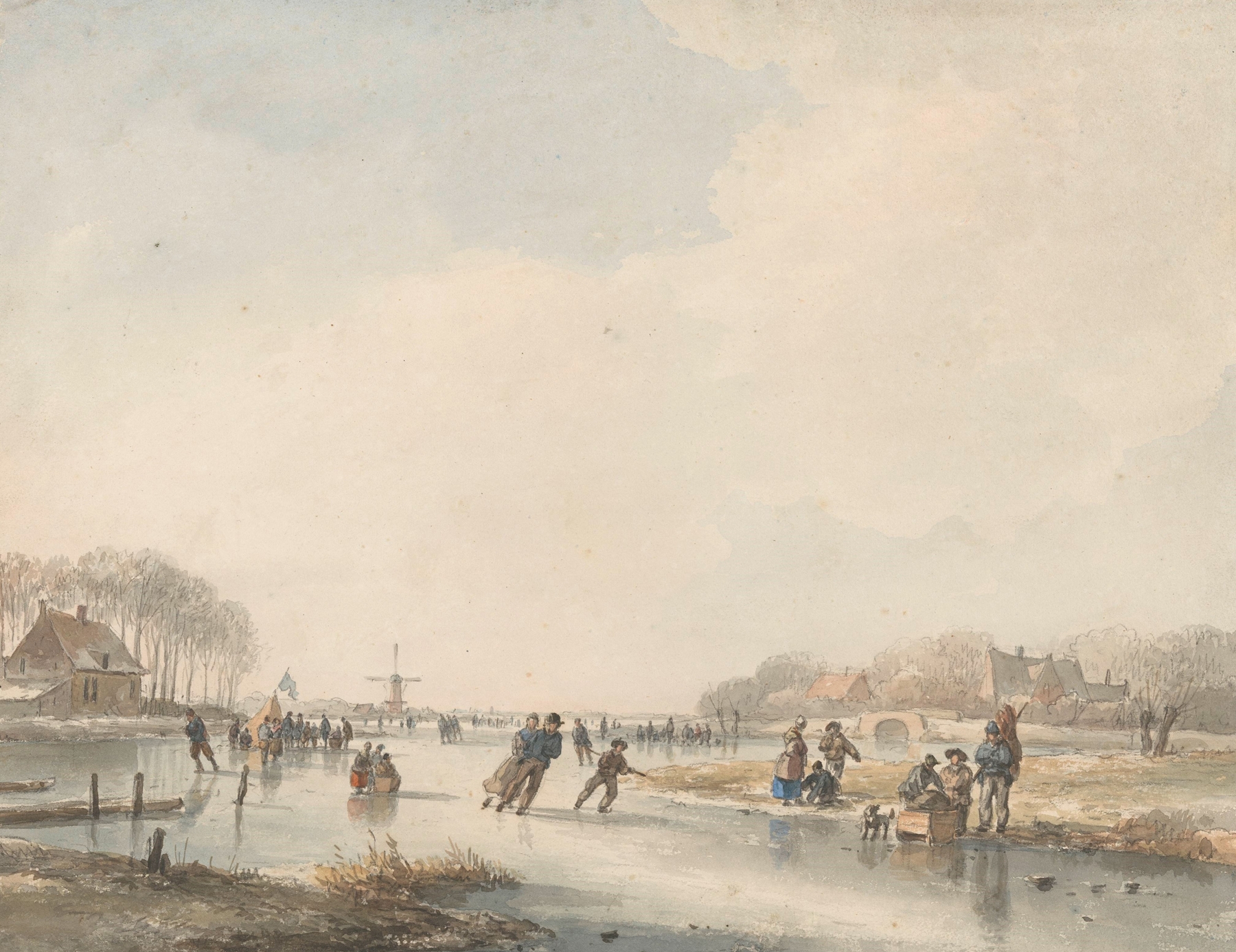
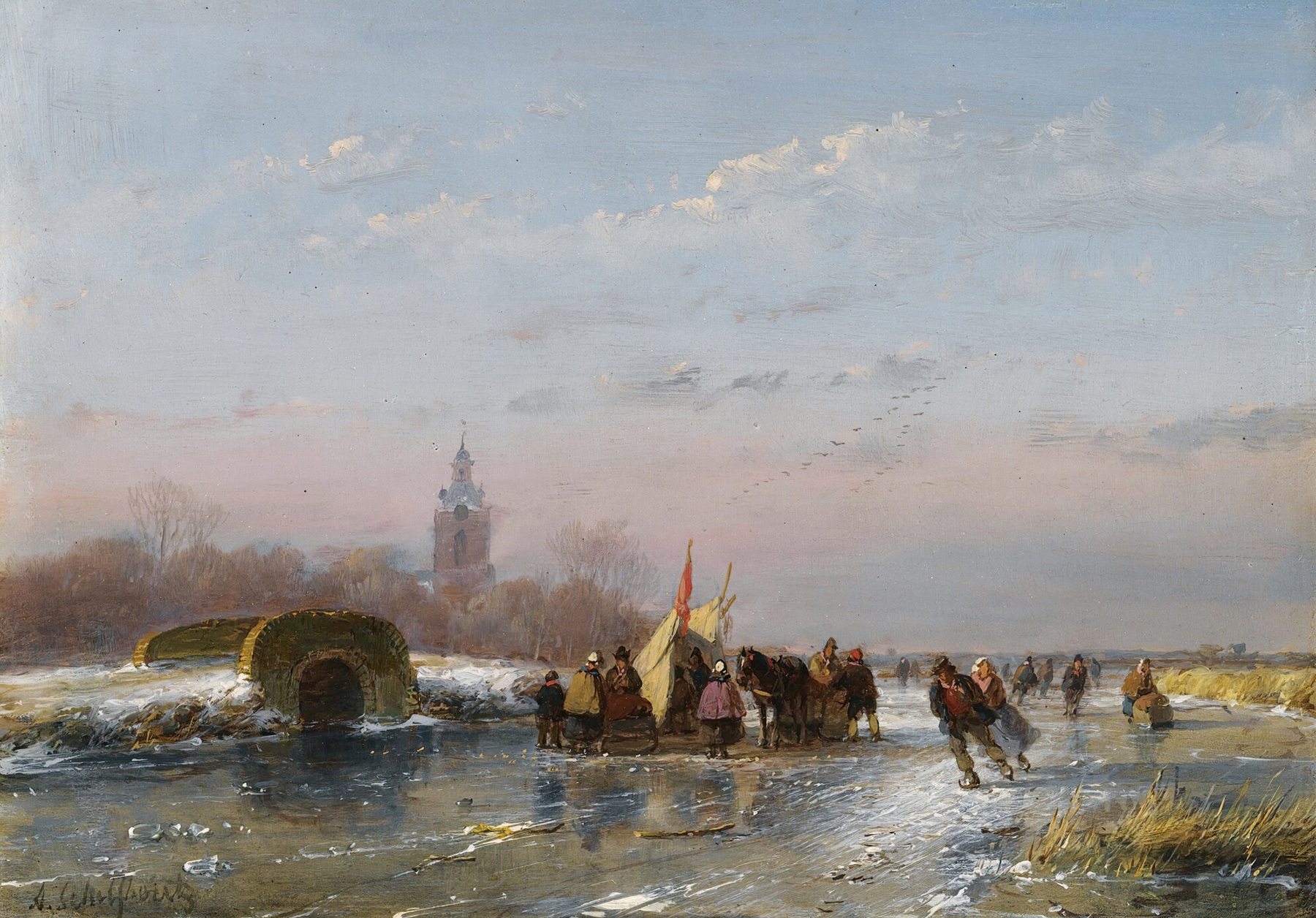
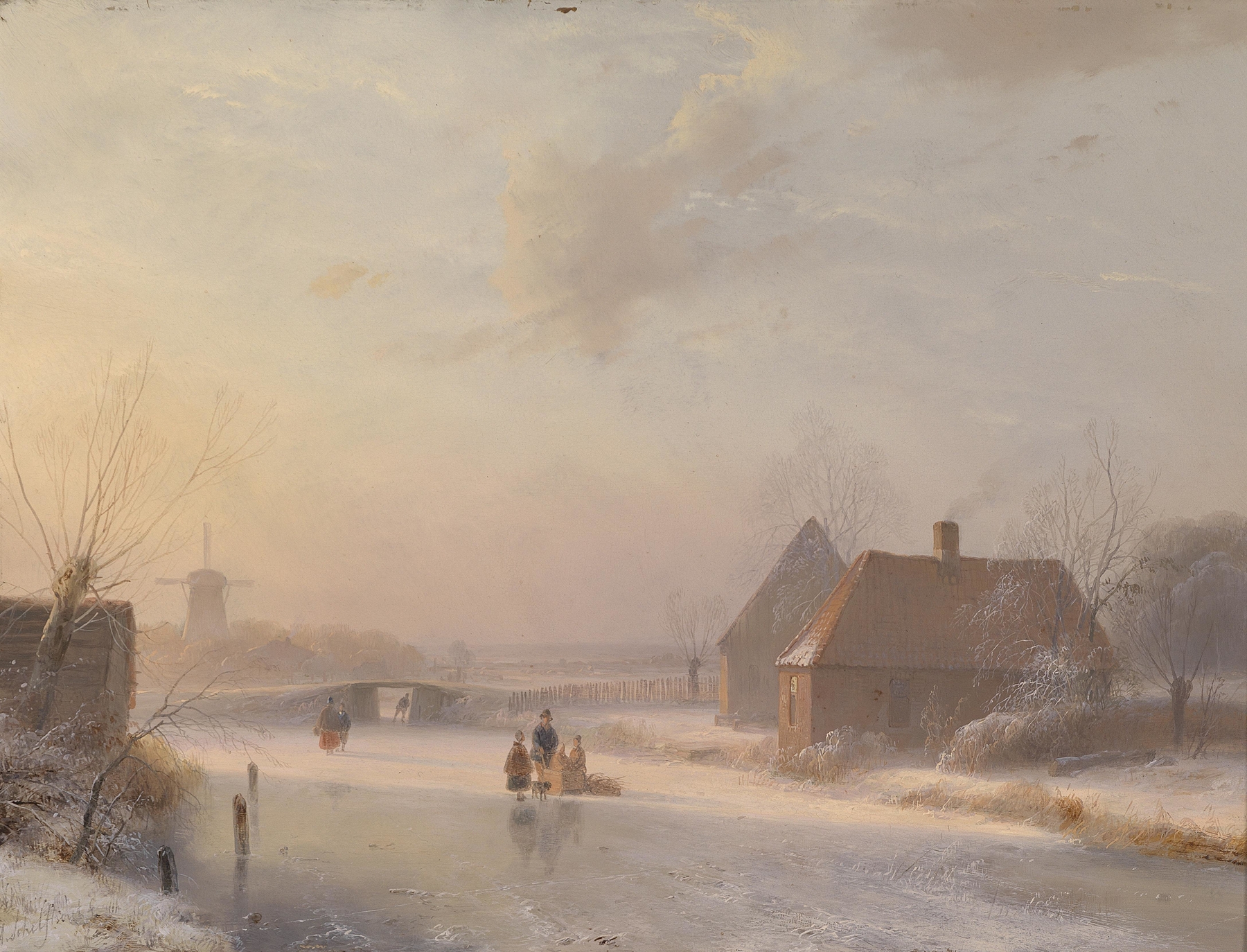
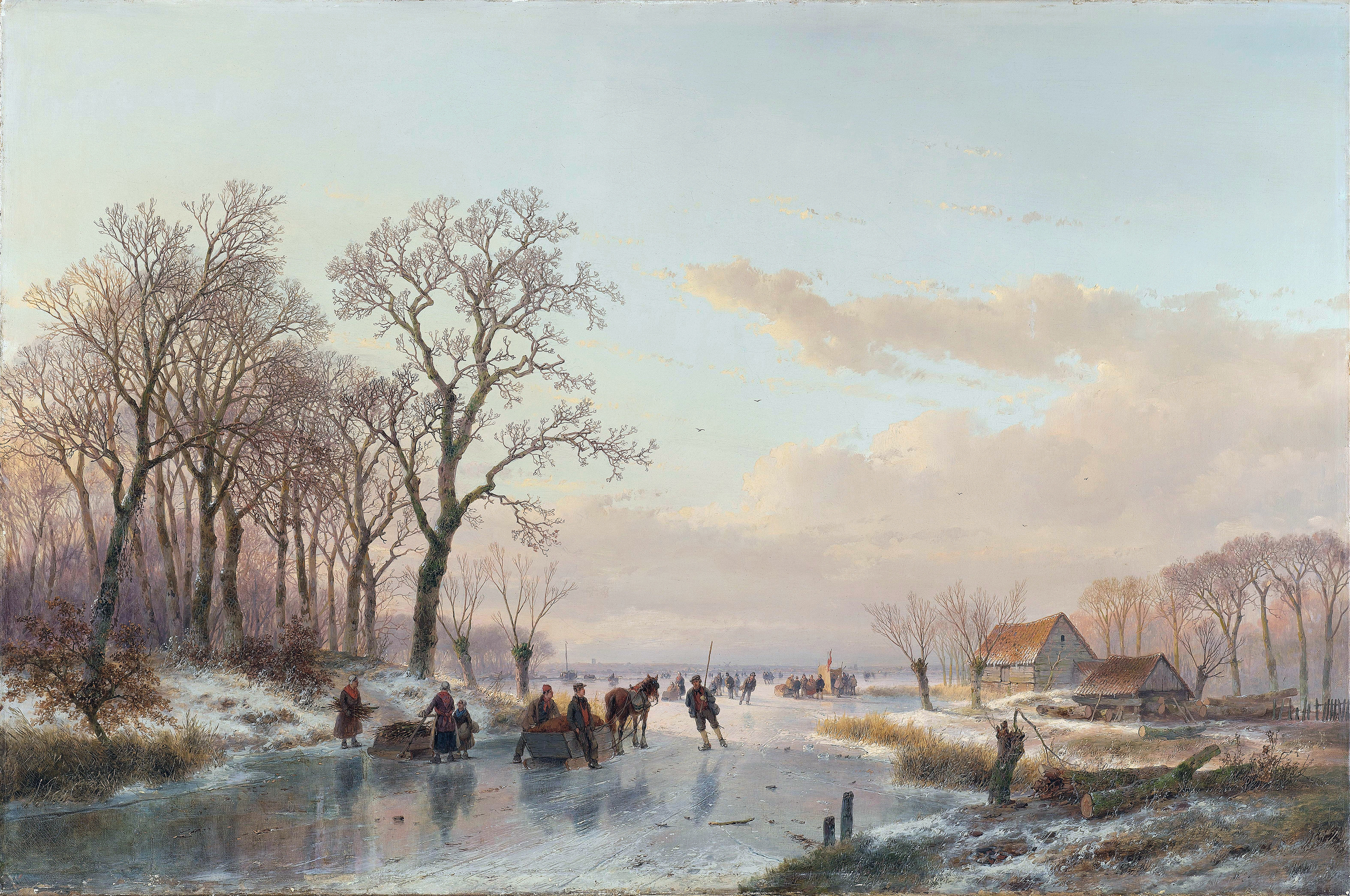
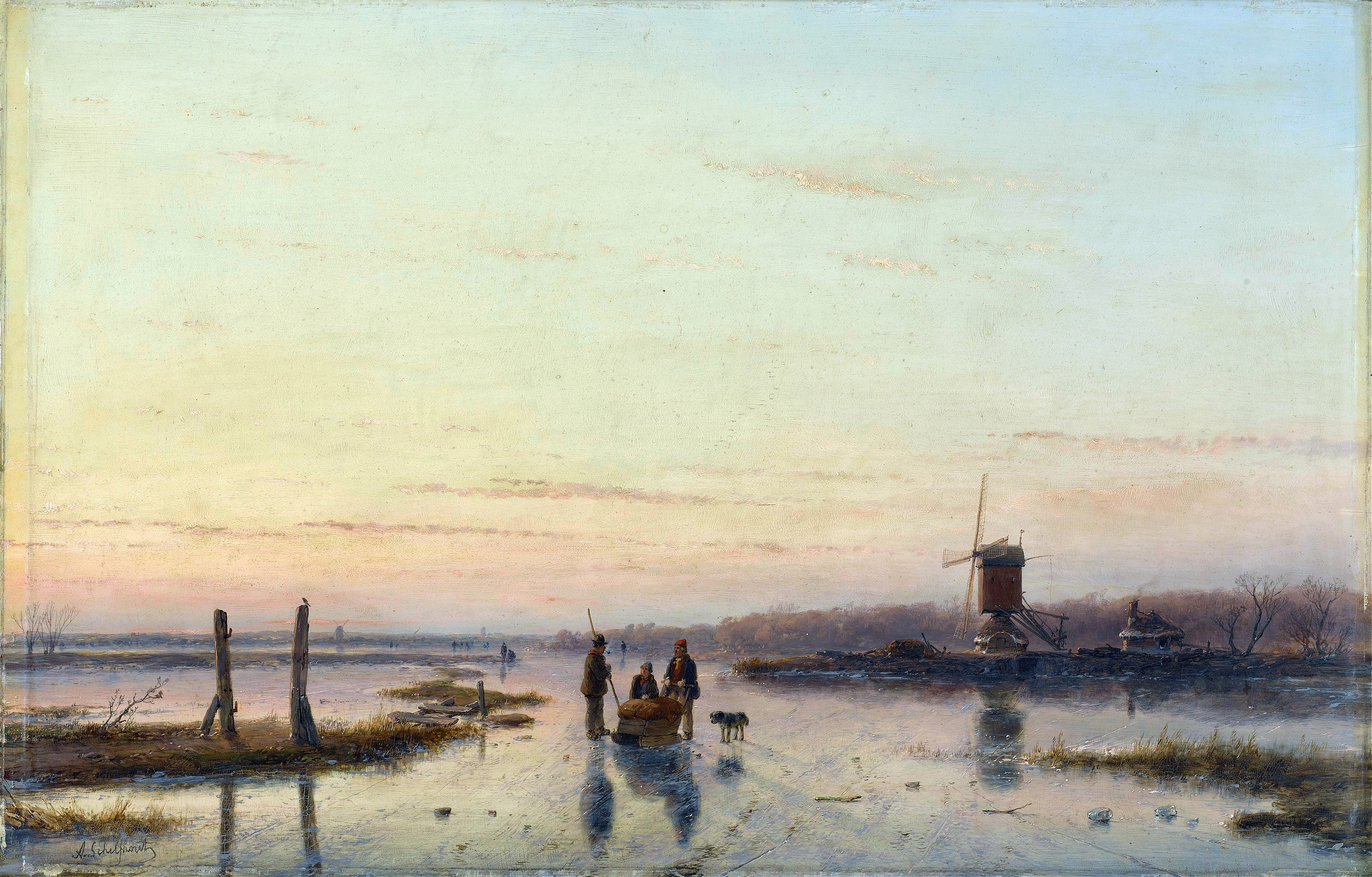
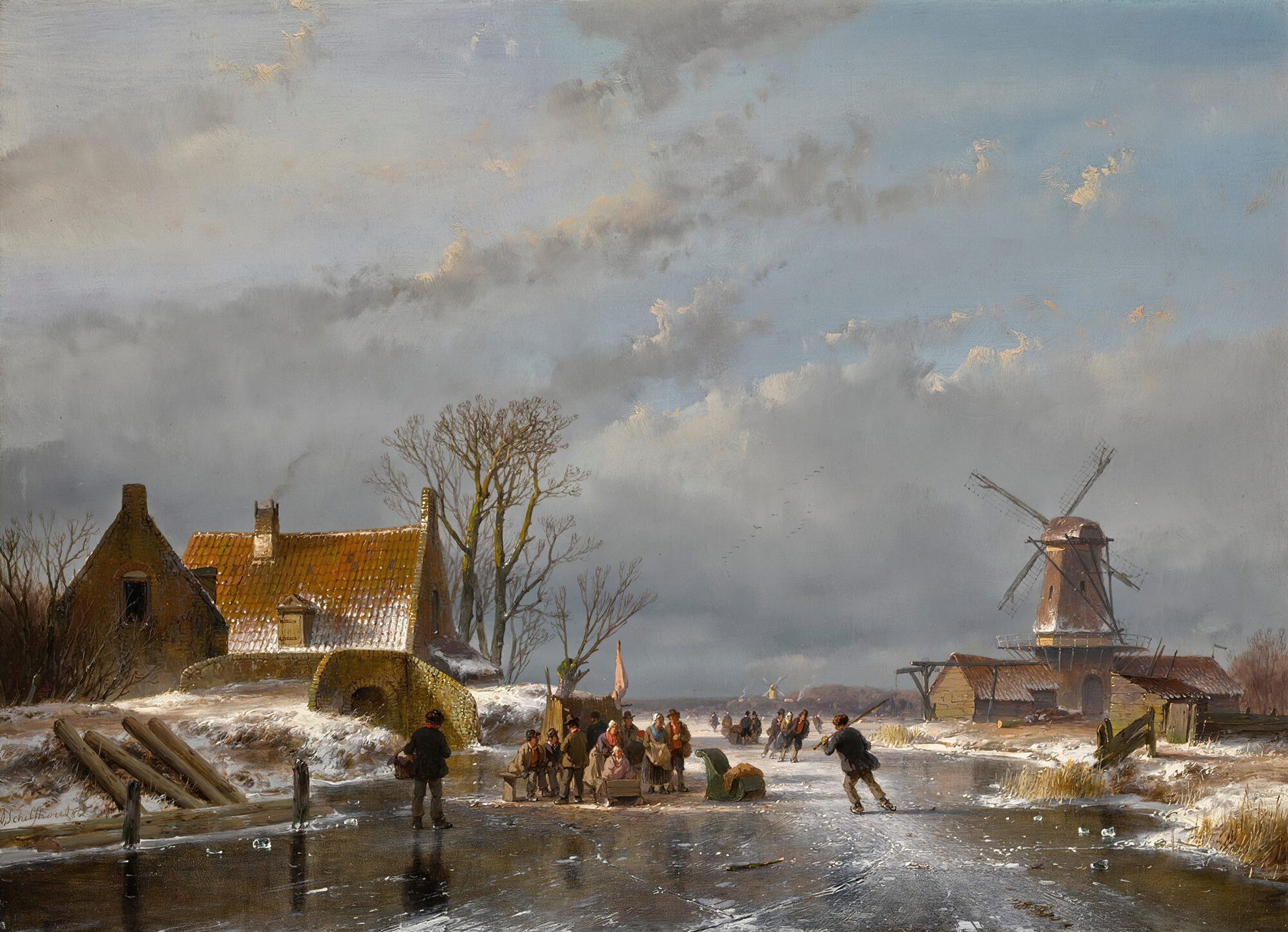
“Every silence here is a confession.” In the gentle embrace of nature, the weight of unspoken memories lingers, captured forever in the stillness of this landscape. Look to the left at the winding river, its surface shimmering with soft hues of blue and green. The artist skillfully contrasts the tranquil waters with the distant village, where quaint homes nestle close to the banks. Notice how the dappled sunlight filters through the trees, caressing the foliage and casting playful shadows that dance along the ground, inviting the viewer to linger just a moment longer.
A deeper narrative unfolds within this serene setting. The juxtaposition of the vibrant, alive landscape against the quiet village hints at the complexities of rural life—an existence touched by both nature’s beauty and the weight of human experience. The lone figure near the water's edge, seemingly lost in thought, evokes the sense of nostalgia that envelops the scene, as if every leaf whispers secrets of the past.
In 1852, Schelfhout painted this evocative piece during a period of change in the art world, where Romanticism was giving way to Realism. Living in the Netherlands, he was influenced by the burgeoning landscape movement, focusing on capturing the beauty of his homeland amid industrial shifts. This work reflects not only personal memory but also a collective yearning for the pastoral past, illustrating the delicate balance between nature and human existence.