Flusslandschaft — History & Analysis
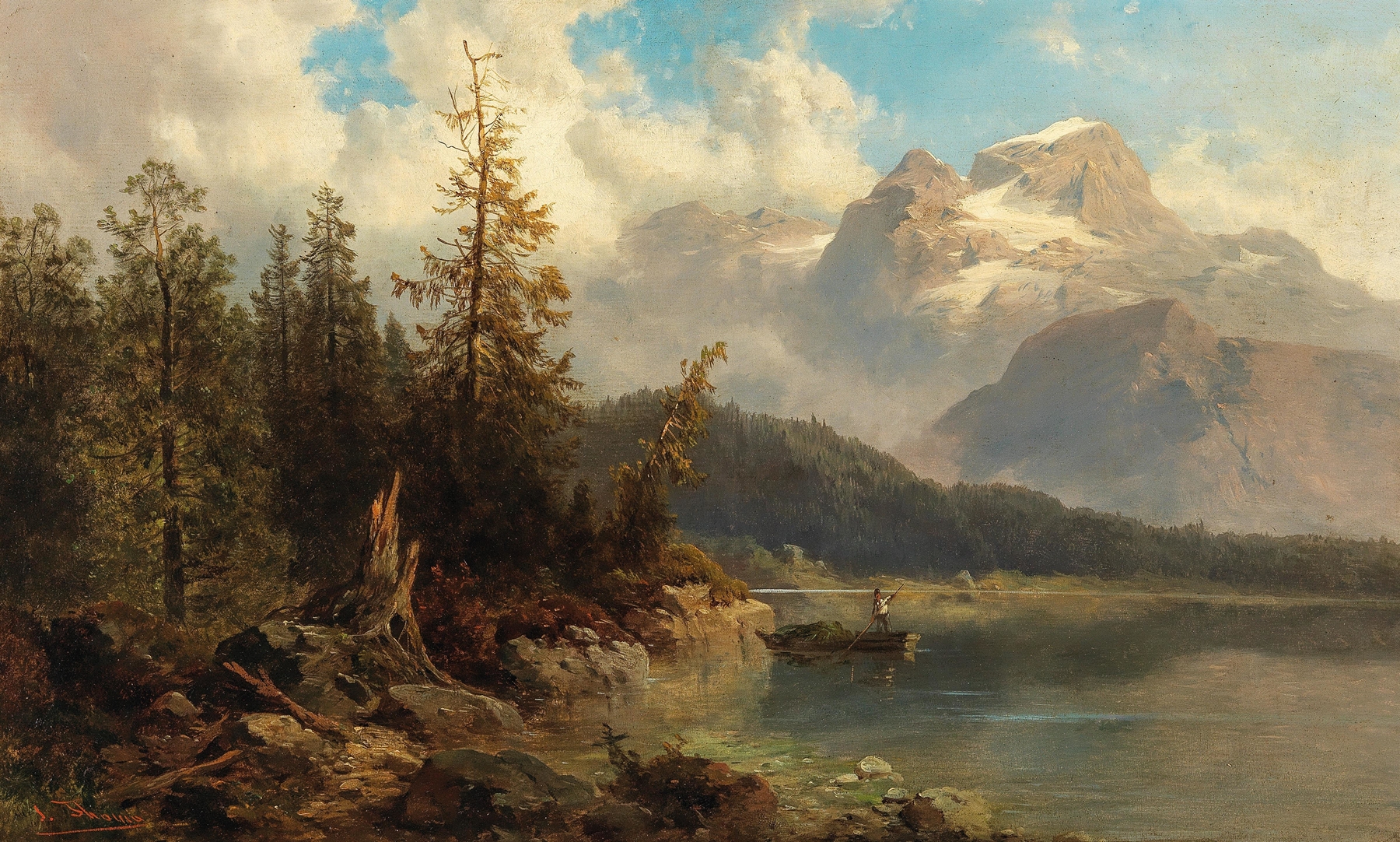
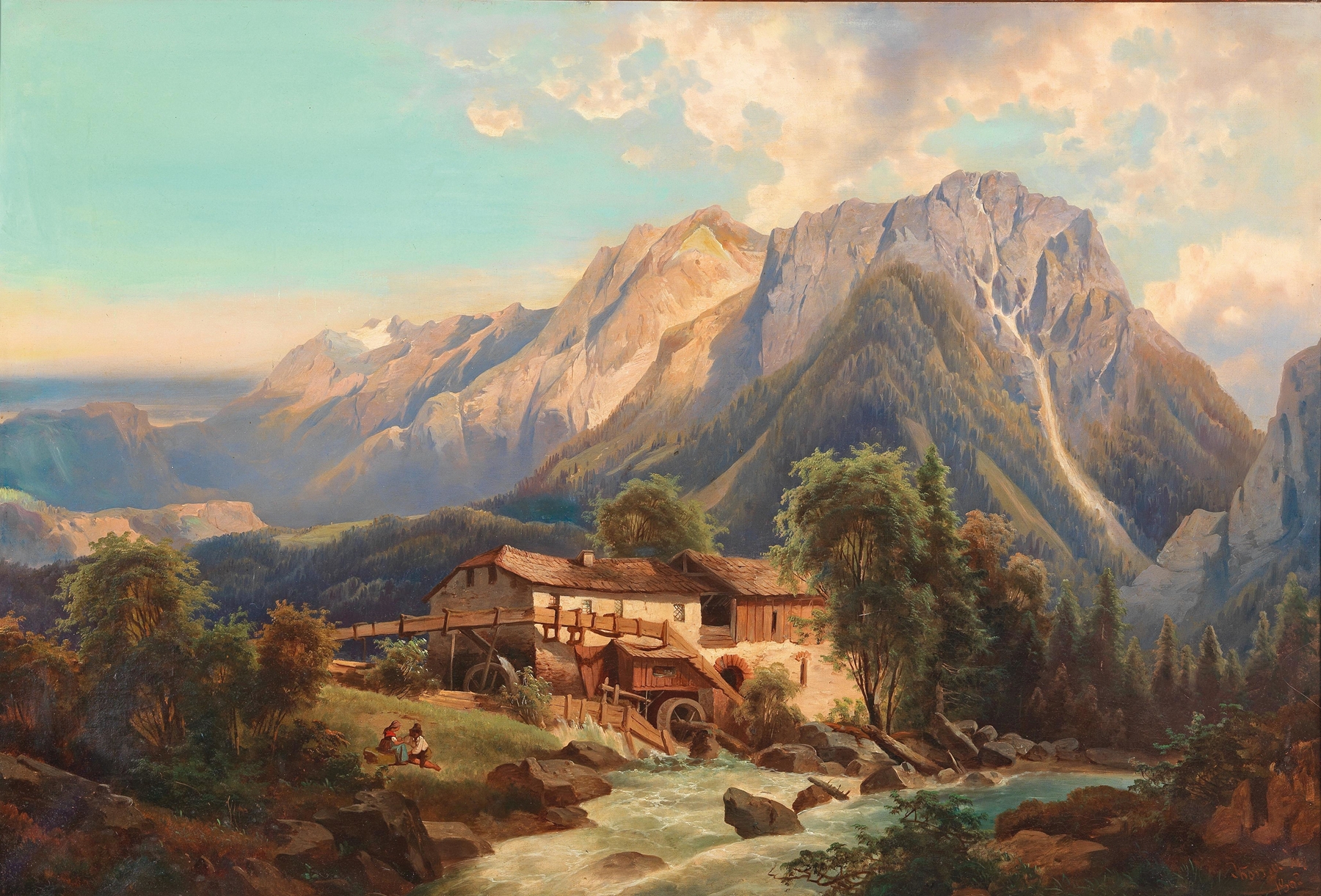
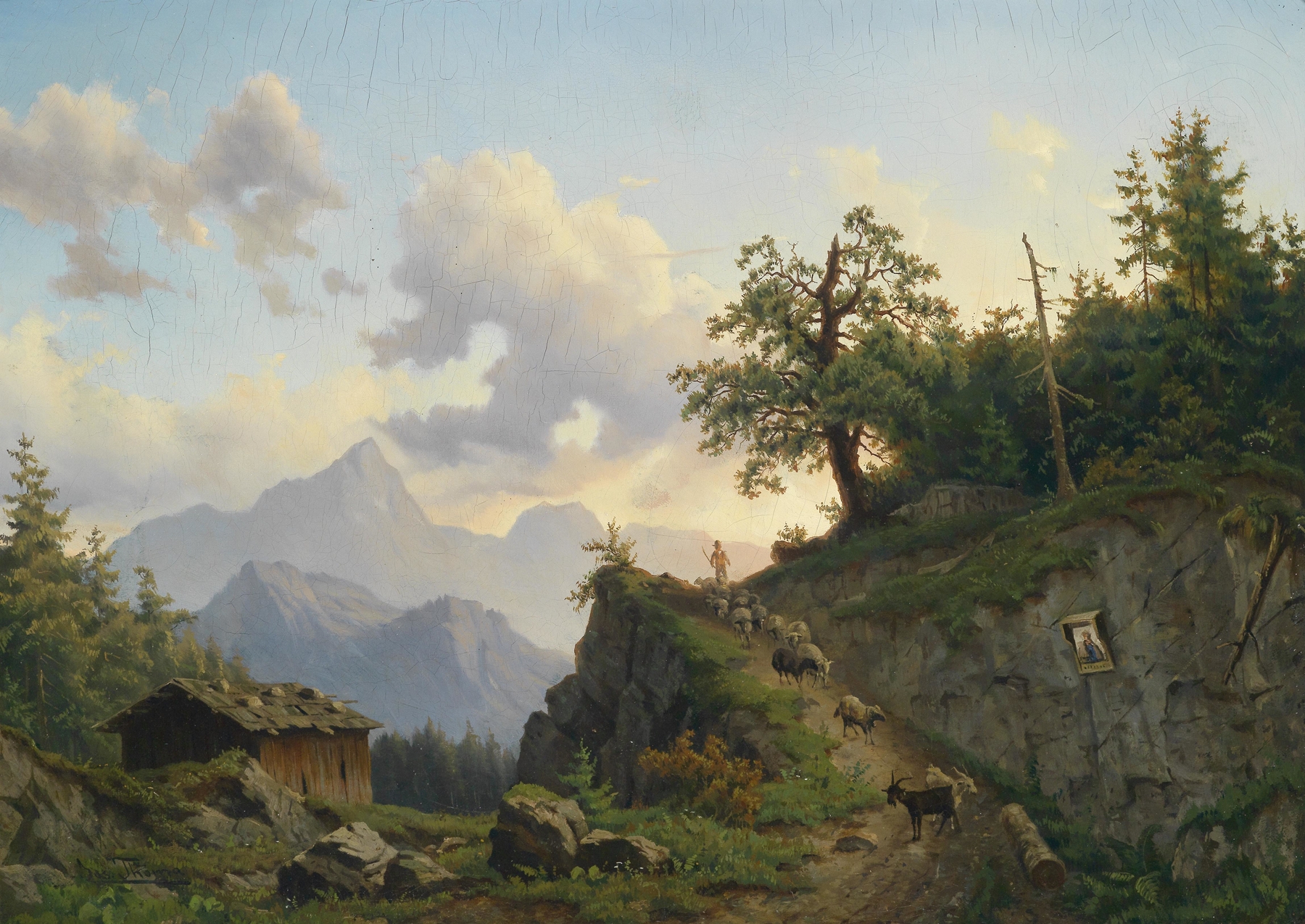
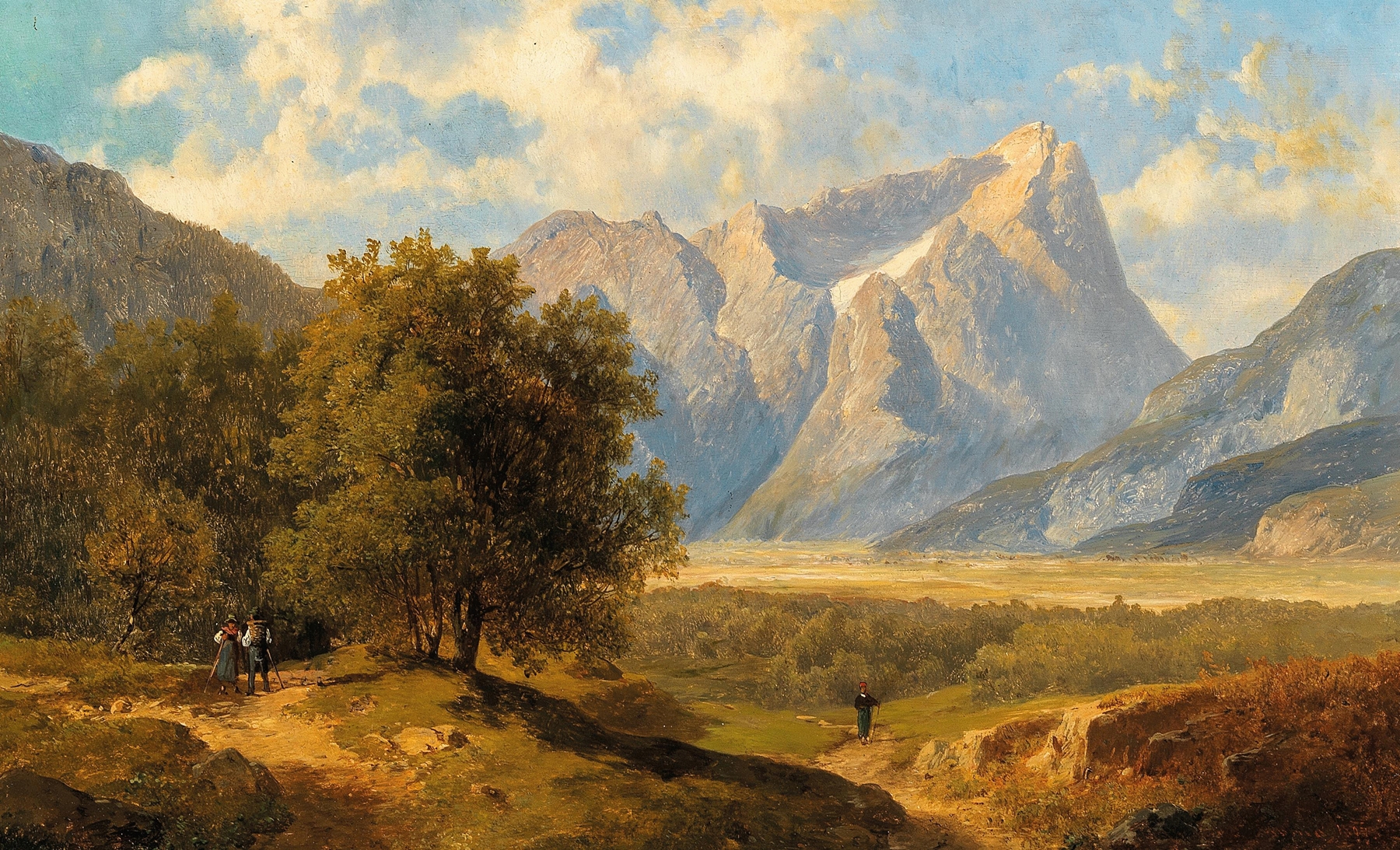
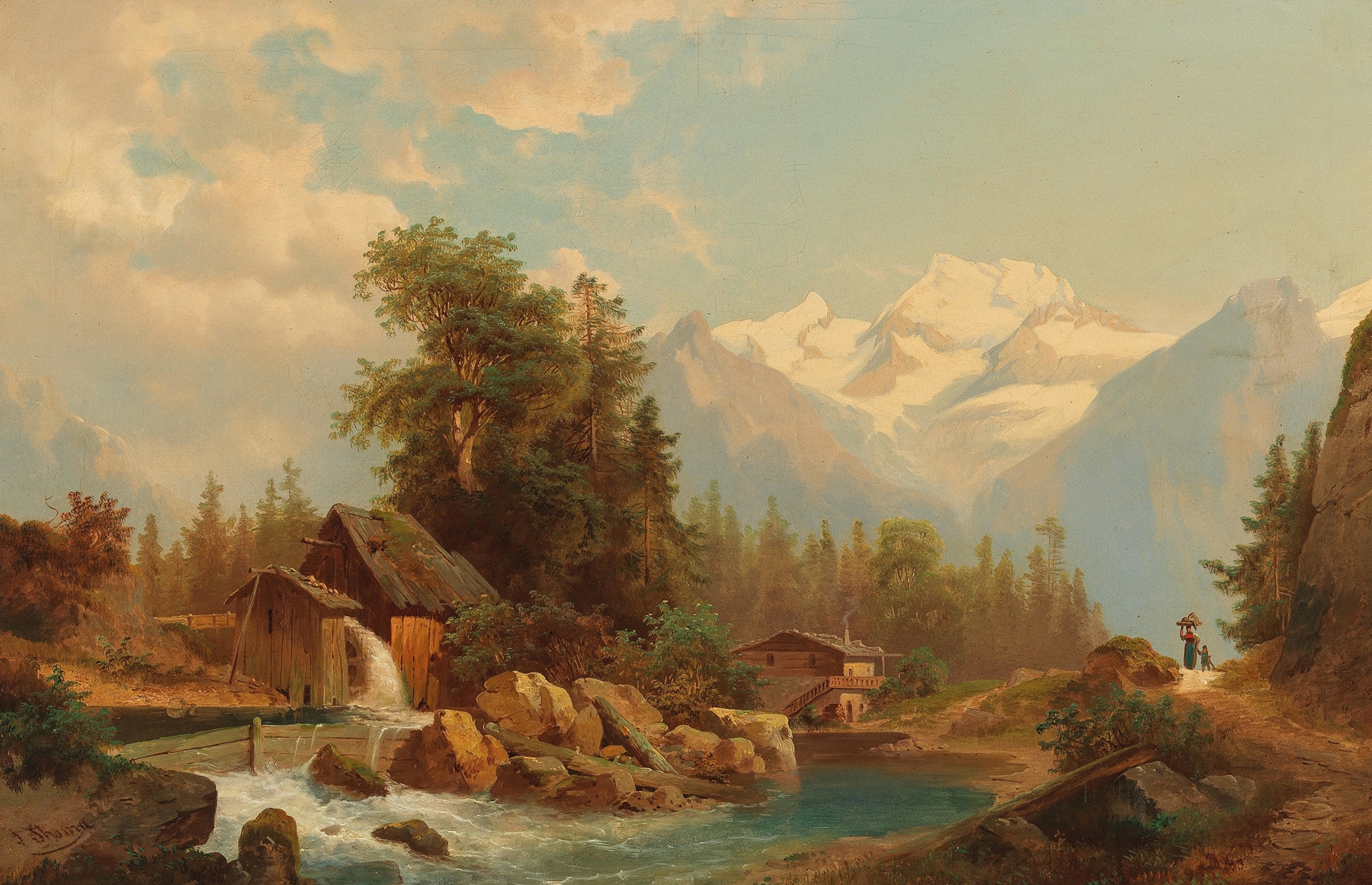
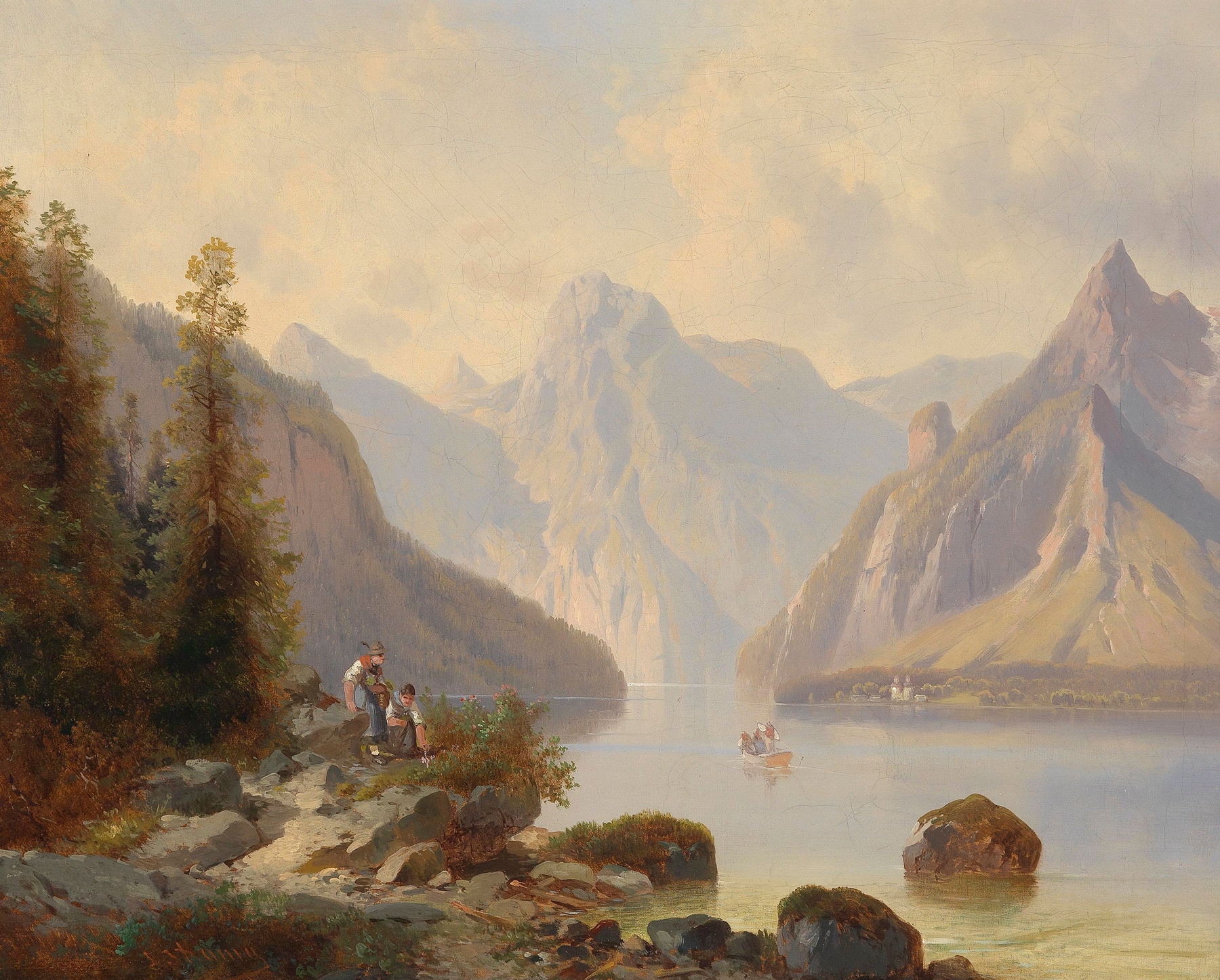
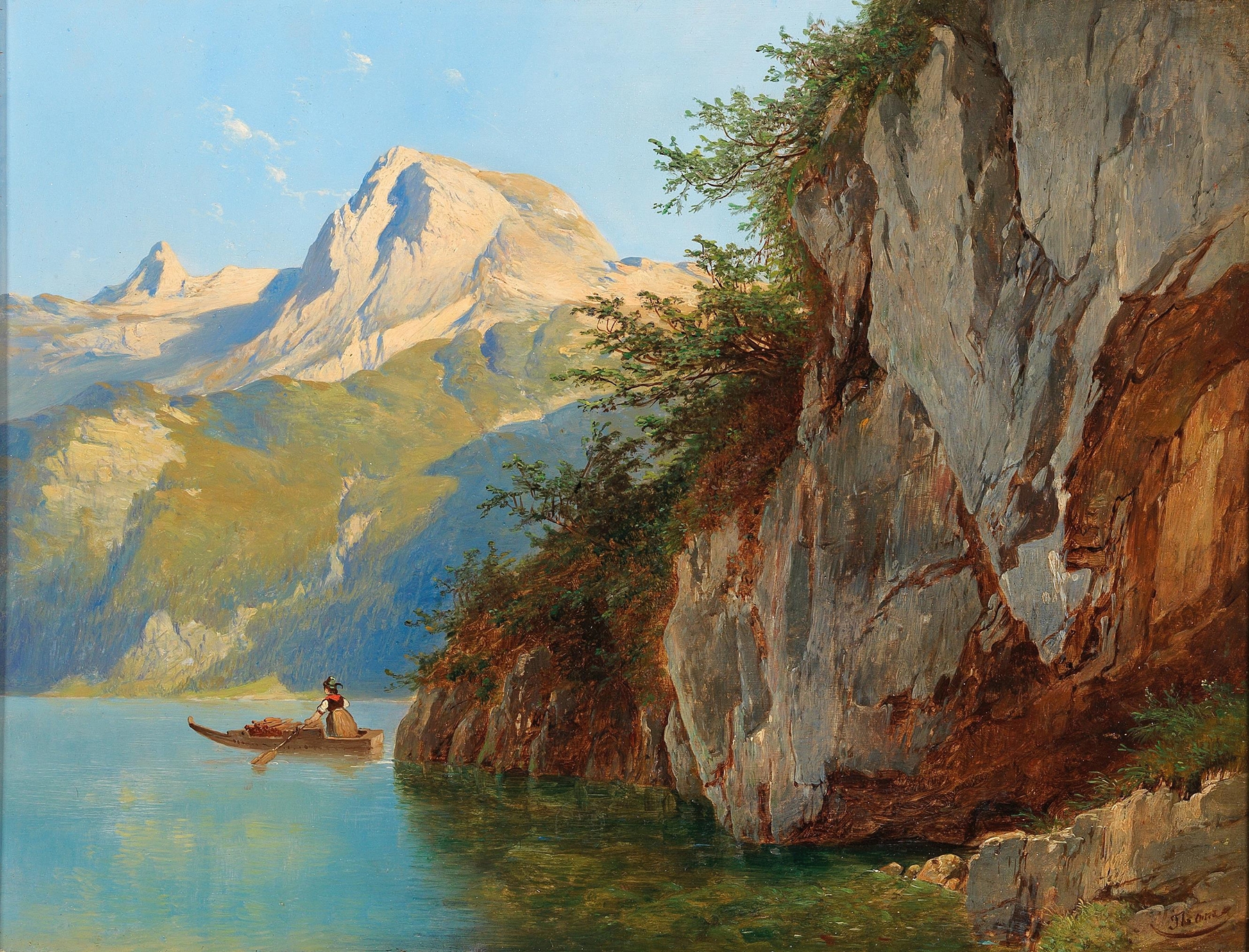
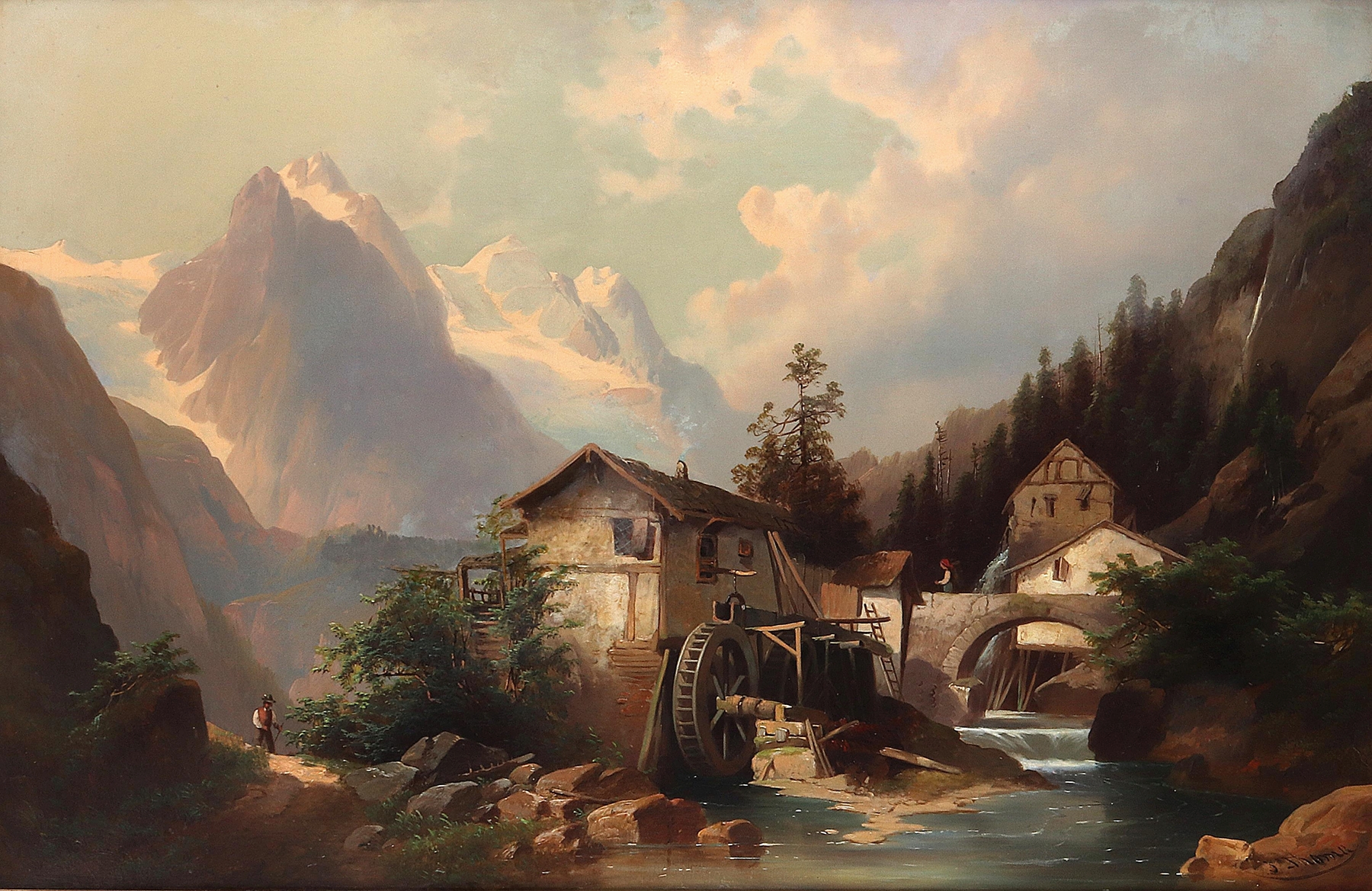
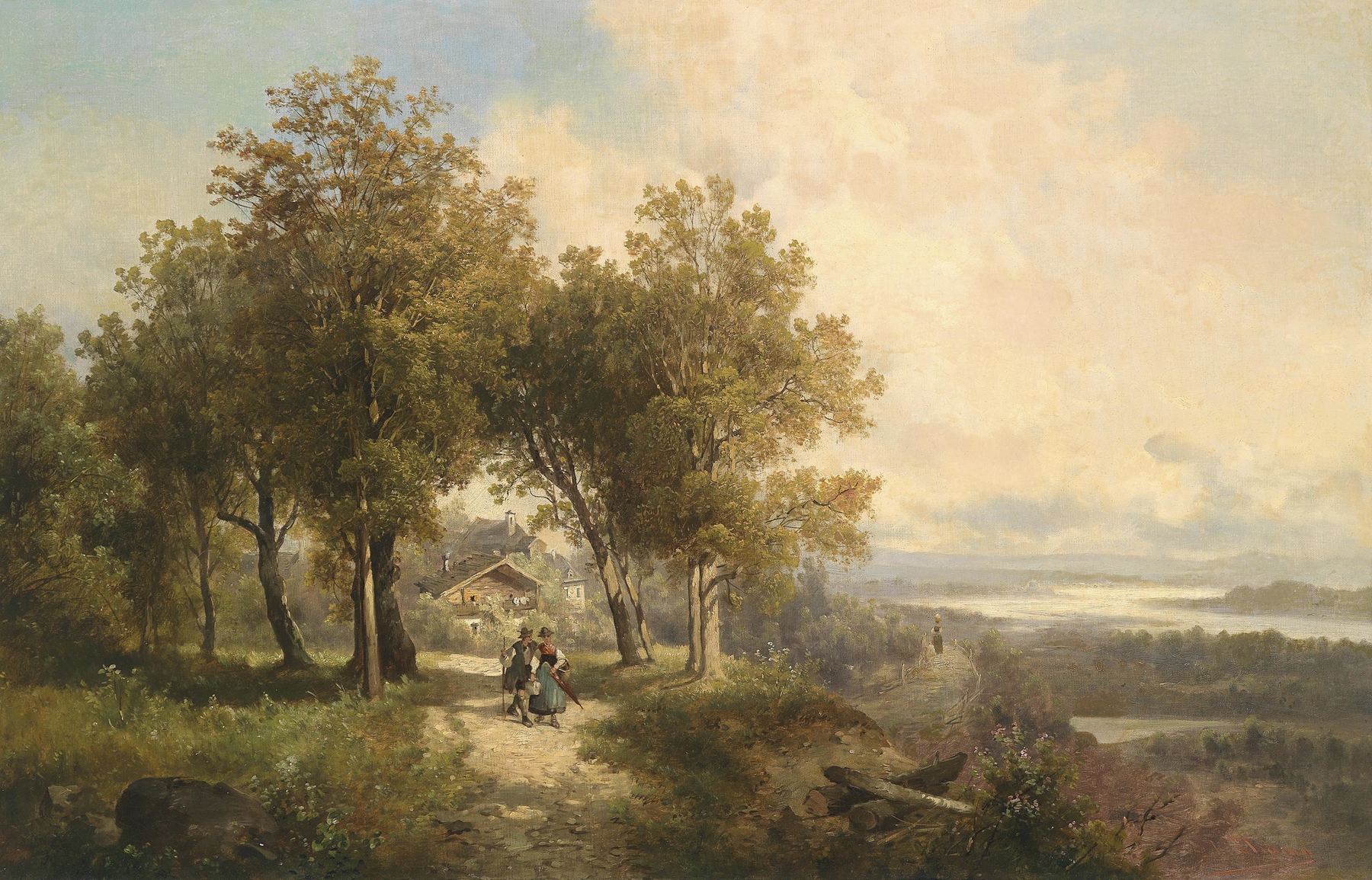
When did color learn to lie? In Flusslandschaft, the interplay of hues invites a questioning of reality, blurring the line between perception and essence. Here, in the heart of nature, the vivid greens and blues seem to pulse with life, yet they beckon us to wonder what truths lie beneath their surface. Focus on the dynamic movement of the river running through the canvas. The brushstrokes swirl and twist, creating a sense of flow and rhythm that draws the eye into the depths of the landscape.
Notice how the light dances upon the water, capturing reflections that pulse with energy. The surrounding foliage, rendered in rich, bold colors, cradles this waterway, emphasizing the symbiotic relationship between the two elements. Each detail, from the sweeping curves to the textured foliage, reveals a careful balance of spontaneity and precision. Yet, beneath the vibrant surface lies a tension: tranquil yet restless, beautiful yet fleeting. The river suggests life’s journey, with its meandering path hinting at the unpredictability of nature.
The contrast between the serene sky above and the turbulent water below evokes a sense of duality — a reminder that what we see may not always represent what is true. Here, the artist captures a fleeting moment, challenging us to reflect on our perceptions of beauty and reality. Josef Thoma painted Flusslandschaft during a time when the post-war art world was grappling with the search for authenticity amidst turmoil. Living in Germany, he sought to reconcile the beauty of the natural world with the scars left by conflict. This work, created in the early 20th century, stands as a testament to his exploration of truth through landscape, infusing the tranquility of nature with an underlying complexity shaped by his experiences.