Flusslandschaft in Hessen — History & Analysis
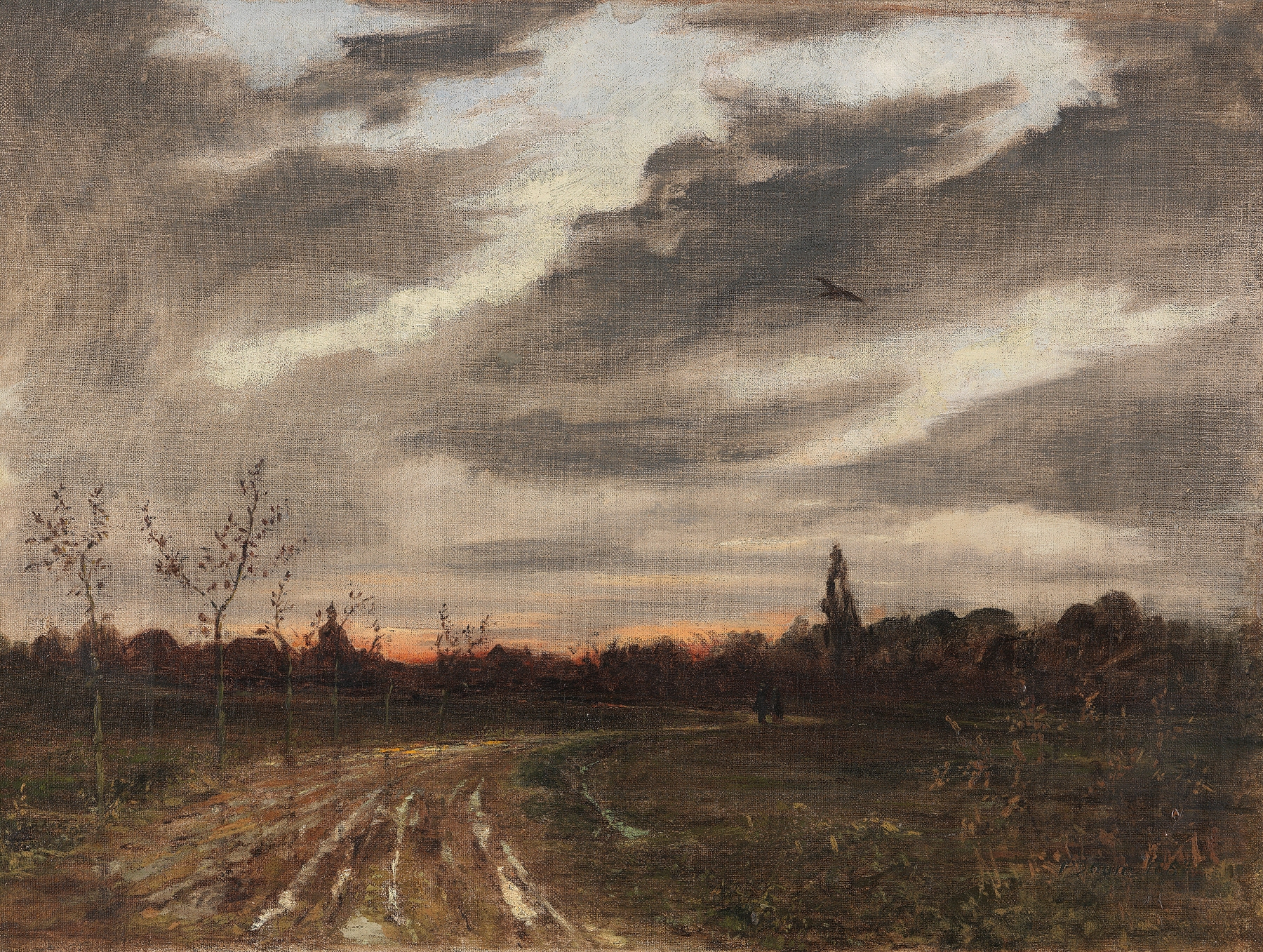
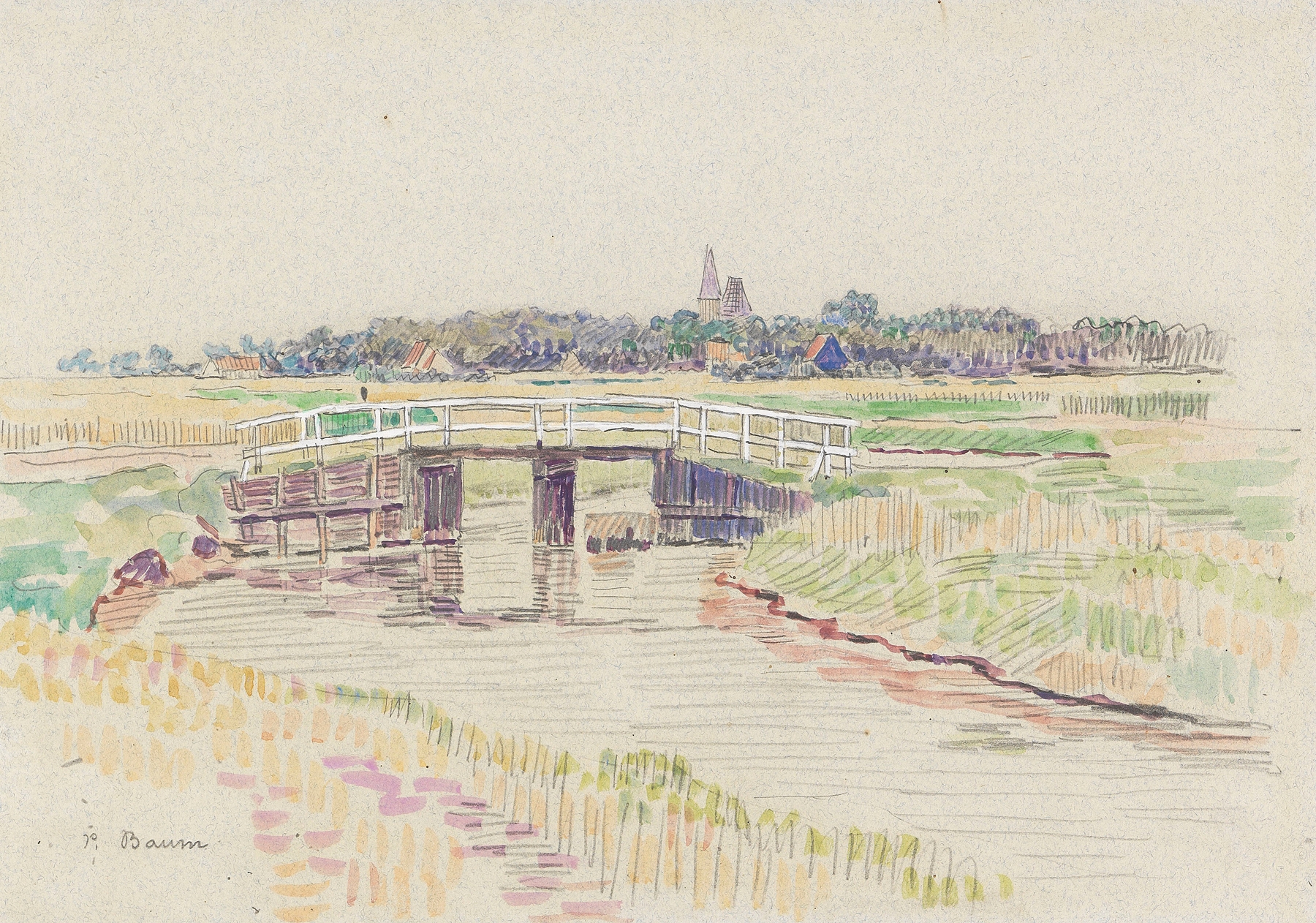
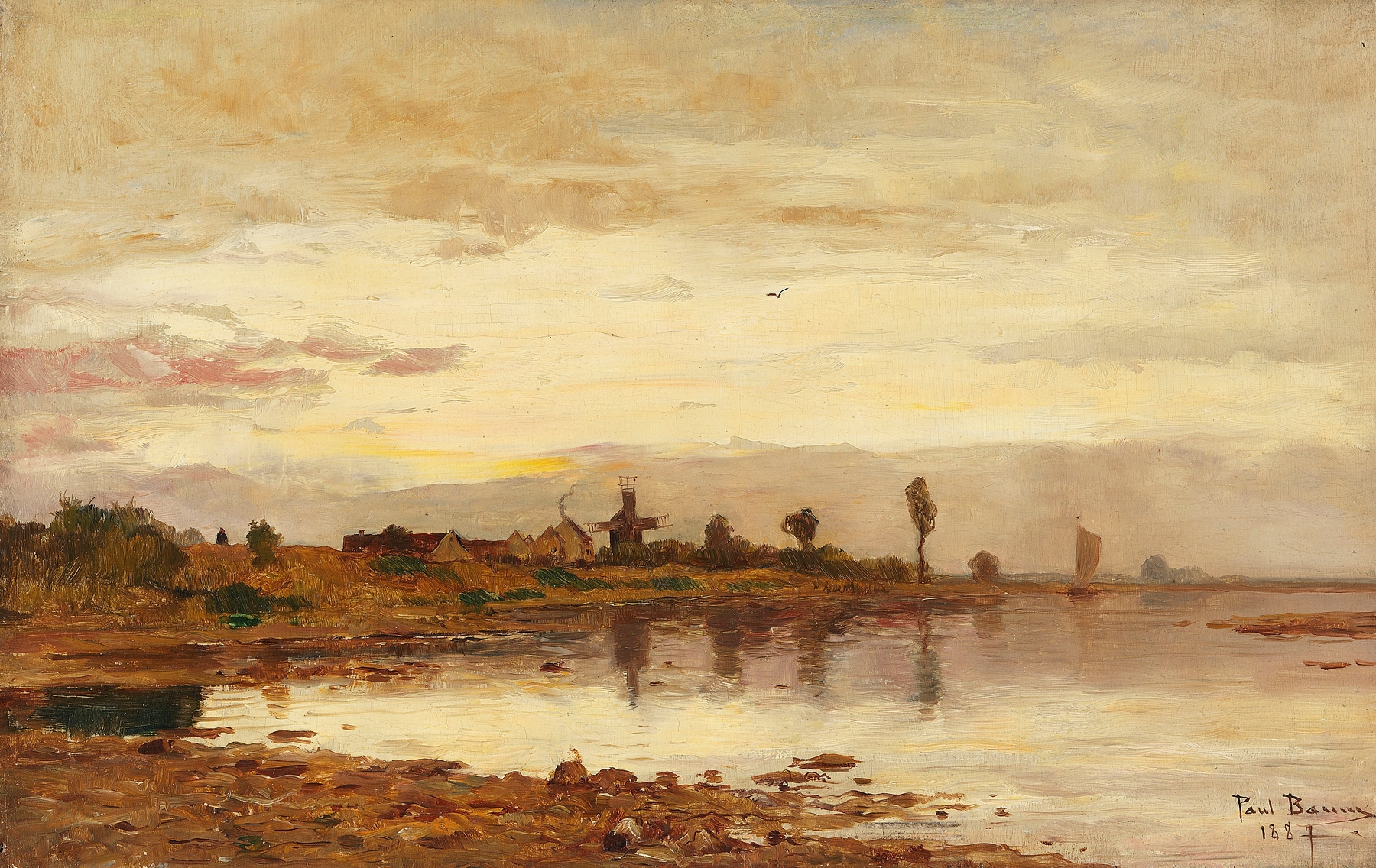
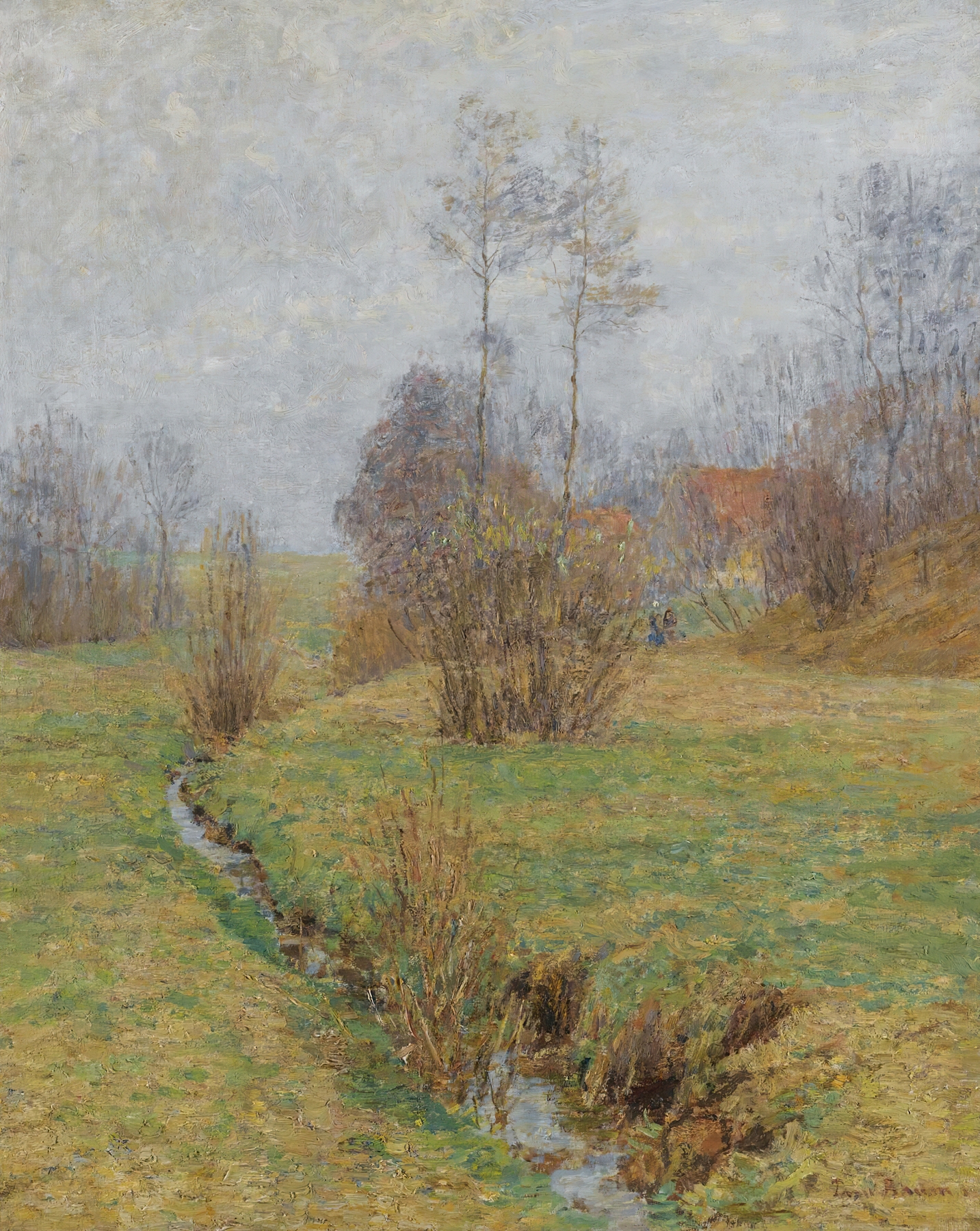
Can paint confess what words never could? In Flusslandschaft in Hessen, the essence of transcendence reverberates through the canvas, inviting viewers to explore a serene yet profound vision of nature. Look to the left at the winding river, its gentle curves reflecting the peaceful light of a sun setting behind the distant hills. Notice how the colors shift from soft greens to vibrant golds, interspersed with deep shadows that invite a sense of mystery. The trees stand tall, their leaves a riot of colors, while the sky, painted with delicate strokes, seems to echo the tranquility of the scene.
The composition is thoughtfully balanced, drawing the eye along the water's edge, where the lush landscape meets the calmness of the river. Delve deeper, and you will find a quiet tension that speaks to the passage of time. The stillness of the water contrasts sharply with the vibrant foliage, suggesting moments both fleeting and eternal. Each brushstroke hints at the artist’s yearning for a connection with the natural world, revealing a dialogue between the serenity of the landscape and the restlessness of the human spirit.
This juxtaposition evokes introspection, inviting a contemplation of one's place within the vastness of nature. In 1880, Paul Baum created this work while living in Germany, a time when the art world was buzzing with the influence of Impressionism. Artists were beginning to break from traditional forms, seeking new ways to express their emotional truths through color and light. Baum, inspired by his surroundings in Hesse, captured not just a landscape, but a moment of poetic reflection, bridging personal experience with the sublime beauty of nature.