Corn fields outside Neustadt in Hesse — History & Analysis
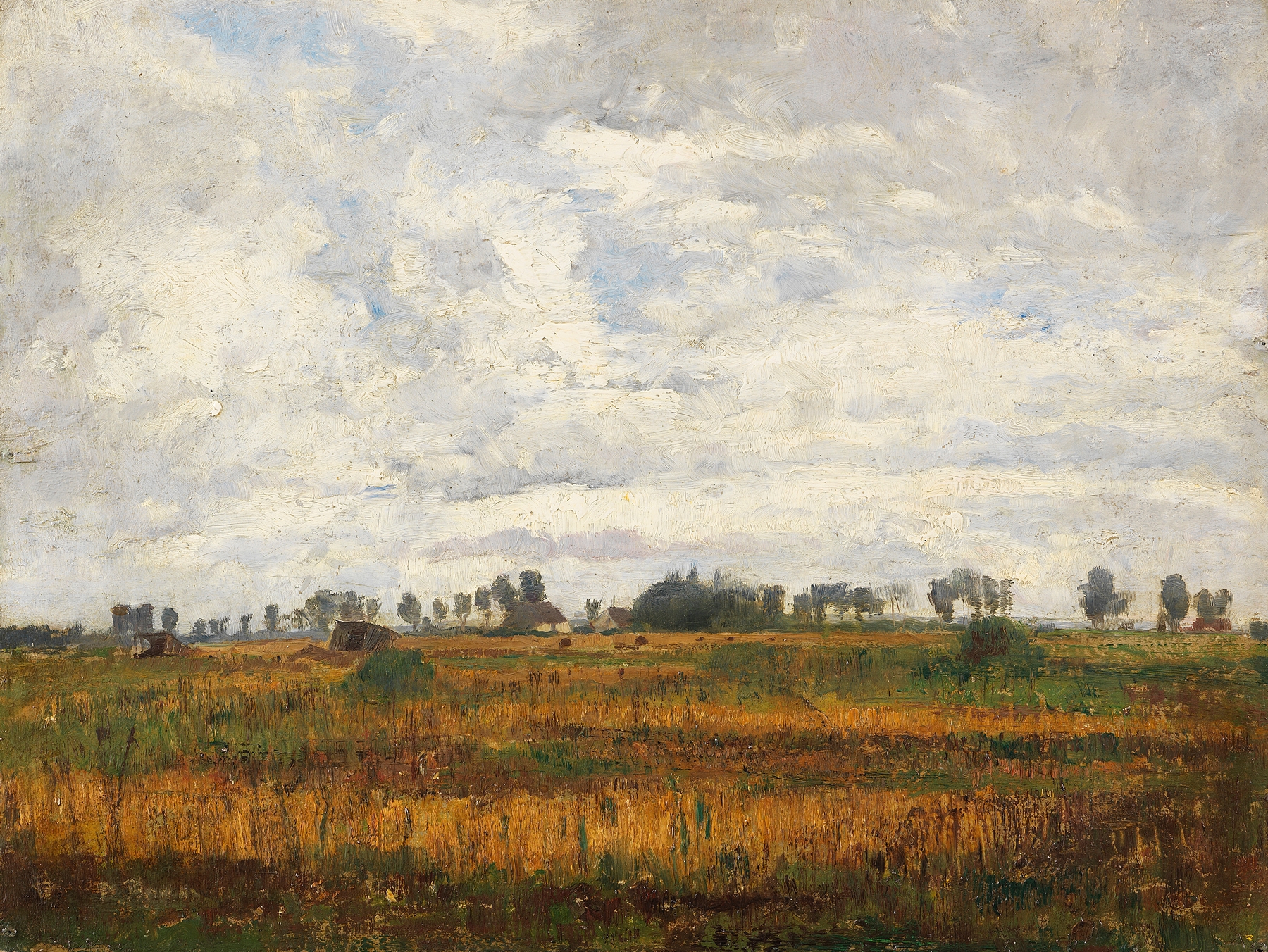
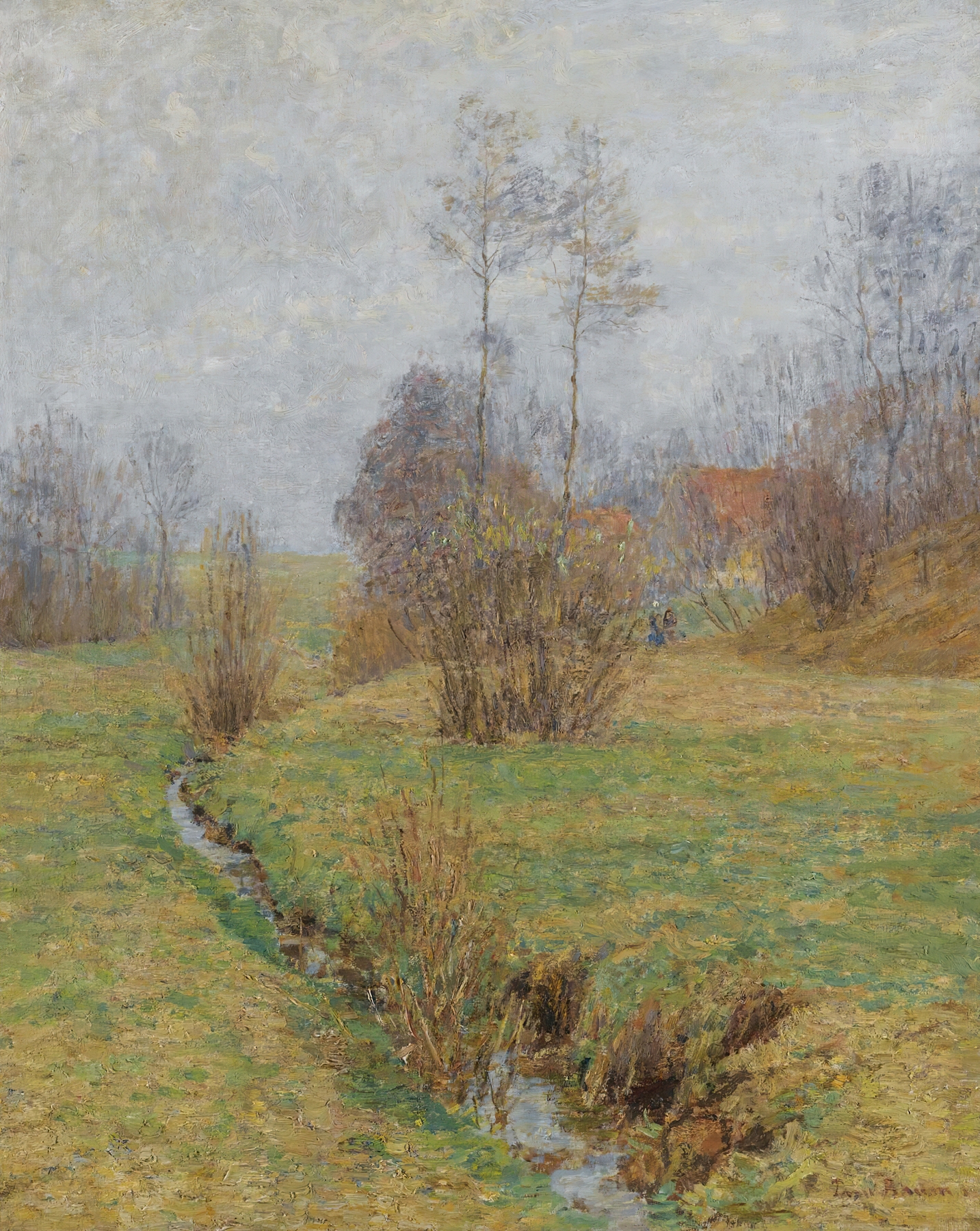
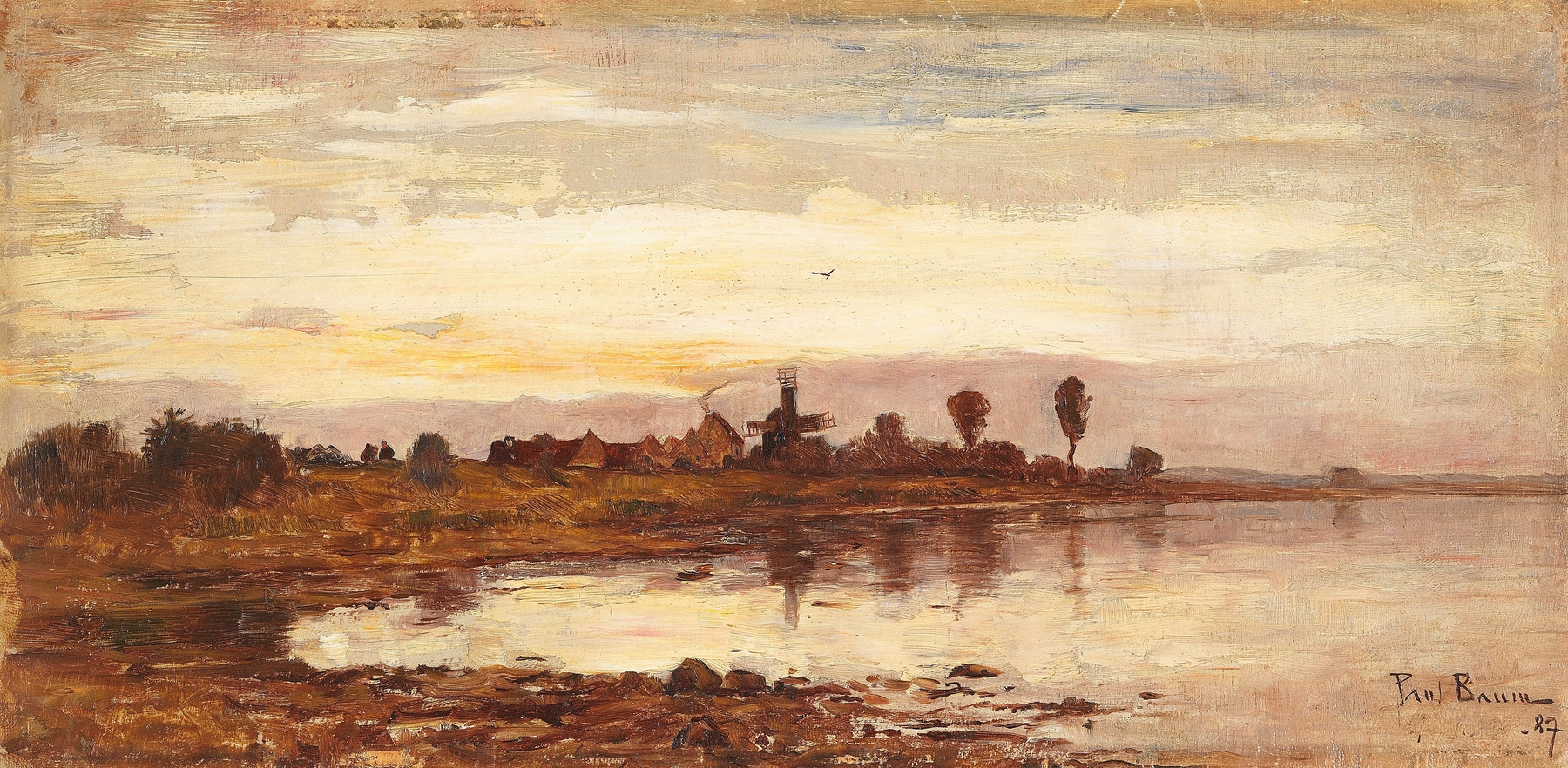
Can paint confess what words never could? In Corn fields outside Neustadt in Hesse, the landscape unfolds like a whisper, revealing the intimate connection between nature and the spirit. Look to the right at the golden waves of wheat, their texture almost tangible, kissed by the soft light of the late afternoon sun. Notice how the brushstrokes pulse with life, each stroke a testament to the artist's hand, infusing movement into the stillness.
The horizon stretches wide, dominated by a cobalt sky that contrasts sharply with the earthy tones of the fields, creating a harmony that evokes peace and nostalgia. Though the landscape appears serene, it harbors deeper emotional undertones. The rich colors are laced with an undercurrent of longing, hinting at the tumultuous world outside the canvas as the war raged on. The vast expanse of the fields symbolizes both the continuity of life and the fragility of existence, a dichotomy that invites contemplation.
Each blade of grass and every cloud reflects the artist's yearning for transcendence amidst chaos, suggesting a fleeting escape into simplicity. In 1917, Paul Baum painted this piece during a time when the world was engulfed in the horrors of World War I, a conflict that profoundly influenced artists of his era. Living in Germany, Baum sought refuge in the pastoral beauty of his homeland, reflecting a desire to capture and preserve fleeting moments of serenity. This work stands as both a personal expression and a response to the broader upheaval of the time, grounding viewers in the quietude of nature while the world around them was anything but.