Flusslandschaft mit Weiden — History & Analysis
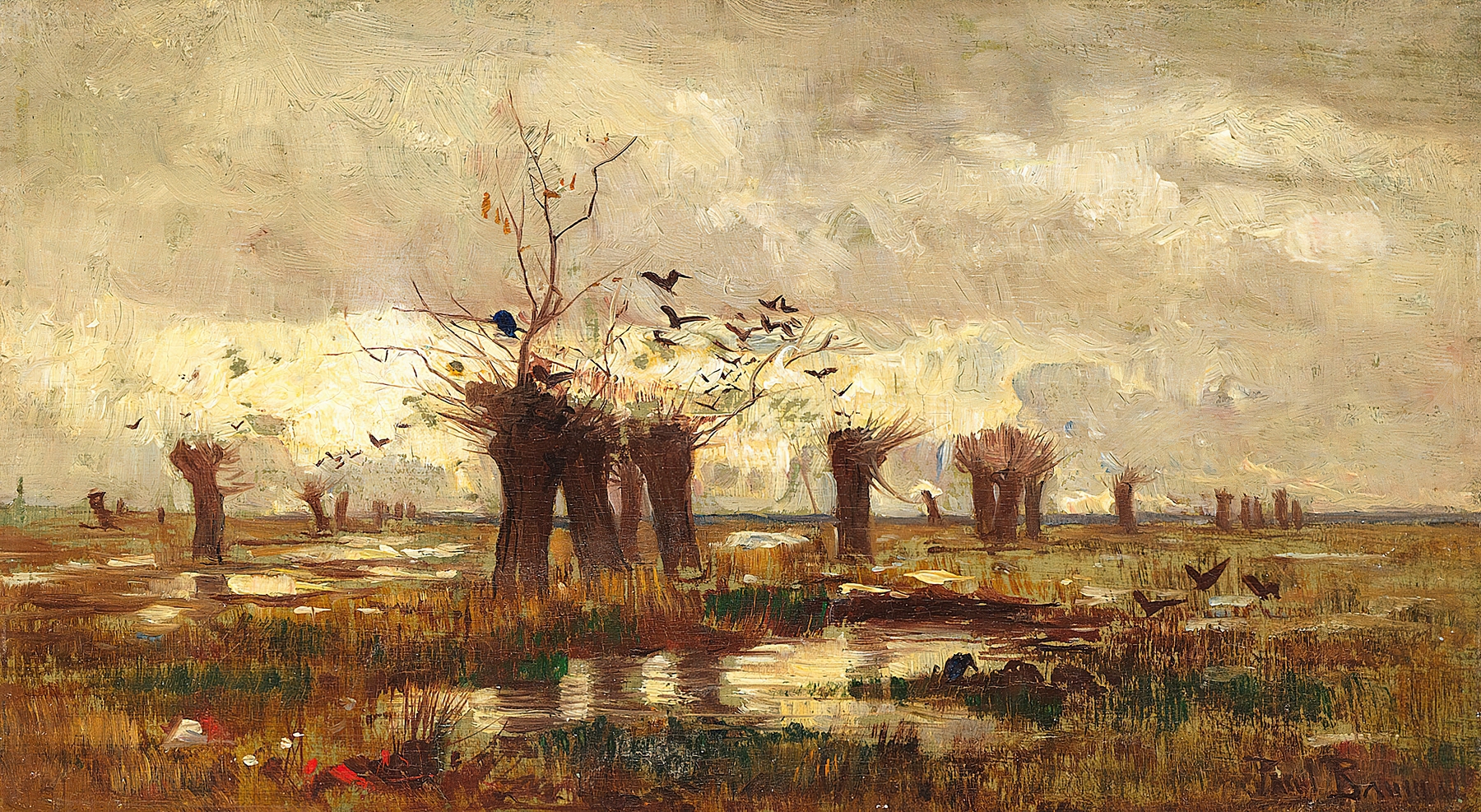
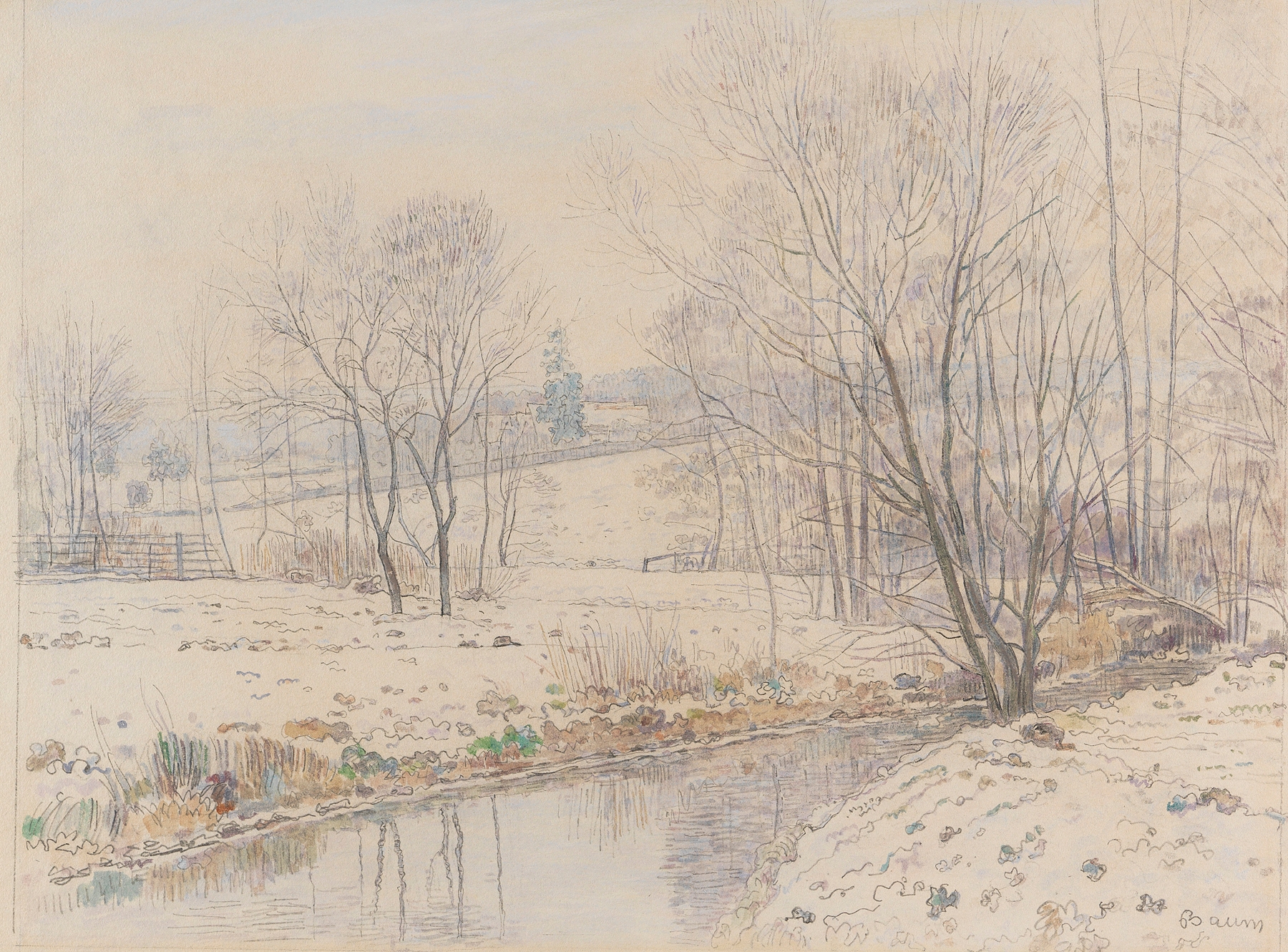
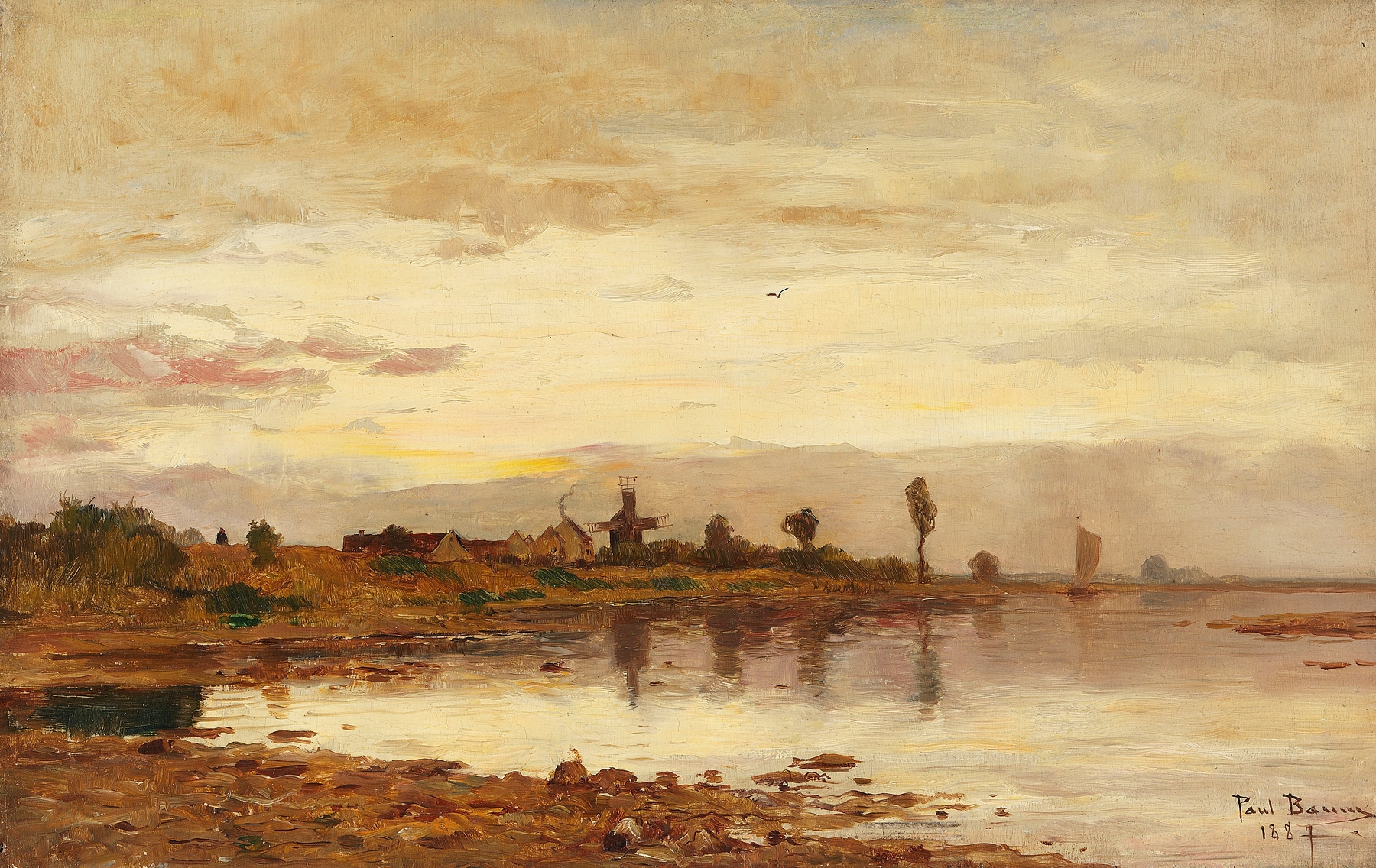
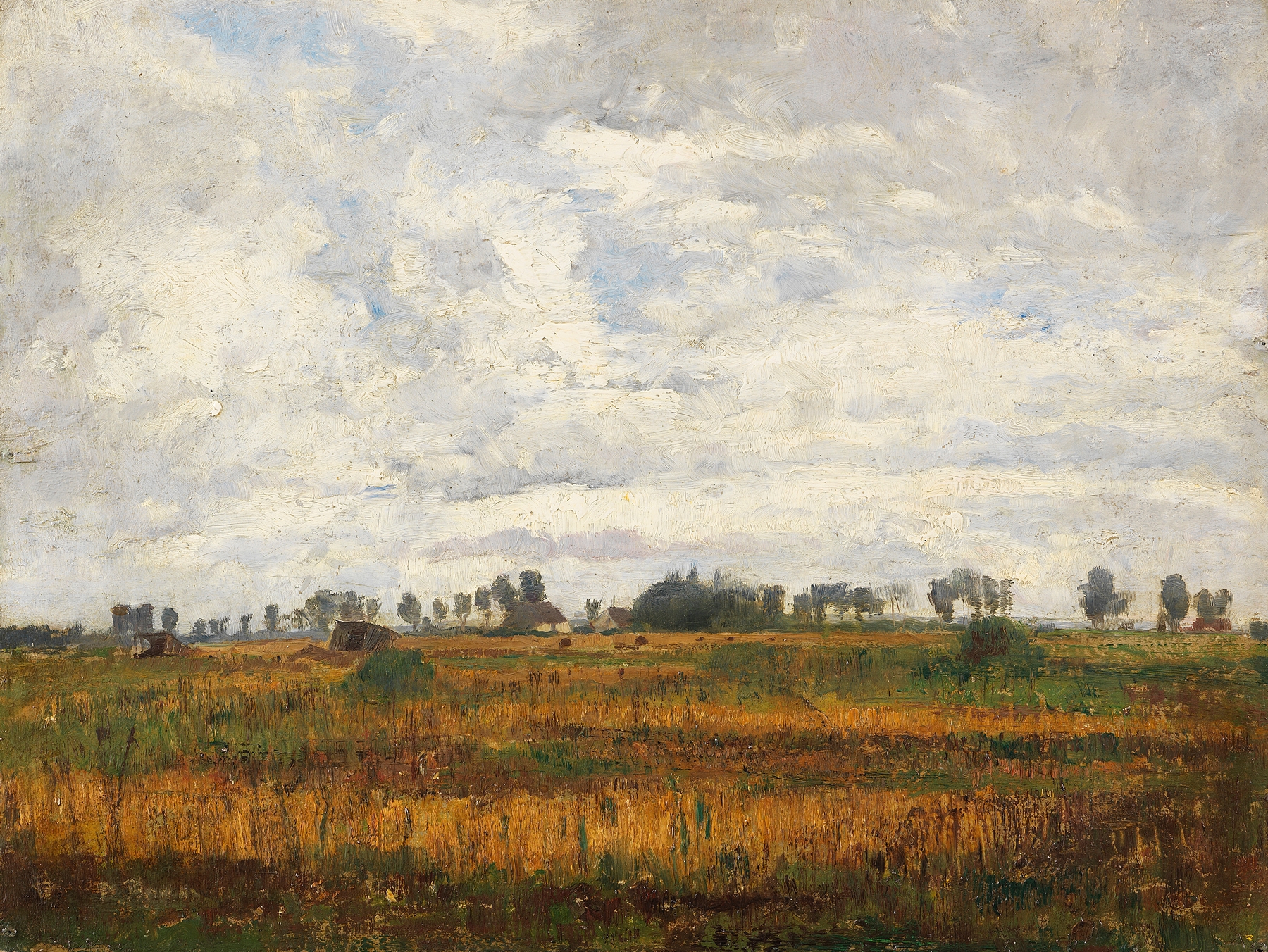
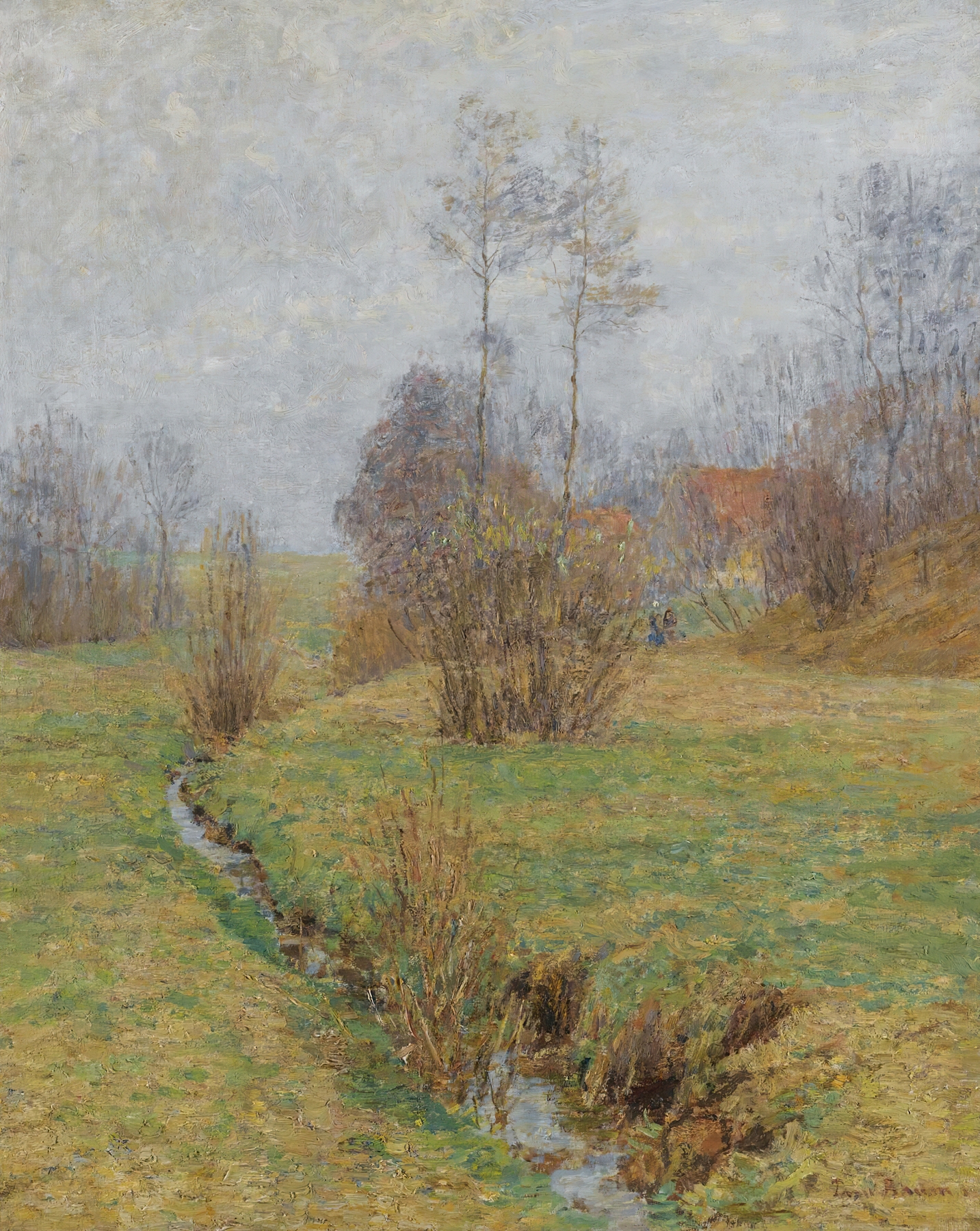
Where does light end, and longing begin? In Flusslandschaft mit Weiden, the interplay of nature and emotion draws us into a world of quiet contemplation and the promise of serenity. Look to the left at the gentle curve of the river, where the water glimmers under a soft haze of sunlight. The willows stand guard along the banks, their drooping branches creating a delicate frame that invites the viewer's eye to wander. Notice how the pastel colors blend harmoniously, with soft greens and warm yellows that evoke a sense of tranquility.
Baum’s brushwork captures the essence of a fleeting moment, where the surface of the water reflects the encroaching shadows of the trees, suggesting an intimacy between the land and the sky. Delve deeper into the painting and observe the subtle contrasts between light and shadow. The willows, while graceful, also seem to whisper secrets of solitude, hinting at a deeper yearning within the landscape. This juxtaposition evokes a sense of longing, reflecting the artist’s internal dialogue about the beauty and transience of nature.
The serene quality of the scene belies an undercurrent of nostalgia, where every brushstroke captures a moment that speaks to the impermanence of existence. In 1896, Paul Baum created this work during a period of artistic exploration in Germany. As a member of the Berlin Secession, he was influenced by the movement's emphasis on individualism and emotional expression. This painting reflects his engagement with the natural world, capturing a landscape that resonates with both personal and collective memories, while also responding to the broader dialogues of his time regarding the relationship between humanity and nature.