Forest of Fontainebleau — History & Analysis
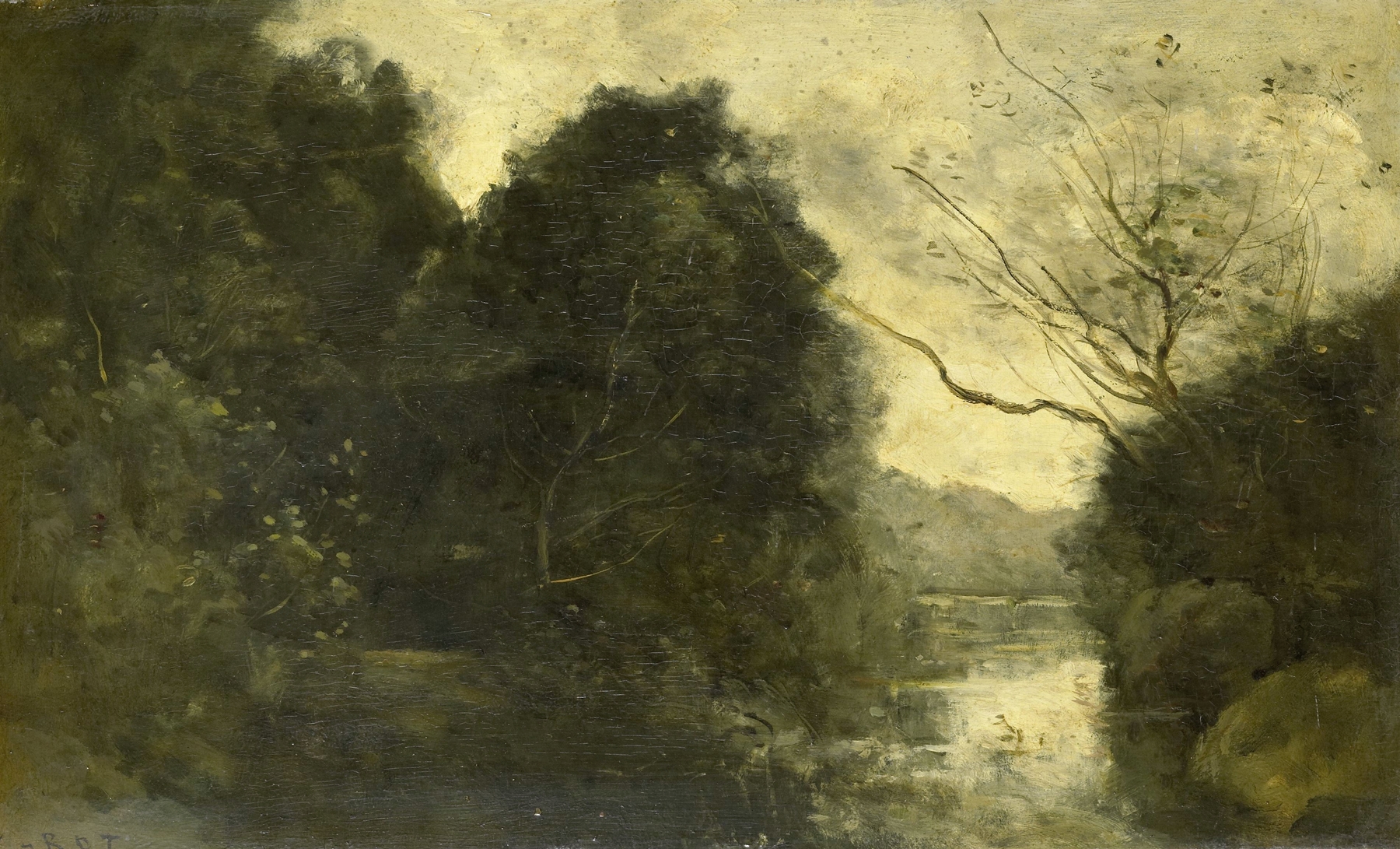
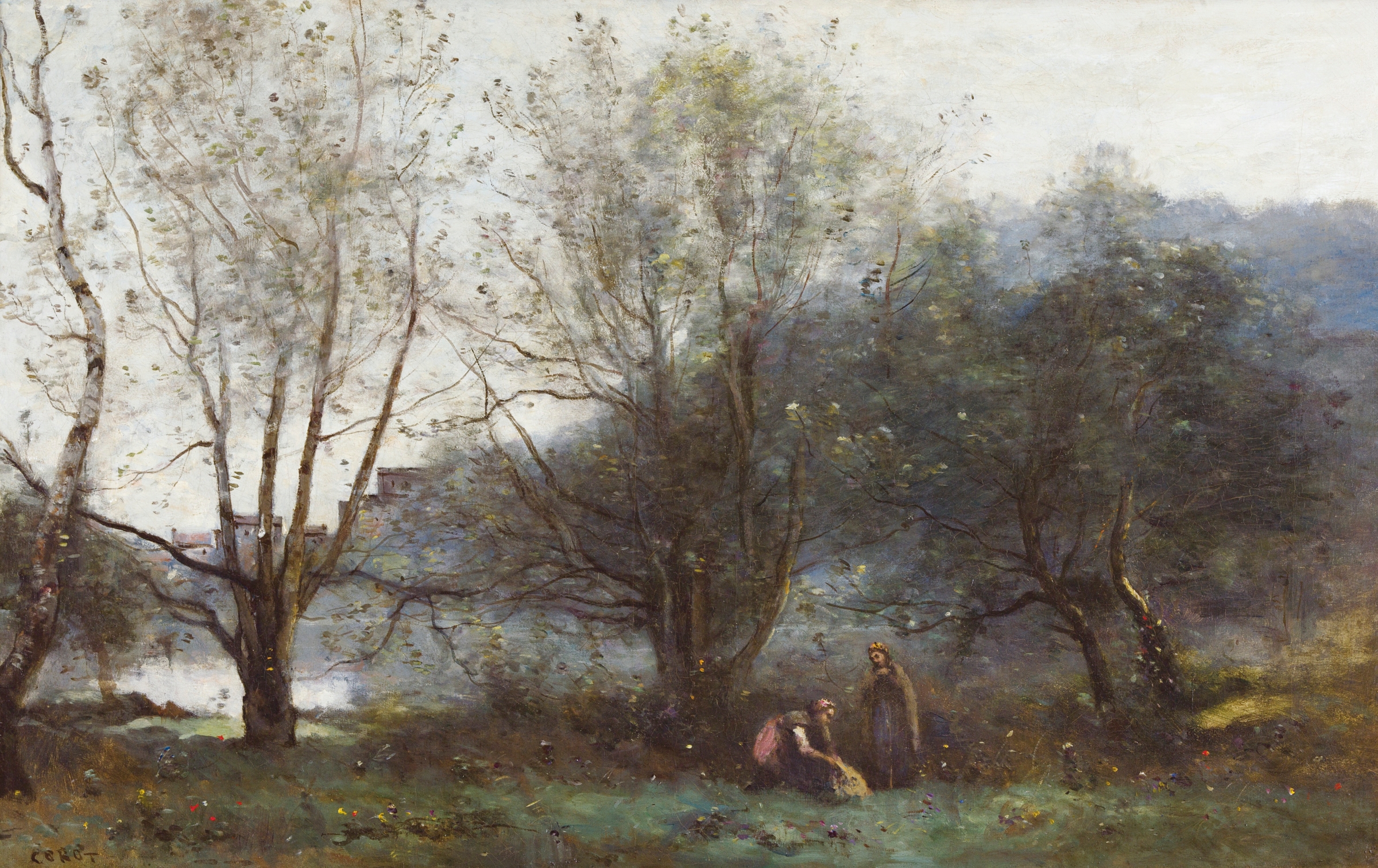
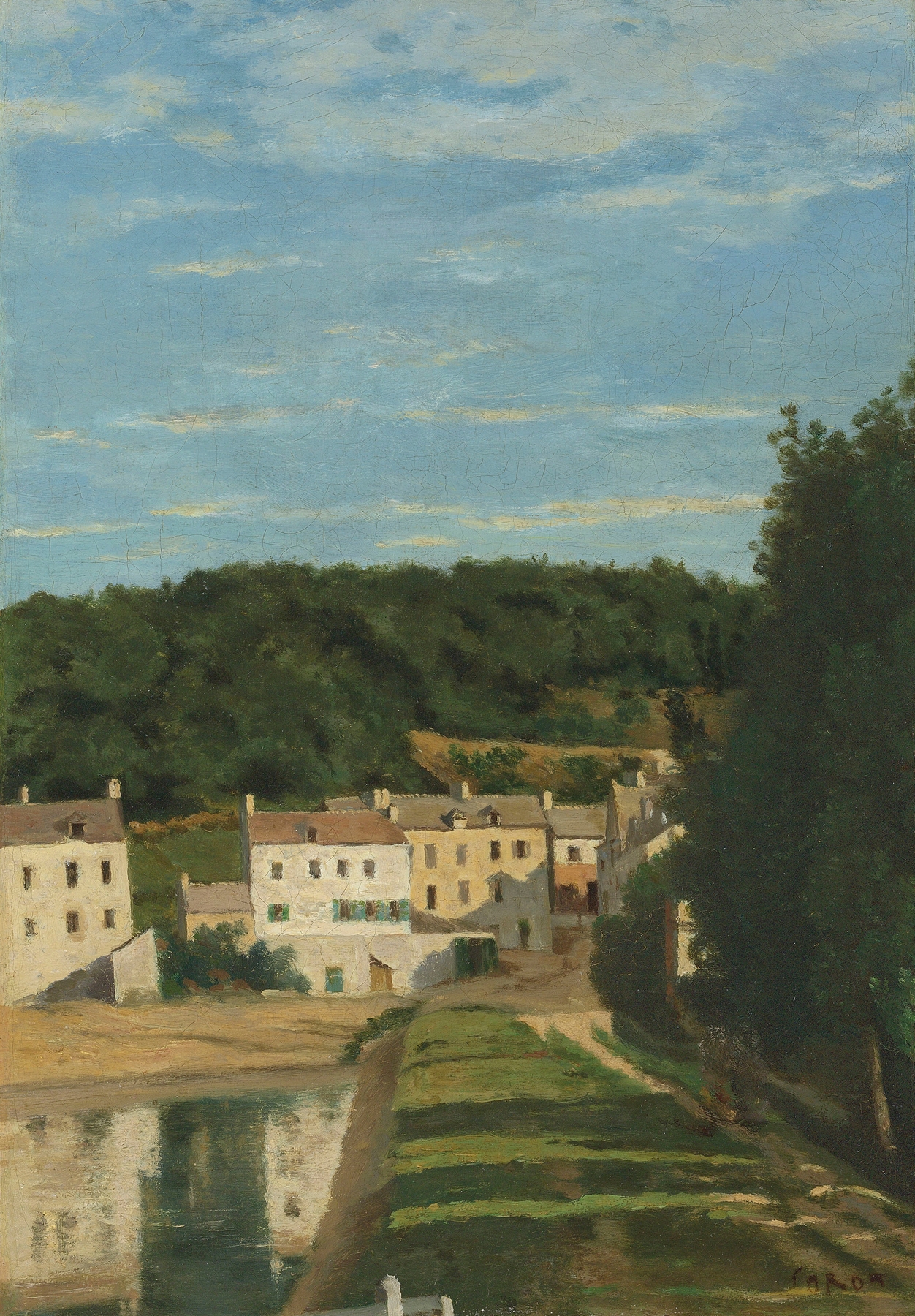
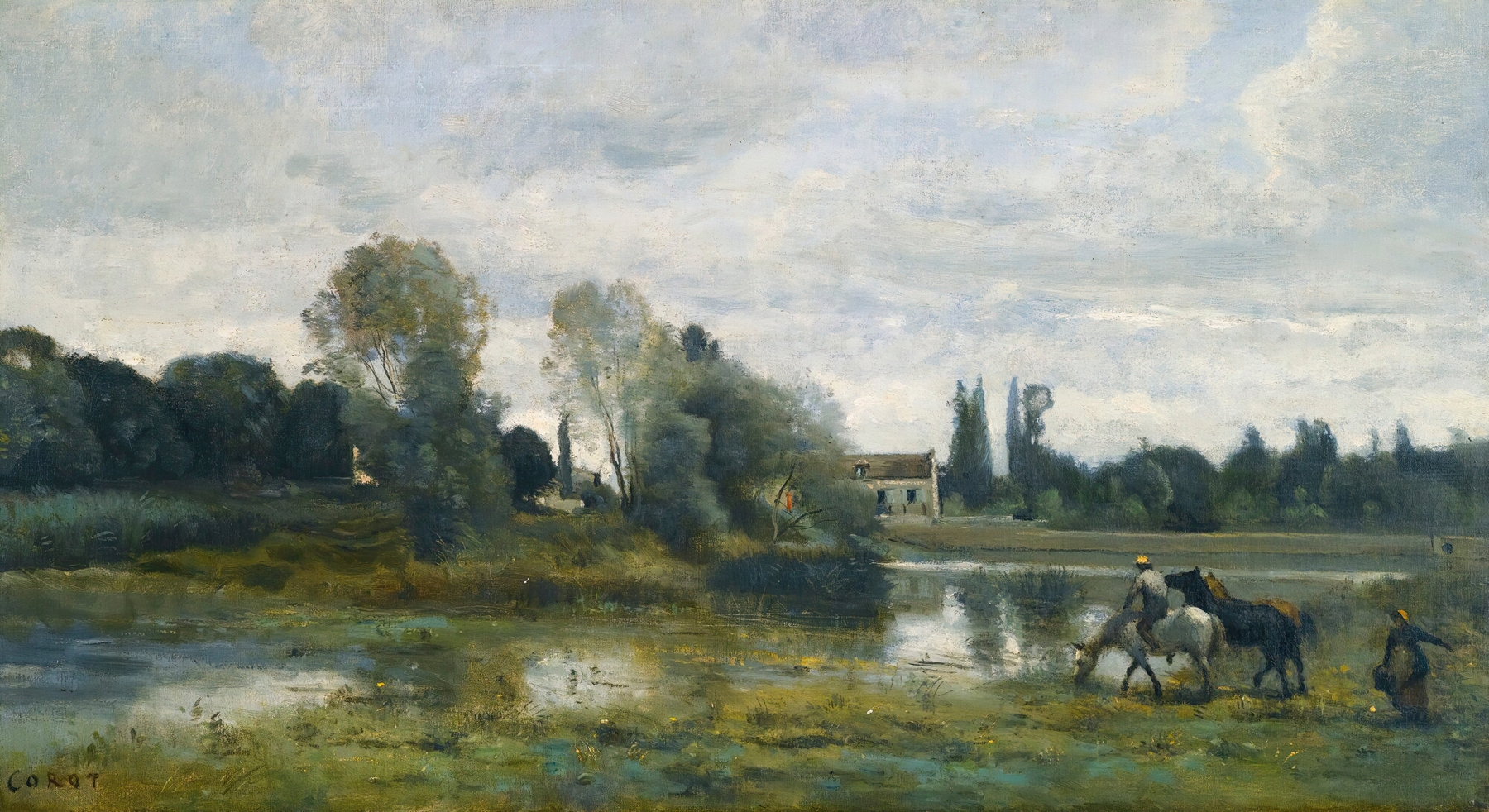
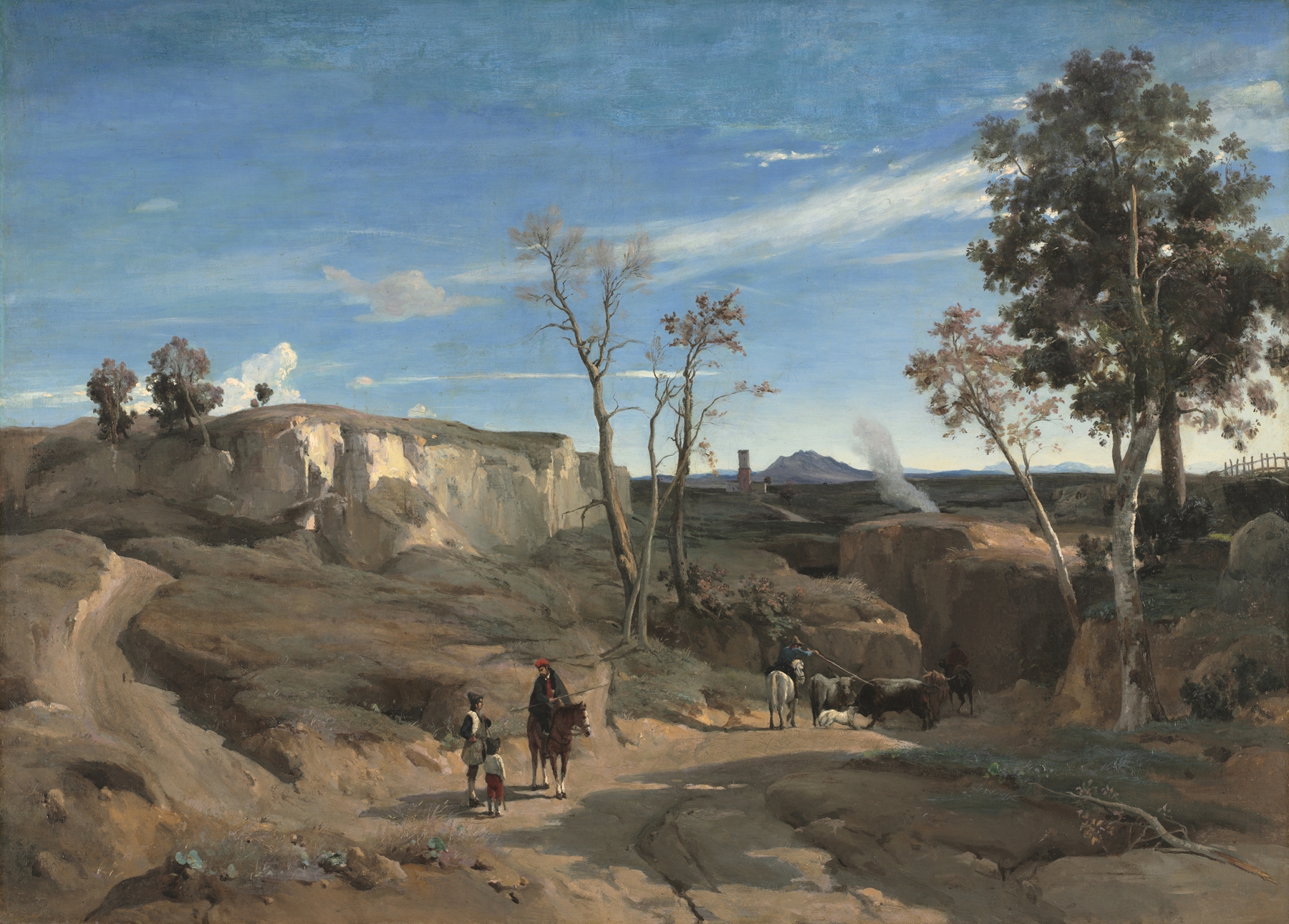
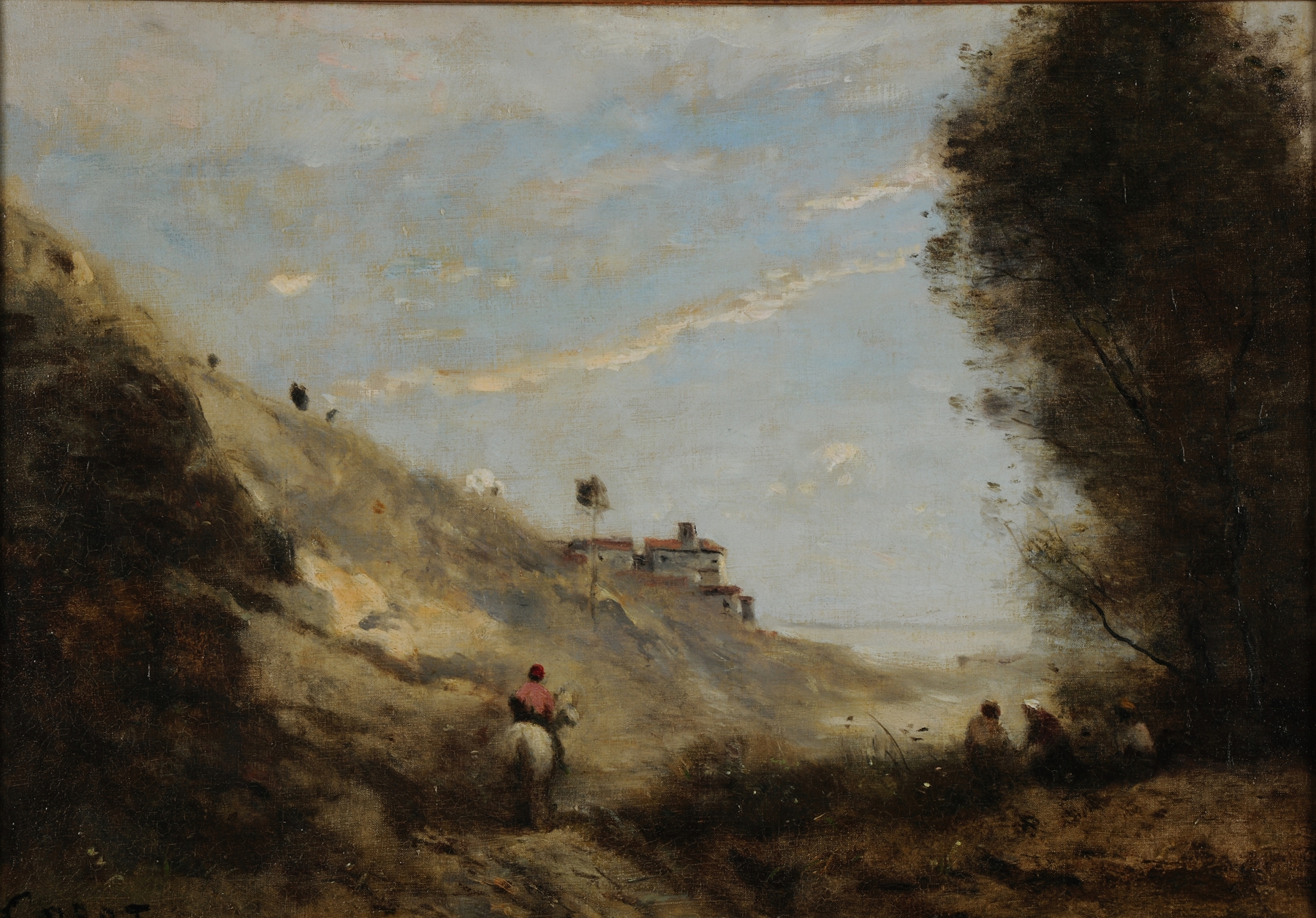
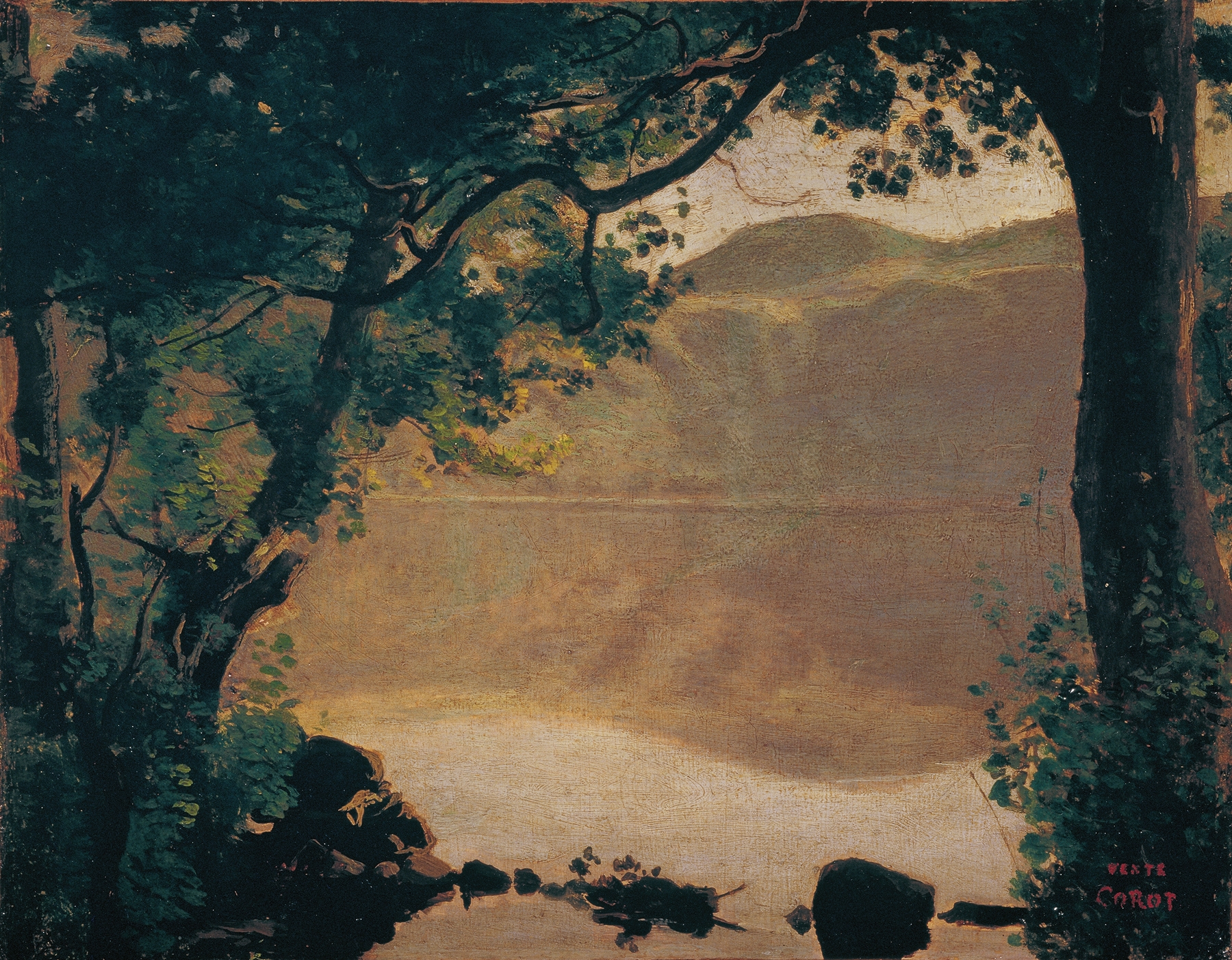
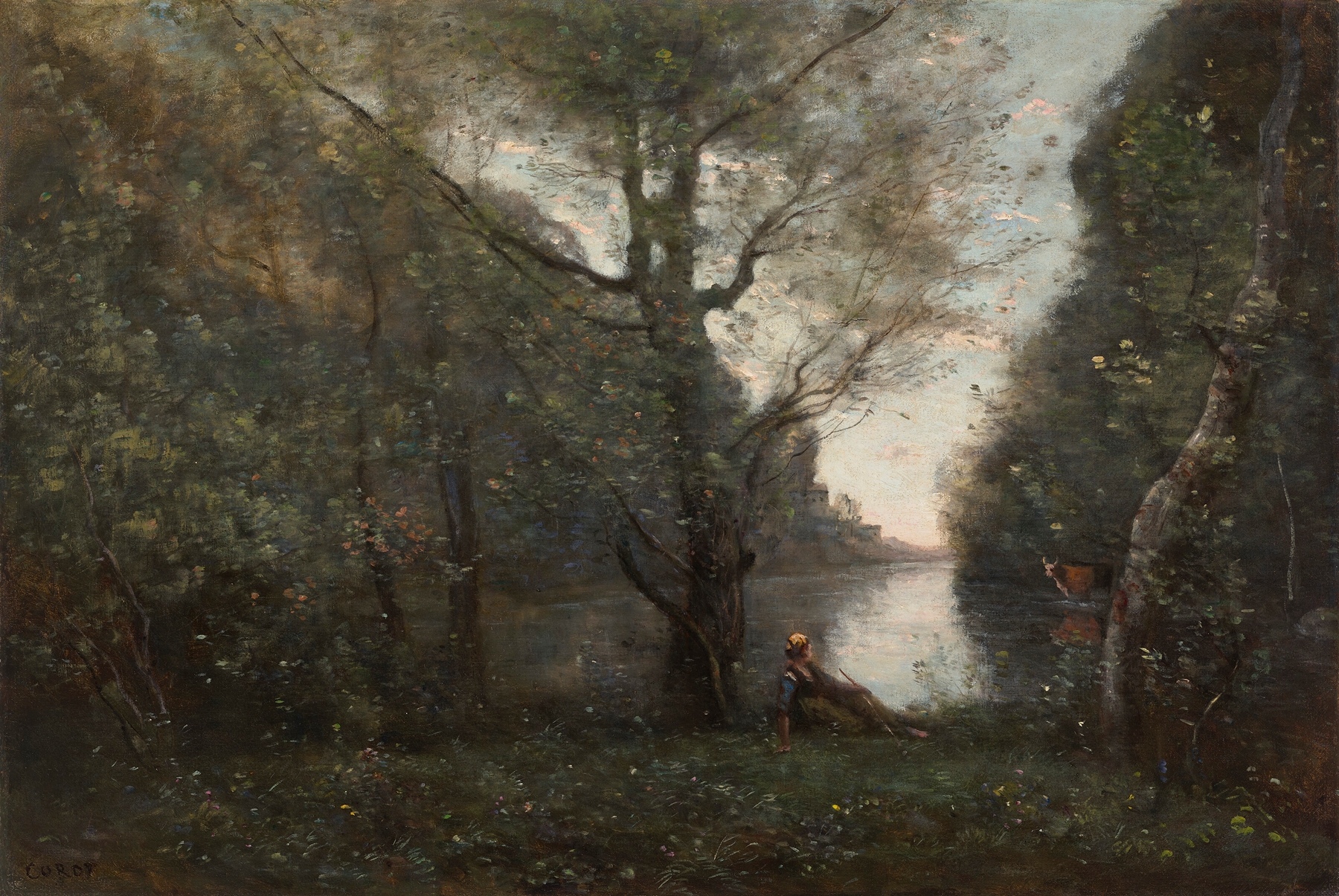
Can paint confess what words never could? In Forest of Fontainebleau, the interplay of light and shadow transcends mere depiction, evoking a silent dialogue about innocence lost and found. Look to the center, where a gentle stream meanders through a lush thicket, its rippling surface reflecting soft hues of greens and blues. Notice how the dappled sunlight filters through the leaves, creating a mosaic of light and dark that dances across the canvas.
The soft brushstrokes lend a dreamlike quality, guiding your eyes to the figures in the distance — two women, perhaps lost in conversation, their presence suggesting a fleeting moment of tranquility amidst nature’s embrace. The richness of color contrasts with the delicate figure of the women, hinting at a deeper narrative of connection and solitude. The interplay between the vibrant foliage and the figures’ serene postures reflects the tension between human existence and the timelessness of nature. In this space, innocence reigns, yet there’s an undertone of wistfulness, as if the scene captures a moment before an inevitable change.
In 1834, Corot painted this work while immersed in the burgeoning Romantic movement, which celebrated nature and emotion. At this time, he was living in France, where he found inspiration in the tranquil landscapes surrounding the Forest of Fontainebleau. This period marked a significant evolution in his style, blending realism with an ethereal quality that would influence future generations of artists.