Forêt de Sierre en Valais — History & Analysis
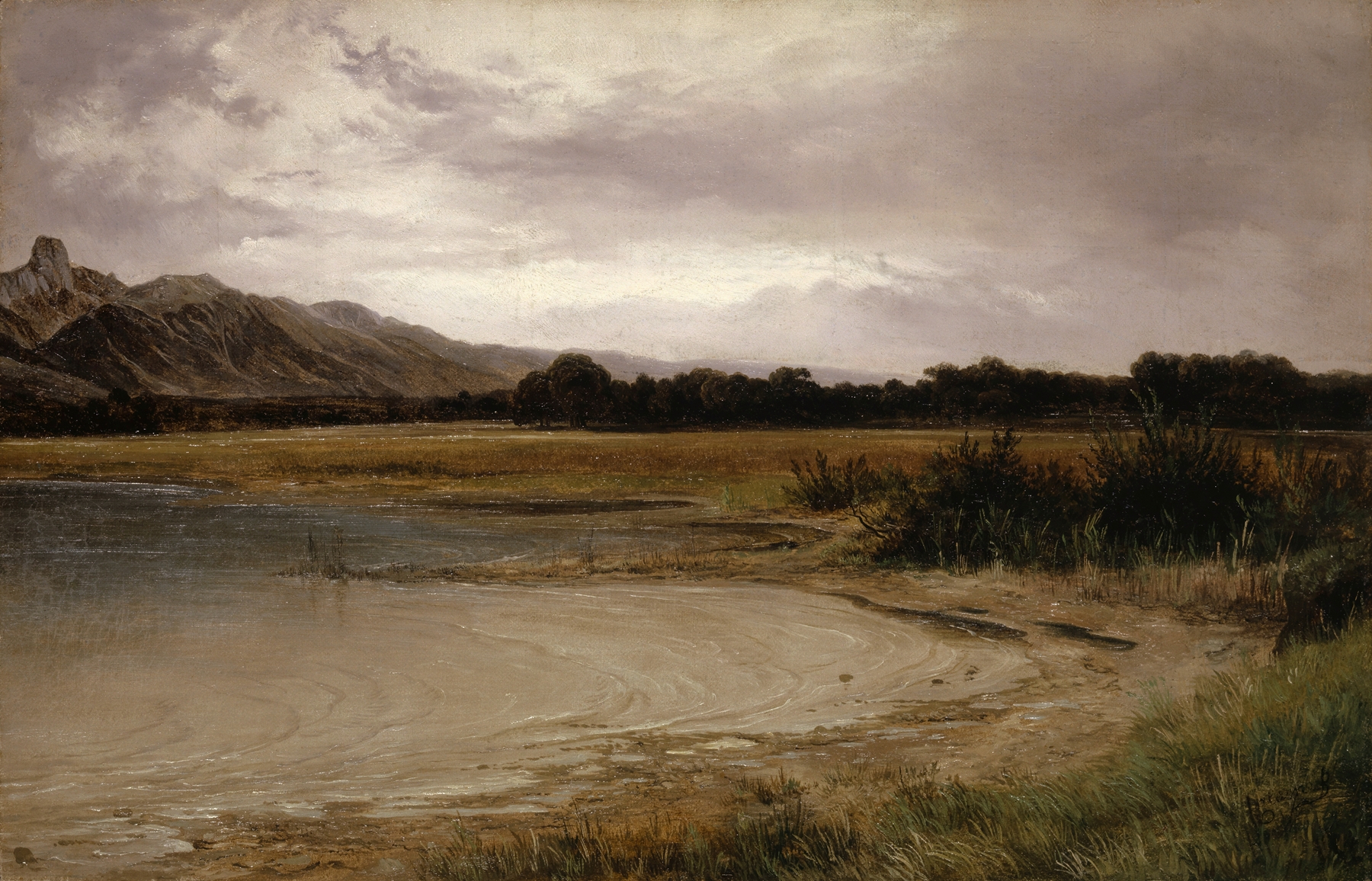
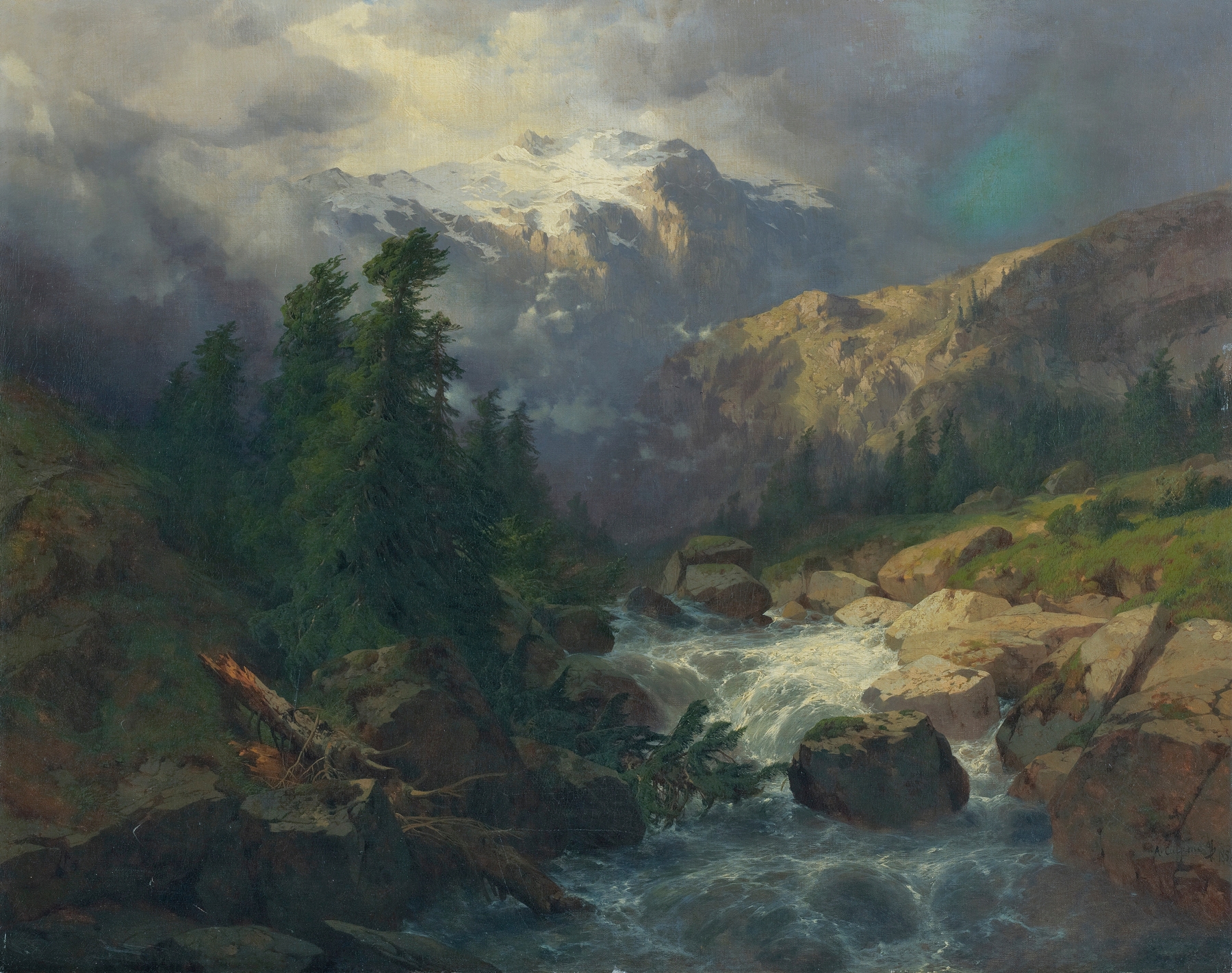
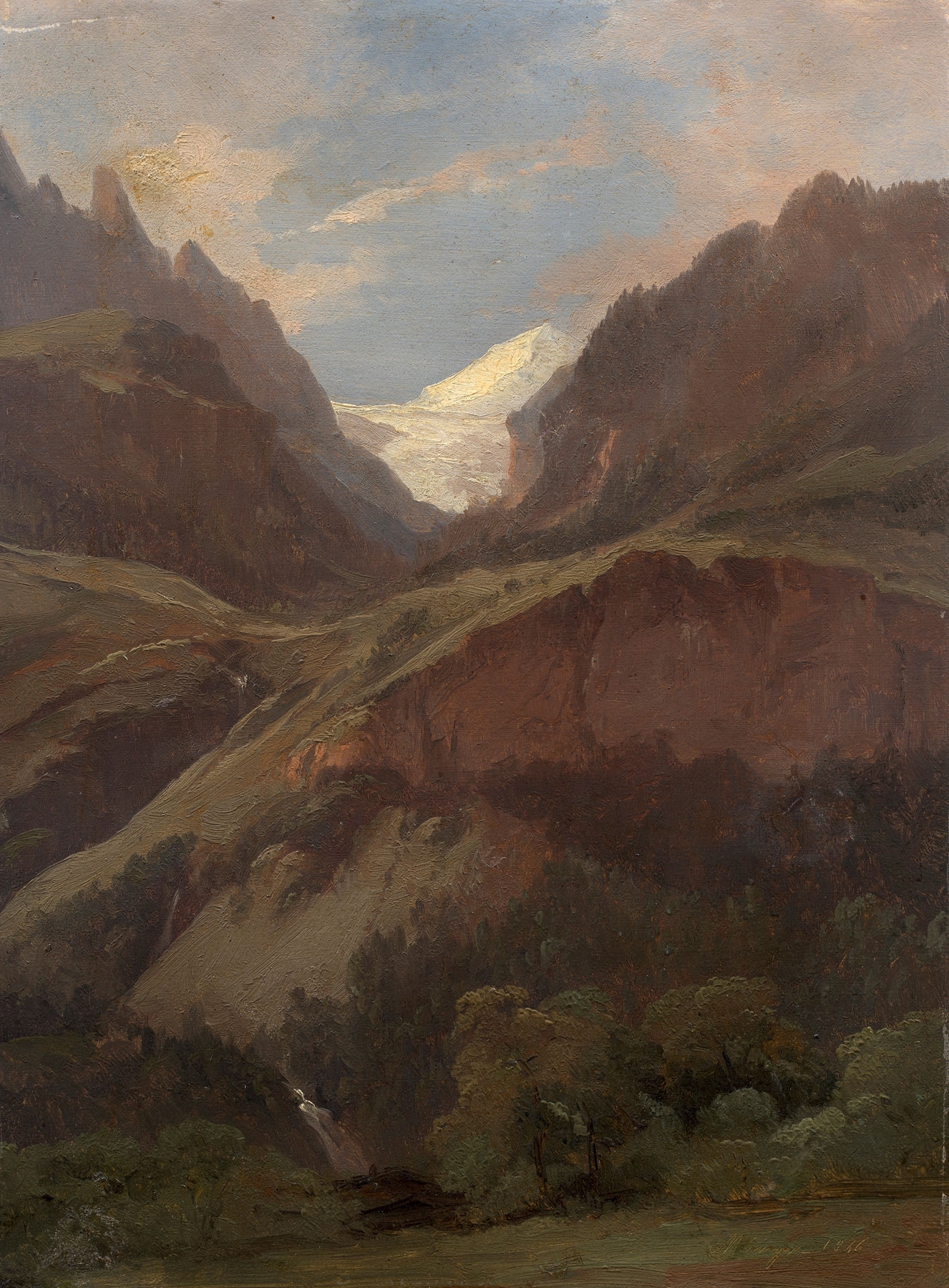
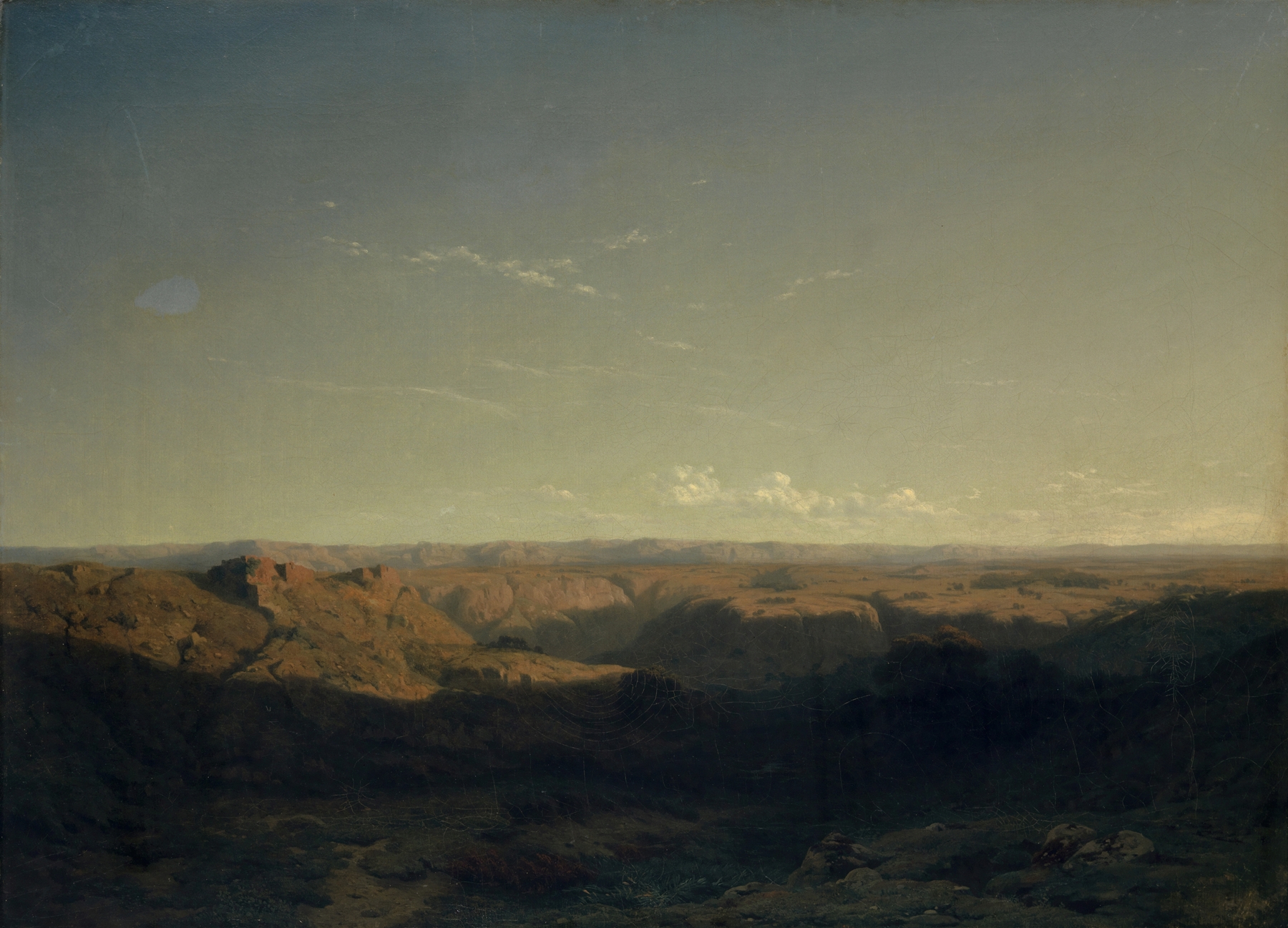
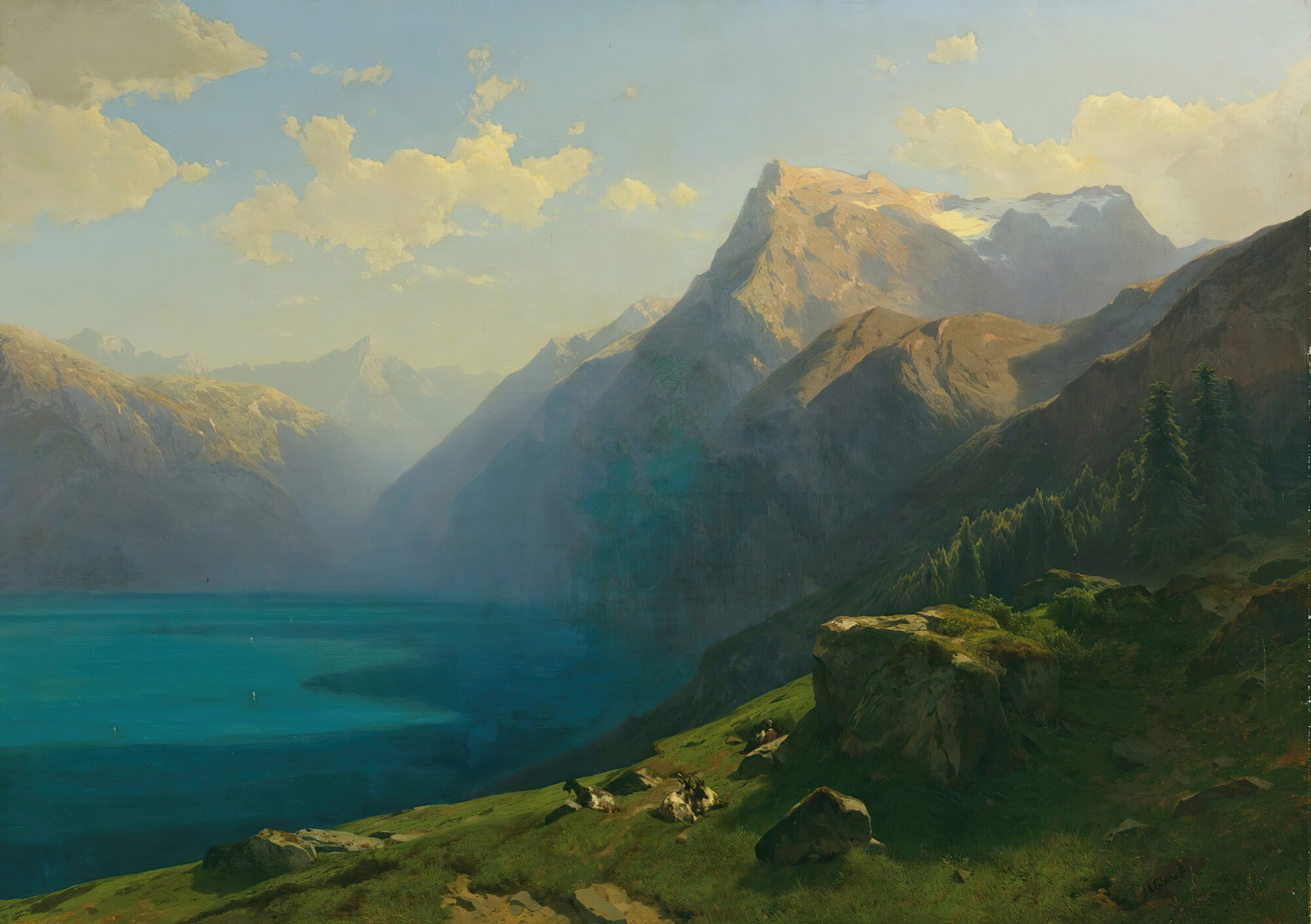
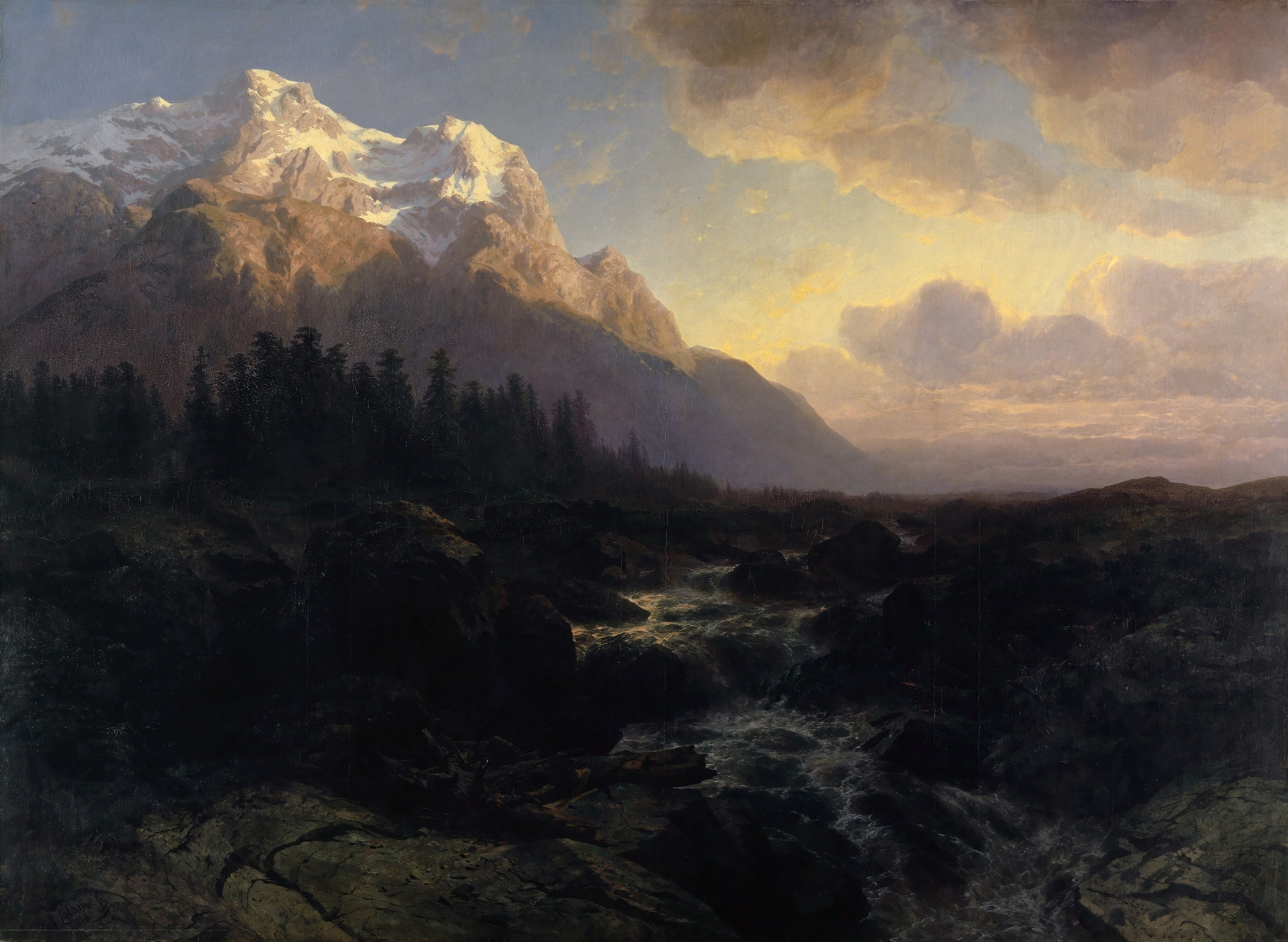
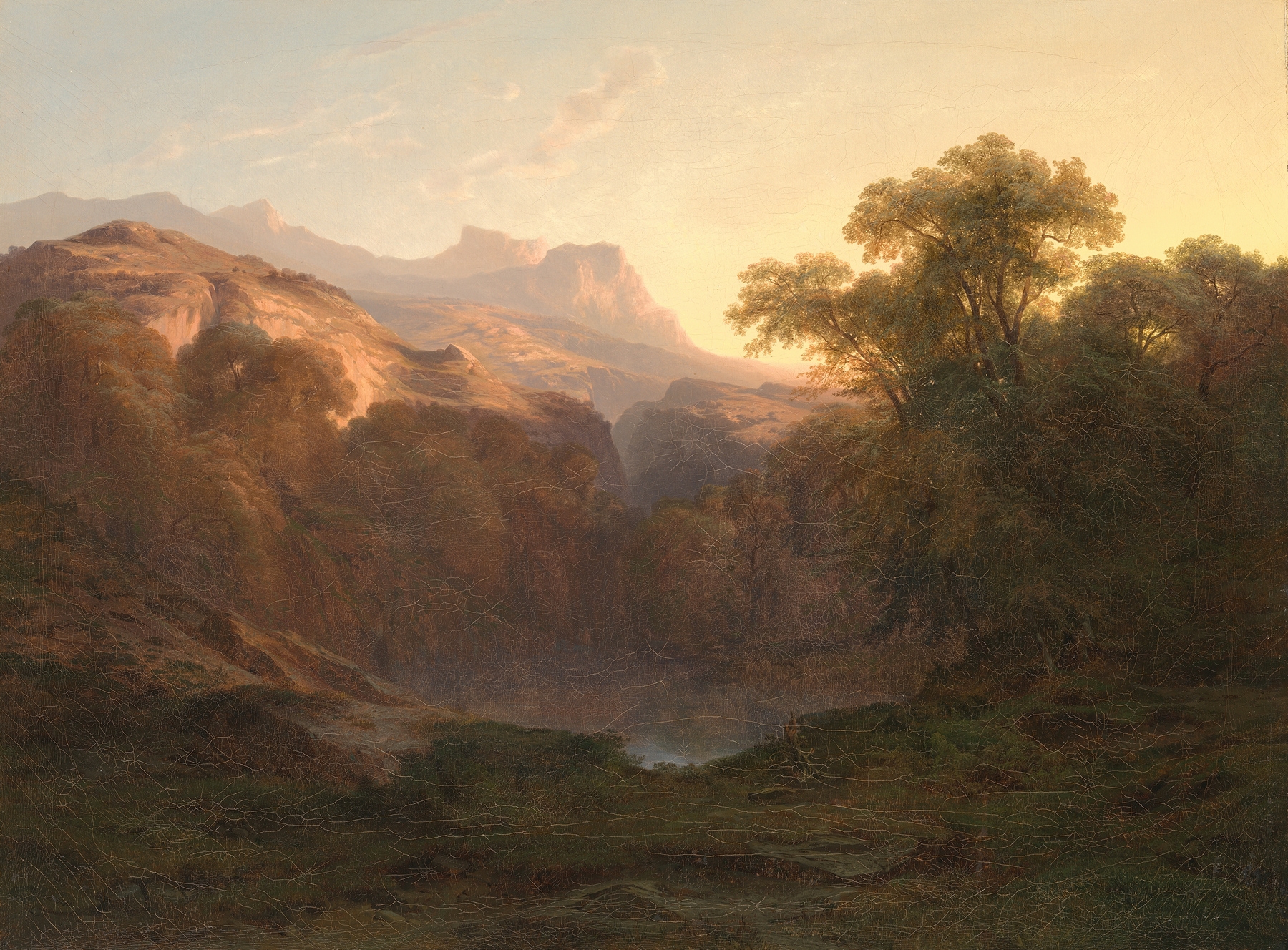
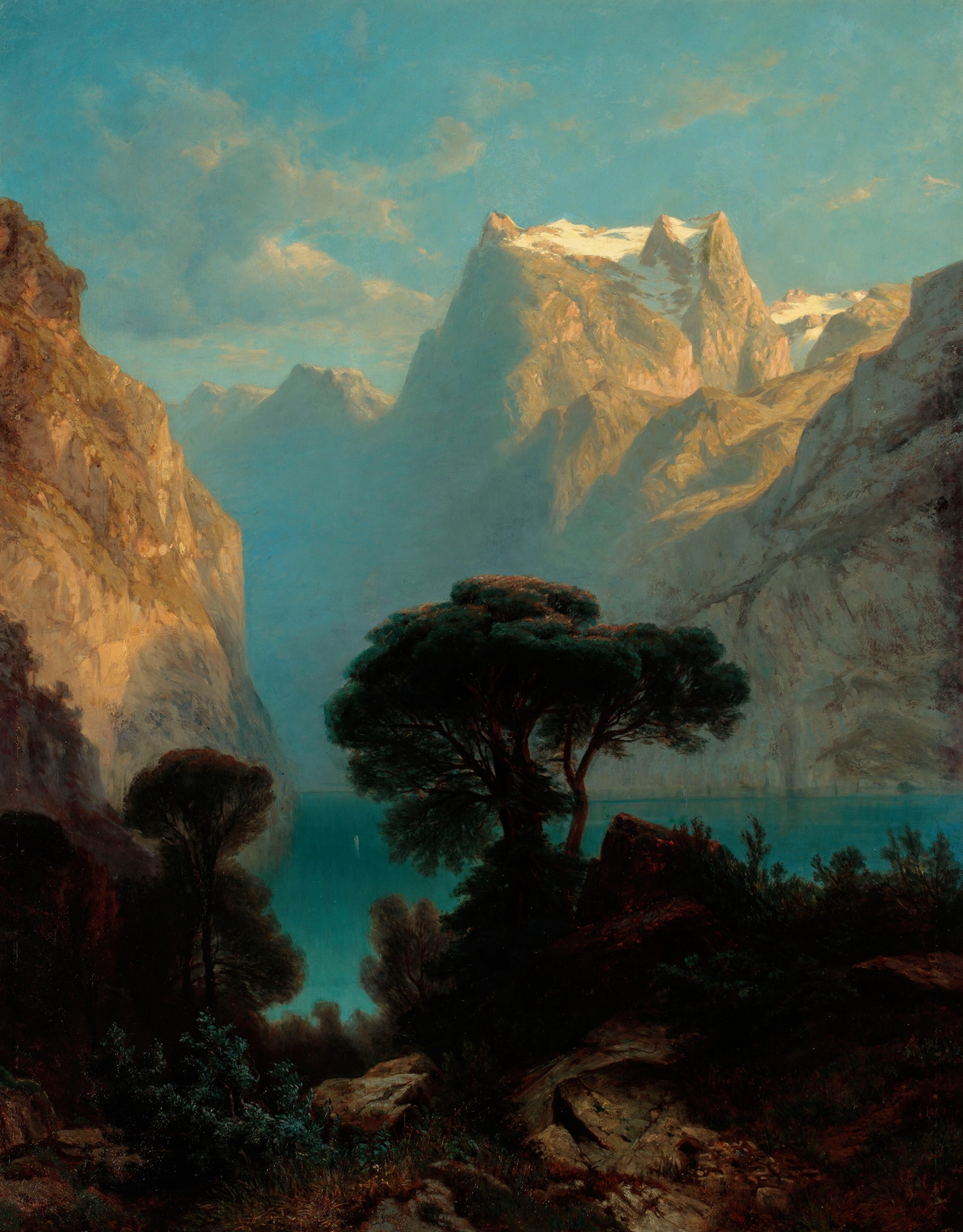
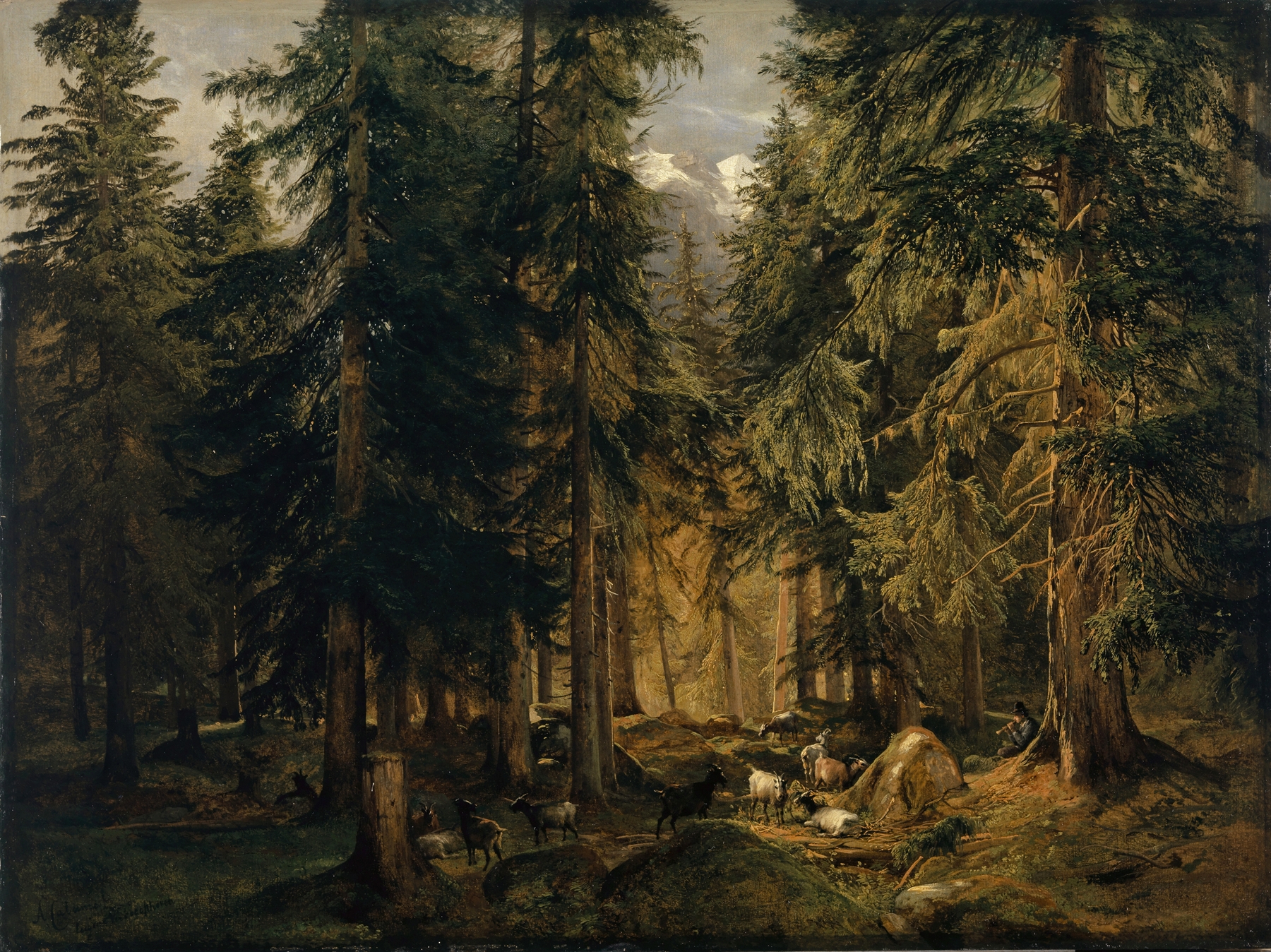
Who listens when art speaks of silence? In Forêt de Sierre en Valais, tranquility envelops the viewer, inviting a moment of deep reflection in the vast solitude of nature. Look to the center of the canvas, where towering trees emerge from a gentle, dappled light that filters through their branches. The verdant greens and earthy browns are beautifully rendered, showcasing Calame's masterful brushwork.
Notice how the interplay of light and shadow crafts a rhythmic pattern, guiding your gaze upward, creating a sense of depth and elevation. Each leaf and bark texture suggests a tactile quality, urging you to reach out and touch the stillness that surrounds the scene. As you linger on the edges of this forest vista, the contrast between light and dark hints at the emotional void often found in nature's unyielding presence. The absence of human figures amplifies the stillness, creating a profound sense of solitude and contemplation.
Yet, the underlying vibrancy of the landscape hints at life, suggesting that even in quietude, there lies a pulse—a silent conversation between earth and sky. Created in 1843, this work came at a time when Alexandre Calame was establishing his reputation as a leading landscape painter in Switzerland. Immersed in the Romantic movement, he sought to evoke the sublime beauty of nature, reflecting the growing interest in depicting the Swiss Alps and its breathtaking scenery. This painting captures not just a moment but an era, where nature began to be viewed as a source of inspiration and introspection in an increasingly industrial world.