Frankfurt Main Station — History & Facts
Did the painter know this moment would outlive them? In a world spun into chaos, the echoes of a tumultuous era linger within the strokes of the canvas. Focus on the central figures, their postures frozen in urgent despair. Beckmann's use of stark contrasts highlights the starkness of human emotion amidst the crowded chaos. Notice how shadows loom over the passengers, an interplay of light and dark that mirrors not only the physical journey but the existential weight they carry.
The vibrant, clashing colors evoke a sense of disarray, pulling the viewer deeper into the fray of the Frankfurt Main Station's bewildering energy. As you delve into the details, the faces of the individuals become poignant reflections of a society grappling with uncertainty. Each expression reveals layers of fear and hope, while the tension between the bustling crowd and the isolated figures accentuates a sense of collective anxiety. The fragmented composition speaks to the fragmentation of life during wartime—each person a story, yet all are caught in the same chaotic moment of transit, yearning for connection amidst the dissonance. Max Beckmann created this work in 1943, while living in exile in the United States during World War II.
At this time, his artistic approach was heavily influenced by the turmoil of the era and the personal upheavals he faced. His return to themes of urban life and human struggle reflected not only his experiences but also the broader context of a world in conflict, where hope flickered through the chaos of despair.
More Artworks by Max Beckmann

The Synagogue in Frankfurt am Main
Max Beckmann

Actors
Max Beckmann
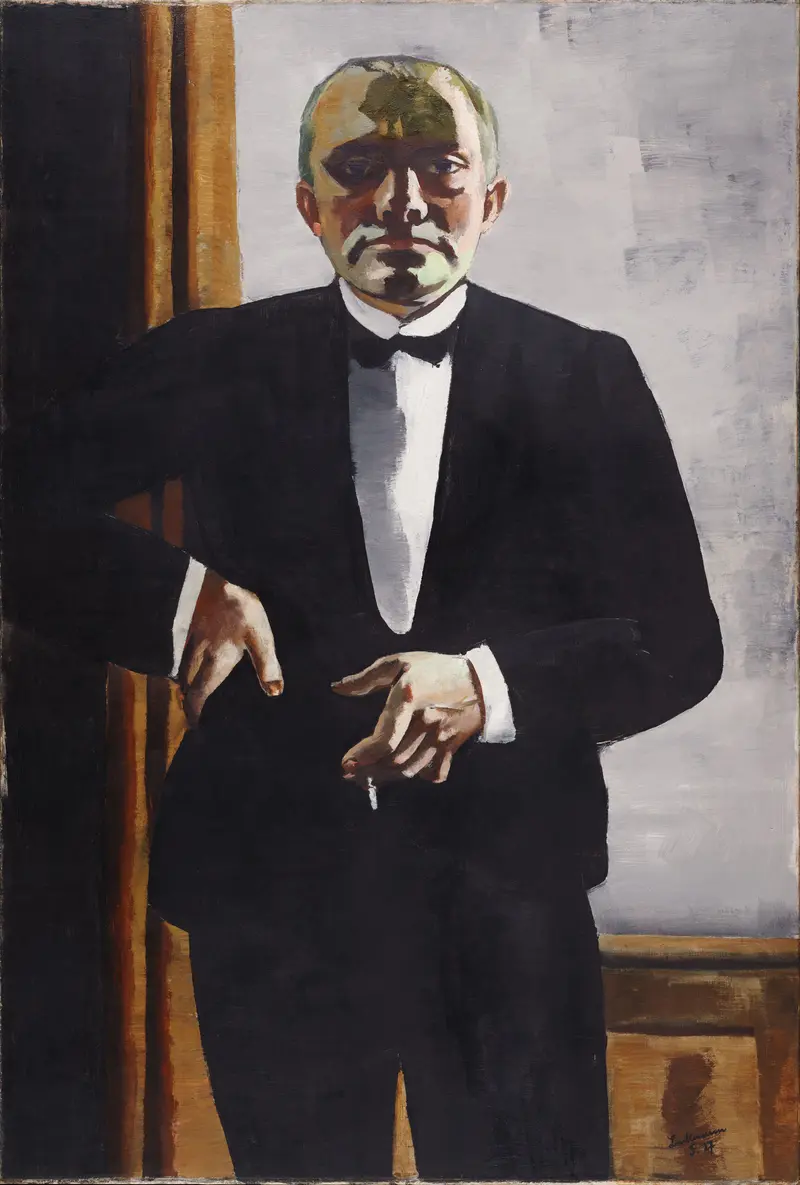
Self-Portrait in Tuxedo
Max Beckmann
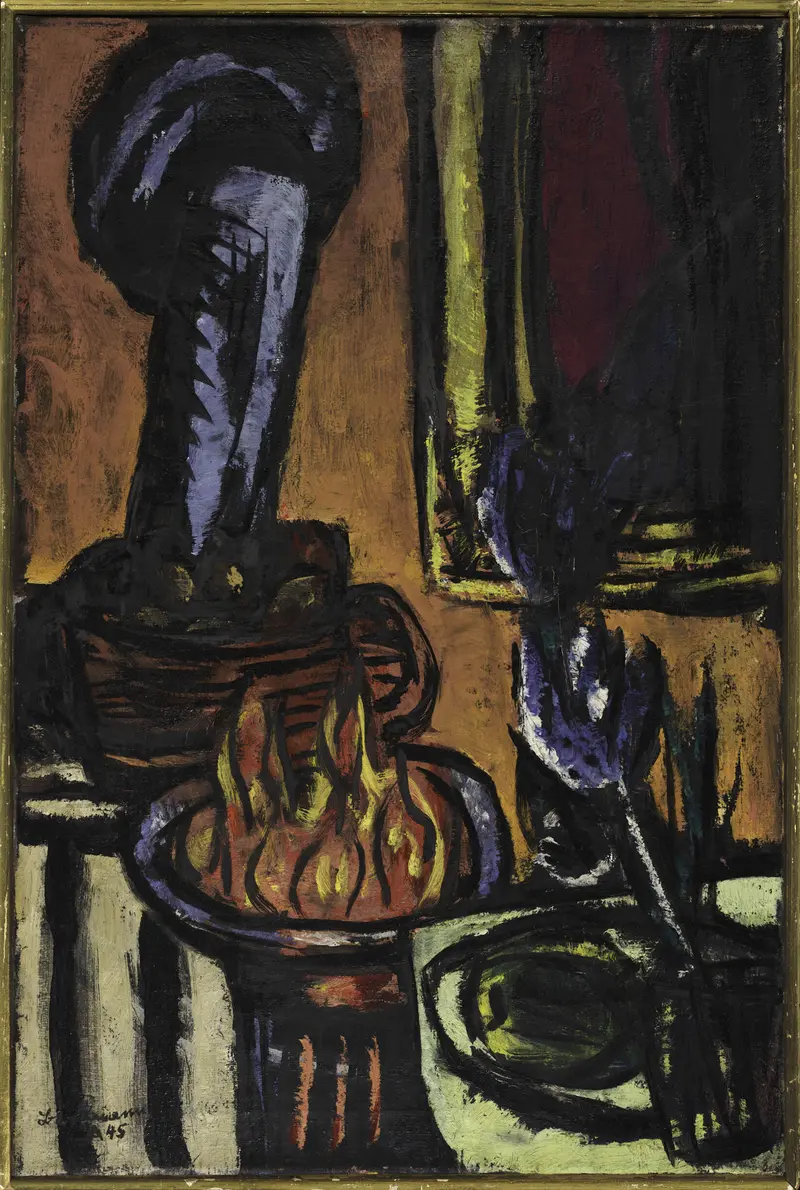
The Fire (Small Still Life)
Max Beckmann
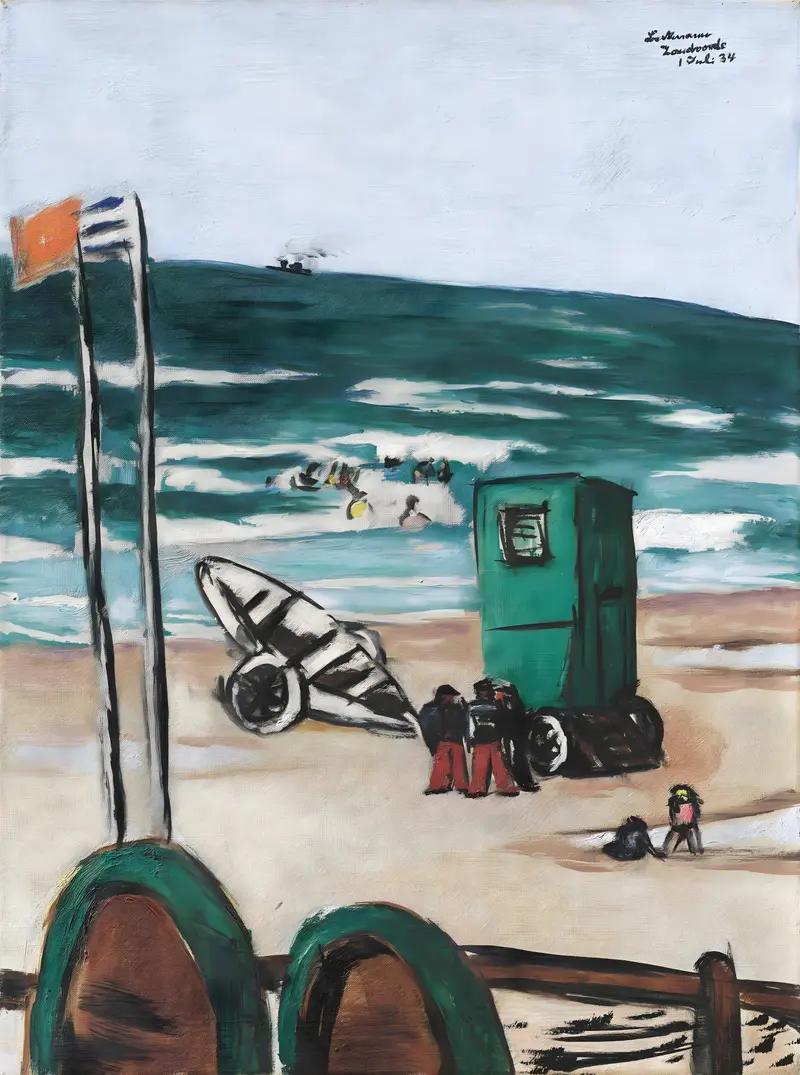
Badende mit grüner Kabine und Schiffern mit roten Hosen
Max Beckmann
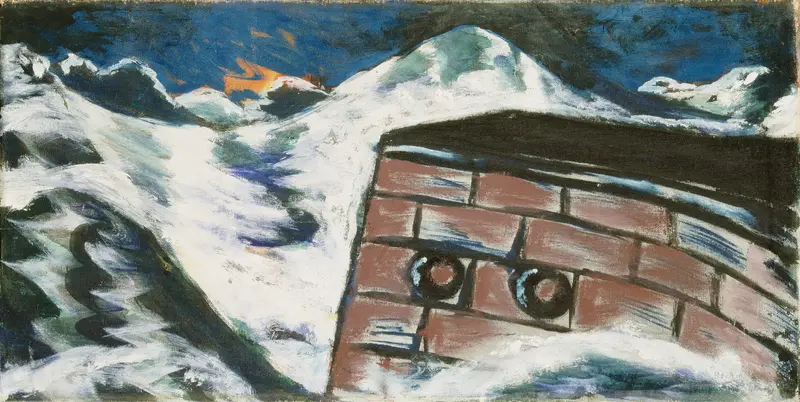
Quay Wall
Max Beckmann
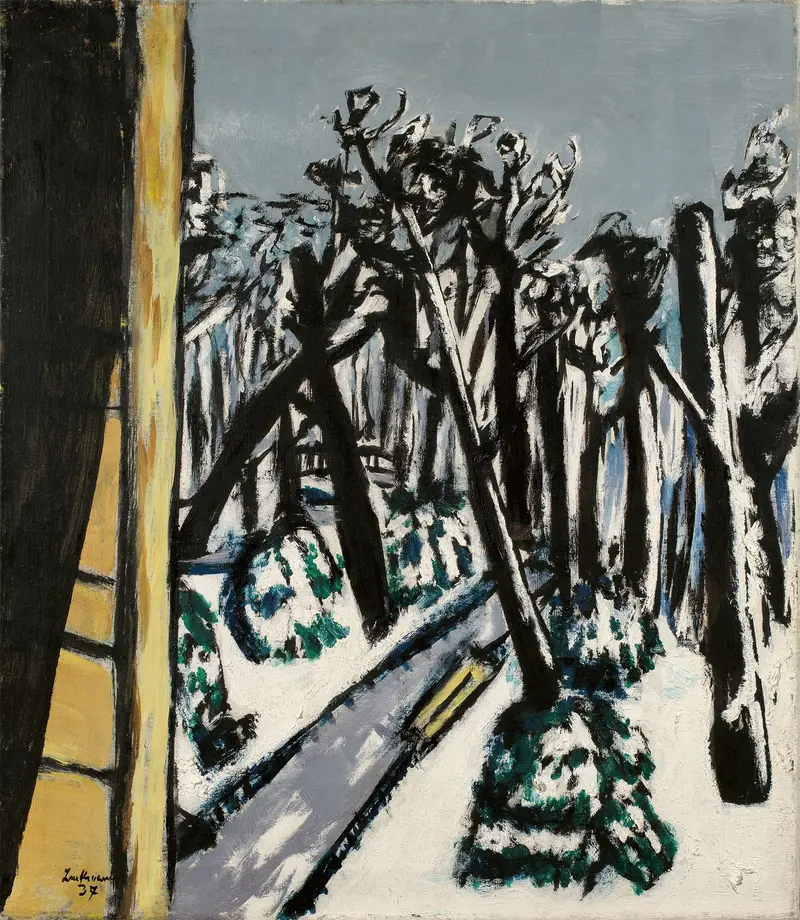
Tiergarten im Winter
Max Beckmann

Kleine Landschaft aus Bandol
Max Beckmann
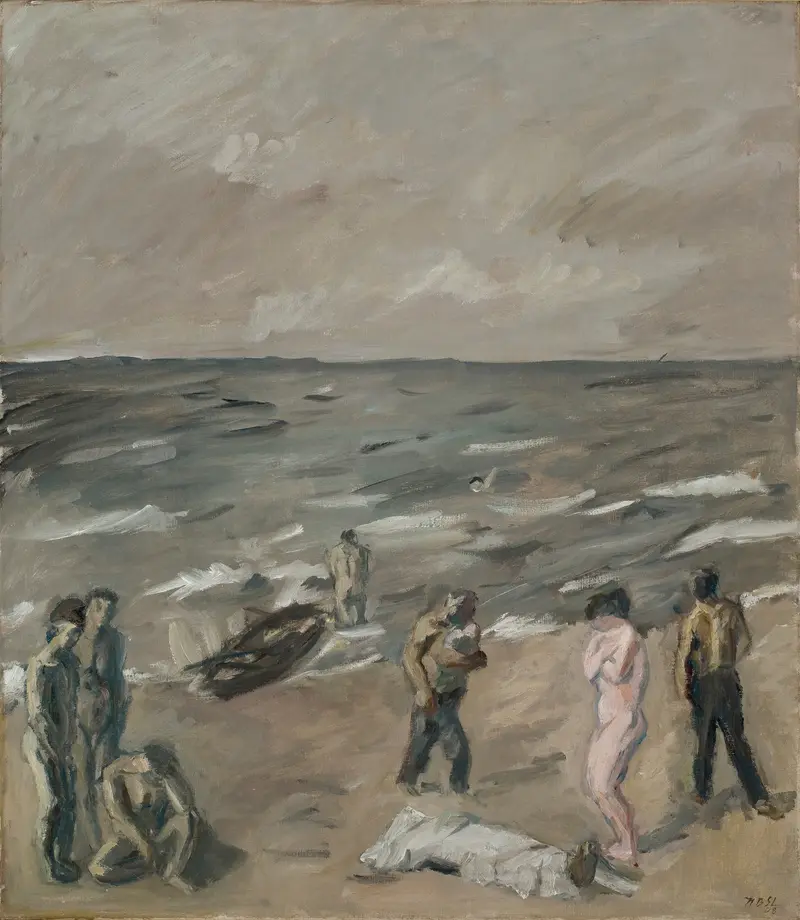
Shipwreck
Max Beckmann
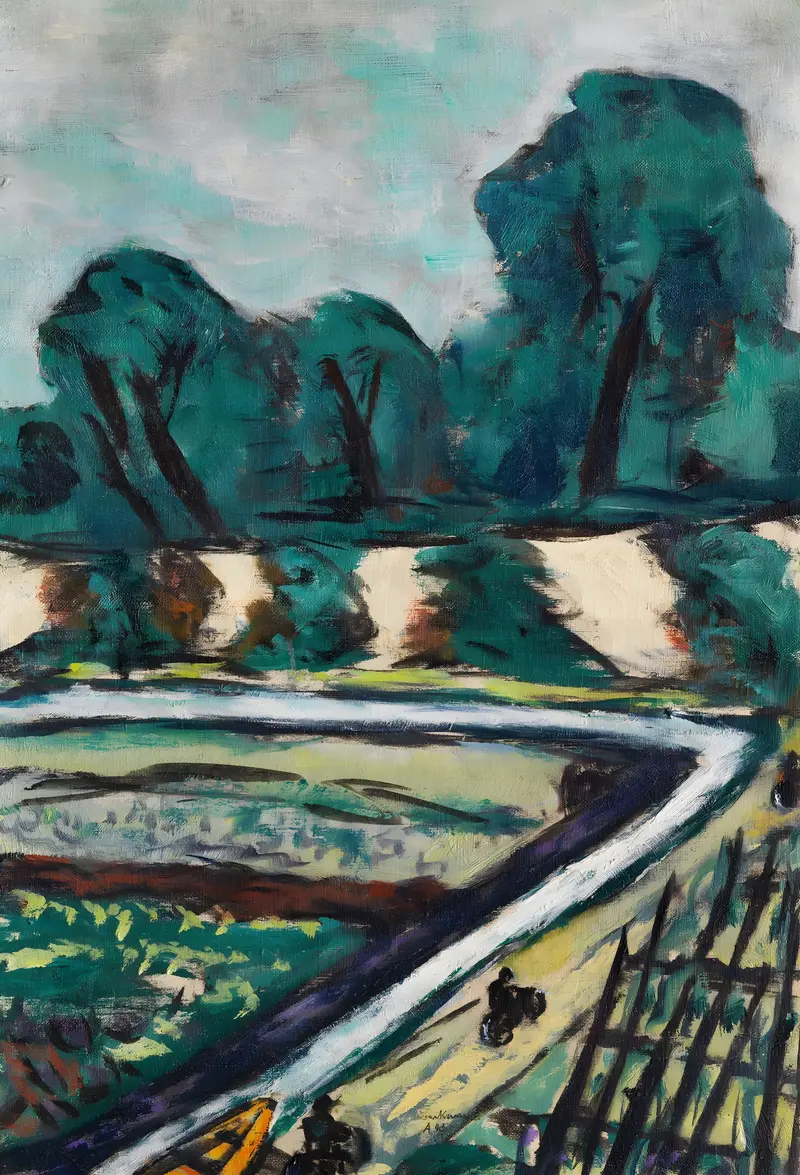
Holländischer Radfahrweg
Max Beckmann