Quay Wall — History & Analysis
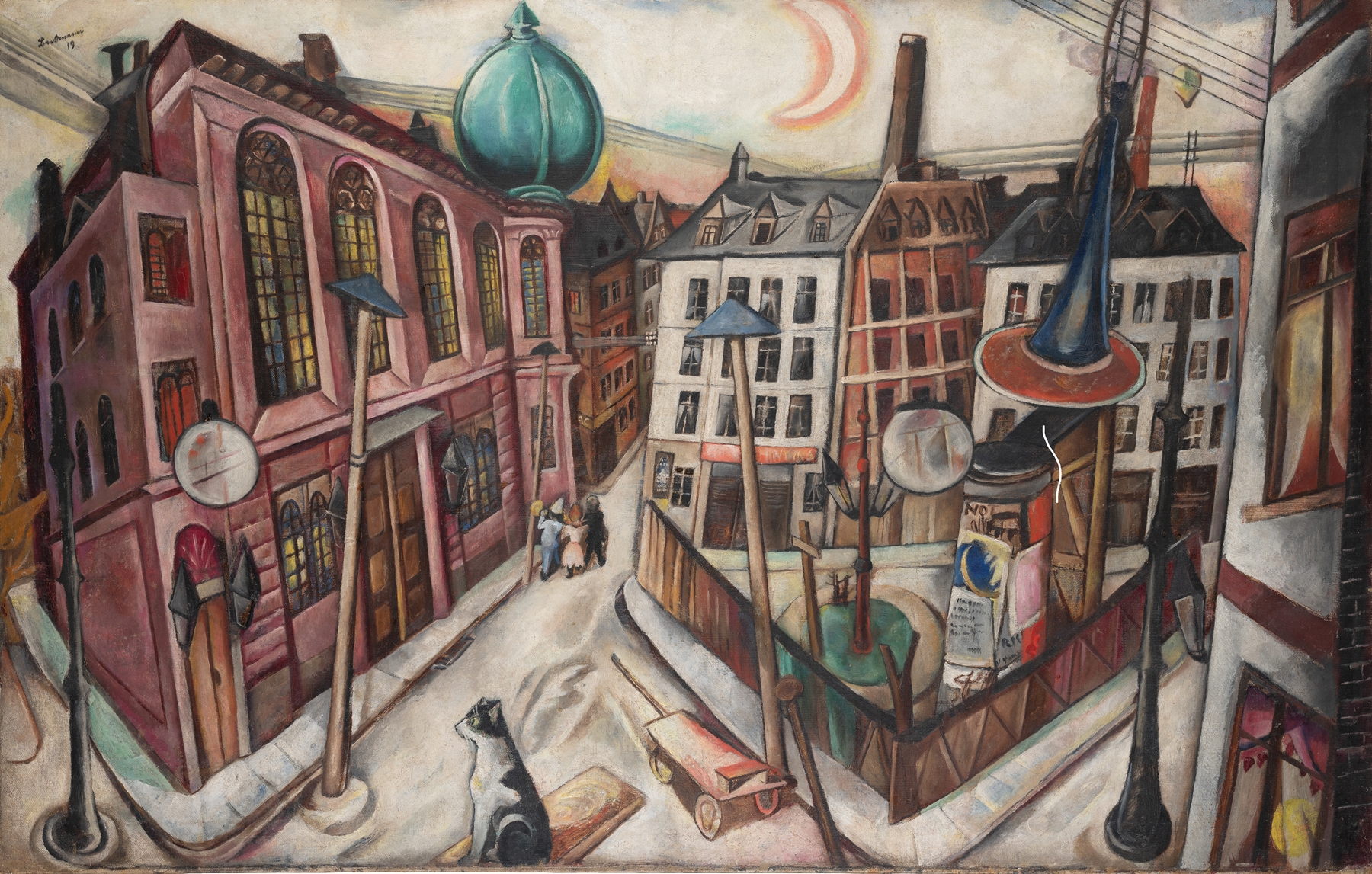
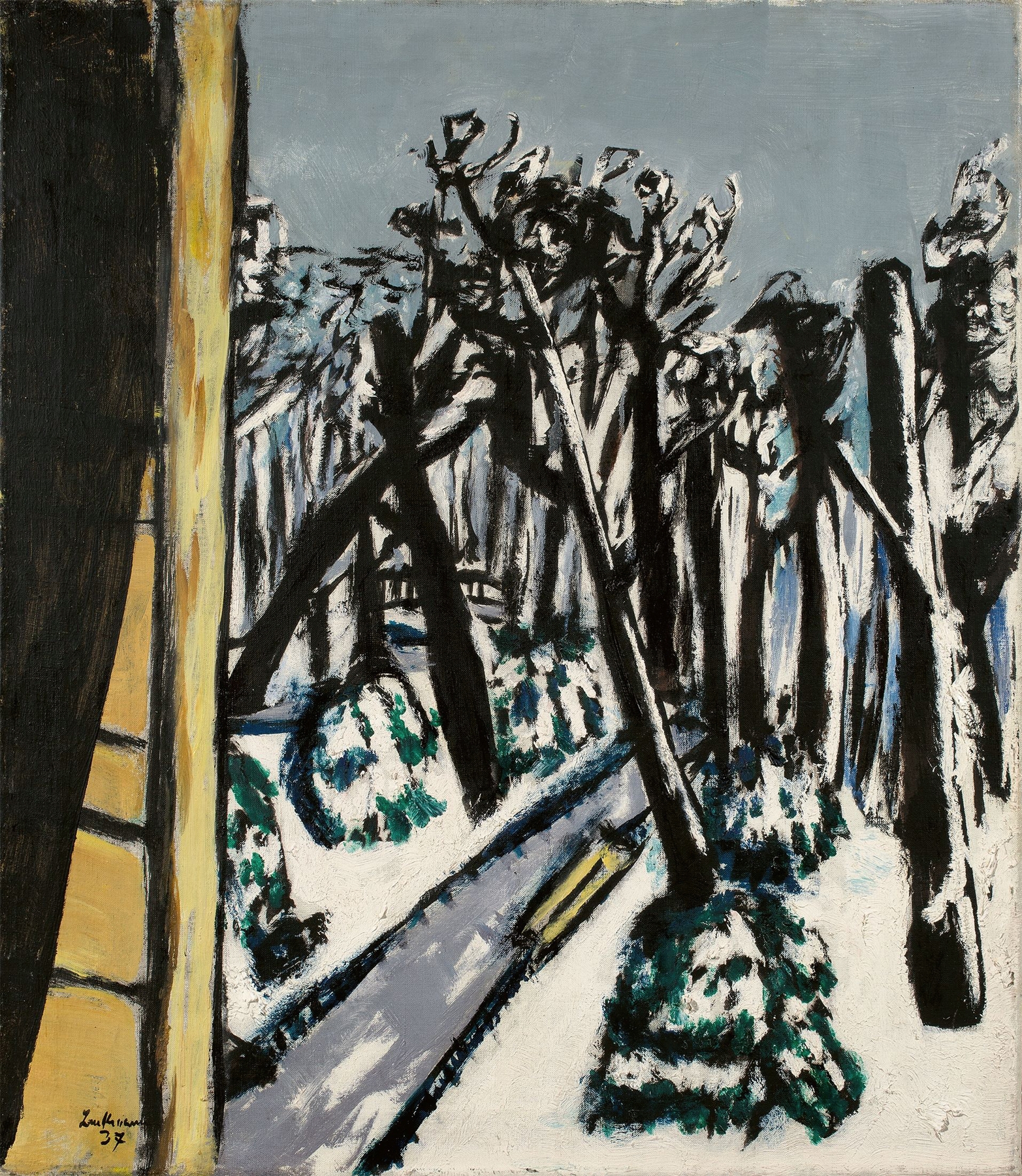
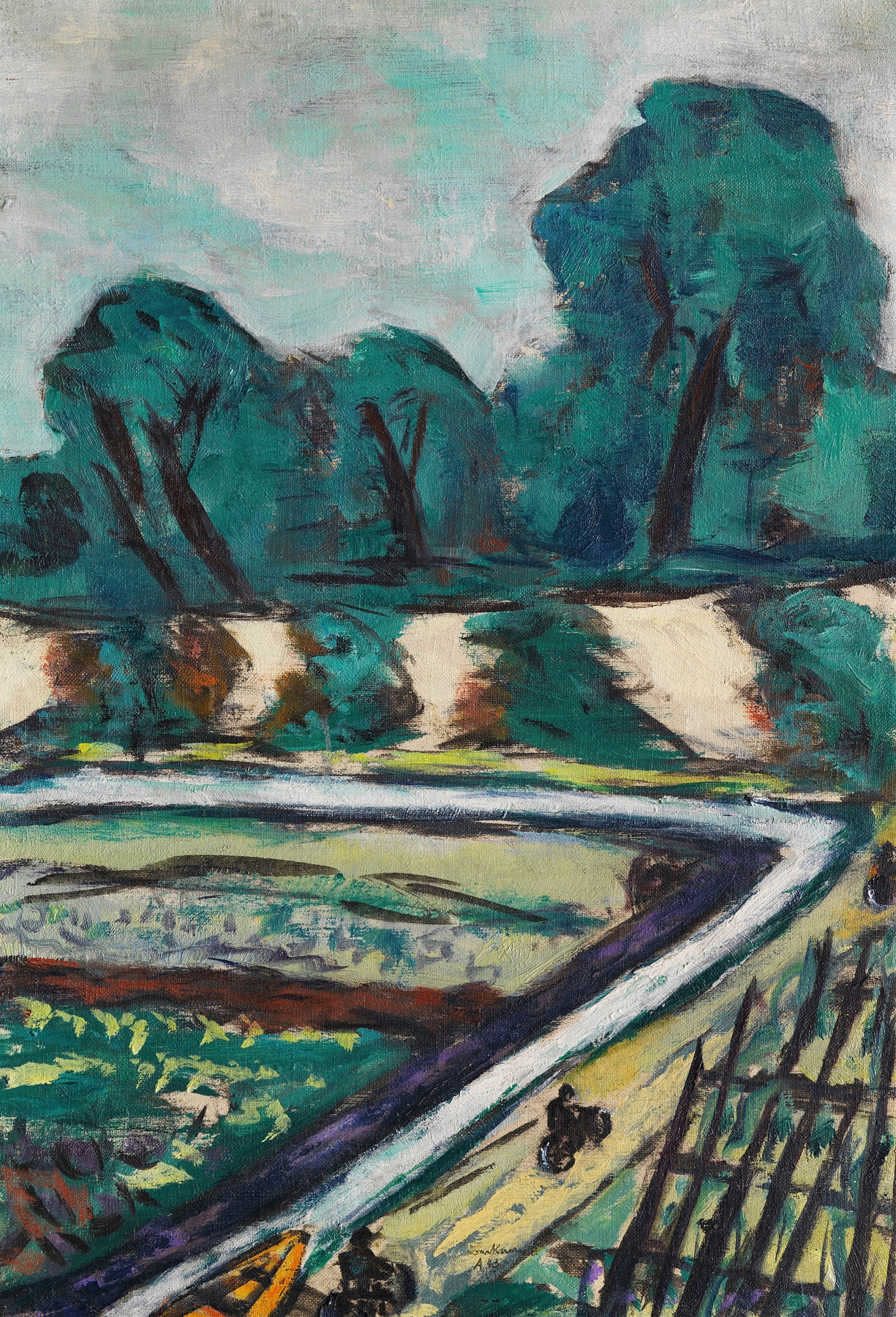
Is this a mirror — or a memory? In Quay Wall, the boundary between reality and reflection blurs, inviting the viewer to explore the depths of truth and psychological introspection. Look to the left at the dark, brooding figures that loom over the scene, their faces obscured by shadows. Notice how the stark contrast of the vibrant colors against the somber tones creates an unsettling tension. The horizontal lines of the quay, punctuated by the verticality of the figures, form a dynamic composition, leading your eye across the canvas.
The interplay of light and shadow serves not only to define the physical space but to evoke the emotional weight each figure carries. Beyond the immediate visual elements, the painting speaks to the isolation of the human experience. The figures stand disconnected, almost ghost-like, reinforcing a sense of estrangement in a world that feels both familiar and alien. The contrasting colors symbolize the duality of existence — vibrant life set against the backdrop of looming despair.
Each face, with its hidden expression, encourages contemplation of unseen layers of truth and memory. In 1936, Beckmann created this work in the tumultuous context of pre-war Europe, grappling with personal exile and the rise of fascism. Living in Amsterdam after fleeing Germany, he channeled his turbulent emotions into his art, transforming personal strife into universal themes. This period marked a significant evolution in his style, as he sought to confront the darkness of human existence through bold, expressive forms.