The Synagogue in Frankfurt am Main — History & Analysis
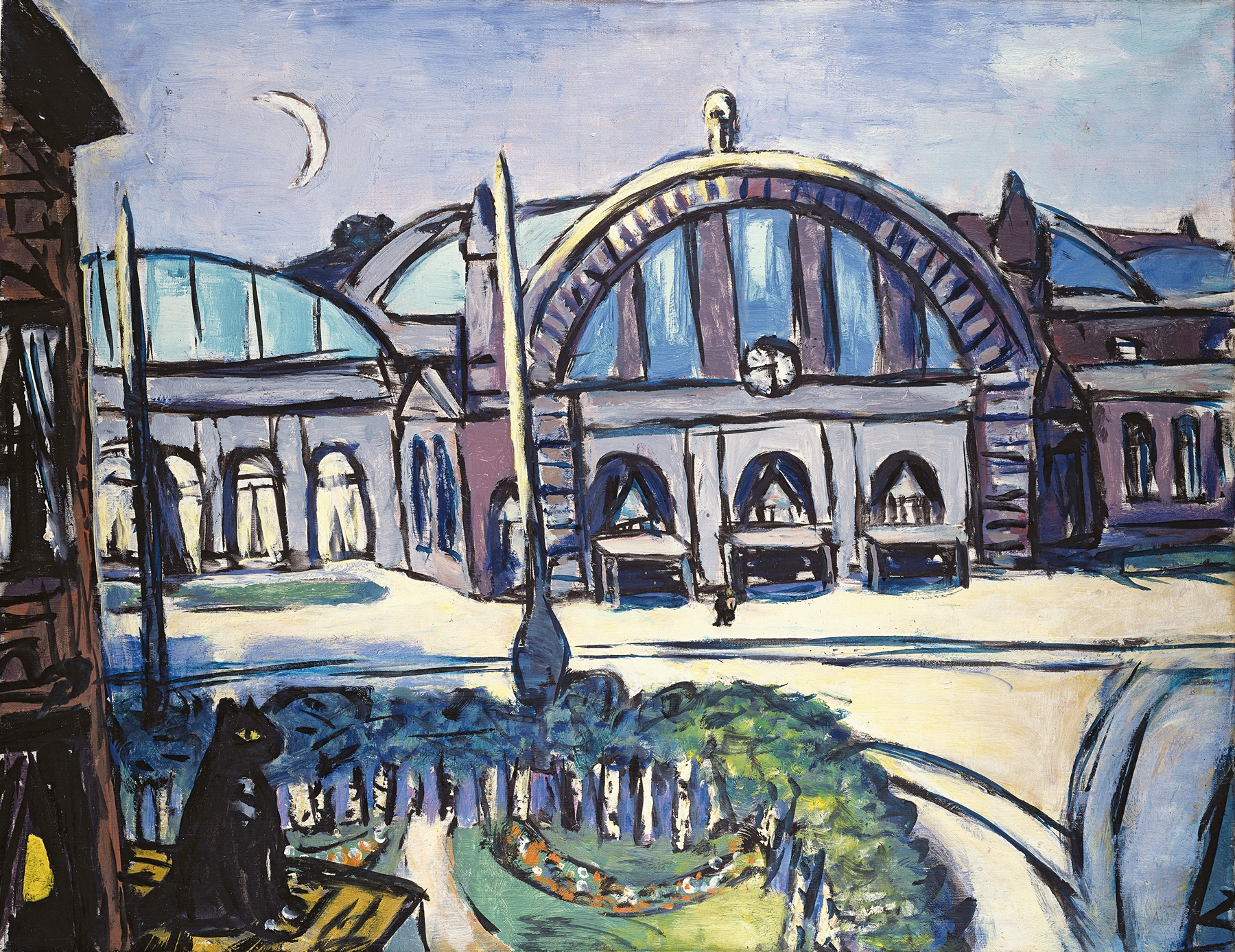
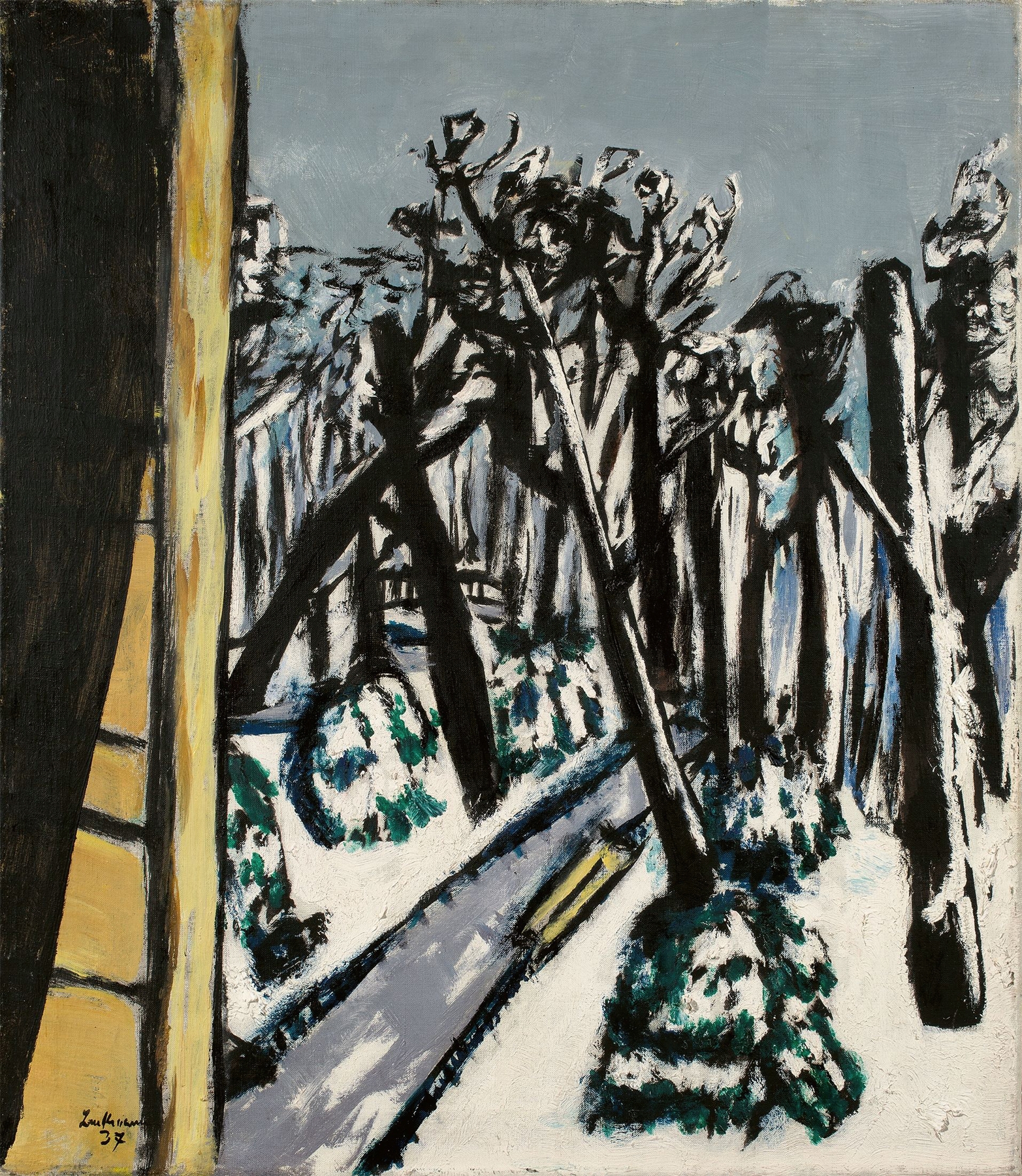
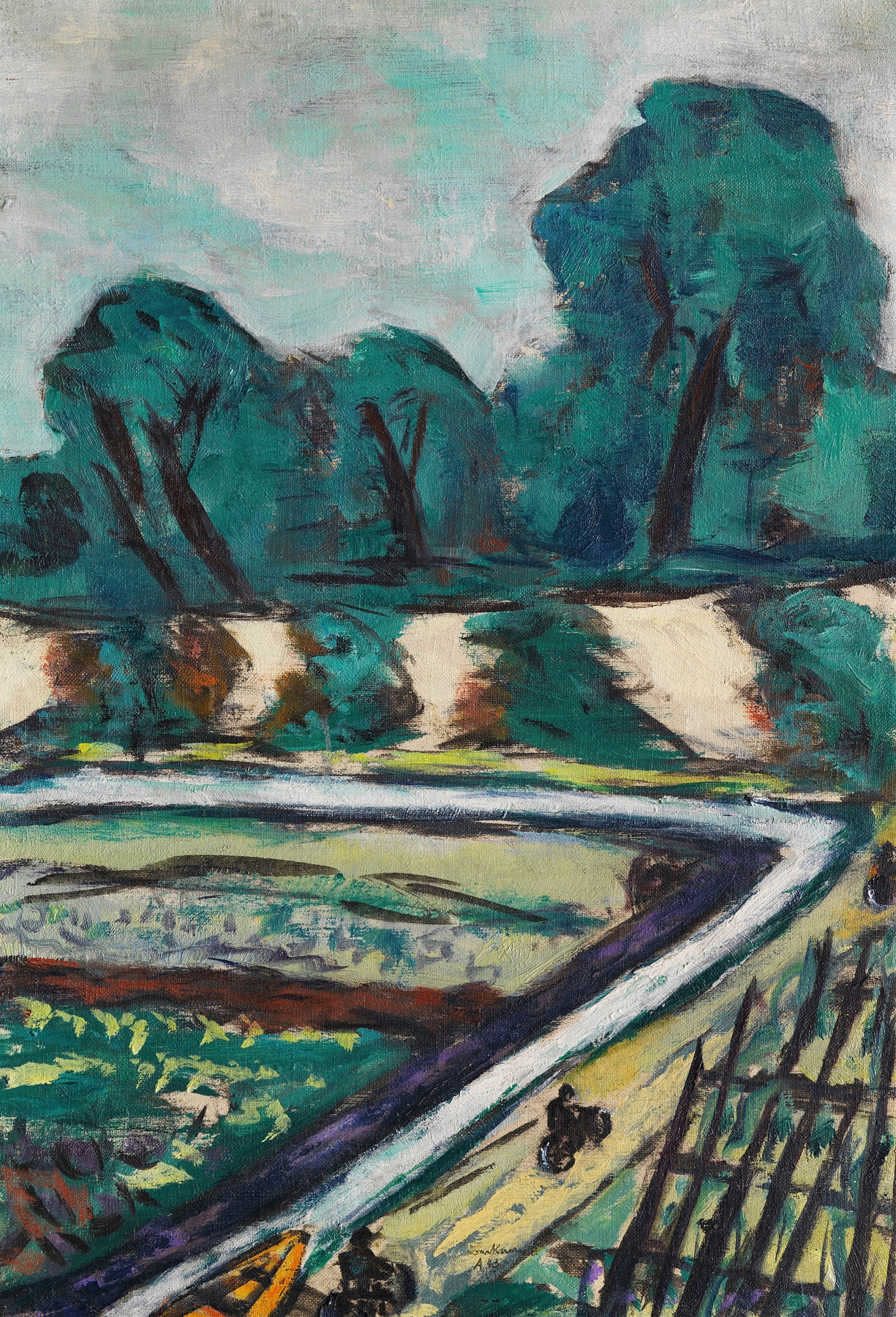
Who listens when art speaks of silence? Within the stillness of this painting lies a tension that teeters on the edge of madness, inviting us to explore the depths of despair and resilience. Look to the center, where the ornate, looming structure of the synagogue commands your attention. The interplay of light and shadow gives a sense of foreboding, with stark contrasts highlighting the intricate architectural details.
Notice how the dark, brooding colors dominate the canvas, immersing the viewer in a somber atmosphere, while flecks of brighter hues peek through, suggesting flickers of hope amidst turmoil. In this artwork, the synagogue acts as a symbol of both refuge and vulnerability. The solidity of the building juxtaposes the chaos swirling around it, evoking a sense of isolation. The sparse figures in the foreground, nearly spectral, whisper of loss and longing, their forms merged with the shadows.
Each brushstroke captures the emotional weight of the era; the painting serves as a haunting reminder of the fragility of faith and community during a time of upheaval. Created in 1919, the piece emerged from Beckmann’s own experiences in post-World War I Germany, a period marked by political instability and societal shifts. Living in a time when the art world was grappling with expressionism and the aftermath of conflict, he navigated personal and artistic crises, seeking to convey the complex emotions surrounding identity and loss. This painting, imbued with his profound insights, reflects not only his thoughts but the broader struggle of a society in search of meaning.