Tiergarten im Winter — History & Analysis
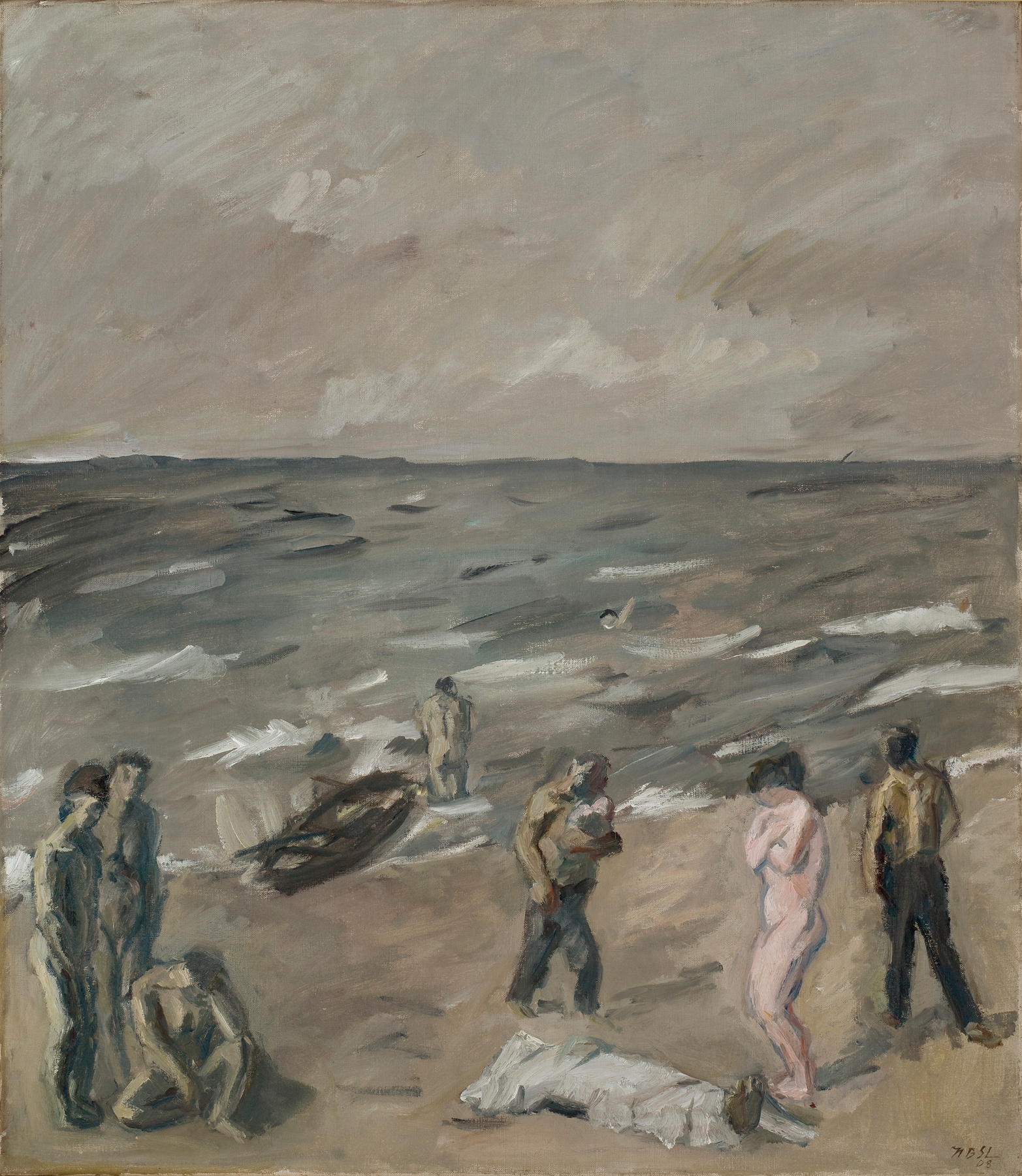
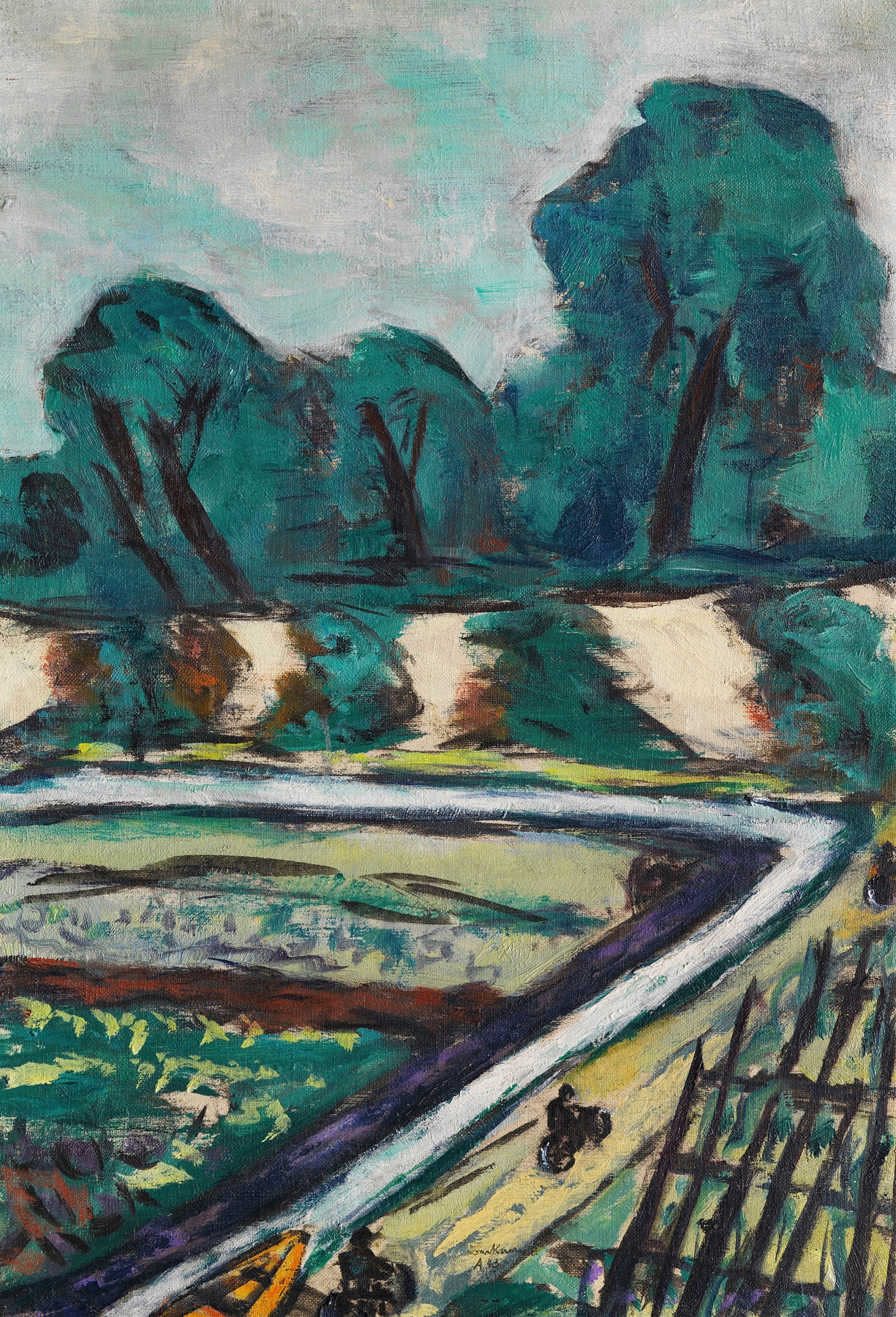
Who listens when art speaks of silence? In the stark, icy embrace of winter, a world lies suspended, caught between what was and what is yet to come. Look to the left at the skeletal trees, their branches reaching like anguished fingers toward a muted sky. The palette is dominated by somber grays and blues, yet a subtle warmth glows from the earth, hinting at life beneath the surface. Notice how the brushstrokes create an almost tactile sensation, imbuing the scene with a haunting stillness.
Each element — the bare trees, the distant figures wrapped in heavy coats — is rendered with a precise yet emotional touch, emphasizing the desolation that winter brings. The contrasts within this piece speak volumes. The vibrant energy of life, suggested through the hint of color in the ground, clashes with the starkness of the bare branches, echoing the tension of a society on the brink of change. The presence of the figures, though diminutive and wrapped in their own solitude, invites contemplation about the human condition amidst a chilling landscape, suggesting resilience in facing both nature and society’s upheavals.
In the midst of the silence, there is an unspoken urgency — perhaps a call for revolution against the coldness that envelops them. In 1937, Max Beckmann created Tiergarten im Winter while living in exile in Amsterdam, having fled the political turmoil of Nazi Germany. Daring to confront the realities of his time, he translated the chaos and disillusionment into his art. This period marked a significant shift in both his life and the art world, as he grappled with themes of alienation and existential crisis, reflecting the broader cultural anxieties of an era poised for transformation.