Frühling — History & Analysis
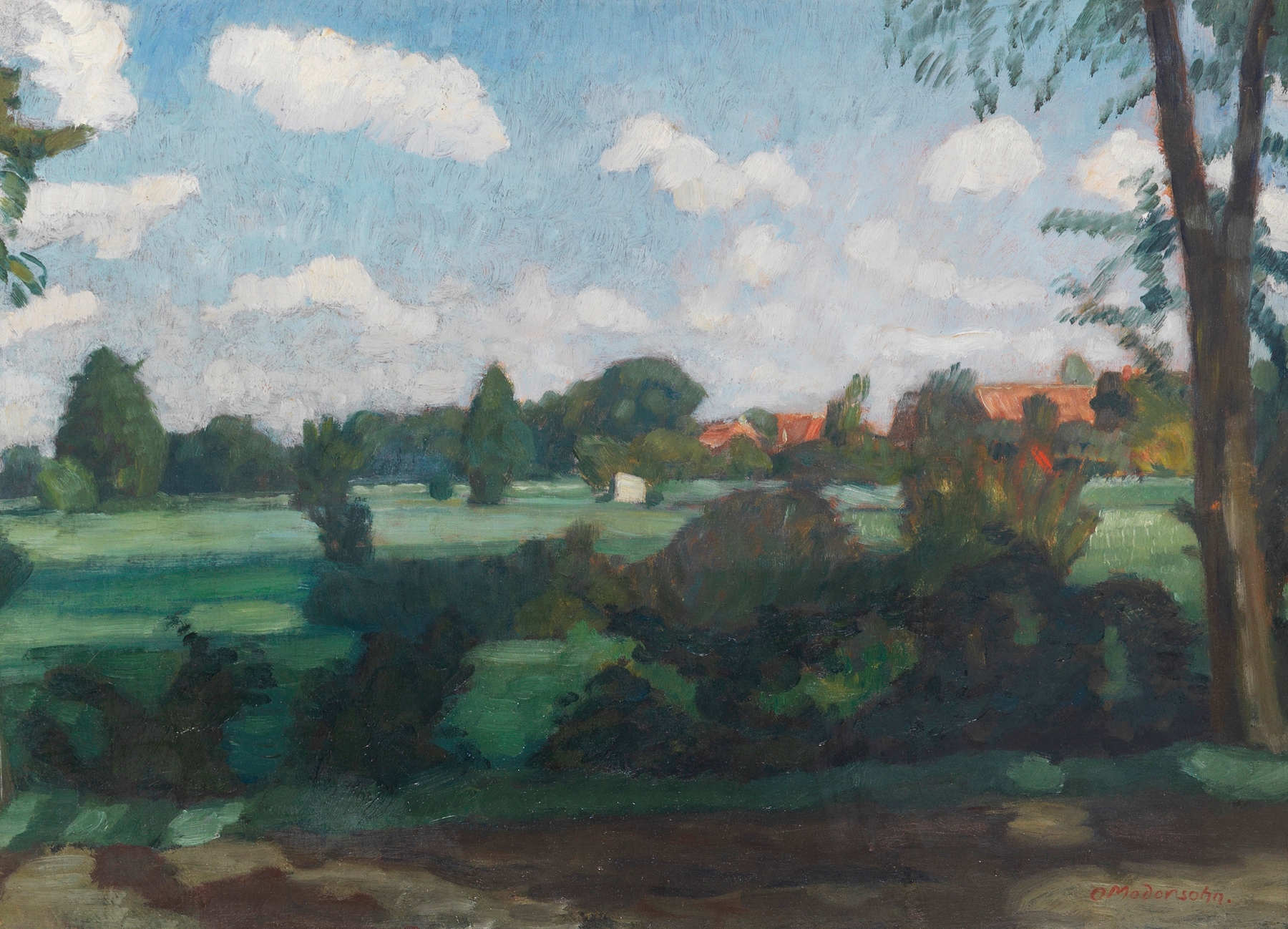
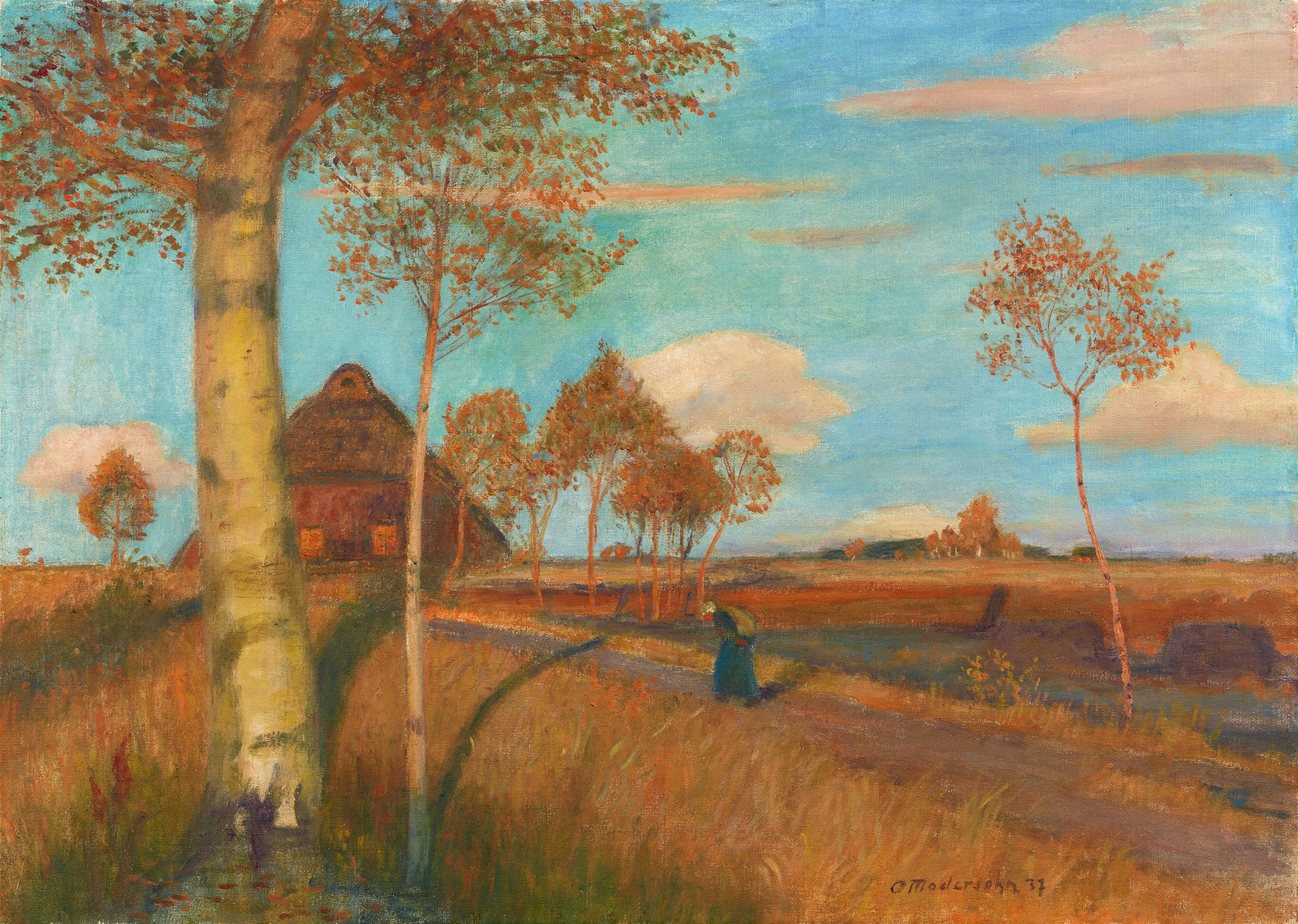
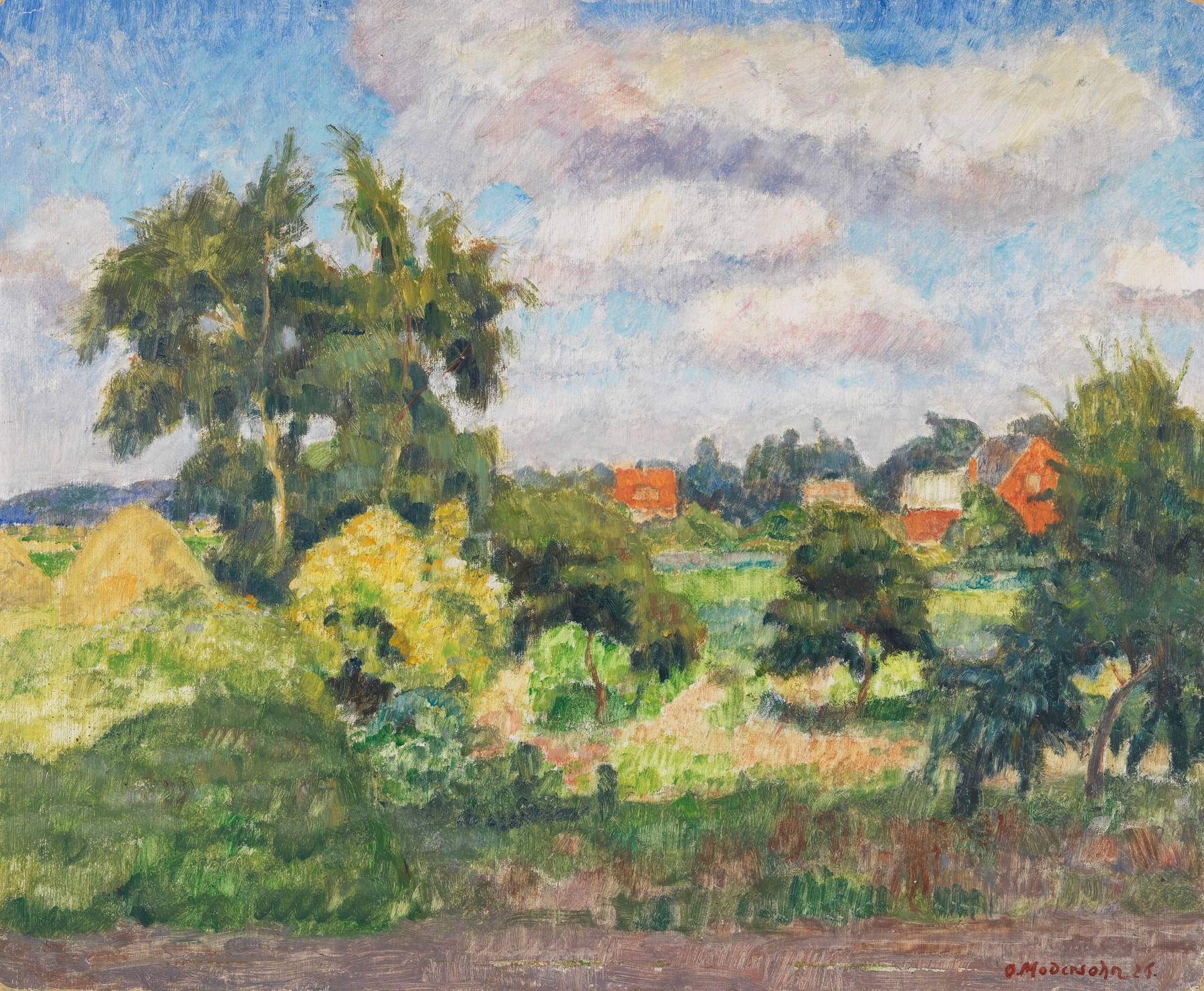
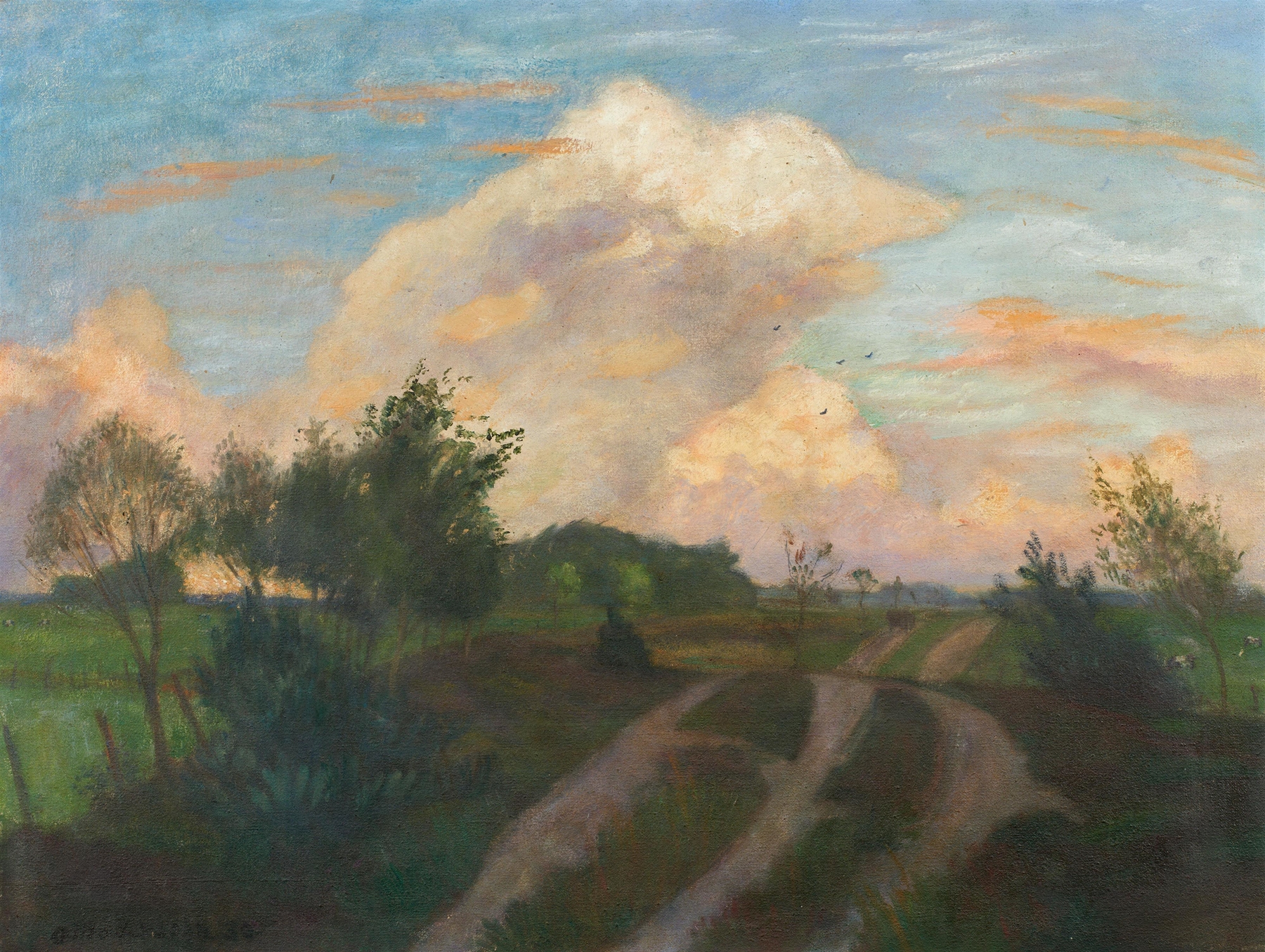
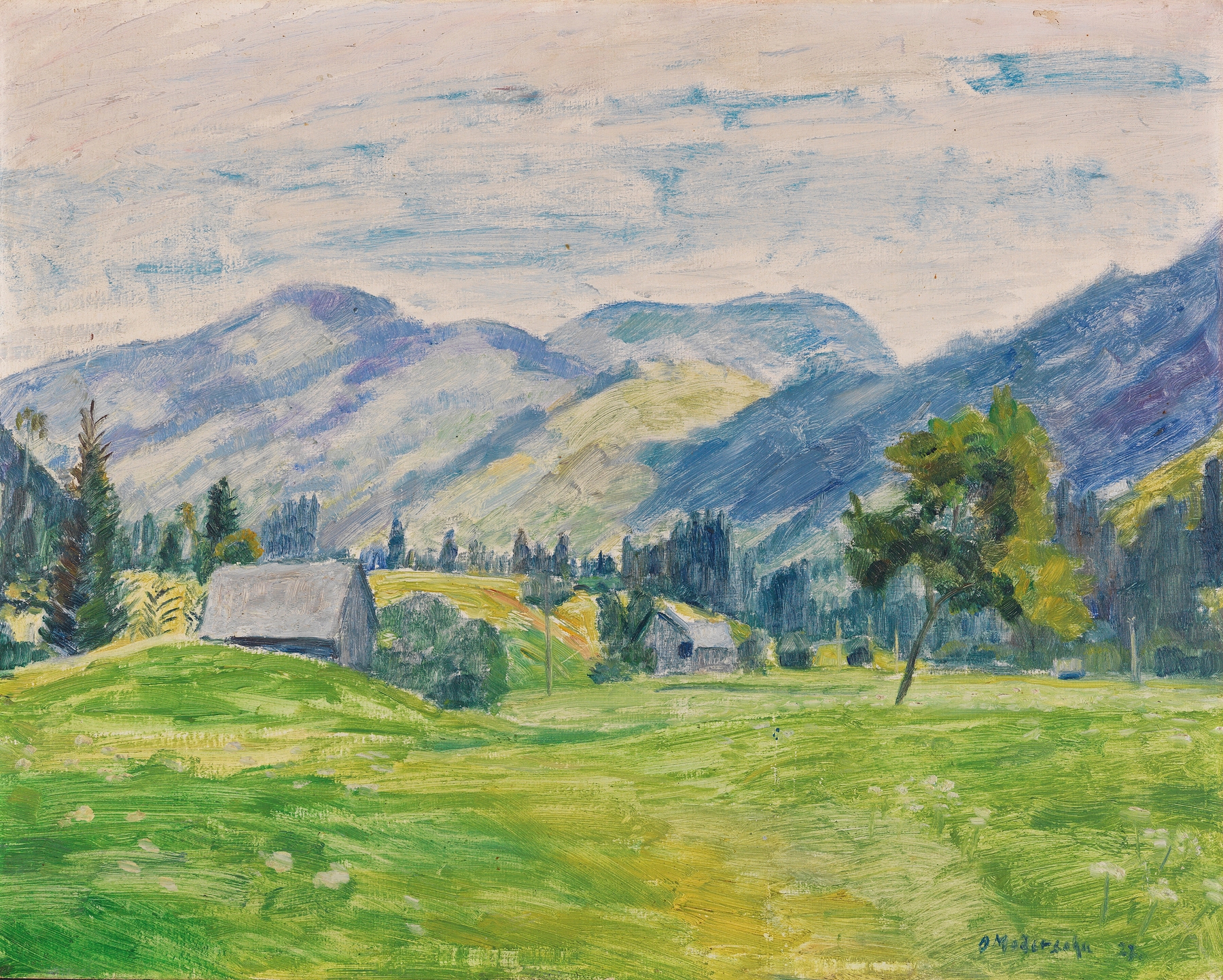
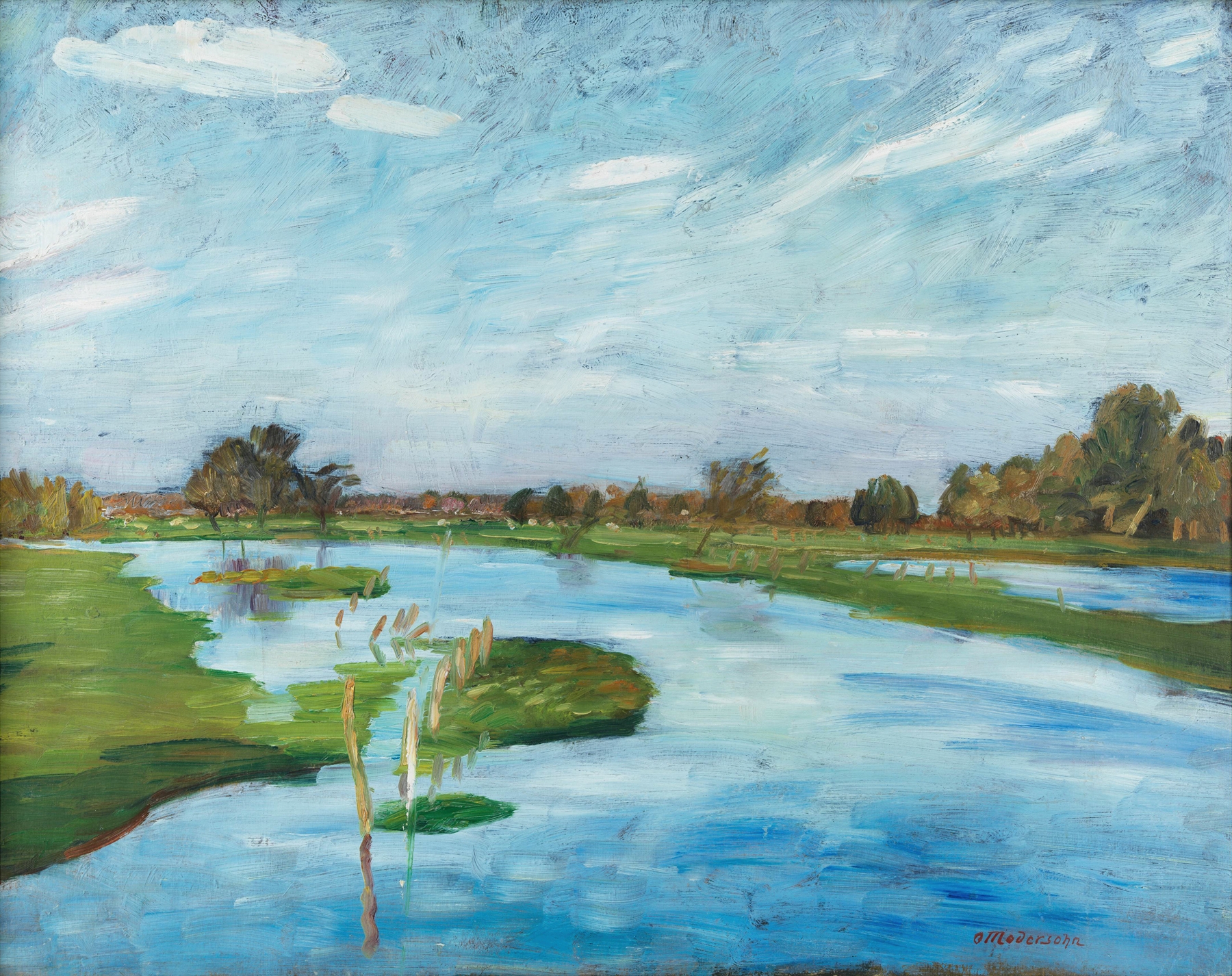
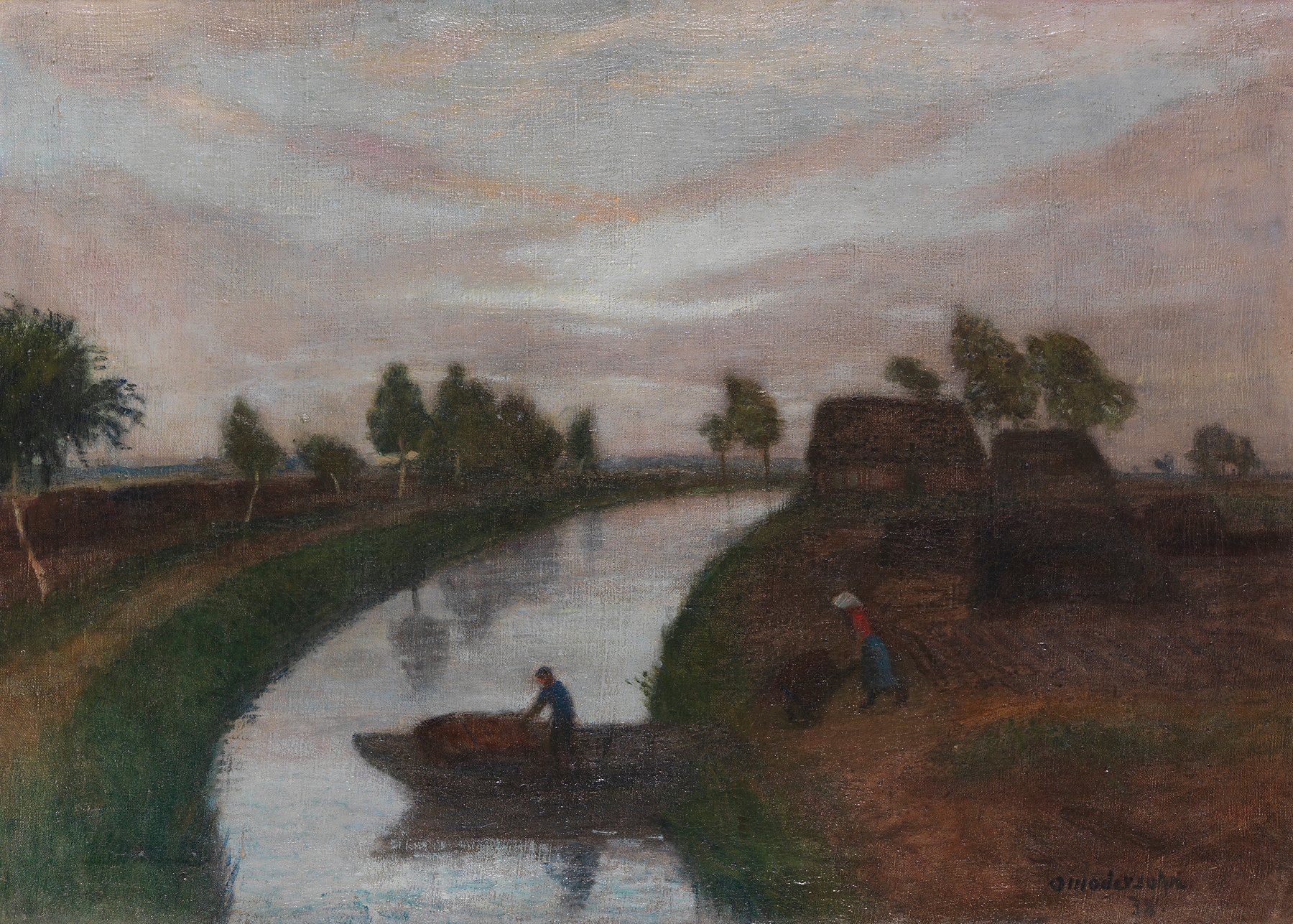
“Between color and silence, truth hides.” In moments of loss, the world shifts, revealing hidden depths and quiet echoes of the past. In Frühling, the viewer's gaze is immediately drawn to the lush greens that dominate the canvas, as if spring itself breathes life into the scene. Look to the left; you’ll find delicate blossoms unfurling beneath the warm embrace of the sun, their soft hues juxtaposed against the shadows that linger. Each brushstroke vibrates with the rhythmic pulse of nature, yet there is a haunting stillness, an absence that punctuates the colorful blooms and verdant grass.
Beneath the vibrant exterior lies a poignant tension; the juxtaposition of life and loss resonates deeply here. The flourishing landscape whispers of renewal, yet the muted tones in the background suggest remnants of what once was — a fleeting celebration overshadowed by inevitable change. Each flower bursts forth as a testament to beauty, while the encroaching shadows remind us that even spring must surrender to winter's chill.
Otto Modersohn painted Frühling in 1927 while living in the serene surroundings of Fischerhude, Germany. At this time, he was deeply influenced by the German Expressionist movement and the emotional landscape it sought to convey. The interplay of light and dark in this work reflects his personal journey, as he grappled with the complexities of life and loss amidst a shifting artistic landscape.