Furt in südlicher Landschaft — History & Analysis
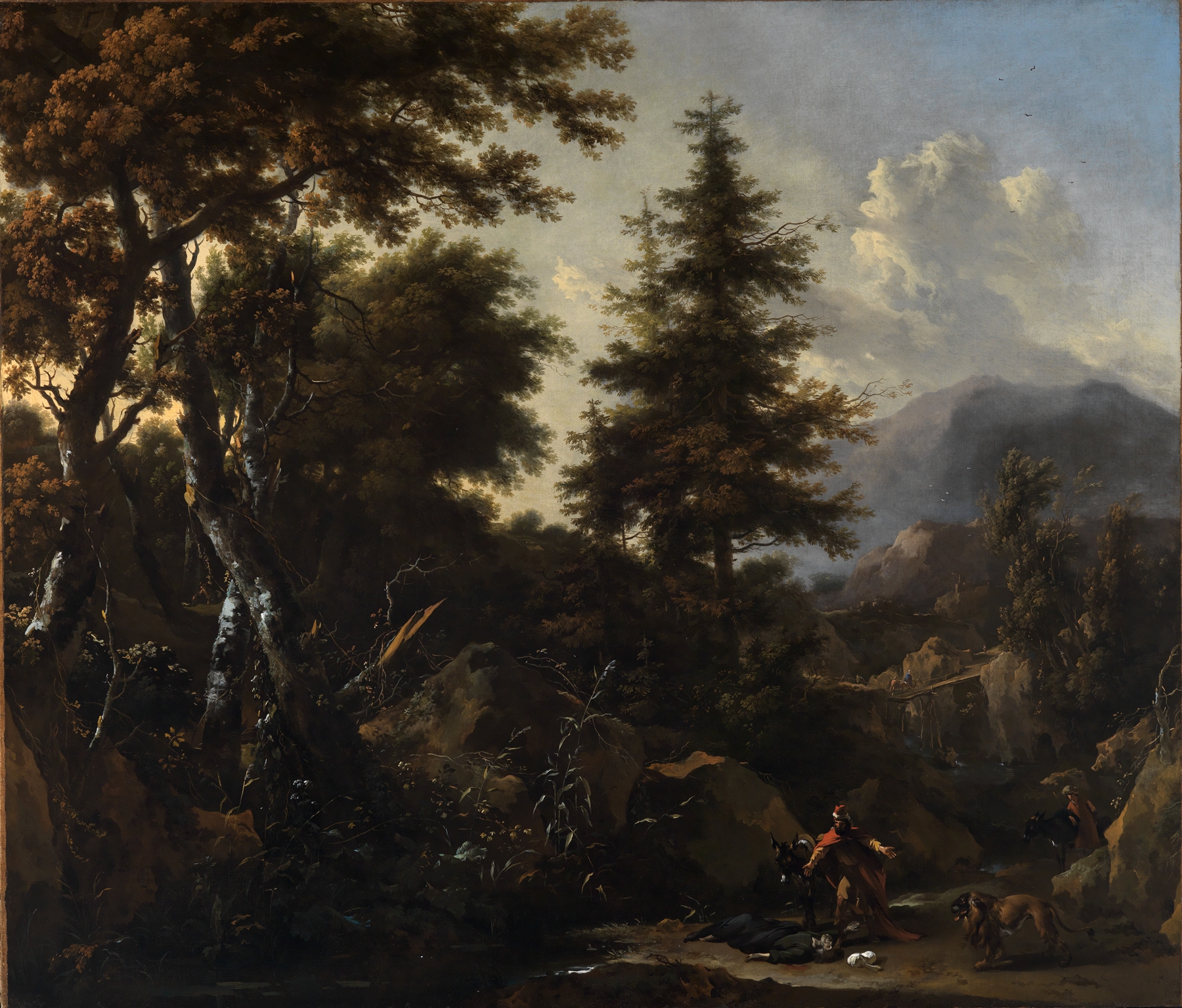
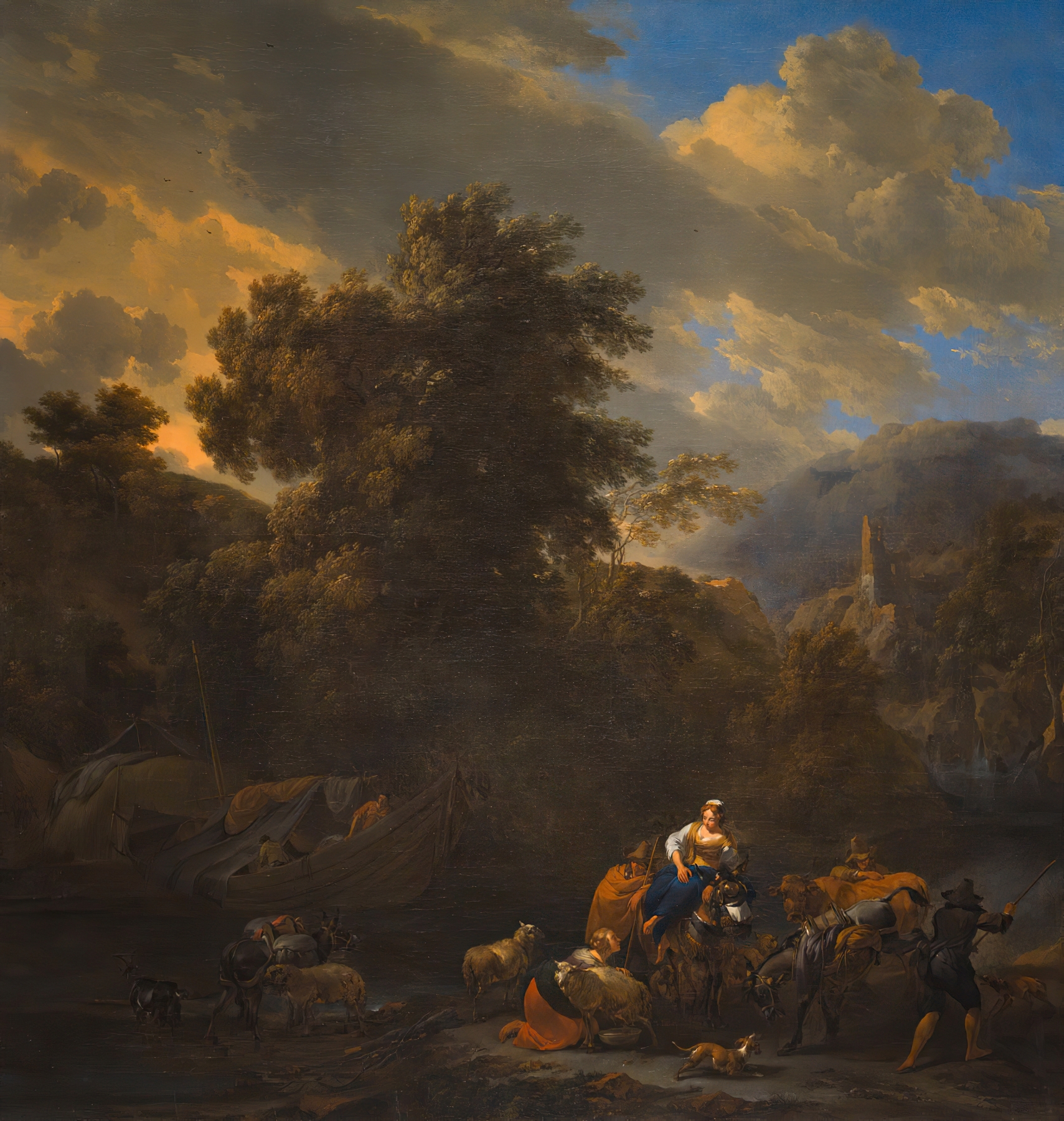
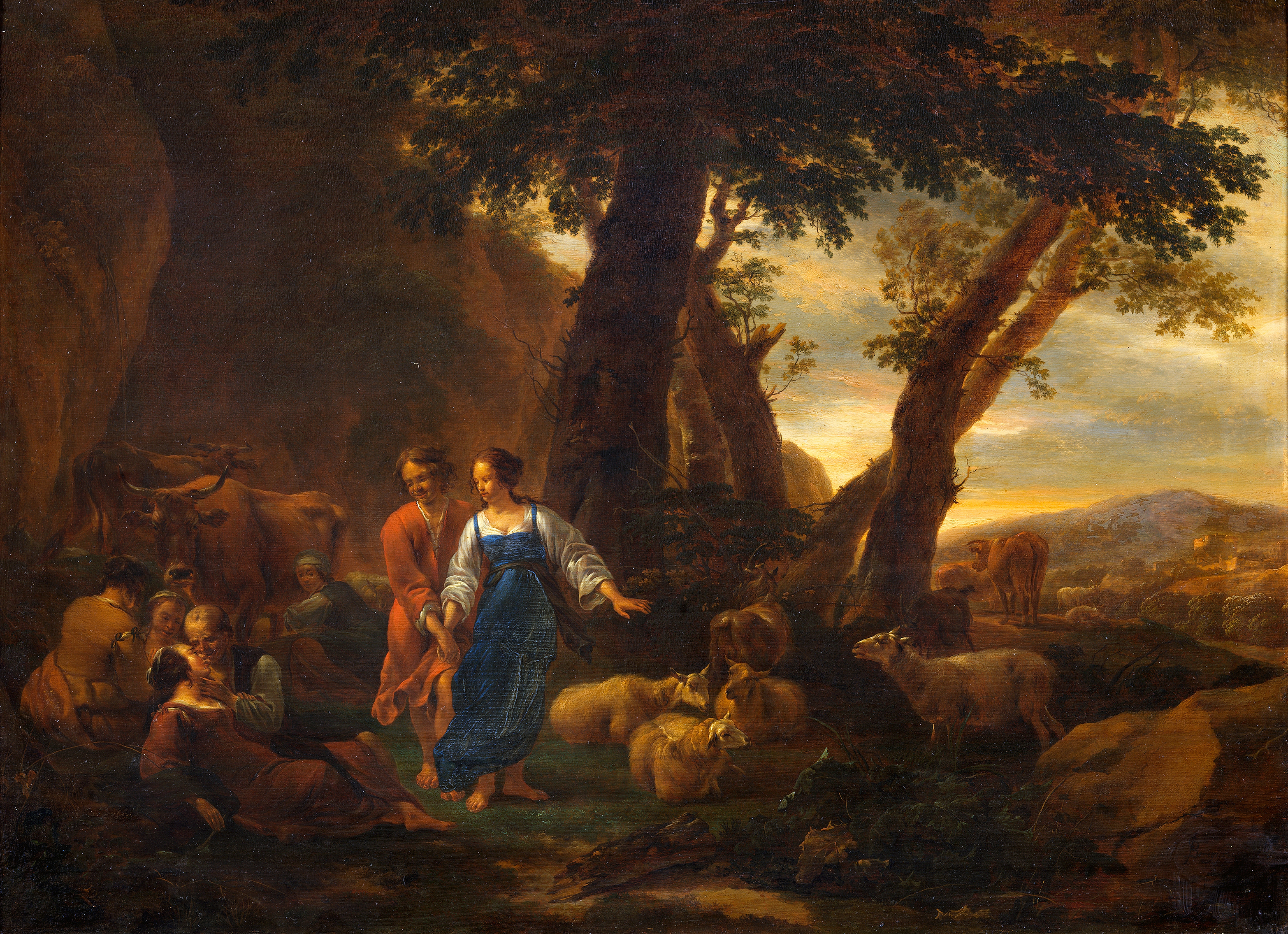
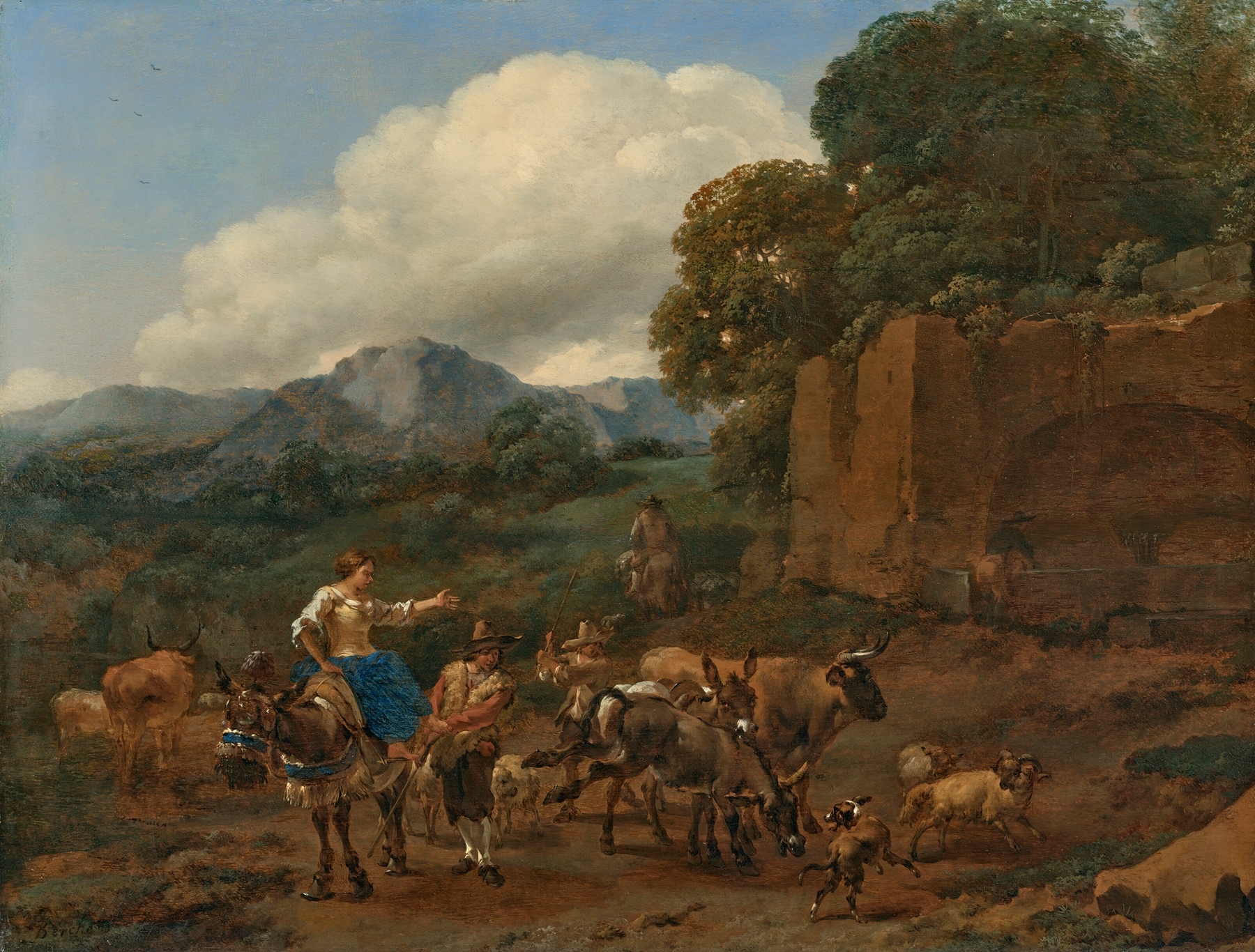
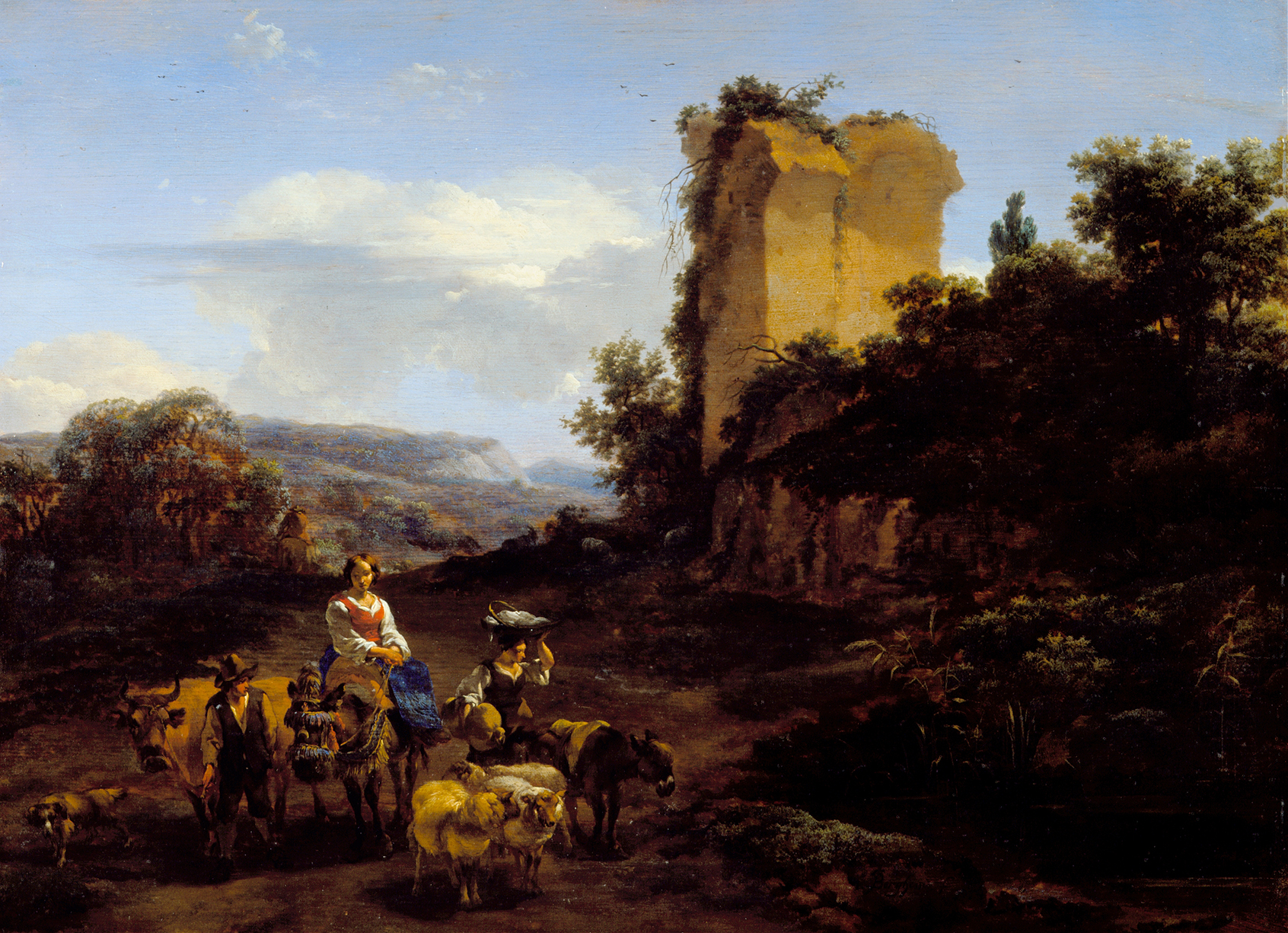
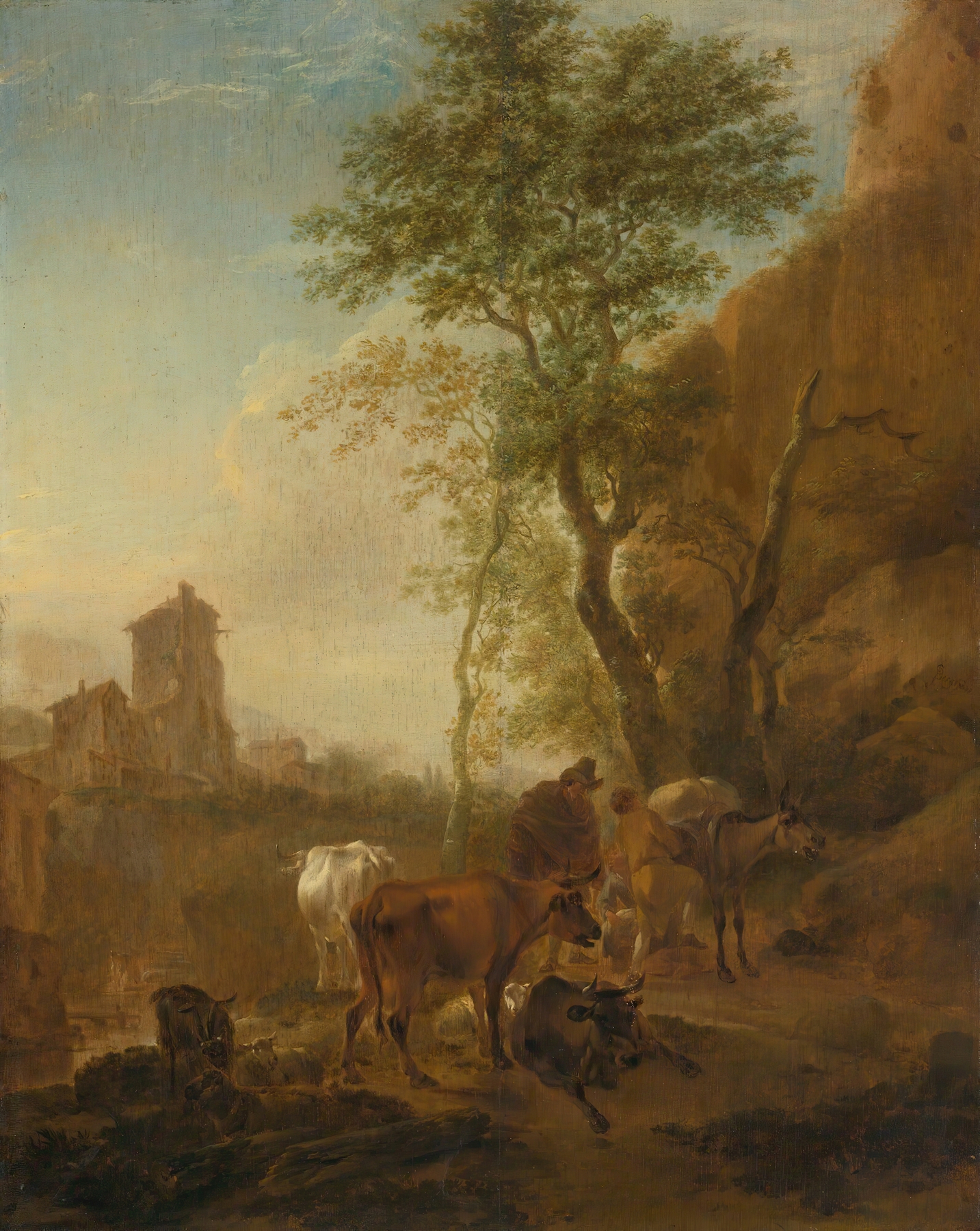
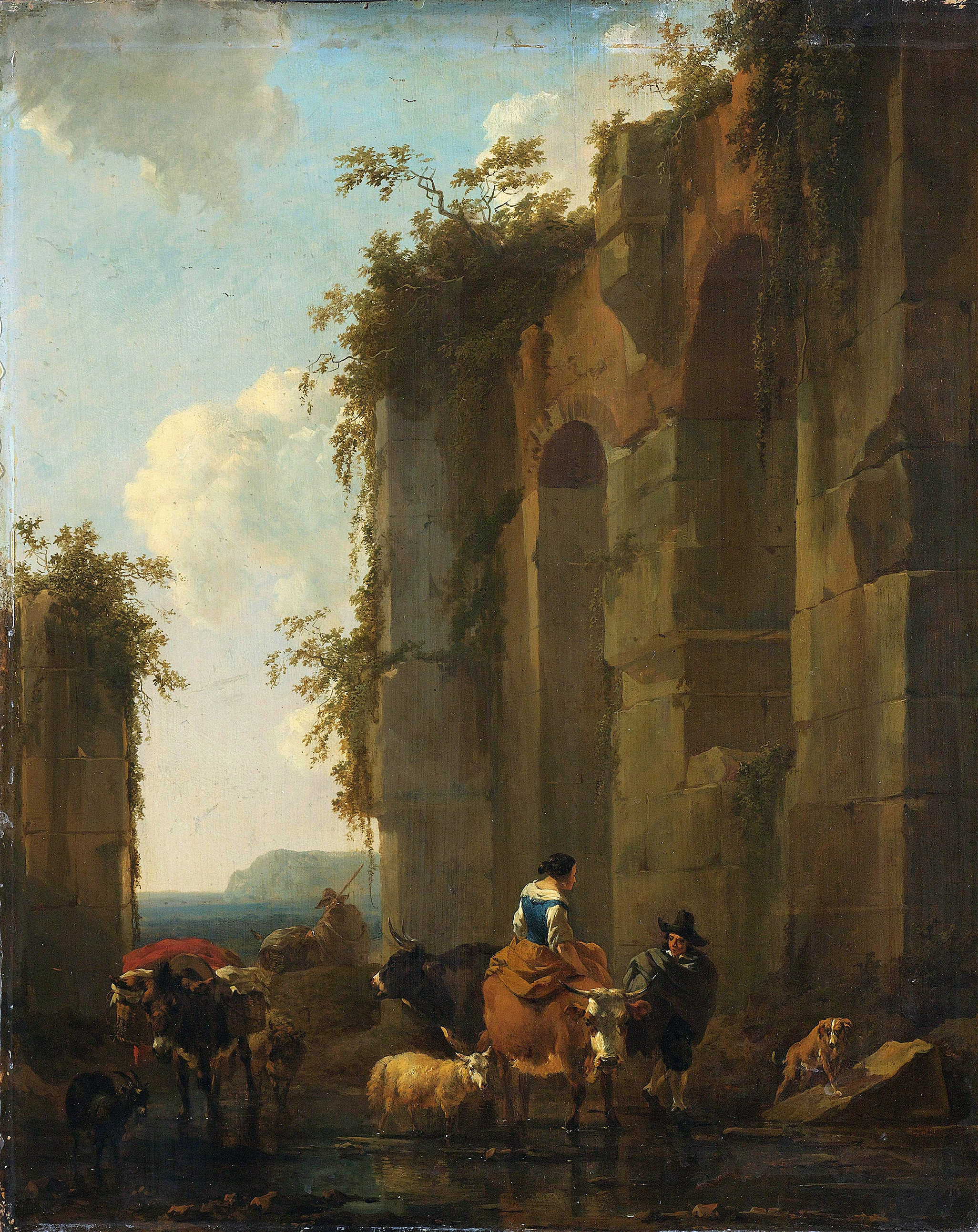
“Every brushstroke is a heartbeat remembered.” In the quiet decay of time, landscapes whisper stories of both beauty and loss, revealing the layers of existence intertwined within nature's embrace. Look to the left where the gentle curve of the horizon cradles a lush expanse, painted in verdant greens and earth tones, inviting the viewer into its warm embrace. Notice the meticulous details in the foliage, where dappled sunlight filters through the trees, creating an interplay of light and shadow that breathes life into the scene.
The soft, billowing clouds above contrast with the grounded details below, imbuing the composition with an ethereal quality that invites contemplation of transient beauty. Beneath the tranquil surface, hidden tensions emerge in the juxtaposition of vibrant life against subtle signs of decay. The robust trees, while majestic, hint at the passage of seasons, their branches heavy with both foliage and the weight of time.
The delicate interplay between flourishing nature and the inevitable decline speaks to the cyclical rhythms of life and death, urging viewers to reflect on their own place within this continuum. Created between 1665 and 1670, this piece finds its roots in the Dutch Golden Age, a time when Berchem was deeply influenced by his contemporaries and the rich traditions of landscape painting. Working in a milieu that celebrated the beauty of the natural world, he sought to encapsulate the fleeting moments of serenity amidst the ever-looming specter of decay, marking a period when artists were increasingly engaged in exploring themes of transience and the sublime.