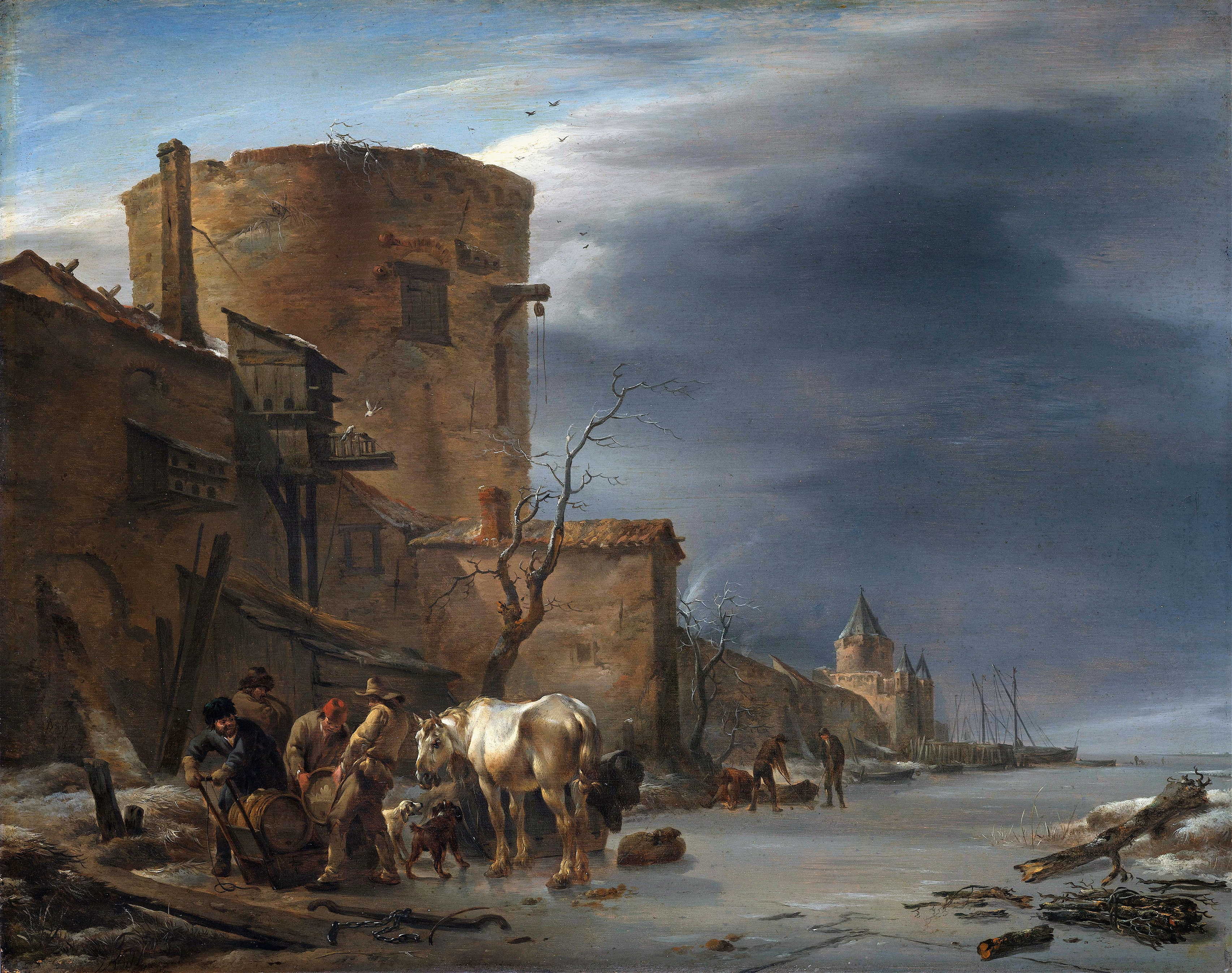
Ruins in Italy — History & Analysis
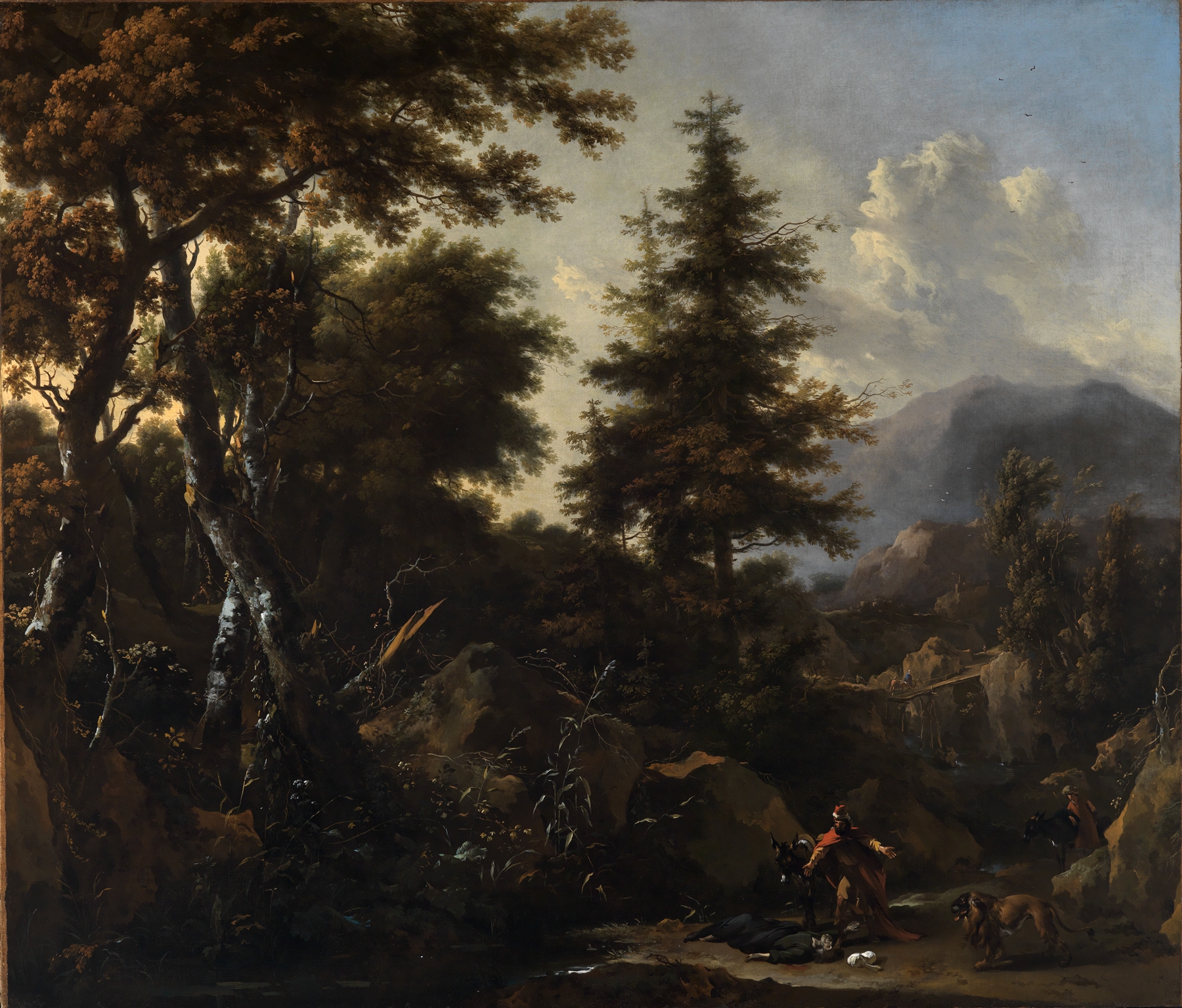
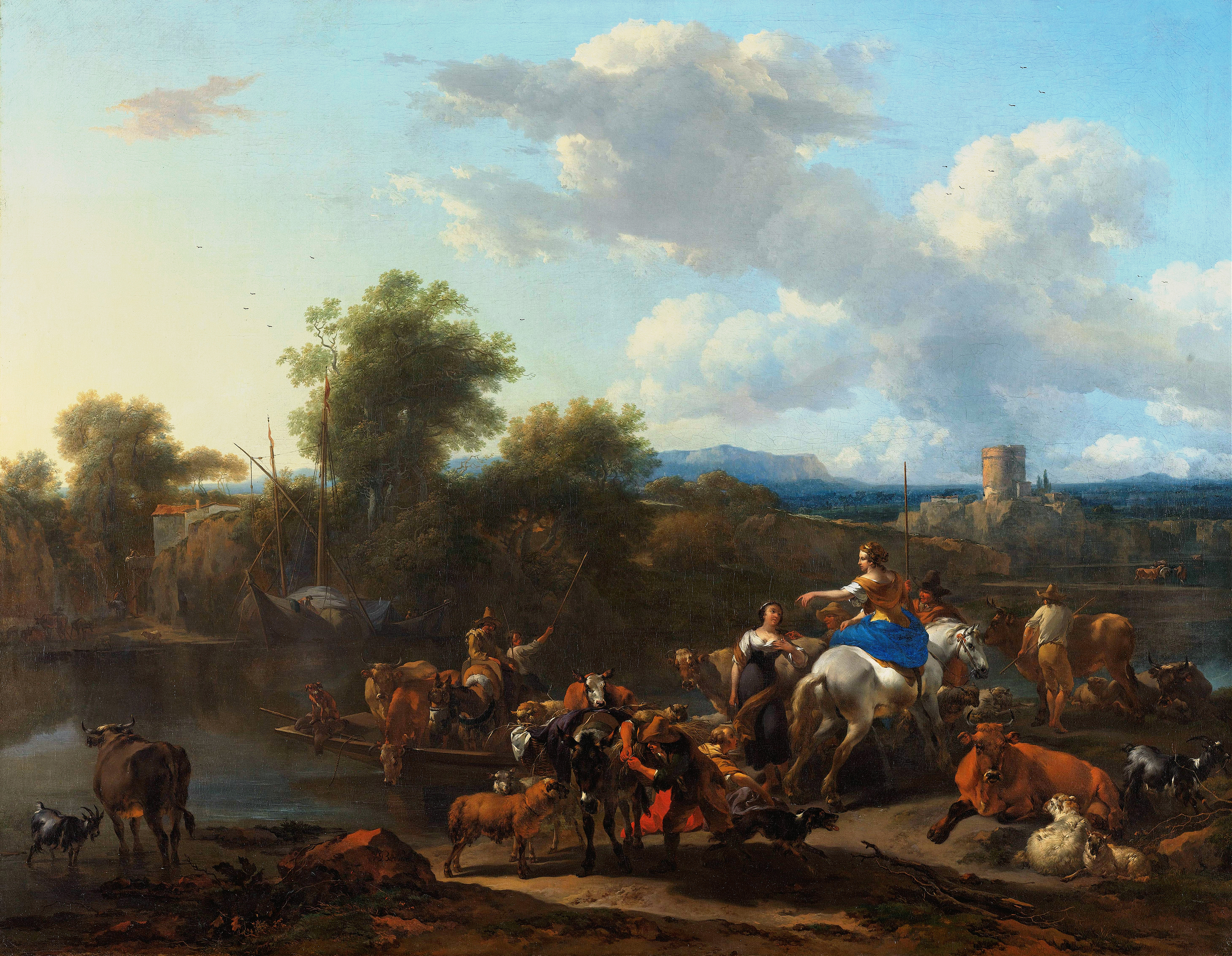
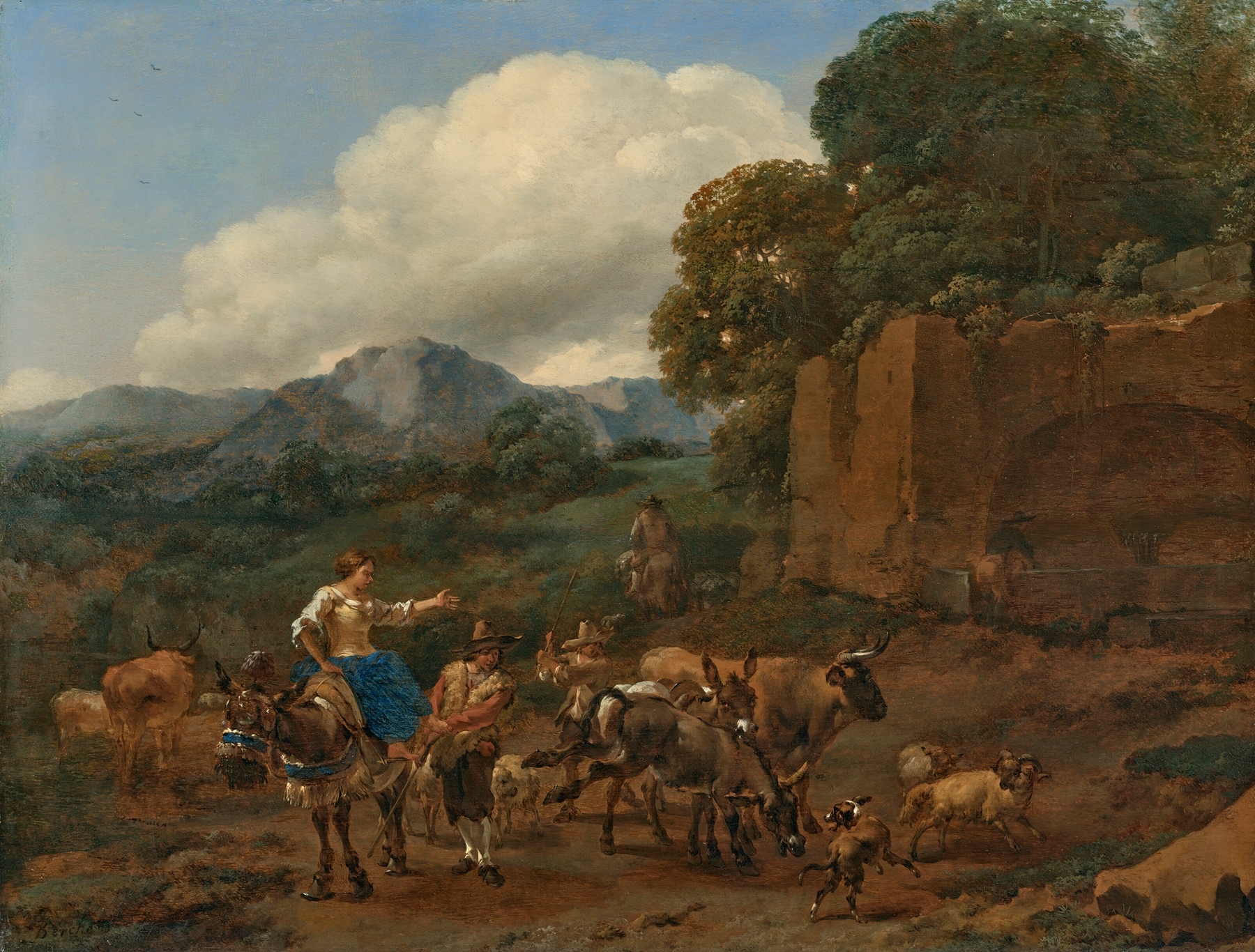
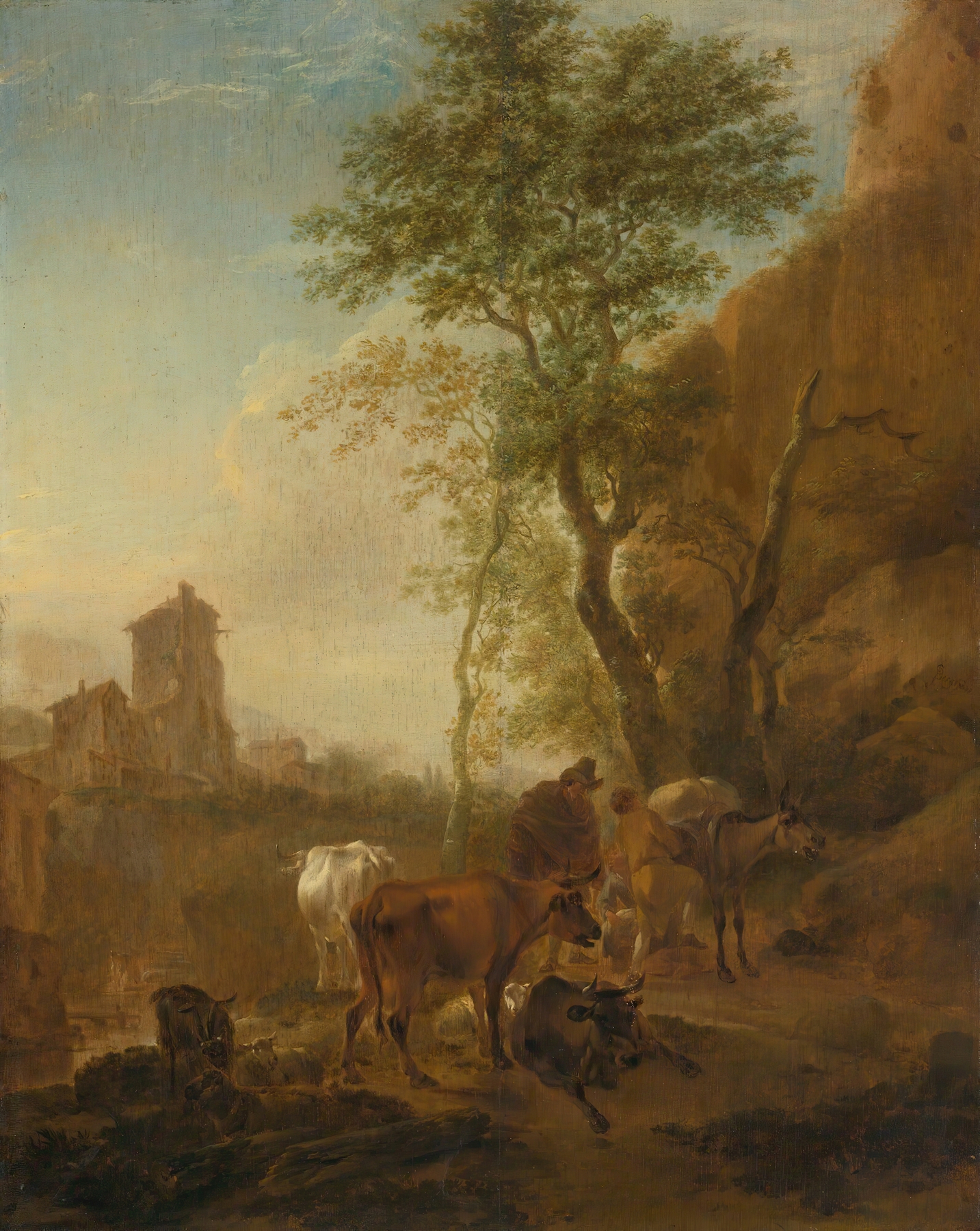
Can paint confess what words never could? In Ruins in Italy, the emotional weight of nostalgia and fear unfolds through the remnants of a once-grand civilization, echoing the fragility of human ambition. Look to the left at the towering columns, weathered and crumbling under the weight of time. The light filters through the clouds, illuminating the ruins with a soft, golden glow that contrasts starkly against the cool, muted tones of the landscape. Focus on the figures wandering amidst the stone, their smallness a poignant reminder of humanity's transient nature.
The composition invites contemplation, drawing the eye toward the horizon where the sky meets the land, hinting at a deeper, melancholic beauty. Within the canvas lies a tension between decay and vitality. The vibrant greenery creeping through the stones symbolizes nature’s reclaiming power, while the ruins themselves evoke memories of past glory now faded. Each brushstroke carries the weight of histories untold, whispering of dreams lost in the passage of time.
The figures, seemingly at ease, paradoxically highlight the fear of oblivion — a looming reminder that even the grandest aspirations may succumb to decay. Created in 1658, this work reflects Nicolaes Pietersz Berchem’s profound engagement with landscape and classical themes amidst the Baroque era. At this time, the artist was exploring the interplay of light and shadow, often inspired by the Italian countryside, which he infused with a sense of drama and life. The art world was shifting, moving towards a greater appreciation of landscape painting, and Berchem’s poignant portrayal of ruins captures this transition, resonating with the era's complex emotions and ideals.