Slapende herdersfamilie en rustend vee — History & Analysis
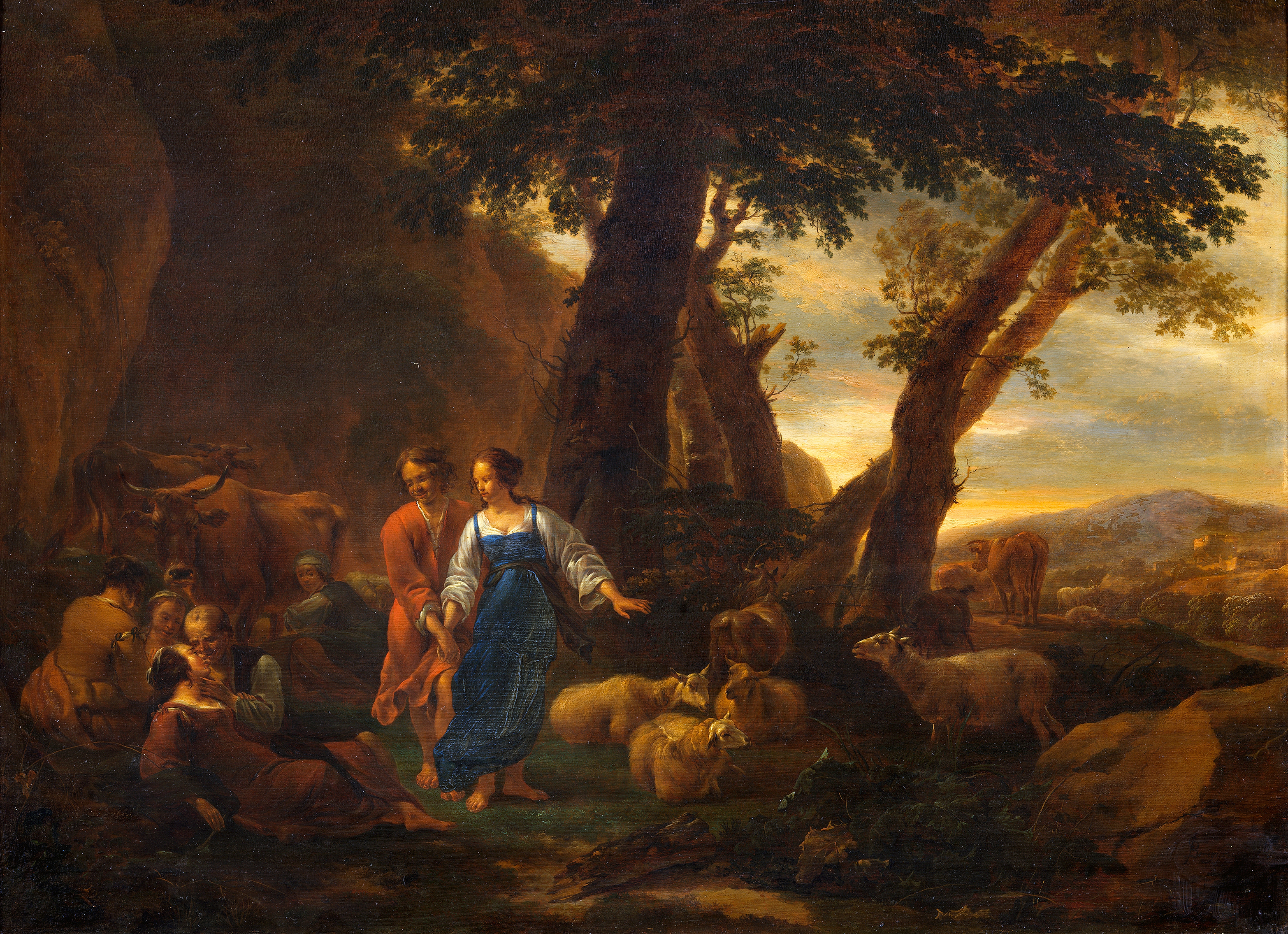
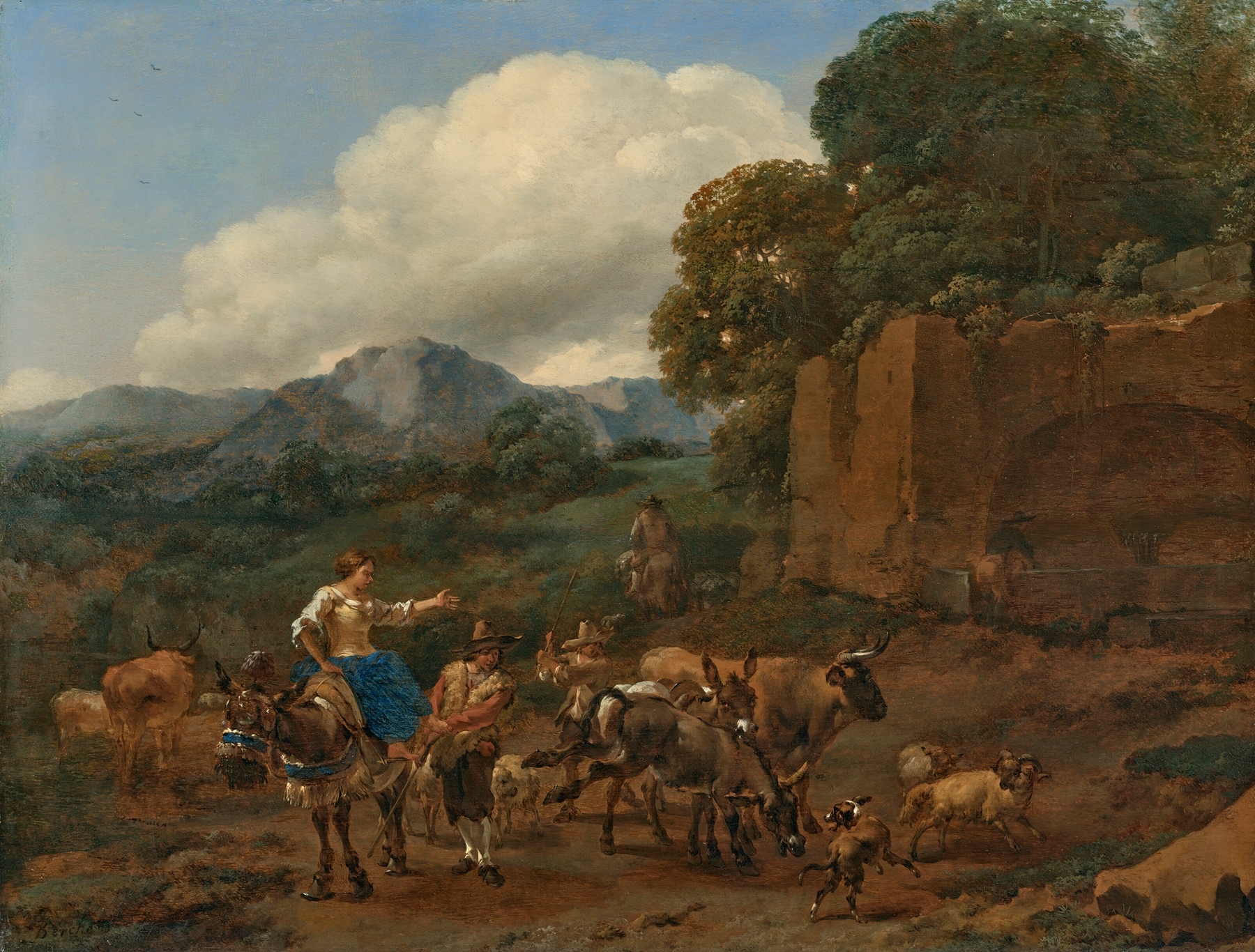
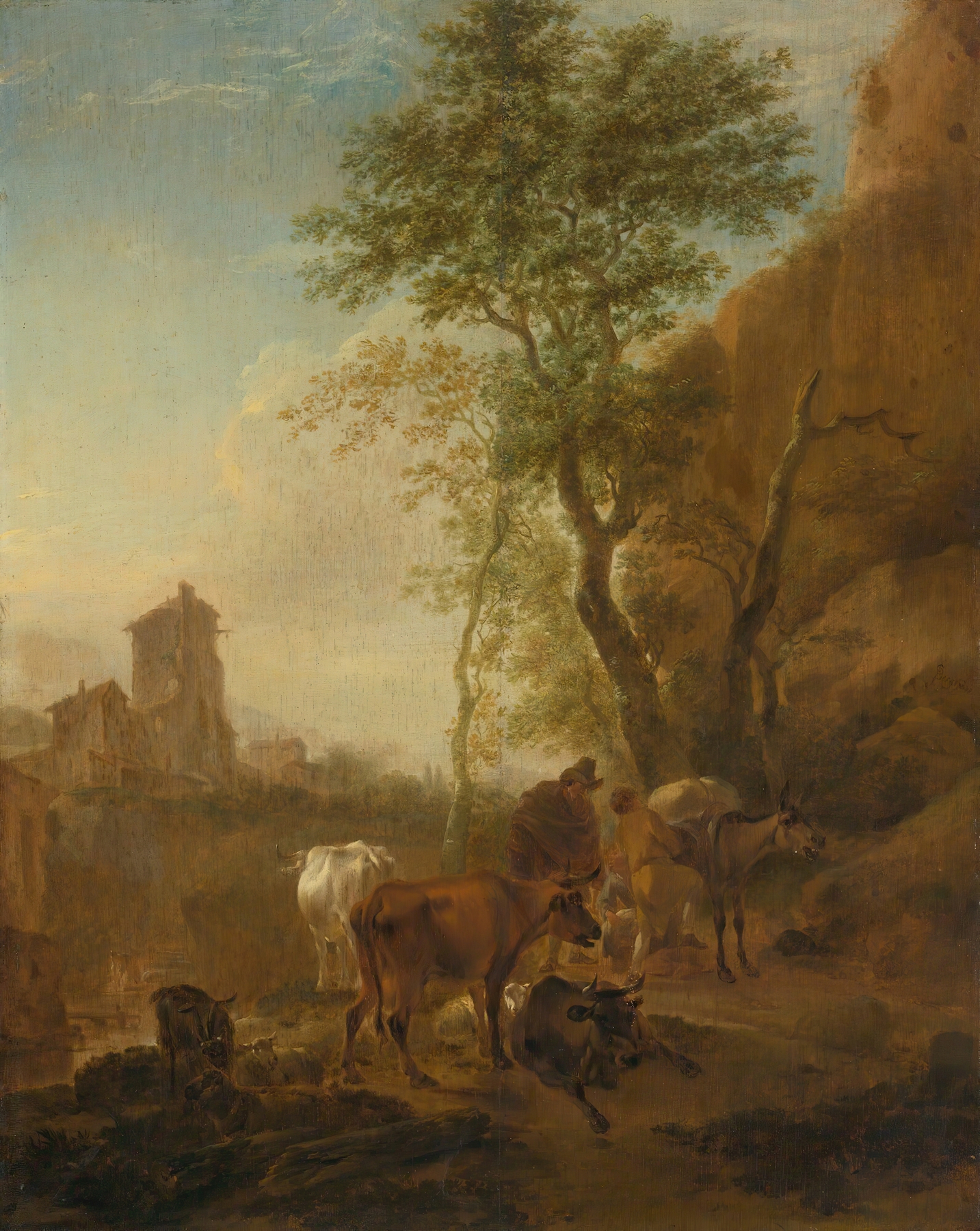
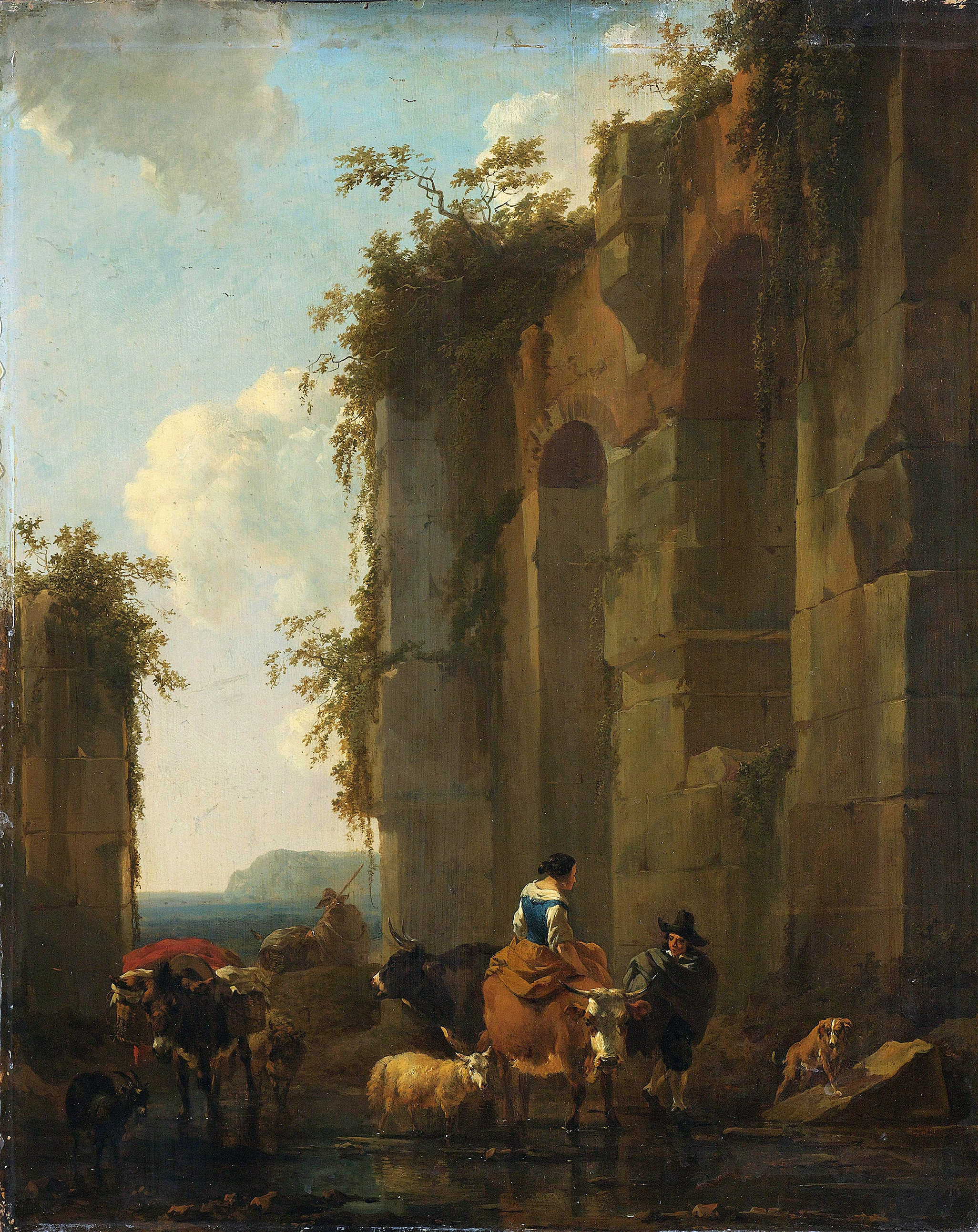
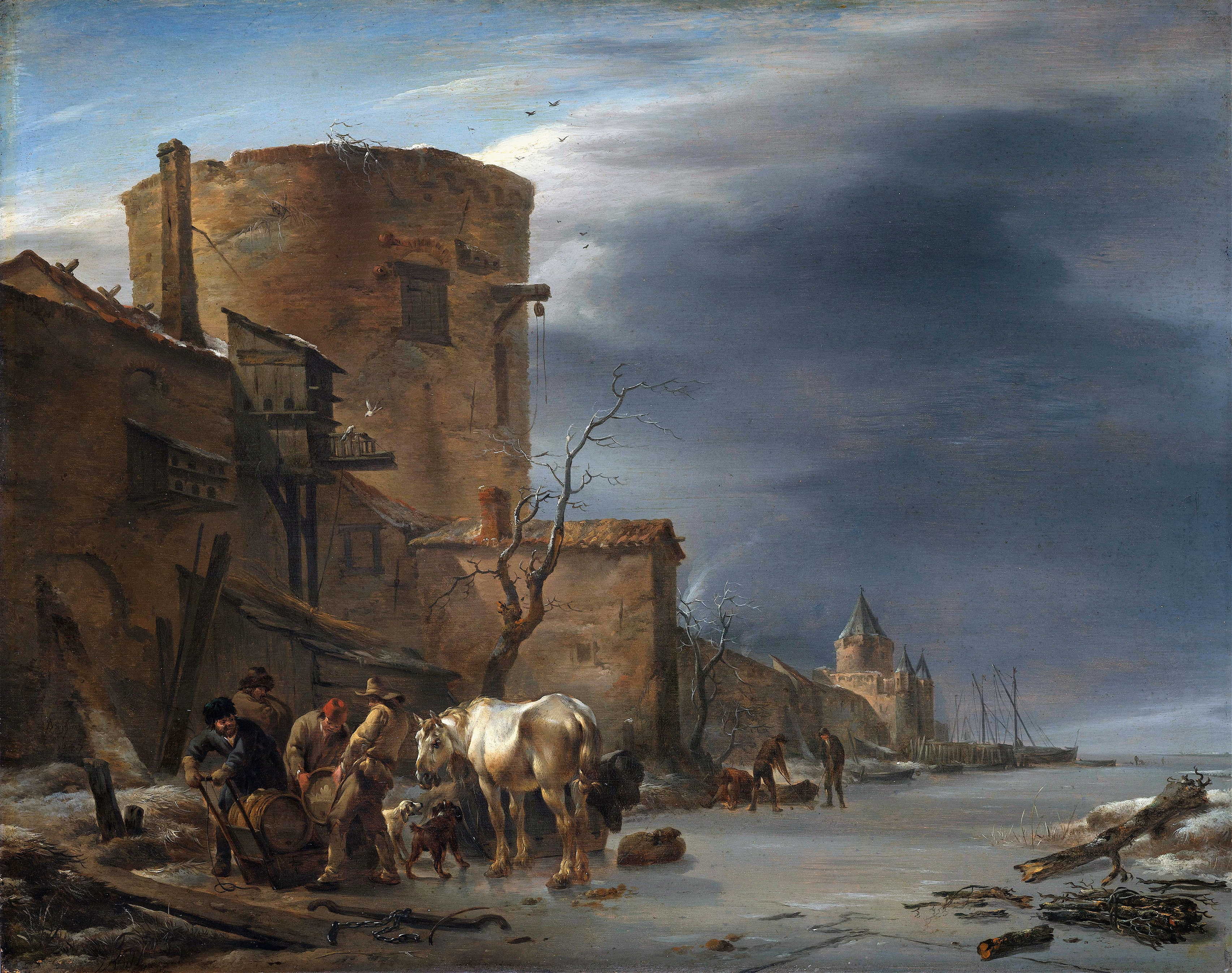
Could a single brushstroke hold eternity? In the serene world of pastoral art, a moment captured in time transcends the ordinary, inviting us to explore a deeper connection with nature and humanity. Focus on the gentle contours of the sleeping shepherd family nestled within the lush, verdant landscape. Notice how soft light dances across their faces, illuminating the tenderness of their slumber. The muted greens and browns create a harmony that envelops the viewer, while the delicate details of the resting livestock further emphasize a tranquil coexistence.
Each brushstroke seems deliberate, guiding the eye to the subtle interactions between the figures and their environment, evoking a sense of peace. Within this idyllic scene, there lies a poignant contrast between vulnerability and strength. The shepherds’ repose suggests a moment of respite amid the relentless cycle of labor, highlighting the tension between work and rest. The presence of the livestock, depicted in restful stillness, signifies not just dependence on nature, but the intertwined fates of humans and animals.
This duality invites contemplation on life’s fleeting moments and the existential connections that bind us to one another and to the earth. Created during the mid-17th century, this work emerged from Berchem’s time in the Dutch Golden Age, a period marked by flourishing art and commerce. As he painted in Haarlem, Berchem captured the essence of pastoral life, reflecting societal values of harmony and simplicity amidst a rapidly changing world. His approach to landscape and genre painting became influential, as he sought to infuse his works with grace and a deep appreciation for the serene beauty of rural existence.