Gates of the Yosemite — History & Analysis
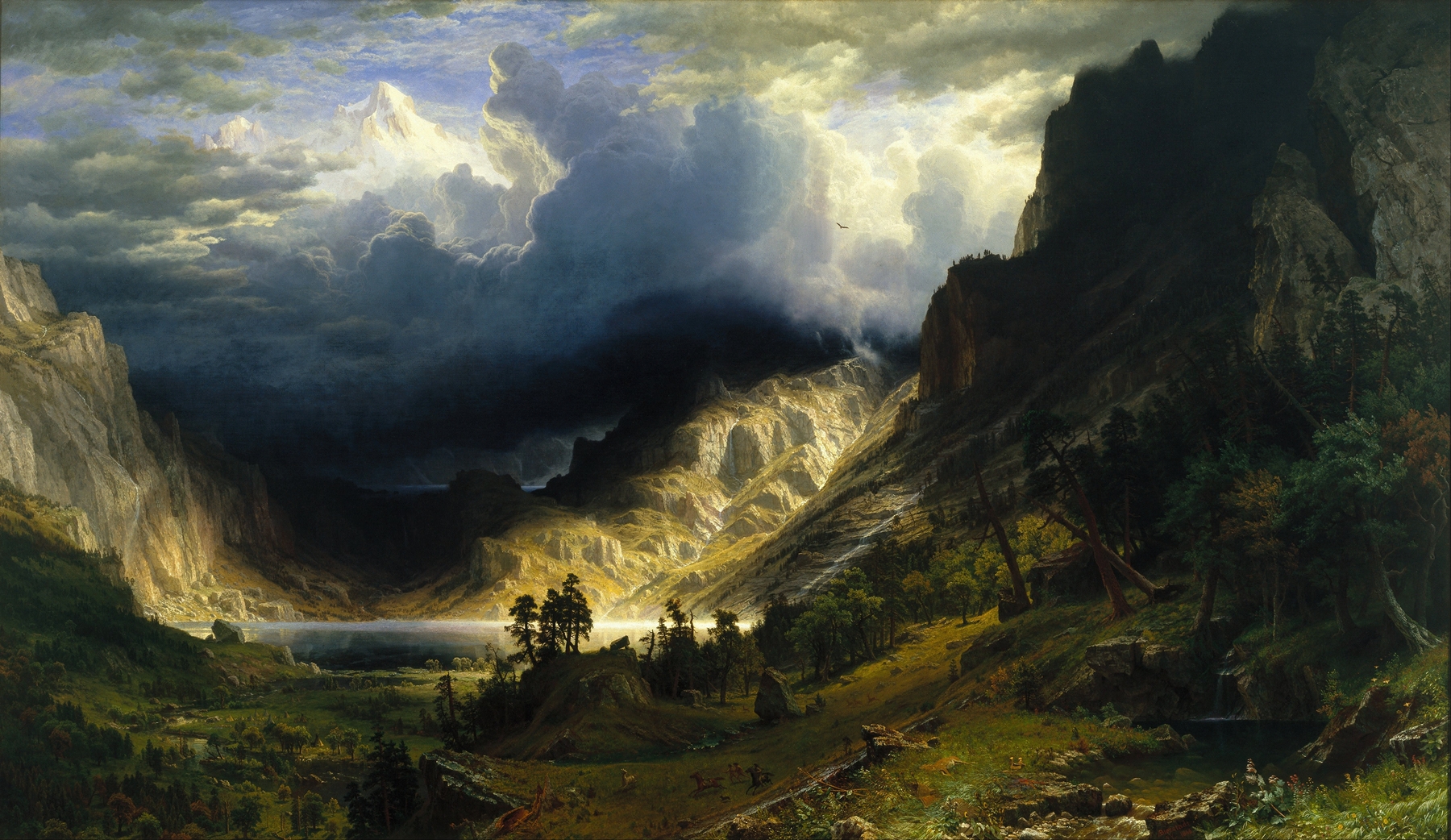
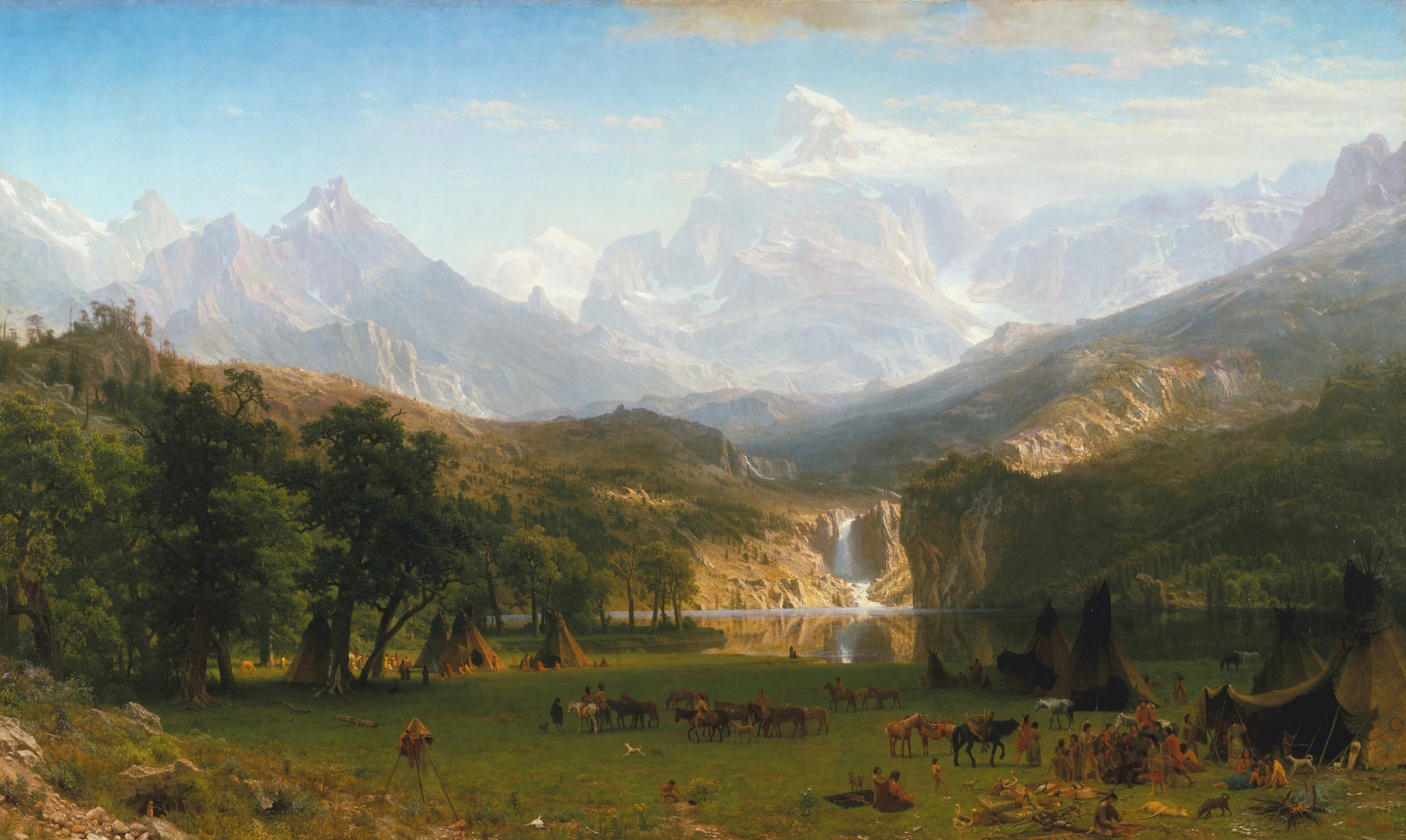
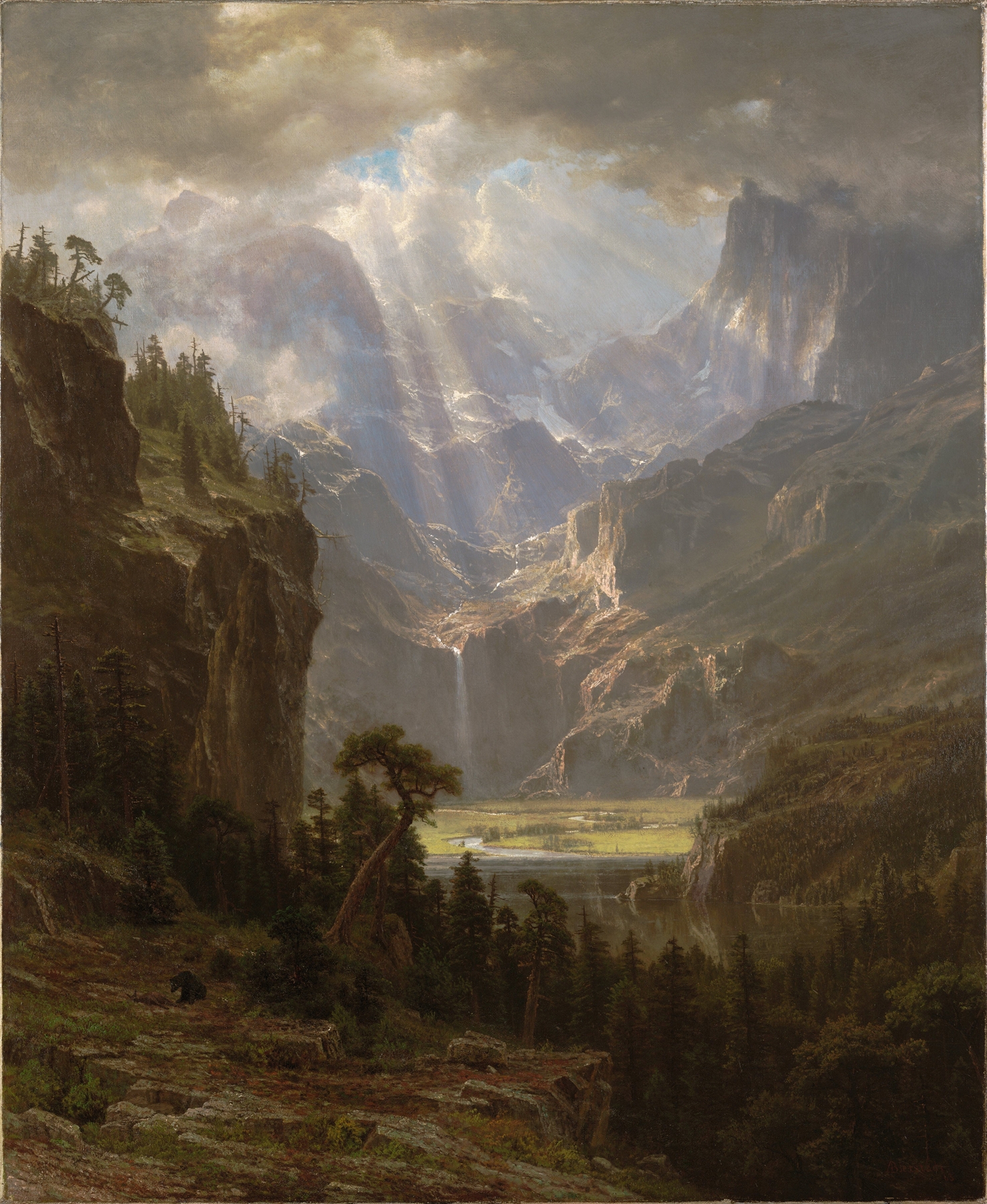
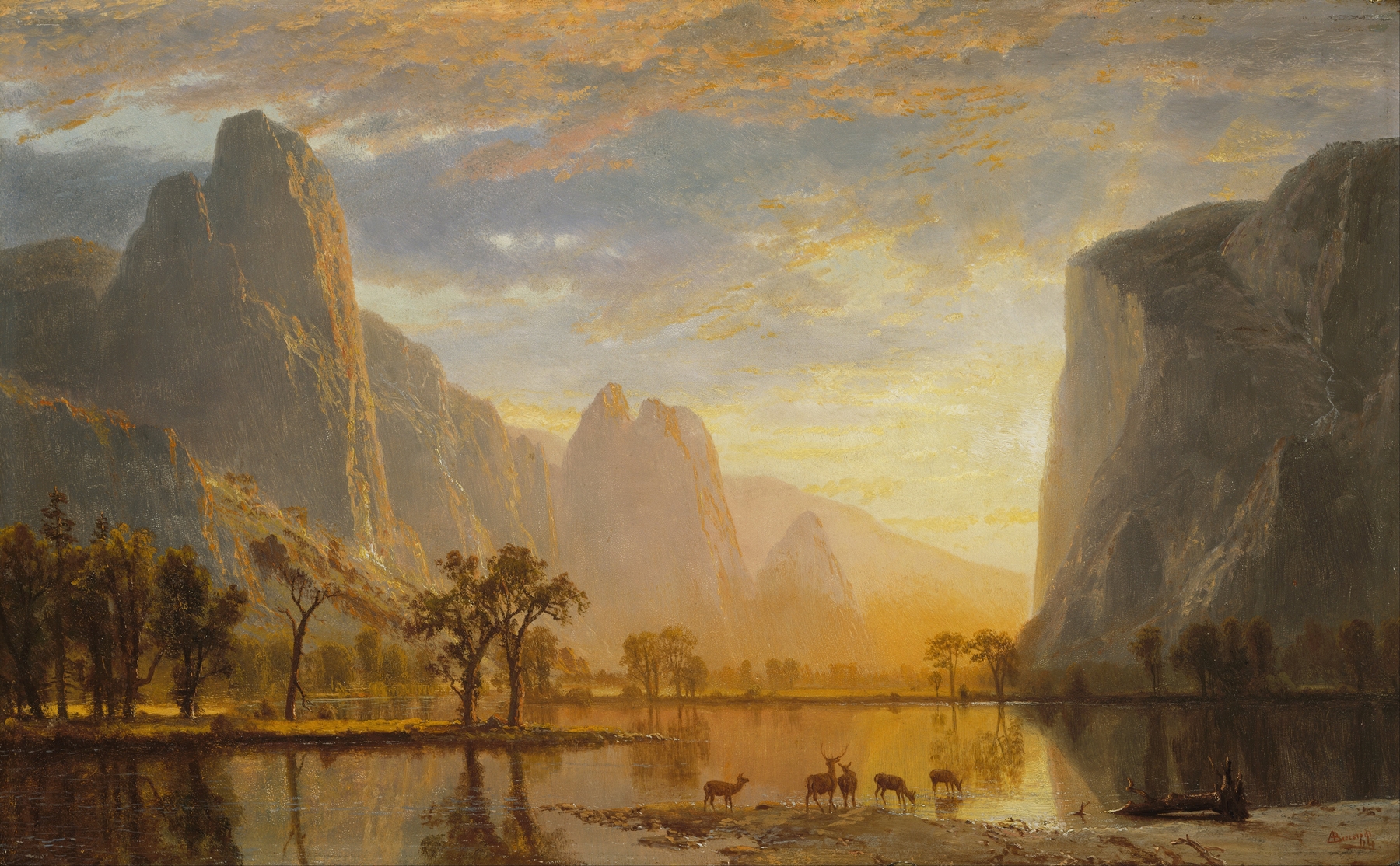
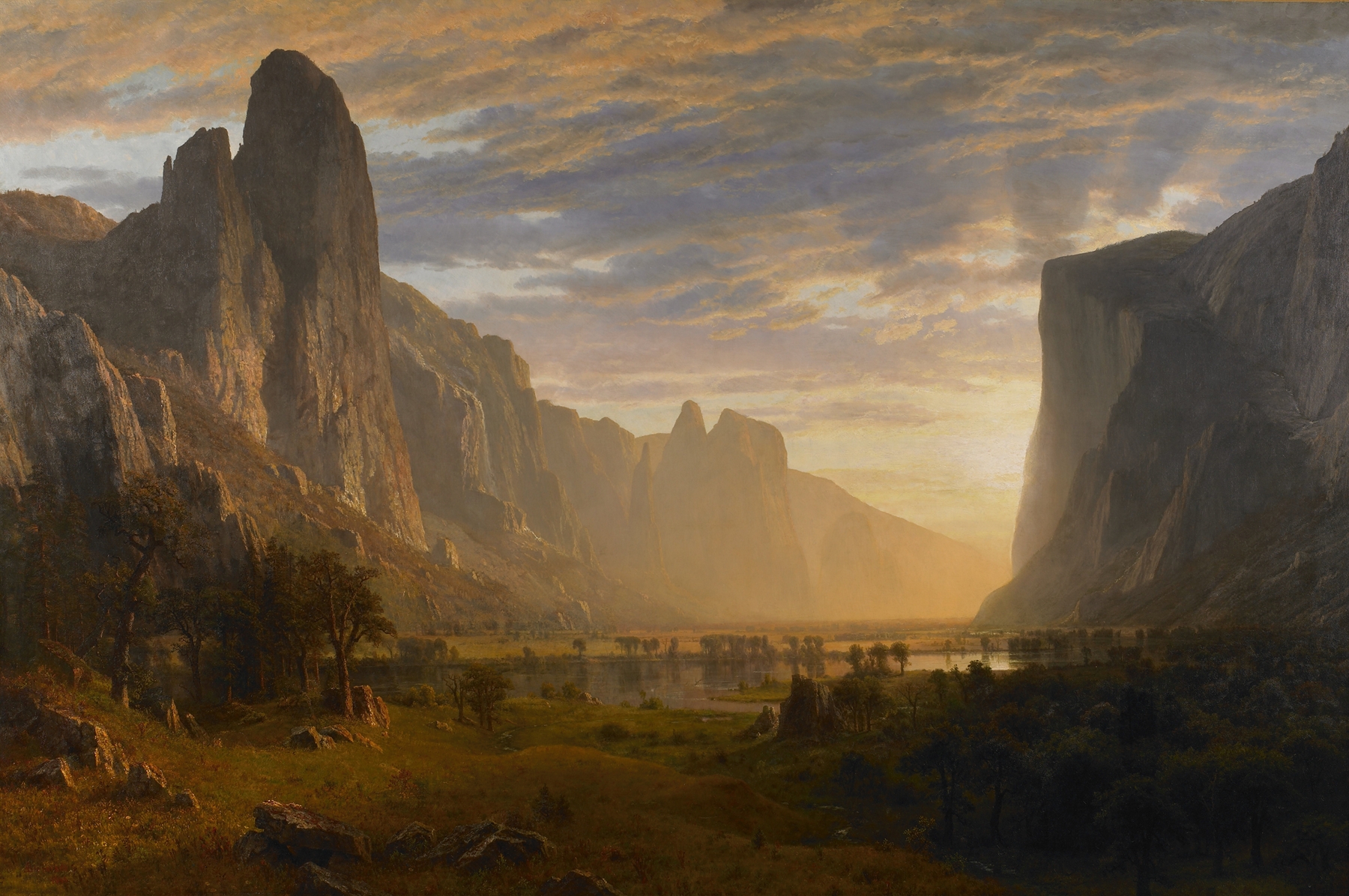
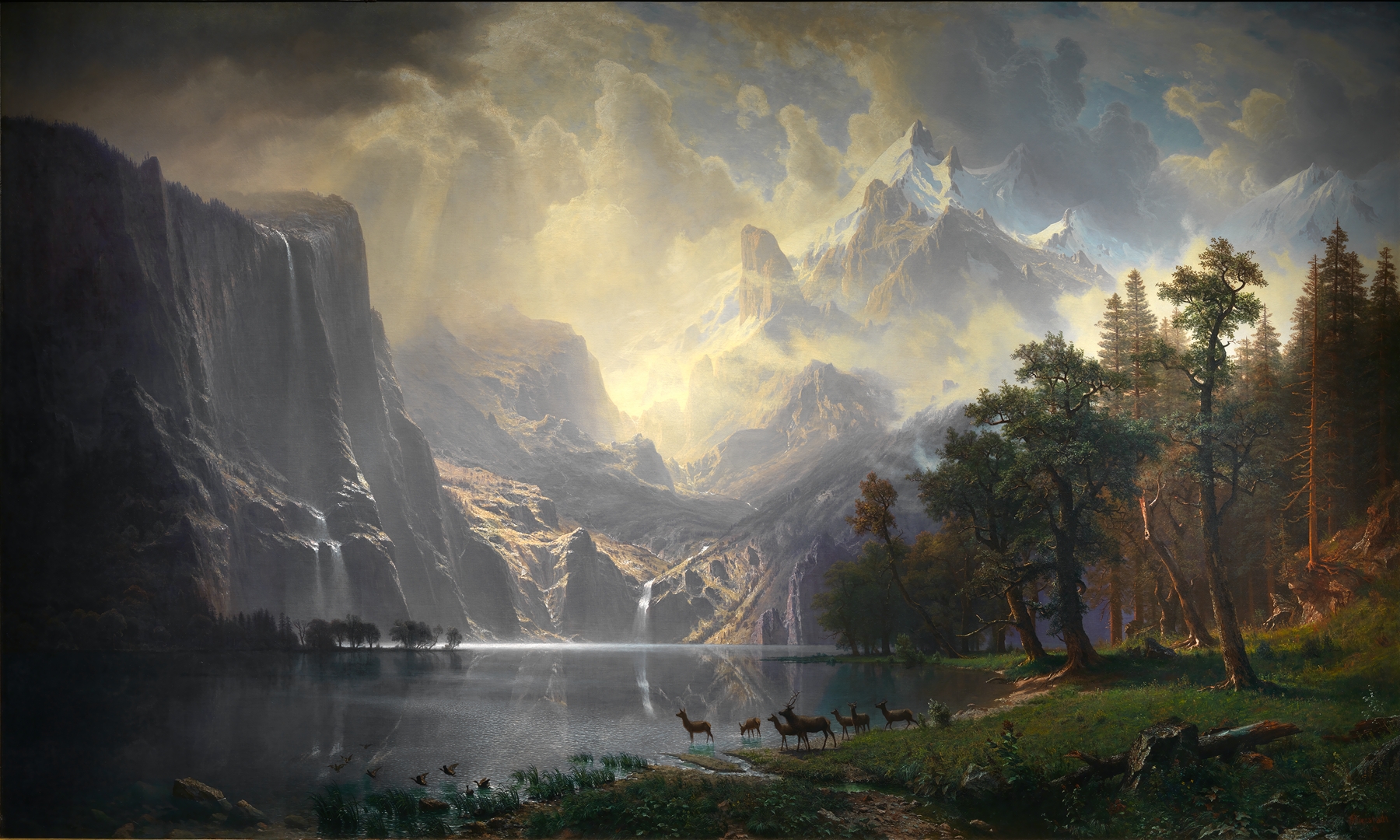
“Art reveals the soul when the world turns away.” In a fleeting moment, nature stands still, a silent witness to the vibrant pulse of existence, yet hints at its inevitable decay. The grandeur of the landscape and the fragile beauty of the natural world invite both awe and melancholy. Look to the left at the towering cliffs bathed in golden light, where the sun kisses the rocky formations, creating dramatic contrasts that animate the scene. The lush foreground, with its verdant trees and reflective waters, draws your gaze, inviting you to wander deeper into the valleys.
Notice how Bierstadt masterfully employs a palette of rich greens and warm earth tones, skillfully blending light and shadow to highlight the majestic interplay of nature’s scale, evoking both serenity and an underlying tension. Beyond its breathtaking beauty, the painting speaks to the transient nature of life. The delicate balance between the vibrant flora and the imposing, craggy mountains serves as a reminder that beauty is often accompanied by decay. The ethereal mist enveloping the background hints at the ephemeral quality of existence, suggesting that even the mightiest landscapes are subject to the passage of time and the inevitability of erosion.
In 1882, while residing in the United States, Bierstadt was at the forefront of the Hudson River School, a movement celebrating American landscapes. This period was marked by a growing appreciation for the country's vast wilderness amidst a rapidly industrializing society. The artist's works, including this one, reflected his desire to capture the sublime beauty of the natural world before it succumbed to the encroaching changes of modern life.