Gebel Serbal, Egypt — History & Analysis
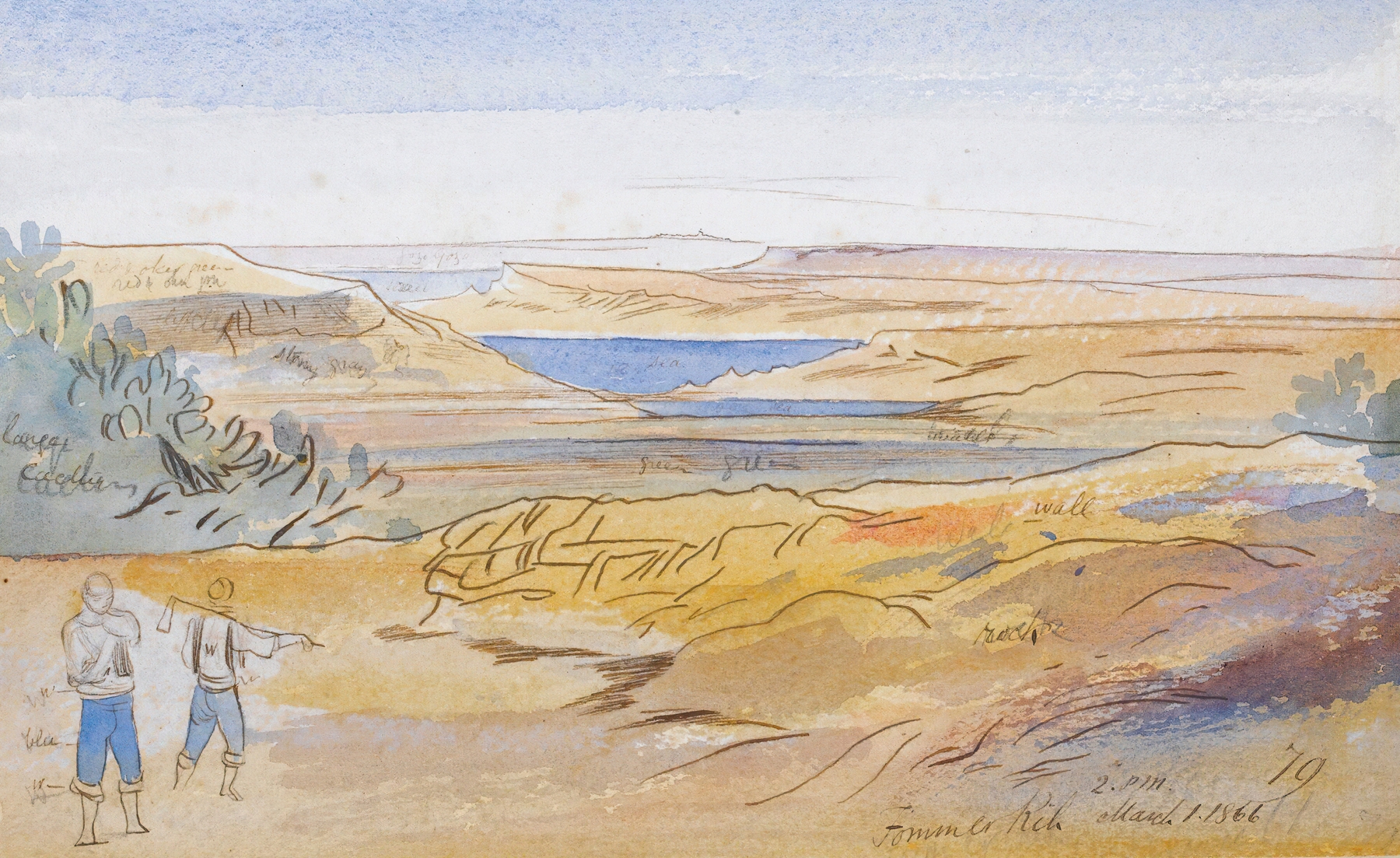
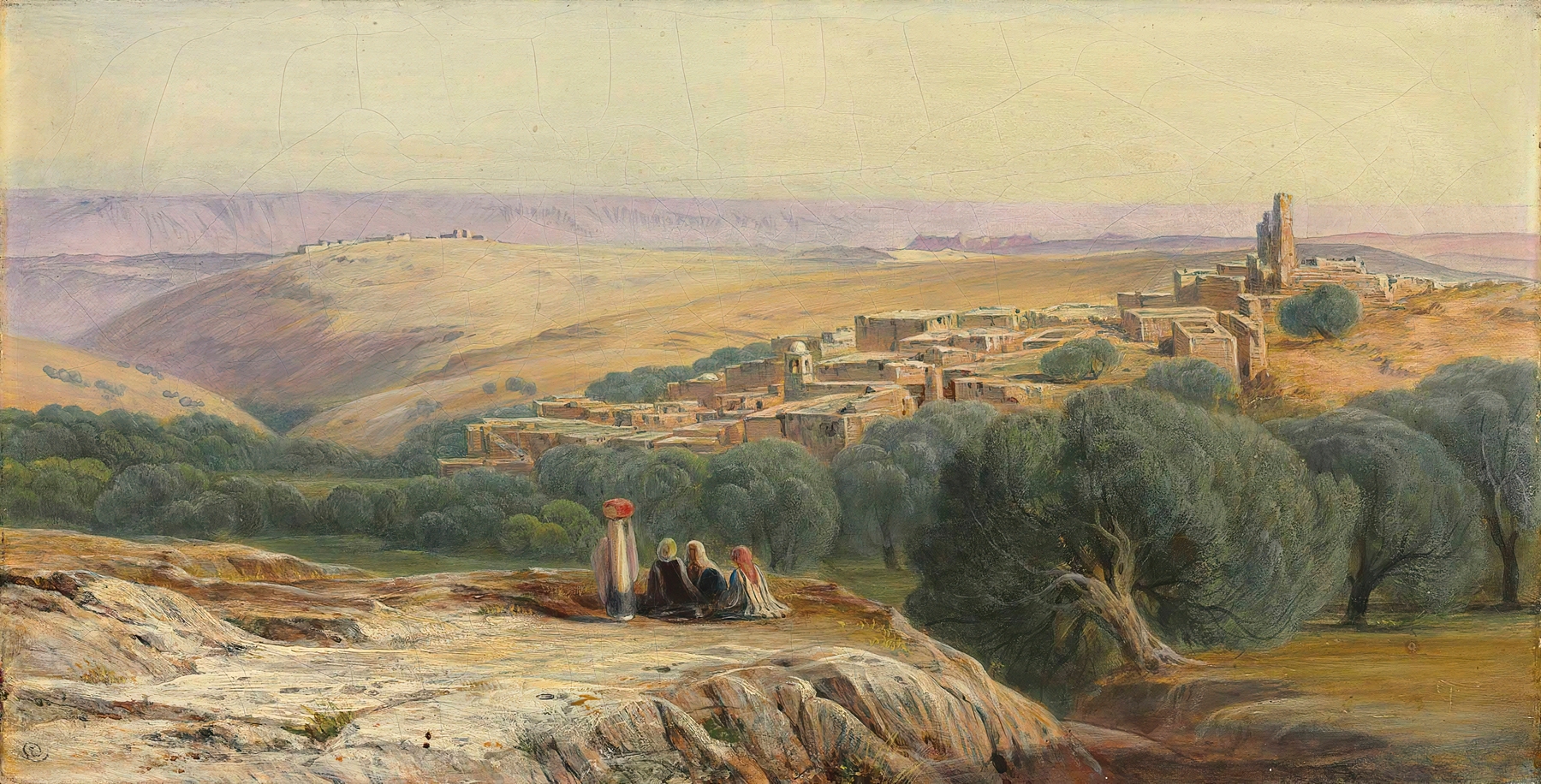
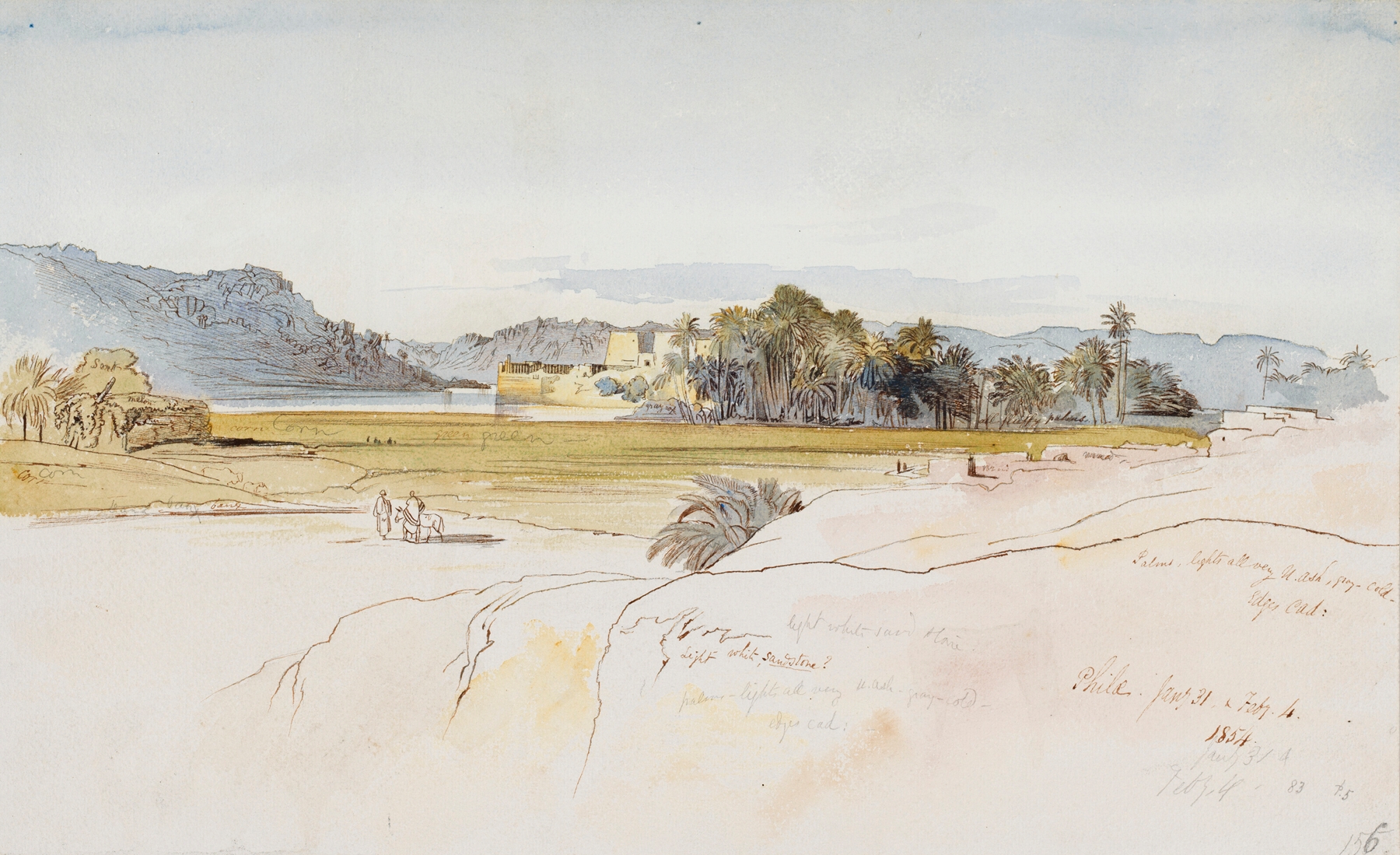
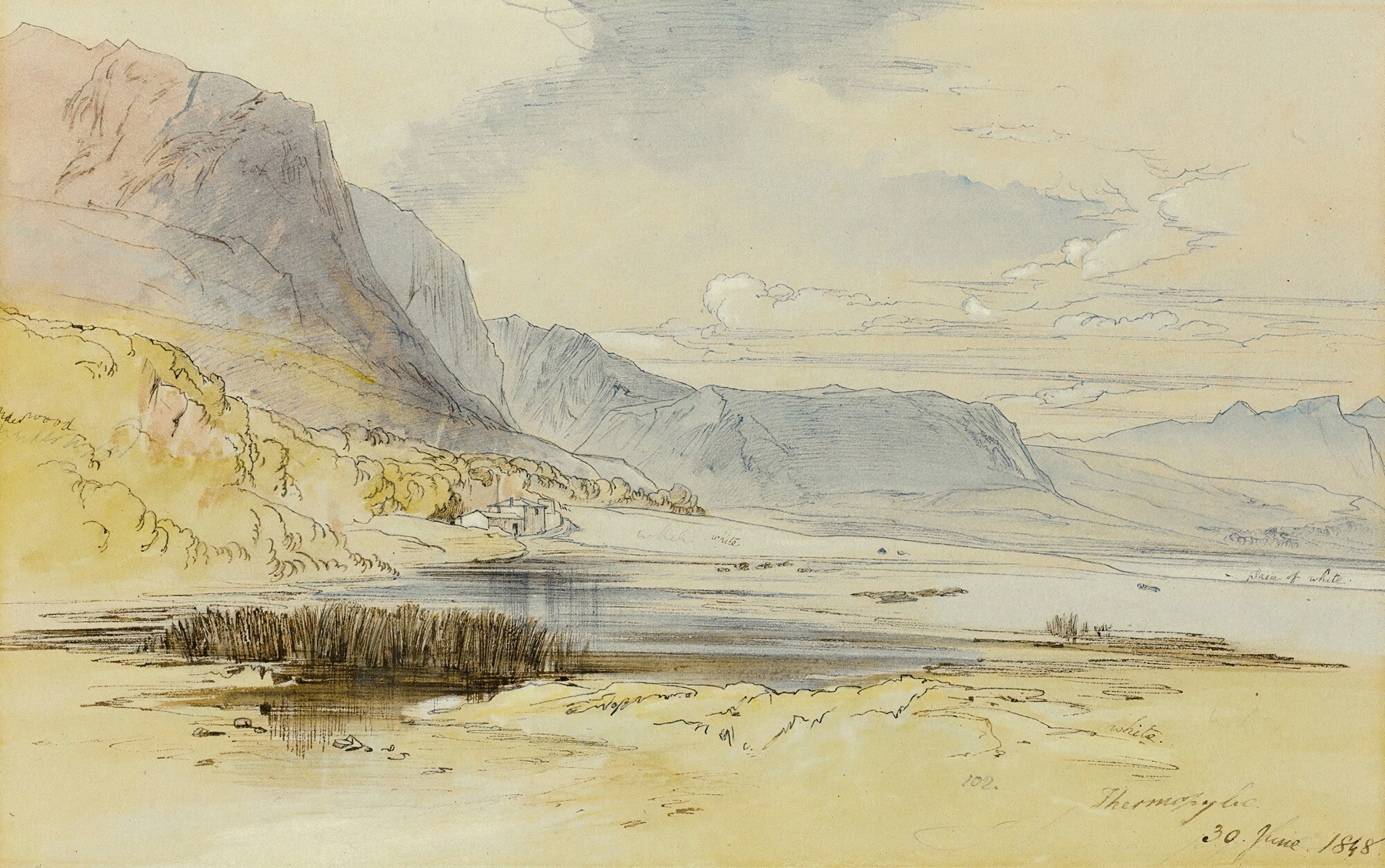
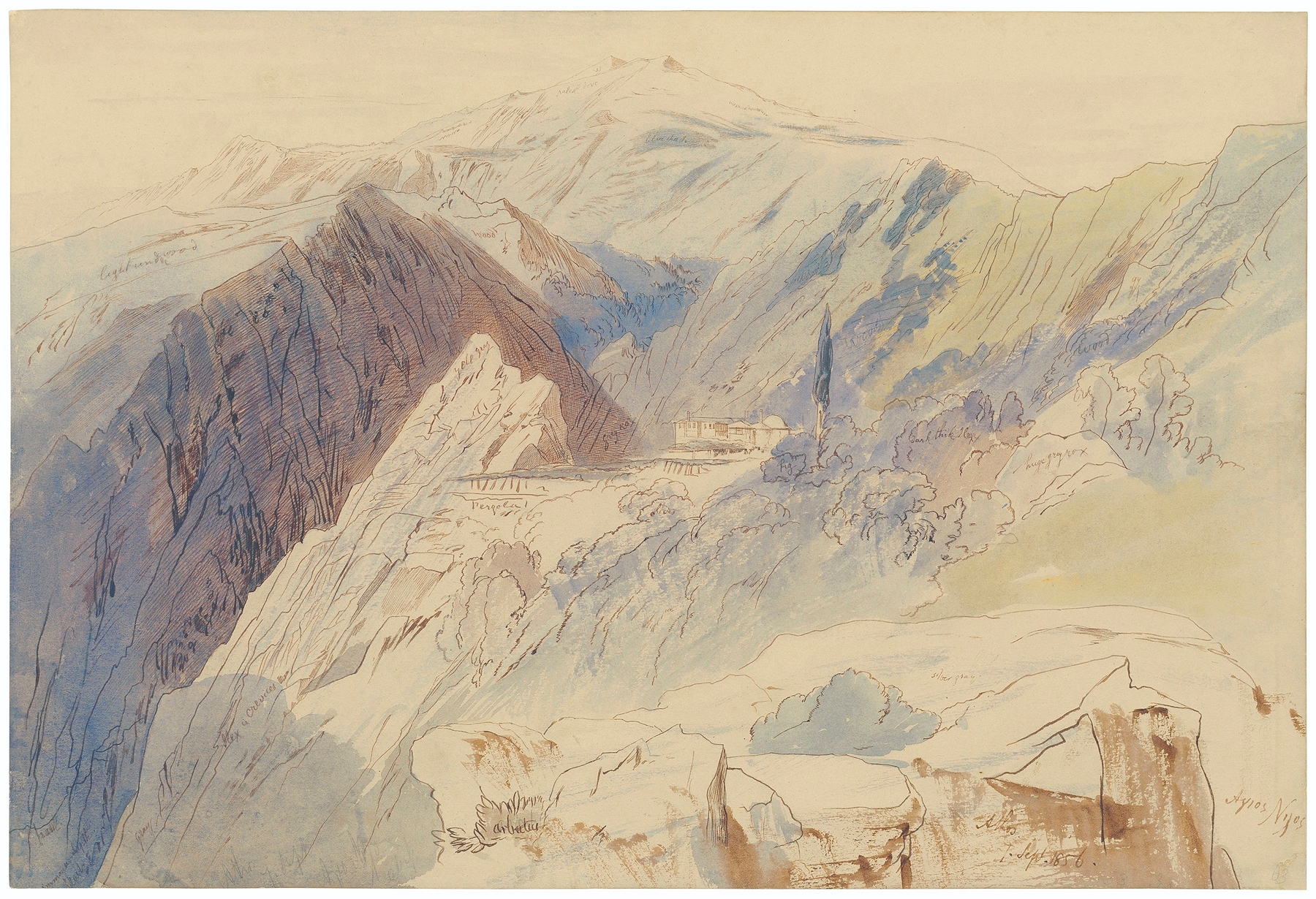
Could beauty survive in a century of chaos? In Gebel Serbal, Egypt, the sweeping grandeur of the landscape speaks to the resilience of nature amidst human turmoil. The towering mountains rise majestically against a backdrop of turbulent skies, inviting contemplation of both time and eternity. Focus on the left side of the painting, where the rugged terrain is illuminated by a soft, diffused light, guiding your gaze towards the summit.
Notice how the colors range from earthy browns to vibrant greens, creating a striking contrast that emphasizes the vitality of the land. Lear’s deft brushwork captures the textures of the rocky surface, while the wispy clouds seem to dance above, hinting at the ephemeral beauty of the moment. Dive deeper into the scene, and you’ll find a tension between the stability of the earth and the transience of the sky. The juxtaposition of the solid, imposing mountain against the ever-changing clouds evokes a sense of both permanence and impermanence.
It speaks to the idea that amidst the chaos of life, moments of beauty can emerge, lifting the spirit beyond worldly concerns. Edward Lear painted this piece in 1849 during his travels through the Middle East. At that time, he was exploring the artistic possibilities of landscape painting, influenced by the Romantic movement's focus on nature's sublime forms. His experiences in Egypt provided him with a unique perspective, as he sought to capture the essence of a land steeped in both history and mystique, reflecting a world that was both evolving and eternal.