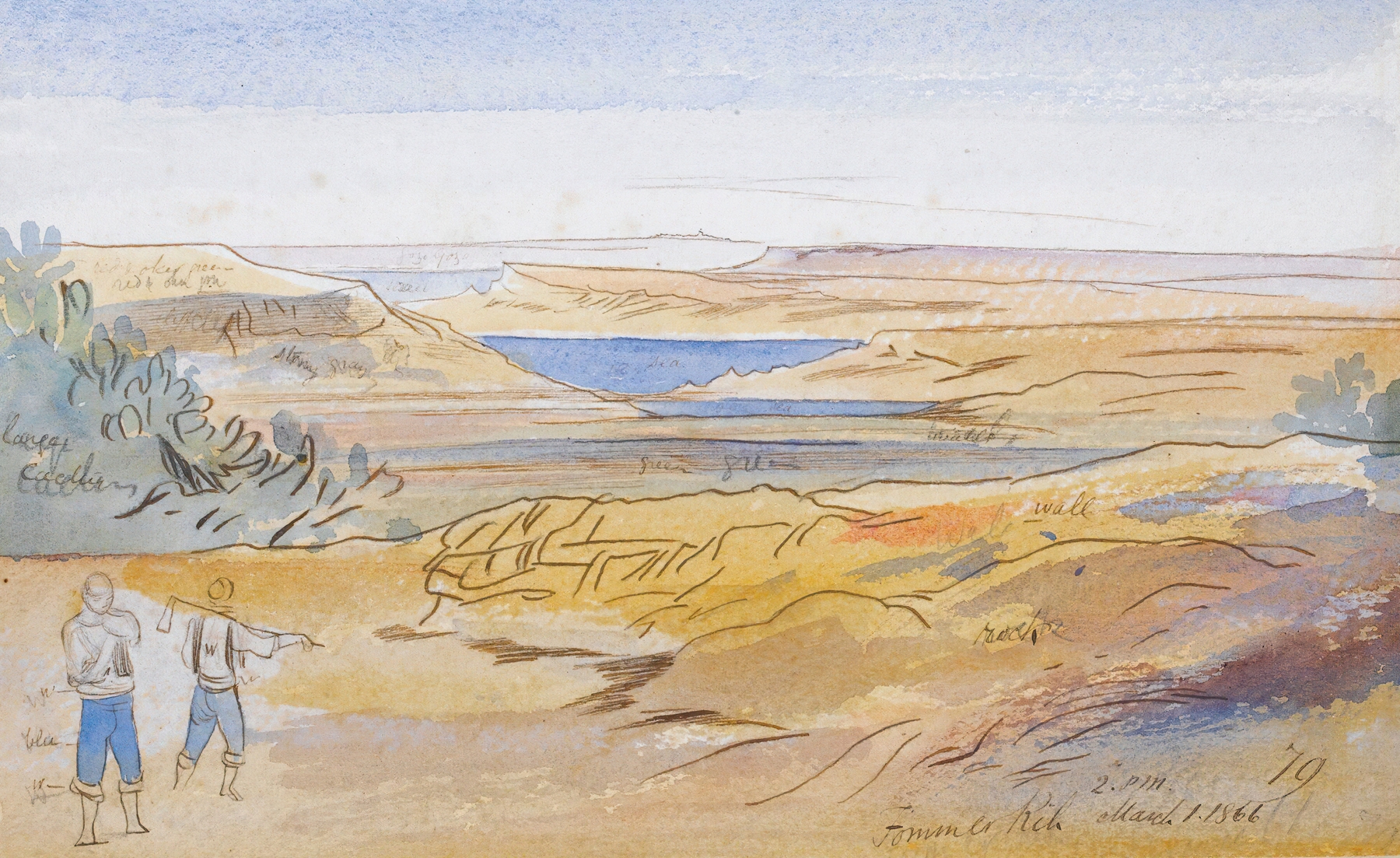
Can paint confess what words never could? In *Fomm Ir-Rih*, the tumultuous union of land and sea whispers the story of rebirth, echoing the resilient spirit of nature. Look to the center, where waves crash against a rugged coastline, their frothy edges curling like fingers grasping at the rocky outcrop. The palette is a symphony of blues and greens, merging into the azure sky, each stroke reflecting the vibrant pulse of life. Notice how the sunlight breaks through the clouds, casting a warm glow that highlights the jagged cliffs, suggesting a silent dialogue between earth and water. The composition invites the viewer to traverse the horizon, balancing the wildness of nature with an underlying tranquility. Beneath the surface, the work captures the tension between chaos and calm, embodying the cyclical nature of existence. The relentless waves symbolize resilience, yet they are tempered by the serene backdrop of the sky, hinting at hope and renewal. The juxtaposition of the tumultuous sea against the steadfast cliffs reflects the struggle of life itself, where every storm is met with eventual peace, and every ending gives way to new beginnings. Edward Lear painted *Fomm Ir-Rih* in 1866 during his travels in Malta, a period rich with personal exploration and artistic development. At this juncture, he was moving away from his well-known limericks into a more profound engagement with landscape painting, capturing the essence of nature with an emotional depth that resonated with viewers. This artwork stands as a testament to his evolving vision amid a world grappling with the changes of the Victorian era.