Petra — History & Analysis
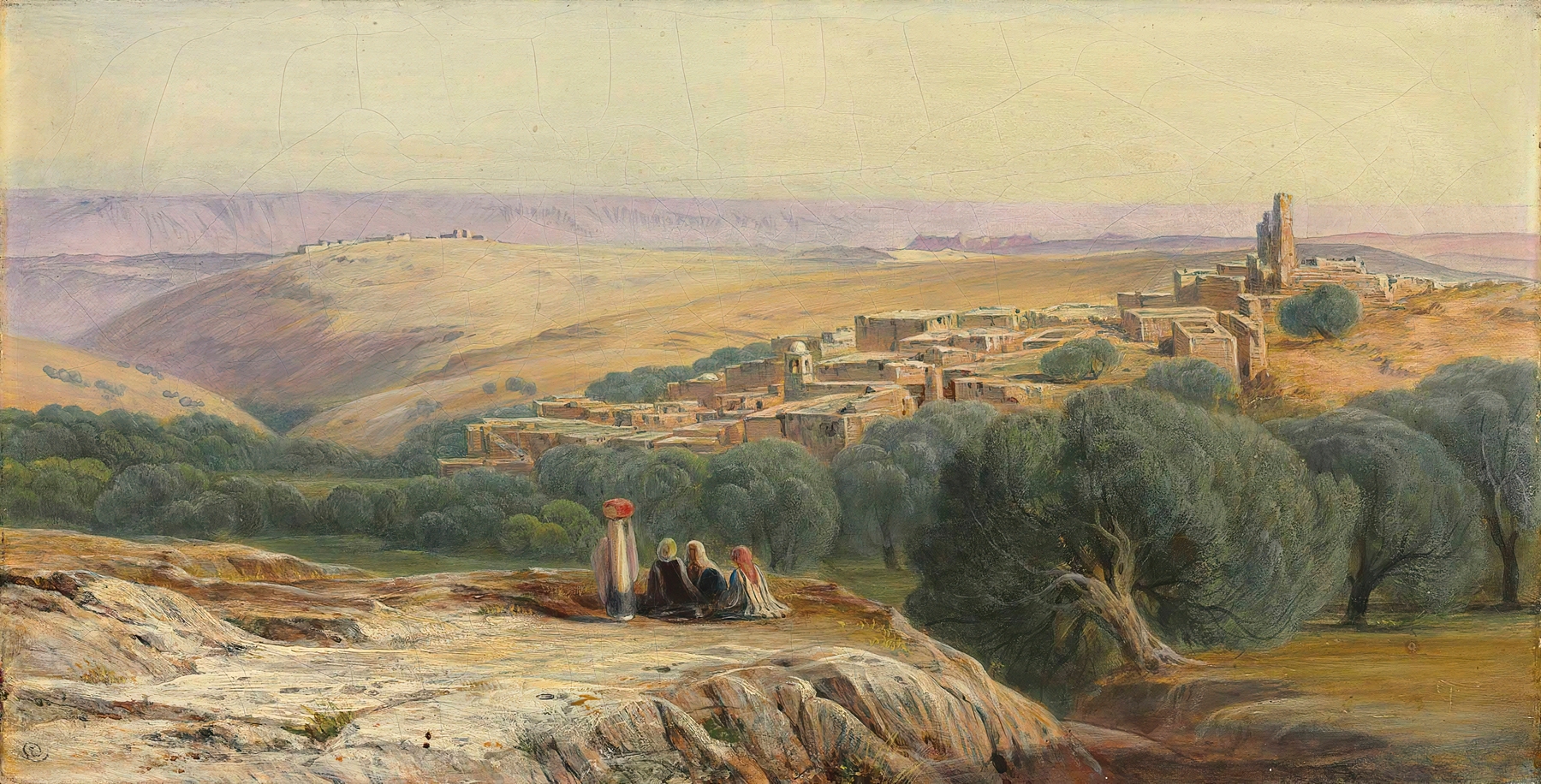
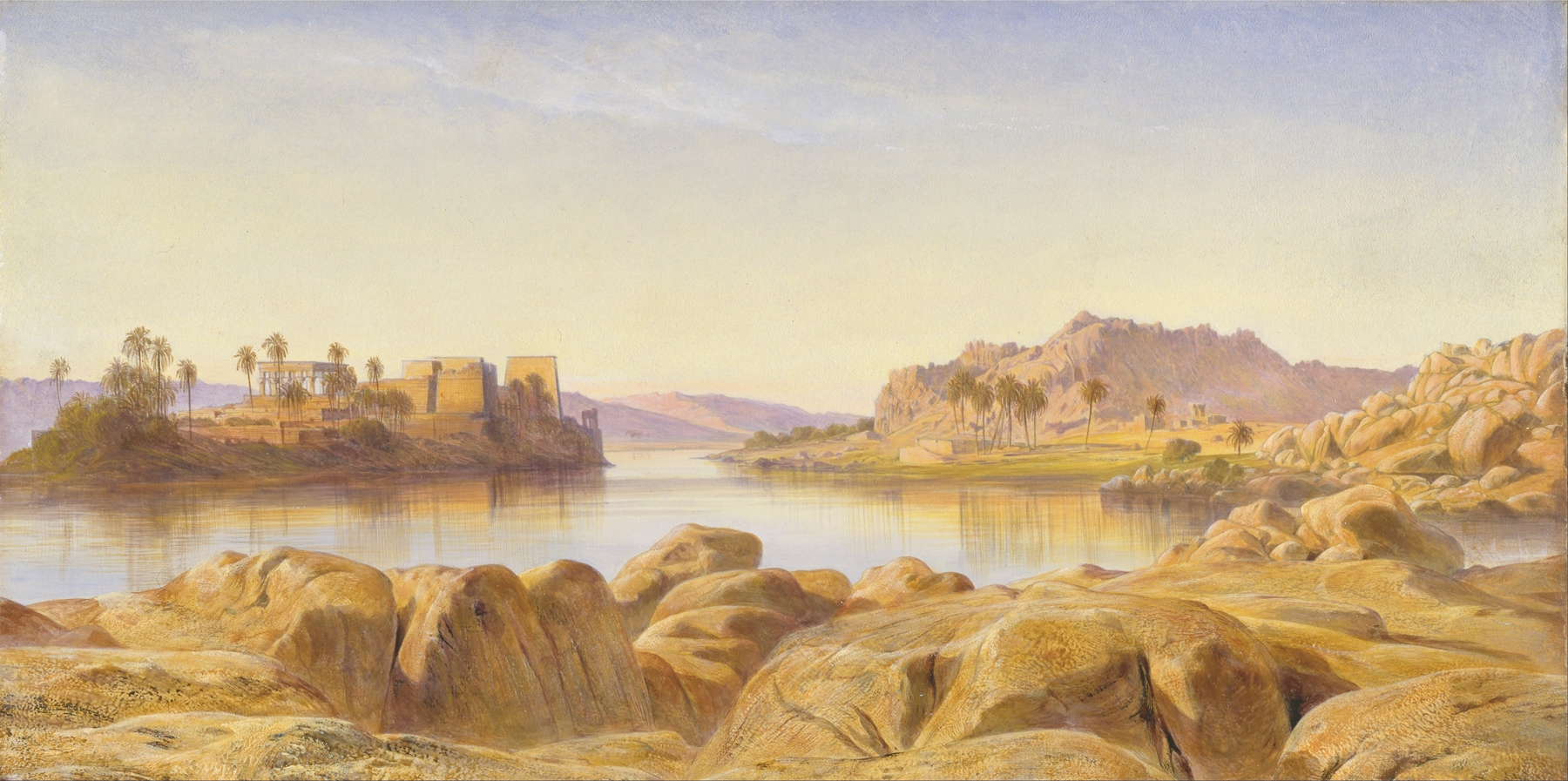
“Sometimes beauty is just pain, disguised in gold.” As the sun sets over distant mountains, the shadows of memory linger, revealing the fragile relationship between joy and sorrow. In Edward Lear's Petra, your gaze should first be drawn to the intricate architecture nestled amidst a rugged landscape. Notice how the stunning façades of the ancient city emerge from the rocky terrain, bathed in warm hues of ochre and amber. The artist’s meticulous brushwork defines the delicate arches and columns, creating a tapestry of texture that invites you deeper into this forgotten world, while the surrounding cliffs cradle the scene with a sense of isolation.
Yet, as you examine the details, a deeper narrative unfolds. The interplay of light and shadow hints at the passage of time, invoking a sense of nostalgia for what once was. The vibrant colors of the buildings contrast sharply with the barren landscape, suggesting the fleeting nature of beauty in a realm where memories fade like echoes. This tension evokes a longing, a reminder that every majestic monument has its own history of triumph and tragedy, encapsulated in stone.
Lear painted Petra in 1858 during a period of exploration and discovery in the arts. Living in England, he was captivated by the East, and his travels inspired new visions of exotic landscapes. This work reflects not only his fascination with the grandeur of ancient civilizations but also the Romantic spirit that permeated the art world, encouraging artists to delve into emotional and personal connections within their subjects.