George Washington (1732-1799) — History & Analysis
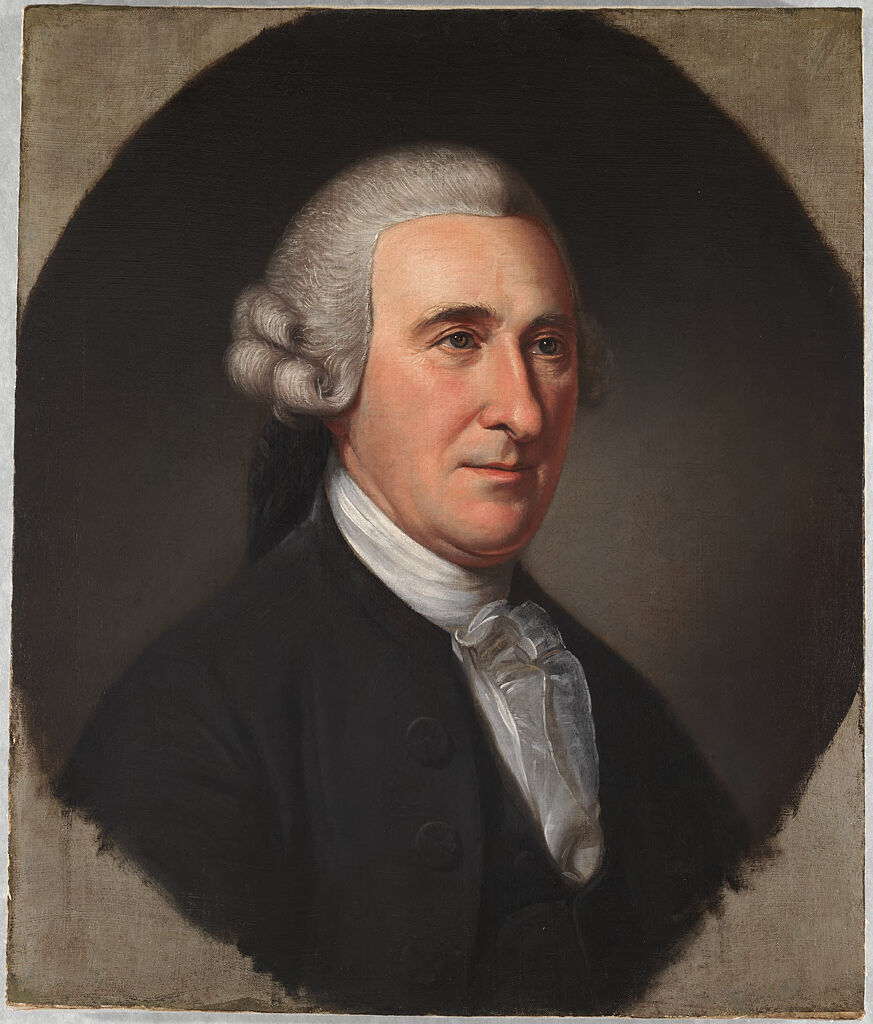
“Every silence here is a confession.” In the stillness of a moment, the weight of revolution hangs heavy, echoing through the canvas. The figure stands resolute, a leader forged in the fires of change, capturing the essence of a nation in flux. This portrait not only memorializes a man; it embodies the spirit of a time when ideals collided with the harsh realities of life and governance. Focus on the gaze of the subject, poised and contemplative, and the meticulous attention to the textures of his attire. Notice how the rich, deep colors of his coat contrast with the soft, muted backdrop, enhancing his prominent figure.
The play of light on his face reveals both strength and vulnerability, while the delicate brushwork brings forth the intricate details in his hands, suggesting a readiness for action. Each element is carefully composed, inviting the viewer to interpret the depth of his character. Beneath the surface lies an intricate narrative of duality. The confident stance juxtaposes the burden of leadership, encapsulating the tension between public duty and personal sacrifice. The underlying palette speaks to a burgeoning nation — dark tones hint at past struggles while the lighter shades suggest a hopeful future.
Every brushstroke resonates with the unspoken challenges, illuminating the complexity of a man who was both a symbol and a strategist in an era of upheaval. In 1784, the artist painted this work during a time of reconstruction and reflection in America, just after the Revolutionary War. Peale, an accomplished portraitist and naturalist, sought to capture the essence of the new republic and its leaders. This period marked a transition in the art world as American artists began to assert their identity apart from European influences, and Peale’s portrayal of Washington exemplified this burgeoning nationalism.