John Nicholson — History & Analysis
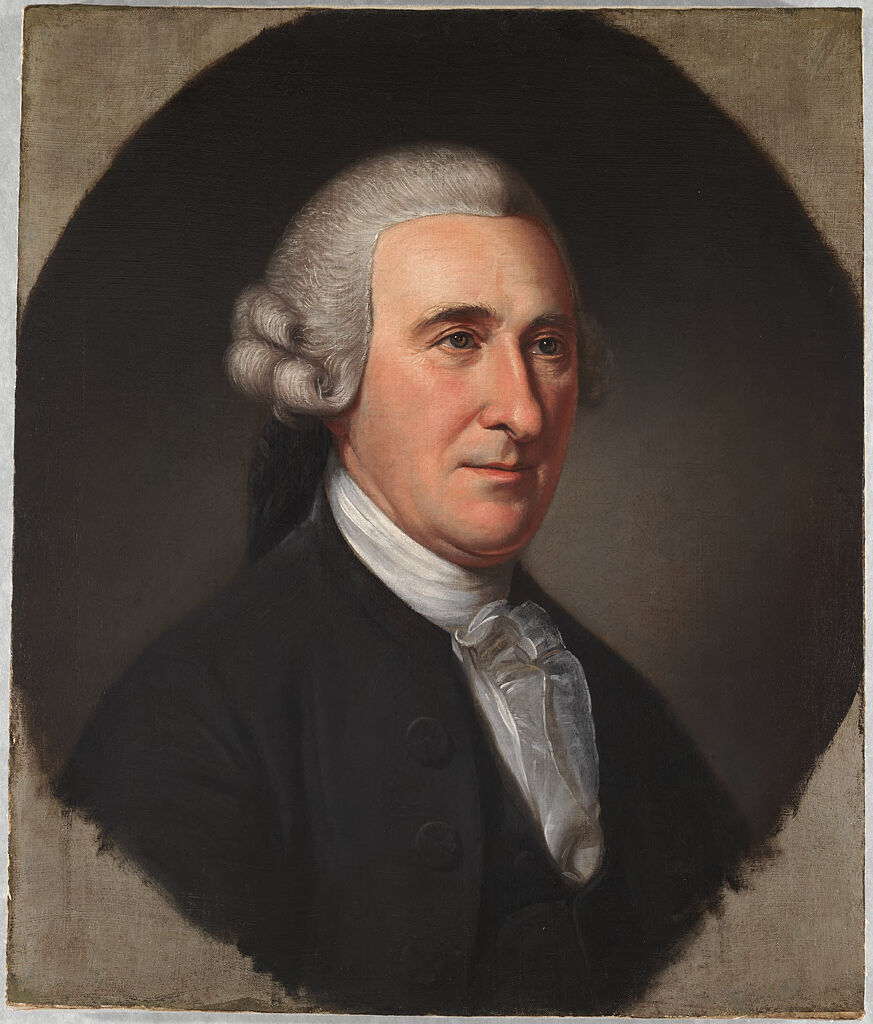
Where does light end, and longing begin? In the delicate interplay of shadow and illumination, we find the ethereal dance between the mortal and the divine. Focus first on the luminous face of the subject, where light cascades over John Nicholson's features, casting an almost celestial glow. Notice how Peale’s meticulous brushwork captures not only the texture of the skin but the very essence of aspiration and reverence. The warm hues of ochre and gold create a radiance that draws the viewer's gaze, while deep blues frame the portrait, enhancing the subject's connection to the heavens.
Each stroke breathes life into the canvas, inviting you to ponder the man behind the visage. Embedded within this artwork are layers of meaning. The contrast between Nicholson’s serene expression and the dark background evokes a profound introspection, suggesting a quest for enlightenment amid the shadows of existence. This duality speaks to the broader human experience—a yearning for something greater, a search for divine purpose.
The simplicity of the attire, coupled with the gravity of his gaze, hints at the weight of unfulfilled aspirations and the burdens of ambition. In 1790, Peale painted this work during a period marked by personal and artistic exploration. Living in Philadelphia, he was surrounded by the burgeoning ideals of the Enlightenment, which championed reason and individualism. The work reflects Peale’s own journey as a naturalist and artist, striving to achieve a balance between scientific inquiry and the transcendent qualities of art, as he sought to capture not just the likeness but the very essence of humanity.