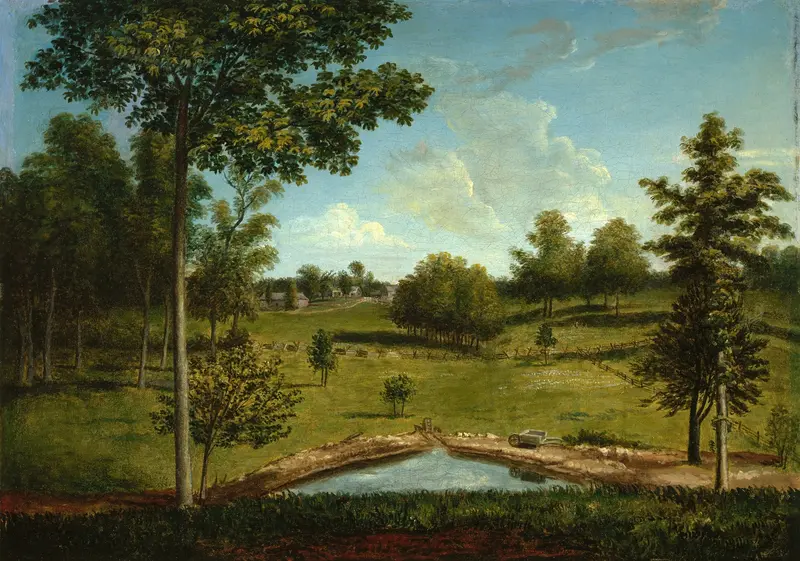
American, 1741–1827
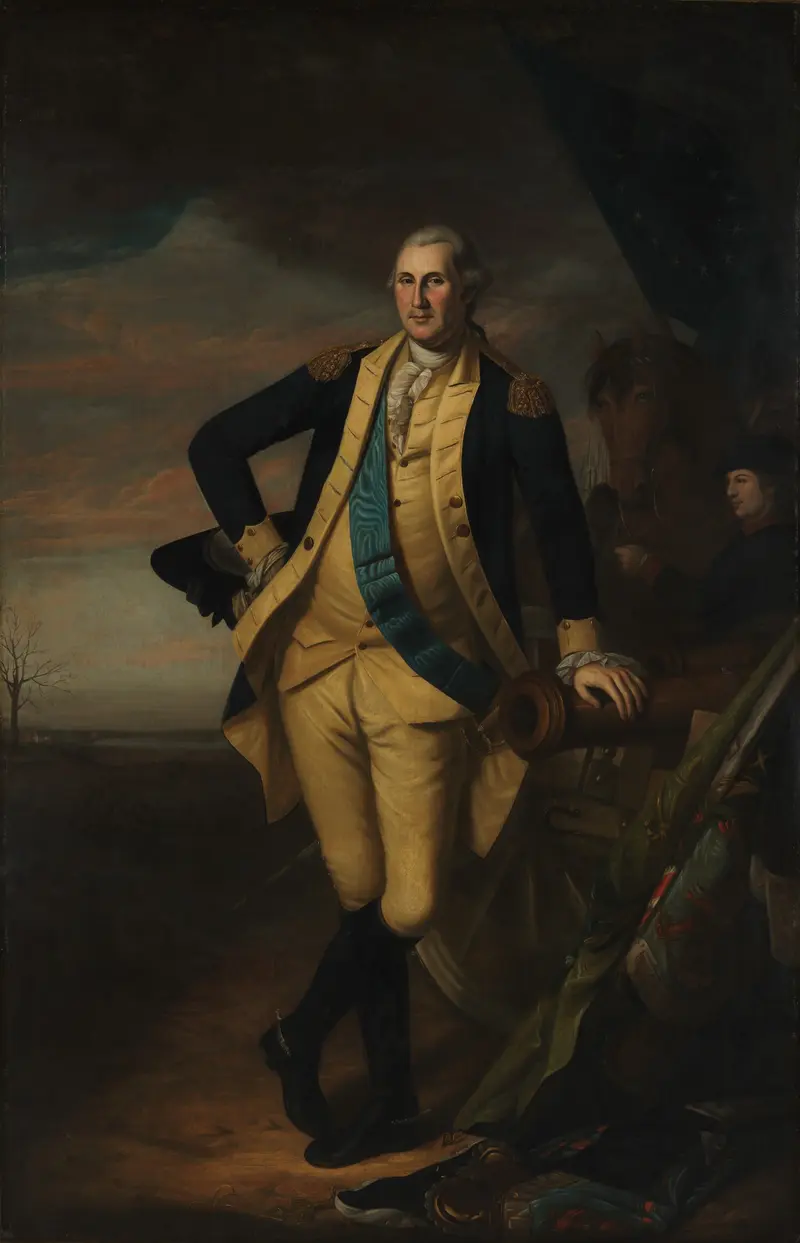
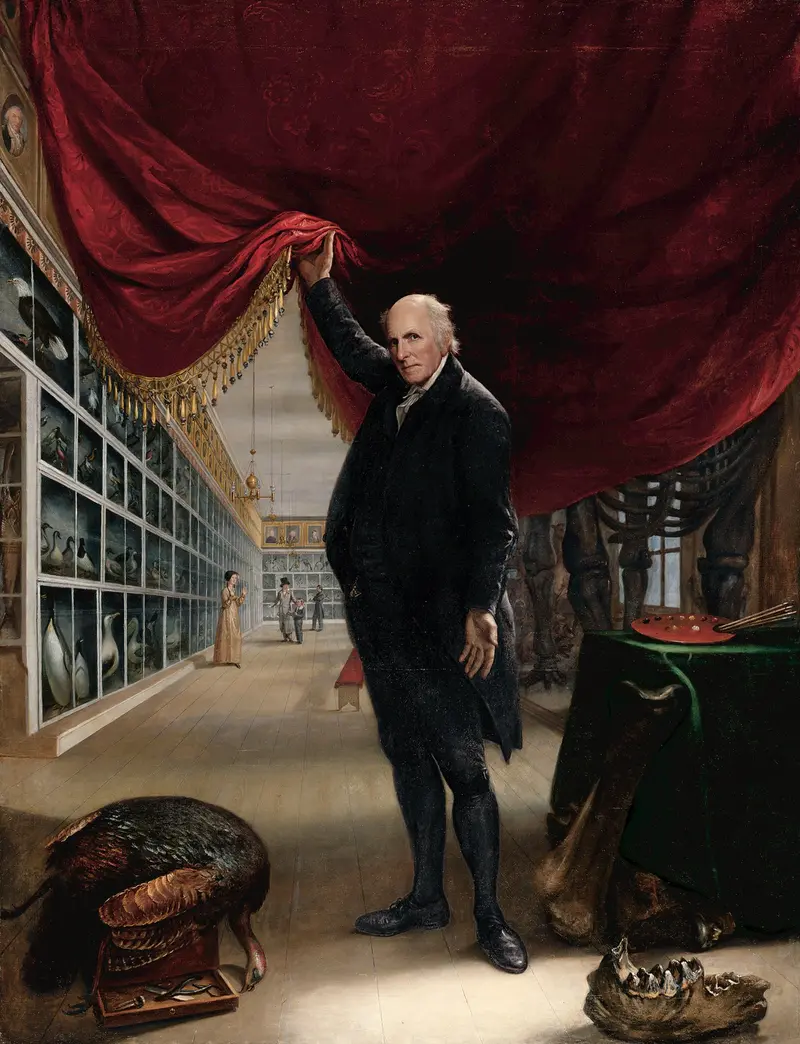
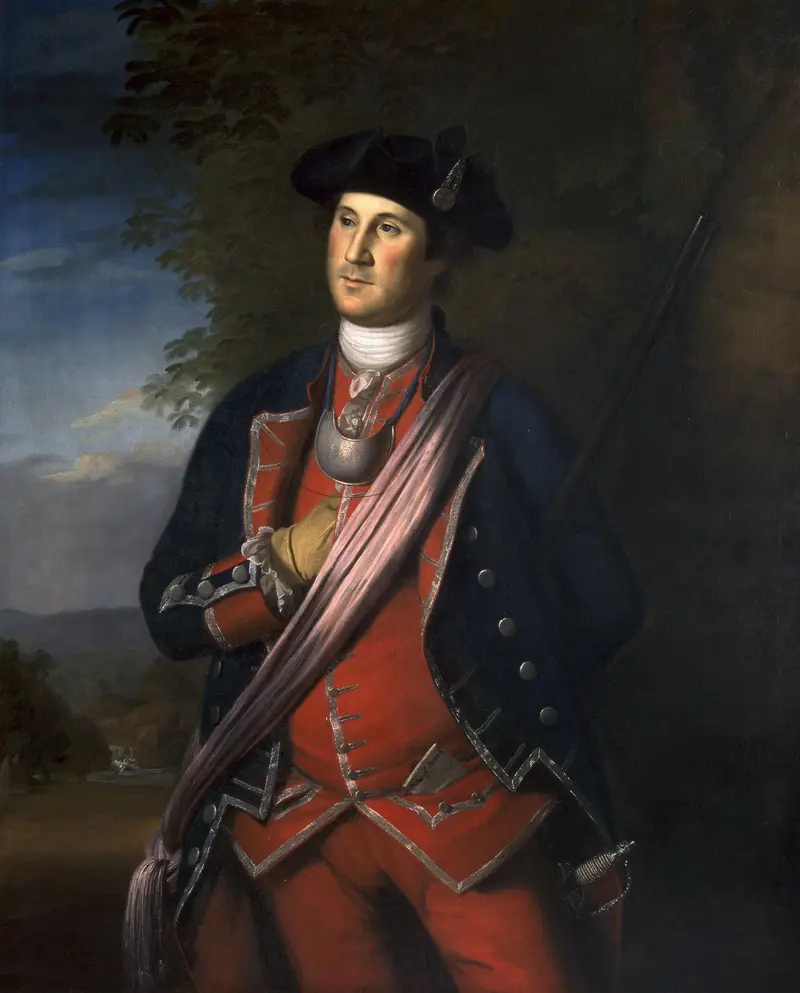
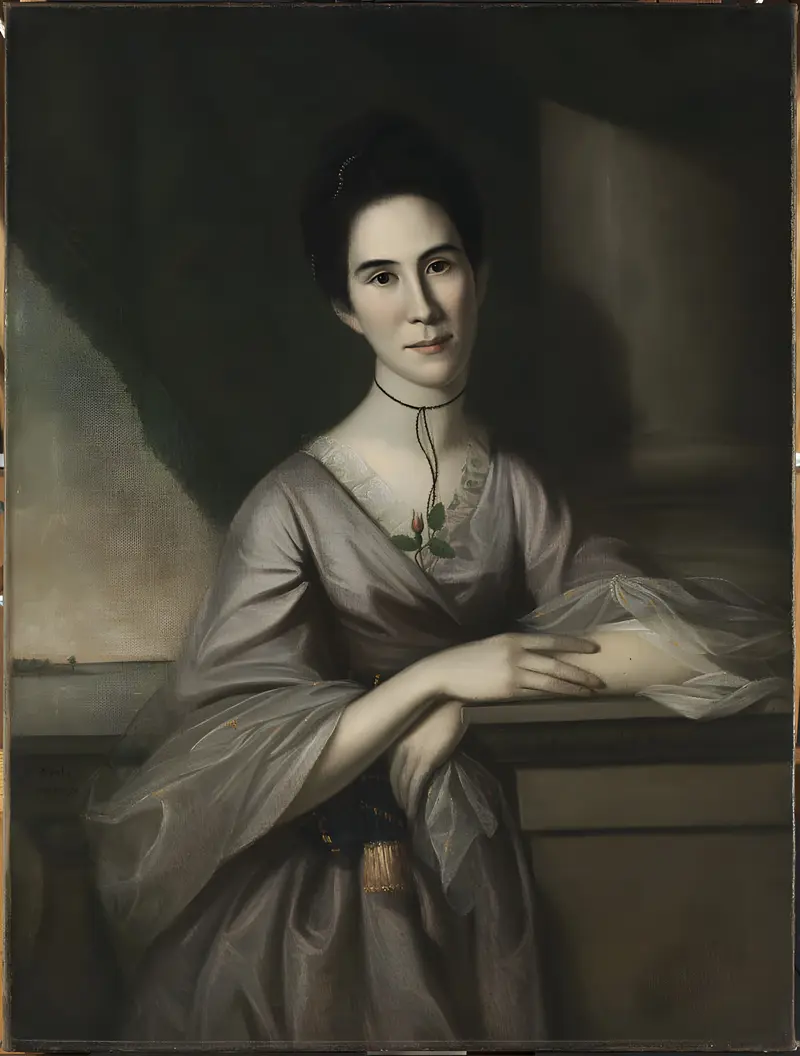
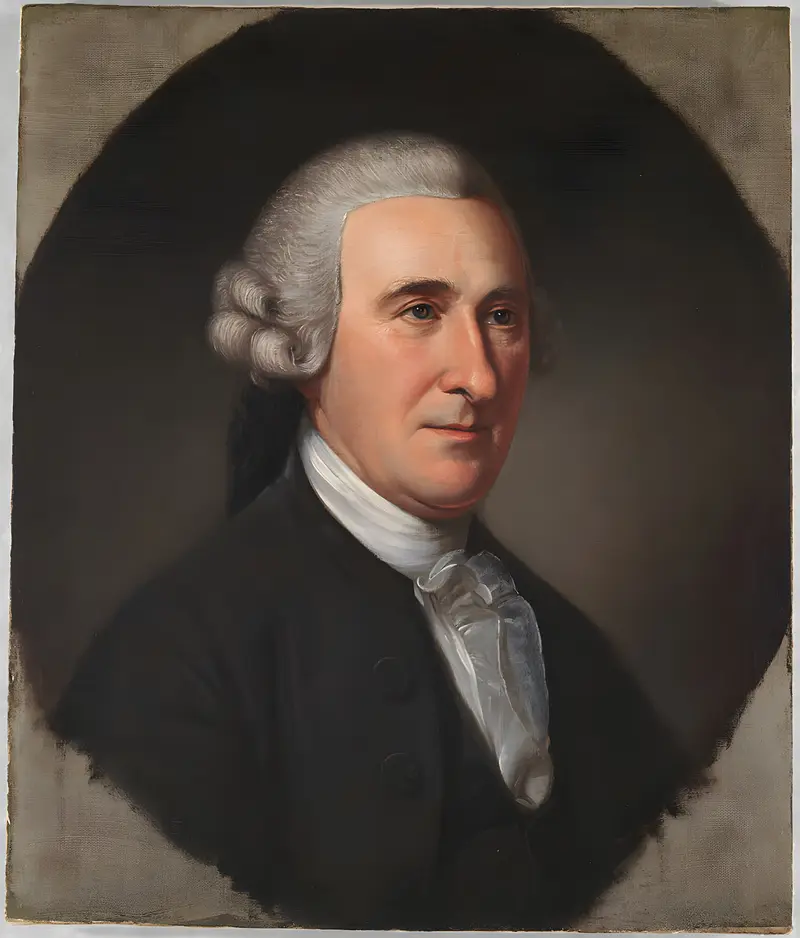
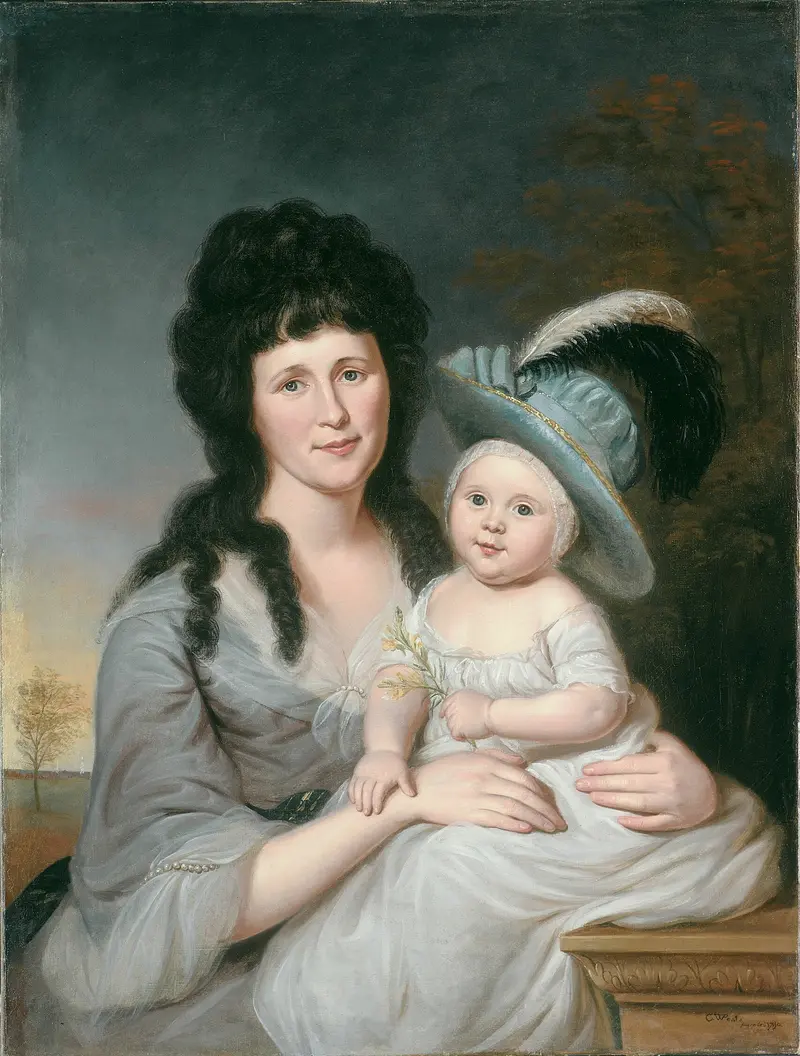
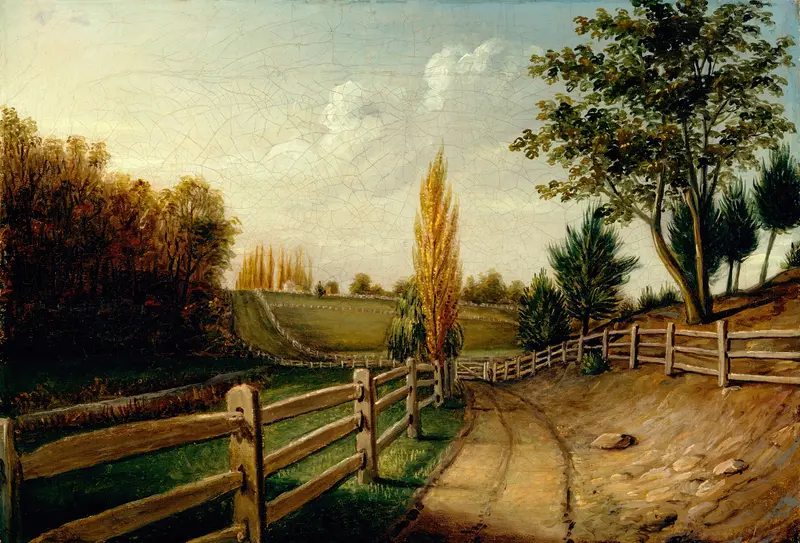
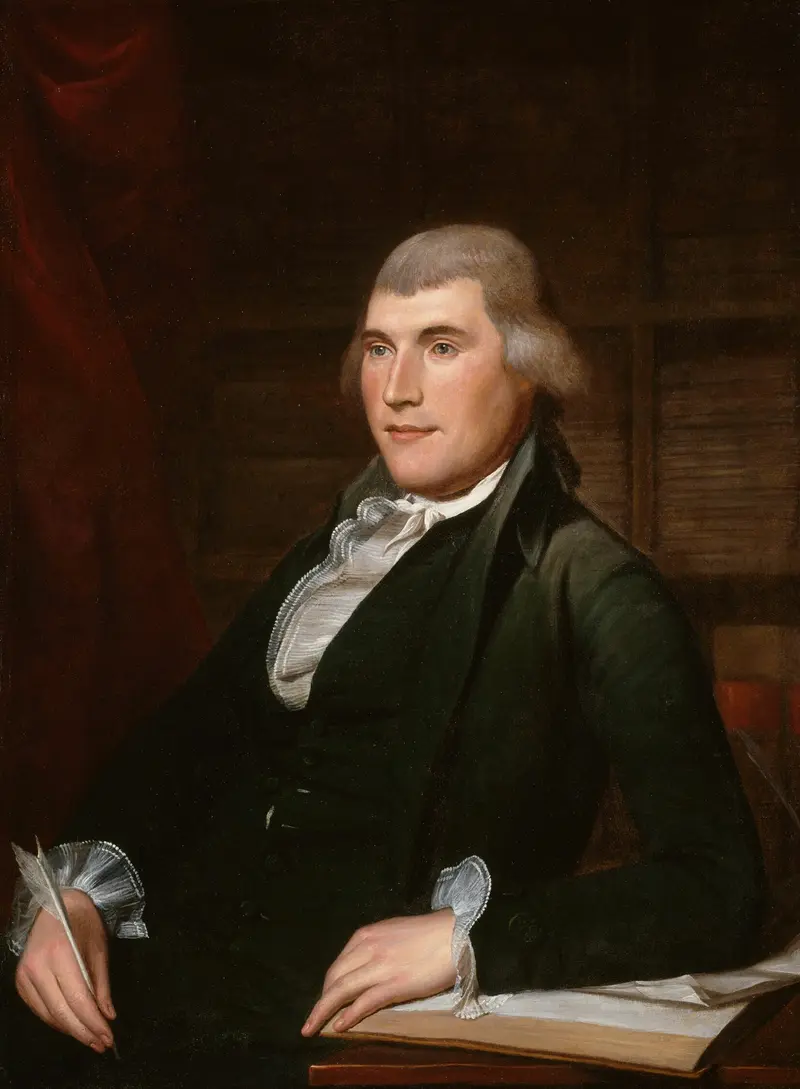
Charles Willson Peale was an American painter, inventor, and naturalist, known for his portraits of prominent figures of the American Revolution and his contributions to the field of natural history. He was born on April 15, 1741, in Annapolis, Maryland, and died on February 22, 1827, in Philadelphia, Pennsylvania. Peale trained as a painter under the tutelage of the artist and engraver, John Hesselius, and later studied in London with the portraitist, Benjamin West. His early career was marked by his work as a portraitist, capturing the likenesses of notable individuals such as George Washington and Thomas Jefferson. Peale's style is characterized by its realism and attention to detail, reflecting the Enlightenment ideals of his time. In addition to his painting, he was a pioneer in the field of natural history, founding the Philadelphia Museum in 1786, which showcased his extensive collection of specimens and artifacts. Peale's work is significant for its role in shaping American art and culture during the early republic, as well as for his contributions to the scientific community through his studies of natural history.
10 artworks