Mrs. John Nicholson (Hannah Duncan) and John Nicholson, Jr. — History & Analysis
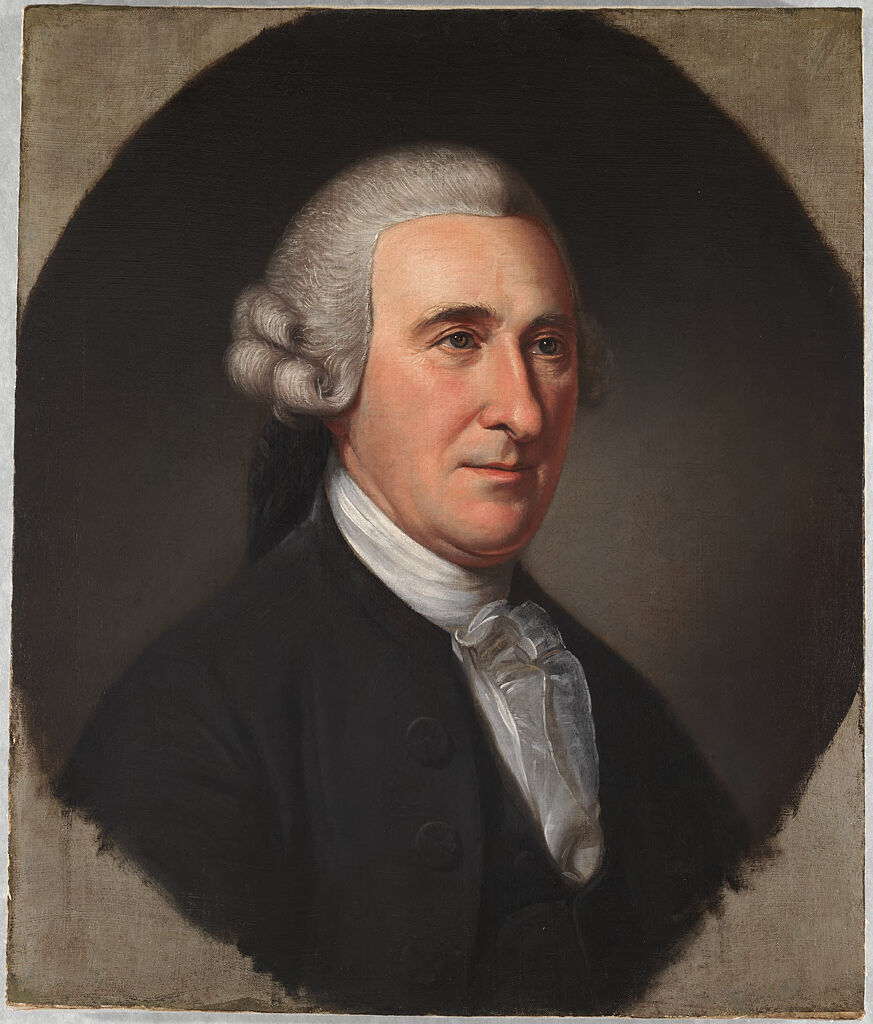
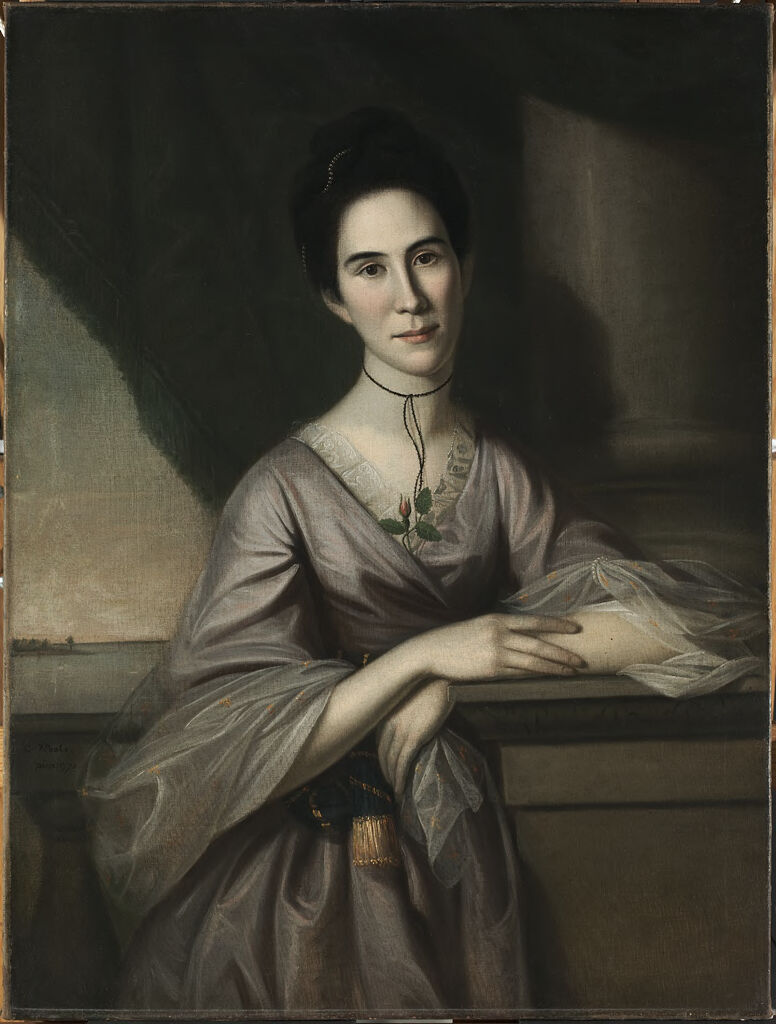
Could beauty survive in a century of chaos? In Mrs. John Nicholson (Hannah Duncan) and John Nicholson, Jr., the quiet strength of familial bonds stands poised against the turbulent backdrop of late 18th-century America. The delicate interplay of light and shadow breathes life into the figures, offering a serene glimpse into their world where divinity and humanity intertwine. Look to the left at Hannah Duncan, her gentle gaze and poised demeanor drawing you in. The soft drapery of her dress, painted in a rich palette of blues and whites, creates an ethereal quality that contrasts with the solidity of her son beside her.
Notice how the light caresses their faces, illuminating the tender expressions that hint at a shared love and unspoken resilience. The composition is carefully balanced, harmonizing the figures against a muted background, emphasizing their presence as the focal point of the canvas. In the details, the painting reveals deeper layers of emotion. The delicate clasp of Hannah's hand as she cradles her son hints at both protection and vulnerability, while the slight turn of John Jr.'s body suggests an eagerness to step into a world that awaits him. These gestures convey the tension between nurturing and the inevitable passage of time, illustrating the balance between tenderness and the emerging challenges of their era.
It is a moment suspended, caught between the ideals of the Enlightenment and the realities of the impending revolution. Charles Willson Peale painted this work in 1790 while residing in Philadelphia, a vibrant hub of artistic and political activity. During this period, Peale was establishing his reputation as a leading portrait artist, portraying the prominent figures of his time. The nation was undergoing significant transformations, with ideals of liberty and democracy taking root, yet the turbulence of societal change loomed large. This painting not only reflects the personal lives of its subjects but also encapsulates an era teetering on the brink of profound upheaval.